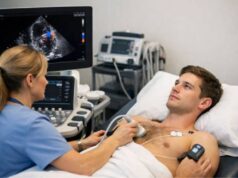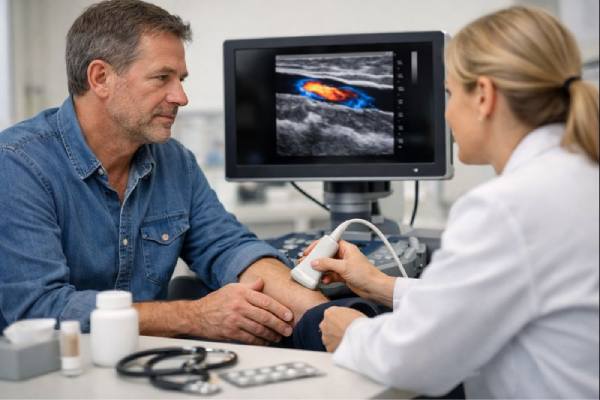
Endarteritis means inflammation of an artery’s inner lining—the surface blood flows over. When that lining becomes irritated or infected, it can swell, attract clotting, and later heal with scarring. The result is often a narrowed vessel that cannot deliver enough blood to the tissue it serves. Sometimes the process is slow and subtle, showing up as leg pain with walking or a stubborn wound that will not heal. Other times it is fast and dangerous, such as sudden loss of blood flow to a limb or signs of a stroke.
Because endarteritis is a pattern rather than one single disease, the most helpful question is, “What started the inflammation?” The answer guides everything—testing, medication choices, and the urgency of treatment.
Table of Contents
- What endarteritis is and why it matters
- What causes endarteritis and who is at risk?
- Symptoms by body area and serious complications
- How doctors diagnose endarteritis
- Treatment options and what to expect
- Long-term management, prevention, and when to seek care
What endarteritis is and why it matters
Endarteritis is inflammation of the inner lining of an artery. That lining normally acts like a smooth, non-stick surface: it helps blood flow without clots and it releases signals that keep the vessel relaxed and responsive. When it is inflamed, three problems tend to build on each other:
- Swelling and roughness: the inner surface becomes less smooth, so blood cells and clotting proteins stick more easily.
- Clot formation: small clots may form on the inflamed area, sometimes breaking off and traveling downstream.
- Scarring and narrowing: as the lining heals, it can leave thickened tissue that permanently narrows the artery.
Many clinicians use the term endarteritis obliterans when the thickening becomes so severe that it nearly closes the vessel. “Obliterans” simply means “closing off.” This pattern can develop in several settings, including some inflammatory vessel diseases, severe long-standing injury from smoking-related inflammation, radiation injury, or chronic transplant-related vessel changes.
Why the same word can describe different illnesses
Endarteritis is not one diagnosis with one standard treatment. It is a vessel response that can be triggered by different causes, such as:
- Infection inside or near a blood vessel, where bacteria or fungi invade and inflame the artery wall.
- Immune-driven vessel inflammation (vasculitis), where the immune system mistakenly attacks vessels.
- Radiation-related vessel injury, where prior radiation therapy leads to accelerated scarring and plaque-like narrowing over time.
- Chronic rejection changes after organ transplant, where small arteries gradually narrow and reduce blood flow to the graft.
Because the cause varies, symptoms can vary too. The core theme is reduced blood delivery—often to a limb, an organ, or a specific tissue region. People may notice pain with activity (when tissues need more blood), slow-healing ulcers, numbness, color changes, or organ-specific warning signs.
What makes it clinically important
Endarteritis can be dangerous for two reasons. First, it can quietly reduce blood flow until a “tipping point” is reached—such as a minor injury that will not heal or sudden worsening of pain. Second, inflamed arteries are more prone to clotting, which can cause abrupt loss of blood flow. The best outcomes come from treating the underlying trigger early and protecting the downstream tissue while the vessel heals.
What causes endarteritis and who is at risk?
A useful way to think about endarteritis is: what irritates the artery lining enough to make it swell, clot, and scar? Causes fall into a few practical buckets.
1) Infection-related causes
Infectious endarteritis is uncommon but high-stakes. Microbes can inflame arteries through bloodstream spread, nearby infection, or seeding of a pre-existing weak spot in the vessel. Situations that raise concern include:
- Persistent fever with new localized pain (for example, chest, back, or abdominal pain)
- Bloodstream infection, especially with aggressive bacteria
- Prior vascular surgery or a vascular graft
- Immune suppression (from medication or illness)
Infectious involvement can weaken the vessel wall as well as narrow it. That combination increases the risk of aneurysm formation, rupture, or clot-related blockage.
2) Immune-mediated vessel inflammation
Several vasculitis conditions can produce an endarteritis pattern, especially when inflammation targets the inner vessel layer and triggers thickening. Risk depends on the specific disease, but clues include:
- Symptoms in multiple body systems (skin, joints, eyes, nerves)
- Elevated inflammatory markers on blood testing
- New limb ischemia without typical atherosclerosis risk factors
- A history of autoimmune disease
3) Tobacco- and inflammation-linked small and medium vessel disease
In some people—often younger adults with heavy tobacco exposure—small and medium arteries in the hands and feet can develop severe inflammatory narrowing. The most important risk amplifier here is ongoing nicotine exposure, including cigarettes and often other nicotine delivery products. Continued exposure tends to drive progression and raises amputation risk when critical blood flow is lost.
4) Radiation-related injury
Radiation therapy can injure blood vessels in the treated field. The damage may appear years later as thickened, stiff, narrowed arteries with a higher tendency for plaque-like change. People at higher risk include those who received radiation to the head/neck (carotid region), chest, or pelvis, especially if they also have high blood pressure, high cholesterol, diabetes, or smoking history.
5) Mechanical or procedure-related injury
Any significant injury to the vessel lining can trigger local inflammation and scarring. Examples include catheter-based procedures, repeated access for dialysis, vascular surgery, or trauma. Not everyone develops endarteritis-like narrowing, but risk rises with repeated injury, infection, and poor healing conditions such as uncontrolled diabetes.
Risk factors that worsen outcomes regardless of the cause
No matter what started the inflammation, tissue damage is more likely when baseline circulation is already stressed. Common amplifiers include diabetes, chronic kidney disease, smoking, poorly controlled blood pressure, high LDL cholesterol, and limited mobility. These factors do not “cause” all endarteritis, but they often determine how severe the consequences become.
Symptoms by body area and serious complications
Endarteritis symptoms reflect one main problem: too little blood reaches a tissue. The same vessel process can look completely different depending on where it occurs and how quickly it develops.
Legs and feet
This is one of the most common ways reduced arterial flow shows up. Symptoms may include:
- Aching or cramping in the calf, thigh, or buttock during walking that improves with rest
- Cold feet, numbness, or tingling
- Color changes (pale, bluish, or dusky toes)
- Slow-healing blisters or ulcers, often on toes or pressure points
- Night pain in the foot that improves when the leg is dangled down
A key practical clue is progression. Pain that used to occur after long walks but now appears after a short distance suggests worsening blood flow. Pain at rest, especially with skin breakdown, can signal limb-threatening ischemia.
Hands and fingers
When smaller arteries are involved, people may notice:
- Fingers that turn pale or blue in cold environments
- Painful fingertip sores
- Reduced grip strength due to pain and poor perfusion
- Episodes of superficial vein inflammation that travel along a vein (a clue in some inflammatory vessel disorders)
Brain and eyes
If emboli form on inflamed vessel surfaces—or if narrowing limits blood delivery—symptoms can resemble transient ischemic attack or stroke:
- Sudden face droop, arm weakness, or speech trouble
- Sudden loss of vision in one eye or loss of part of the visual field
- Sudden severe imbalance, double vision, or trouble swallowing
These symptoms are emergencies, even if they resolve in minutes.
Kidneys and blood pressure
Narrowing of renal arteries can contribute to:
- New or worsening high blood pressure that becomes difficult to control
- Decline in kidney function on blood tests
- Fluid retention in severe cases
Possible complications
Complications depend on cause and location, but the most serious ones share a theme: irreversible tissue loss.
- Critical limb ischemia: persistent rest pain, ulcers, gangrene, and possible need for amputation if blood flow cannot be restored.
- Acute limb ischemia: sudden severe pain, coldness, color change, numbness, and weakness in a limb—often a clot on top of an already narrowed segment.
- Stroke or transient ischemic attack: from clot/embolus or critically reduced flow.
- Infectious vessel wall failure: in infectious forms, vessel weakening can lead to aneurysm, rupture, or life-threatening bleeding.
- Chronic pain and disability: even when tissue survives, nerve injury and reduced mobility can persist.
A practical rule is that time matters most when symptoms are sudden: abrupt pain, abrupt weakness, abrupt vision loss, or a rapidly spreading skin change should be treated as urgent until proven otherwise.
How doctors diagnose endarteritis
Diagnosing endarteritis is a two-part task: confirm impaired arterial flow and identify the underlying trigger (infection, immune inflammation, radiation injury, or another cause). Clinicians usually start with history and examination, then use targeted tests to map the vessels and look for systemic clues.
History and physical exam
Key questions include:
- When symptoms started and whether onset was sudden or gradual
- Prior radiation therapy (where and when)
- Tobacco and nicotine exposure (including non-cigarette products)
- Recent infections, fevers, dental procedures, or bloodstream infection risks
- Autoimmune history (rashes, joint swelling, eye inflammation, mouth ulcers)
- Procedure history (catheters, vascular surgeries, grafts, dialysis access)
On exam, clinicians assess pulses, limb temperature, skin integrity, capillary refill, and any color changes. They also listen for bruits (blood flow turbulence) and check for signs of systemic illness such as fever or weight loss.
Bedside circulation measurements
Simple measurements can quickly show whether blood flow is compromised:
- Ankle-brachial index (ABI): compares blood pressure in the ankle and arm. Lower values suggest reduced leg blood flow.
- Toe pressures or toe-brachial index: helpful when ABI is less reliable (for example, when arteries are stiff).
- Skin perfusion or oxygen measurements: sometimes used to evaluate wound-healing potential.
These tests do not prove “endarteritis,” but they quantify how much blood is reaching the tissue—critical information for treatment urgency.
Imaging to map the arteries
Imaging helps define where narrowing or blockage is occurring and whether there are features suggesting inflammation or infection:
- Duplex ultrasound: evaluates flow and can detect stenosis in accessible arteries.
- CT angiography (CTA) or MR angiography (MRA): maps larger vessel segments and can show the extent of disease.
- Catheter angiography: used when intervention is likely or when detailed mapping is needed.
Blood tests and cause-finding workup
Testing is tailored to the suspected cause:
- For suspected immune-driven disease: inflammatory markers and targeted autoimmune panels.
- For suspected infection: blood cultures, blood counts, and imaging aimed at identifying infected vessel segments or nearby sources.
- For radiation-related disease: evaluation focuses on the treated vascular territory and traditional risk factors that speed progression.
When biopsy is considered
Biopsy of an artery is not routine because it can risk worsening blood flow. It is reserved for select cases where diagnosis remains uncertain and the result would clearly change management. Often, clinicians can reach a working diagnosis using clinical features, imaging patterns, and response to targeted therapy.
A useful patient takeaway is that diagnosis is not only about labeling the condition. It is about answering, “How threatened is the tissue right now?” and “What is the most likely driver so we can stop progression?”
Treatment options and what to expect
Treatment for endarteritis has two goals: protect the tissue that is losing blood flow and treat the cause driving the vessel inflammation. Many people need a mix of medications, procedures, and practical supportive care.
1) Treat the underlying cause
Infection-related endarteritis typically requires prompt antimicrobial therapy, often started after cultures are drawn when possible. Because infected vessel segments can weaken or seed clots, teams may involve infectious disease and vascular specialists early. In select cases—especially when a vessel wall is weakened, an aneurysm forms, or blood flow is threatened—surgery or endovascular repair may be needed.
Immune-mediated disease is treated by reducing harmful inflammation. Depending on the diagnosis and severity, clinicians may use corticosteroids and additional immune-modifying medications. The plan is usually individualized based on which vessels are involved, organ risk, and medication safety factors.
Radiation-related vessel disease is managed by addressing narrowing and preventing downstream events. That often means aggressive control of blood pressure and cholesterol, antiplatelet therapy when appropriate, and careful consideration of procedural options if severe stenosis threatens brain or limb circulation. Prior radiation can make surgery technically harder because tissues heal more slowly, so treatment planning often weighs risks and benefits carefully.
Tobacco-linked inflammatory vessel narrowing rises or falls with nicotine exposure. Complete cessation is often the single most important step to halt progression. If nicotine continues, other treatments frequently underperform because the trigger remains active.
2) Improve blood flow and prevent clotting
Depending on location and severity, clinicians may use:
- Antiplatelet therapy to reduce clot formation on damaged vessel lining.
- Cholesterol-lowering therapy to stabilize vessel disease and reduce events, even when the underlying cause is not classic plaque.
- Structured exercise therapy for stable leg symptoms, which can improve walking distance by training the body to use oxygen more efficiently and build collateral circulation over time.
- Revascularization procedures (endovascular or surgical) when symptoms are severe, wounds are not healing, or there is limb-threatening ischemia.
If a limb suddenly becomes cold, painful, pale, or numb, treatment may be emergent because rapid clotting on a narrowed segment can cause acute limb ischemia. In those cases, clinicians may consider clot-removing strategies or urgent procedures to reopen flow.
3) Wound care and pain control
When ulcers or tissue loss occur, careful wound care is not optional—it is part of preventing infection and amputation. Treatment may include debridement when safe, protective footwear, offloading pressure points, topical regimens, and close follow-up. Pain control is also important, because uncontrolled pain reduces mobility and sleep, and can slow recovery.
What to expect over time
If the driver is identified and treated early, symptoms may stabilize and sometimes improve. When scarring has already caused fixed narrowing, improvement often depends on building collateral blood flow and, in some cases, restoring flow mechanically. Most treatment plans include repeated reassessment, because vessel inflammation can quiet down while the consequences of narrowing still require long-term attention.
Long-term management, prevention, and when to seek care
Living with endarteritis—or with the consequences of endarteritis-like vessel narrowing—means balancing vigilance with realistic routines. The strongest plans reduce short-term danger (clots, sudden blockage, infection) and long-term damage (progressive narrowing, tissue loss, organ injury).
Daily habits that protect circulation
These steps matter across most causes:
- Stop nicotine completely. If quitting feels difficult, use structured support (behavioral counseling and clinician-guided options). The goal is total abstinence, not reduction.
- Move consistently. For stable leg symptoms, gradual walking programs often work best: short bouts repeated daily, building time and distance week by week.
- Protect skin and feet. Inspect feet daily, moisturize dry skin (avoiding moisture between toes), and address small blisters early. Poor blood flow turns “minor” injuries into major problems.
- Control blood pressure, cholesterol, and diabetes. Consistency matters more than perfection. Small improvements maintained over months reduce vascular stress.
- Stay hydrated during illness and seek early care if you cannot keep fluids down, because dehydration thickens blood and can worsen ischemia.
Medication and follow-up discipline
If you are prescribed antiplatelet drugs, cholesterol-lowering therapy, antibiotics, or immune-modifying medications, take them as directed and report side effects early rather than stopping abruptly. Many setbacks happen when treatment is interrupted during travel, illness, or busy periods. Practical tools include pill organizers, reminder apps, and a written medication list carried in a wallet.
For people with prior radiation exposure, ask clinicians whether periodic screening of the treated vascular territory is appropriate, especially if symptoms develop. For immune-mediated disease, routine monitoring is essential to confirm that inflammation is controlled and medications remain safe for the liver, kidneys, and blood counts.
Preventing infections and secondary harm
If immune-suppressing medication is part of treatment, prevention becomes more important:
- Keep routine vaccinations current as advised by a clinician.
- Seek evaluation for persistent fevers, unexplained fatigue, or localized pain that does not fit your usual pattern.
- Do not ignore new dental or skin infections; untreated infections can seed the bloodstream in vulnerable patients.
When to seek urgent or emergency care
Call emergency services immediately for any of the following:
- Sudden limb symptoms: severe pain, coldness, numbness, weakness, or a limb that turns pale or blue
- Stroke-like symptoms: face droop, arm weakness, speech trouble, sudden vision loss, or severe imbalance
- Signs of dangerous infection: high fever with chest/back/abdominal pain, confusion, or fainting
- Rapidly worsening ulcers: spreading redness, drainage, foul odor, or black tissue
Also seek urgent care for a “near miss,” such as brief weakness, brief vision loss, or a short episode of intense limb pain that resolves. These can be warnings of unstable blood flow and should be evaluated before a larger event occurs.
The most protective mindset is simple: treat endarteritis as solvable when addressed early. Identify the driver, protect circulation, and act quickly when symptoms change.
References
- 2024 ACC/AHA/AACVPR/APMA/ABC/SCAI/SVM/SVN/SVS/SIR/VESS Guideline for the Management of Lower Extremity Peripheral Artery Disease: A Report of the American College of Cardiology/American Heart Association Joint Committee on Clinical Practice Guidelines 2024 (Guideline)
- A review on the deeper understanding of inflammation and infection of the thoracic aorta 2023 (Review)
- Recent Updates and Advances in Winiwarter-Buerger Disease (Thromboangiitis Obliterans): Biomolecular Mechanisms, Diagnostics and Clinical Consequences 2021 (Review)
- Radiation Vasculopathy 2025 (Review)
Disclaimer
This article is for educational purposes only and does not provide medical advice, diagnosis, or treatment. Endarteritis can involve serious infection, immune disease, or critical loss of blood flow, and some presentations require urgent, time-sensitive care to prevent permanent tissue or organ damage. If you develop sudden weakness, speech trouble, vision loss, severe imbalance, or a suddenly painful cold limb, call emergency services immediately. For personalized guidance—especially about antibiotics, immune-suppressing medicines, antiplatelet therapy, or vascular procedures—consult a qualified clinician who can evaluate your symptoms, imaging, and medical history.
If you found this article helpful, please share it on Facebook, X (formerly Twitter), or any platform you prefer, and follow us on social media. Your support through sharing helps our team continue producing reliable health content.