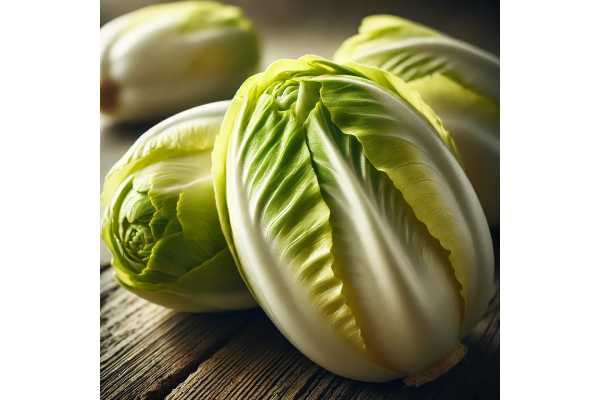
Endive is one of those leafy vegetables that often appears on a restaurant plate long before it shows up in home kitchens. Belonging to the chicory family, it includes curly endive (frisée) and broad-leaf escarole, both known for their pleasantly bitter flavor and crisp texture. That bitterness is exactly what makes endive so useful: it balances rich cheeses, fatty meats, creamy dressings, and sweet fruits in salads and warm dishes.
Nutritionally, endive is extremely low in calories yet rich in fiber, especially inulin, a prebiotic that supports gut health. It also contributes vitamin A, vitamin K, folate, and several minerals while remaining naturally low in sodium. For people looking to increase vegetable variety, endive offers a way to add flavor complexity without adding many calories or carbohydrates.
Whether you are building a mixed salad, braising greens for a hearty side, or exploring Mediterranean-style cooking, understanding endive’s benefits, safety, and practical uses can help you use it with more confidence and intention.
Fast Facts for Endive
- One 100 g serving of raw endive provides about 17 kcal, making it a very low-energy, high-volume leafy vegetable.
- Endive supplies prebiotic fiber (including inulin) that may support gut bacteria and digestive regularity.
- A practical portion for most adults is 1–2 cups raw endive (about 50–100 g) on several days per week as part of mixed vegetables.
- People with strong reactions to other Asteraceae plants (such as certain weeds or daisies) or very sensitive digestion may need to introduce endive cautiously.
- Individuals using vitamin K–sensitive blood thinners should keep their intake of dark leafy greens, including endive, reasonably consistent rather than eliminating them completely.
Table of Contents
- Endive types flavor and uses
- Endive nutrition per 100 grams
- Health benefits of endive intake
- Endive risks allergies and interactions
- Choosing storing and sustainable endive
- Preparing endive and retaining nutrients
- Portions comparisons and endive FAQs
Endive types flavor and uses
Endive (Cichorium endivia) is a cool-season leafy vegetable in the Asteraceae family, related to chicory, radicchio, and Belgian endive. In everyday language, “endive” can be confusing because different regions use the word for slightly different vegetables. In this article, the focus is on leafy endive: curly endive (frisée) with frilly edges and escarole with broader, smoother leaves.
Curly endive has tightly packed, ruffled leaves with pale yellow centers and darker green outer leaves. Its flavor is distinctly bitter and assertive, which works well in small amounts in mixed salads. Escarole is milder and more versatile. The inner leaves are tender and only gently bitter, while the outer leaves are sturdier and ideal for cooking. Both types can be sold as whole heads or pre-cut salad mix.
Flavor-wise, endive’s bitterness is key. It stimulates saliva and digestive juices, and it contrasts nicely with sweetness and richness. In salads, endive pairs well with:
- Citrus fruit (orange, grapefruit, tangerine)
- Apples, pears, grapes, or dried fruits
- Strong cheeses such as blue cheese, goat cheese, or aged cheddar
- Nuts and seeds, especially walnuts, hazelnuts, and sunflower seeds
- Olive-oil based or mustardy dressings with a touch of acid and sweetness
Cooked endive behaves differently. Gentle sautéing, braising, or grilling tames its bitterness and brings out a subtle sweetness. Escarole is a classic ingredient in Italian-style soups and stews, such as white bean and escarole soup, where it holds its texture better than many lettuces. Curly endive can be wilted briefly in a hot pan with garlic and olive oil as a simple side dish.
Endive is typically available year-round in many supermarkets, although quality is often best during cooler months. It stores better than delicate lettuces and tolerates light cooking without collapsing. For people who find kale or collard greens too robust, endive can be a middle ground: sturdier than lettuce but more delicate than many winter greens.
Overall, learning to balance its bitterness with fat, acid, and sweetness opens up a wide range of uses—from crisp salad base to warm side dish, and even as a topping on pizzas, flatbreads, or grain bowls.
Endive nutrition per 100 grams
Endive is nutritionally dense relative to its calorie content. The figures below describe approximate values for raw endive per 100 g, along with percent Daily Value (%DV) for a typical adult diet. Values can vary slightly by variety and growing conditions, but the overall pattern is consistent: low energy, high fiber, useful vitamins and minerals, and a range of plant compounds.
Macros and electrolytes (per 100 g raw)
| Nutrient | Amount per 100 g | Approx. %DV* |
|---|---|---|
| Energy | 17 kcal | 1% |
| Total carbohydrate | 3.4 g | 1% |
| Dietary fiber (total) | 3.1 g | 11% |
| Sugars | 0.3 g | – |
| Protein | 1.3 g | 3% |
| Total fat | 0.2 g | <1% |
| Saturated fat | 0.05 g | <1% |
| Sodium | 22 mg | 1% |
| Potassium | ~330 mg | 7% |
| Water | ~93 g | – |
*%DV values are approximate and based on common reference intakes for adults.
A notable portion of endive’s fiber is inulin, a type of soluble fiber that acts as a prebiotic. In smaller servings (for example, 25 g or about 1 ounce), inulin content is modest but still contributes to overall fiber intake as part of the broader diet.
Vitamins (per 100 g raw)
| Vitamin | Amount per 100 g | Approx. %DV |
|---|---|---|
| Vitamin A (as provitamin A carotenoids) | 108 µg RAE | 12% |
| Vitamin K | ~260 µg | >200% |
| Vitamin C | 6.5 mg | 7% |
| Folate (Vitamin B9) | ~140 µg | 35% |
| Thiamin (Vitamin B1) | 0.08 mg | 7% |
| Riboflavin (Vitamin B2) | 0.07 mg | 5% |
| Niacin (Vitamin B3) | 0.5 mg | 3% |
| Vitamin B6 | 0.1 mg | 6% |
Endive is particularly relevant as a source of vitamin K and folate, which support normal blood clotting and cell division, respectively. The carotenoids that contribute to vitamin A activity also support vision and skin health.
Minerals (per 100 g raw)
| Mineral | Amount per 100 g | Approx. %DV |
|---|---|---|
| Calcium | 52 mg | 4% |
| Magnesium | 15 mg | 4% |
| Phosphorus | 28 mg | 2% |
| Iron | 0.8 mg | 4% |
| Manganese | 0.2 mg | 9% |
| Zinc | 0.3 mg | 3% |
Although no single mineral stands out as extremely high, endive contributes small amounts of many micronutrients with very little sodium. This profile suits people aiming for a more potassium-rich and lower-sodium eating pattern.
Phytonutrients, bioactives, and glycemic aspects
Endive and related chicory vegetables contain:
- Phenolic acids such as chicoric acid, caftaric acid, and chlorogenic acid
- Flavonoids such as kaempferol and quercetin derivatives
- Bitter sesquiterpene lactones responsible for its characteristic taste
These compounds are under active study for their antioxidant, anti-inflammatory, and metabolic effects. While exact amounts per 100 g can vary and do not have established DVs, their presence supports the idea of including endive as part of a diverse selection of colorful vegetables.
Because endive is low in digestible carbohydrate and high in fiber, it has a low glycemic impact when eaten in typical portions, making it suitable in meals designed to stabilize blood glucose.
Health benefits of endive intake
Health benefits of endive come from several converging features: very low energy density, meaningful fiber content, prebiotic inulin, micronutrients, and a spectrum of phytochemicals. No single portion of endive will transform health on its own, but regular intake within a balanced eating pattern can support several body systems.
Digestive health and gut microbiota
Endive provides both insoluble fiber, which adds bulk to stool, and soluble fiber such as inulin, which is fermented by gut bacteria. Prebiotic fibers serve as fuel for beneficial microbes, helping them produce short-chain fatty acids like butyrate. These compounds contribute to maintaining the intestinal barrier and supporting normal immune function in the gut. People often notice that adding more leafy vegetables such as endive can promote more regular bowel movements when combined with adequate fluid intake and activity.
Metabolic and weight management support
With only about 17 kcal per 100 g, endive helps create meals that are physically satisfying but relatively light in energy. This is especially useful in:
- Salads that replace some energy-dense ingredients with leafy volume
- Soups where escarole or curly endive stretches portions without many calories
- Side dishes that add bulk to plates anchored by more energy-dense foods
The combination of low energy density and fiber can support appetite regulation and weight management goals, particularly when endive replaces more refined starches or high-fat sides.
Cardiometabolic health
Endive’s potassium and low sodium content contribute to a more favorable mineral balance for blood pressure control when eaten in place of higher-sodium foods. Folate, vitamin K, and various polyphenols may also play roles in cardiovascular health through effects on homocysteine metabolism, vascular function, and oxidative stress. In research on chicory and closely related vegetables, extracts rich in phenolic acids and inulin have shown effects on markers of blood lipids, blood glucose, and inflammation. In real-world diets, these benefits arise from repeated intake of such vegetables alongside other nutrient-dense foods.
Blood sugar and insulin response
Because endive contains very little digestible carbohydrate and a relatively high proportion of fiber, its direct effect on blood glucose is small. When included in meals, especially at the beginning of the meal, it can slow overall eating pace, add chewiness and volume, and contribute to a more gradual rise in blood sugar. Prebiotic fibers from chicory family vegetables are being studied for their potential role in improving insulin sensitivity through the gut–microbiota–liver axis.
Bone and eye health
Endive provides vitamin K and small amounts of calcium, magnesium, and manganese. Vitamin K is involved in the activation of proteins that help direct calcium into bone tissue rather than blood vessels, so adequate intake supports bone metabolism. The provitamin A carotenoids present in endive also contribute to vitamin A status, which is important for normal vision and maintenance of epithelial tissues.
It is important to view these benefits as cumulative effects of a plant-rich dietary pattern rather than unique properties of endive alone. Still, using endive regularly is a practical way to add diversity, fiber, and bitter flavors that many modern diets lack.
Endive risks allergies and interactions
For most people, endive is a safe and well-tolerated leafy vegetable. However, there are a few situations where extra care is appropriate.
Allergy and cross-reactivity
Endive belongs to the Asteraceae family, which also includes plants such as chicory, dandelion, and certain weeds that commonly trigger pollen allergies. True food allergy to endive is rare, but individuals with a history of severe reactions to related plants may have a higher chance of sensitivity. Symptoms could include itching in the mouth, hives, swelling, or, in severe cases, breathing difficulties. Anyone who notices immediate symptoms after eating endive should stop consuming it and seek medical advice rather than experimenting further on their own.
Digestive tolerance and inulin sensitivity
Endive contains inulin and other fermentable fibers. For most people, these are welcome prebiotics. However, individuals with irritable bowel syndrome (IBS) or those who are very sensitive to fermentable carbohydrates may experience bloating, cramping, or gas when they increase these fibers quickly.
Practical ways to reduce this risk include:
- Starting with small portions (for example, half a cup of raw endive)
- Combining endive with other low-FODMAP vegetables
- Using cooked endive, which some people find gentler than large raw salads
- Increasing intake gradually over several days or weeks
If symptoms persist even with small portions, it may be appropriate to limit endive and discuss overall fiber strategy with a health professional.
Vitamin K and blood-thinning medications
Endive is relatively rich in vitamin K, a vitamin essential for normal blood clotting. People taking vitamin K–sensitive anticoagulant medications are usually advised to keep their intake of vitamin K consistent. That does not necessarily mean avoiding leafy greens but rather avoiding dramatic swings from very low to very high intake. If you use such medication and would like to add more endive or other leafy vegetables, it is sensible to inform your prescribing clinician so that monitoring and dose adjustments can be managed appropriately.
Pesticide residues and contaminants
Like other leafy vegetables, endive can be exposed to agricultural chemicals or environmental contaminants. Washing thoroughly under running water, removing heavily soiled or damaged outer leaves, and purchasing from reputable suppliers all help reduce possible residue. When budget and availability allow, some people prefer to buy organically grown endive, although washing remains important regardless of farming system.
Microbial safety
Endive is often eaten raw. As with all raw produce, there is a small risk of contamination by microorganisms if hygiene is poor. Basic precautions include:
- Washing hands, utensils, and cutting boards before preparation
- Rinsing leaves well and drying them with a clean towel or salad spinner
- Keeping prepared salads refrigerated and avoiding prolonged room-temperature storage
For people with severely weakened immune systems, specific guidance on raw vegetables may be provided by their healthcare team.
Overall, endive has a favorable safety profile when handled and consumed in typical culinary amounts, but individual sensitivities and medical conditions should always be respected.
Choosing storing and sustainable endive
Choosing high-quality endive and handling it well at home not only improves flavor and texture but also reduces avoidable food waste.
How to choose good endive
When selecting curly endive (frisée):
- Look for tightly packed, crisp leaves with a bright green outer layer and pale yellow inner leaves.
- Avoid bunches with extensive browning, slimy spots, or a strong off-odor.
- A little natural variation in color is normal, but very dark, limp outer leaves suggest age or poor storage.
For escarole:
- Heads should feel fairly heavy for their size, with broad, smooth leaves.
- The base should be clean and not overly dried or cracked.
- Inner leaves are usually lighter in color and milder in taste; outer leaves are more robust and slightly more bitter.
Pre-cut salad mixes containing endive can be convenient, but check the packaging date, look for any trapped moisture or condensation, and avoid bags with many wilted or slimy pieces.
Storage for freshness and food safety
Endive prefers cool, humid conditions, similar to lettuce but with slightly better tolerance to handling. At home:
- Store whole heads unwashed in the refrigerator crisper drawer in a breathable bag or wrapped loosely in a clean cloth or paper towel.
- Avoid sealing endive in completely airtight containers when it is still damp, as this encourages spoilage.
- Do not wash until just before use; excess moisture in storage speeds decay.
- Once washed and dried, use within a few days for best quality.
Properly stored, whole heads of endive can stay usable for about a week, sometimes a bit longer. If leaves become slightly wilted but are not slimy or discolored, a brief soak in cold water followed by spinning dry can restore some crispness.
Sustainability considerations
Compared with many animal-based foods, endive has a modest environmental footprint. It grows relatively quickly, and in some regions it is part of established seasonal cropping systems with other leafy vegetables. From a sustainability standpoint:
- Buying in season and from local producers, when possible, can reduce transportation impacts and often improves freshness.
- Using the entire head—outer leaves in cooked dishes, inner leaves in salads—helps minimize waste.
- Home composting of trimmings and spoiled leaves keeps organic material out of landfills.
Some endive and escarole are grown under cover or in hydroponic systems, particularly in cooler climates. These systems can extend the season and make supply more reliable, though their environmental profile depends on the energy sources used.
By pairing thoughtful purchasing with careful storage, you can make the most of endive’s flavor and nutrition while limiting cost and waste.
Preparing endive and retaining nutrients
Endive is highly versatile in the kitchen. The way you prepare it influences both taste and nutritional value, especially for sensitive vitamins.
Cleaning and basic preparation
- Remove any damaged or very wilted outer leaves.
- Trim the base slightly if it is discolored or dried.
- Separate the leaves and rinse thoroughly under cool running water, gently rubbing away any soil or grit.
- Dry well using a salad spinner or clean towel. Excess moisture can dilute dressings and promote spoilage.
For salads, chop or tear leaves into bite-size pieces. For cooking, you can leave leaves larger or slice heads into ribbons.
Raw uses
Raw endive brings crunch and a pleasantly bitter edge to dishes. It works well:
- As the backbone of mixed salads, balancing sweeter ingredients such as fruit, roasted root vegetables, or corn.
- As edible “scoops” or boats for dips, spreads, or finely chopped salads.
- Finely sliced into grain bowls or sandwiches for extra texture.
To keep bitterness from dominating, combine endive with milder greens (such as butter lettuce or romaine) and dress with a slightly sweet and acidic vinaigrette. Including a small amount of healthy fat, like olive oil or nuts, also improves absorption of fat-soluble carotenoids and vitamin K.
Cooked uses
Cooking softens endive’s texture and moderates its bitterness:
- Sautéed: Quickly cook in a pan with olive oil, garlic, and a pinch of salt until just wilted. A splash of lemon juice or vinegar at the end brightens flavor.
- Braised: Simmer in broth or a mixture of stock and wine until tender. This works particularly well with escarole, sometimes finished with beans and a little grated cheese.
- Grilled or roasted: Halve or quarter heads lengthwise, brush lightly with oil, and grill or roast until the edges char slightly. The heat caramelizes natural sugars and adds smoky notes.
- Soups and stews: Stir chopped endive into hot broth during the last few minutes of cooking so it retains some structure.
Nutrient retention tips
- Water-soluble vitamins such as vitamin C and some B vitamins are sensitive to prolonged heat and large amounts of cooking water. Use minimal water, shorter cooking times, or methods like steaming and sautéing instead of long boiling.
- Avoid holding cooked endive at high temperatures for extended periods; reheat gently rather than simmering again.
- For maximum vitamin K and carotenoids, include at least some raw or lightly cooked endive in your routine, not only long-braised versions.
In practice, a mix of raw and cooked preparations across the week provides both flavor variety and a good balance of nutrient retention and digestibility. Many people find that those with more delicate digestion tolerate lightly cooked endive better than very large raw salads, so you can adjust methods to personal comfort.
Portions comparisons and endive FAQs
Understanding reasonable portions and how endive compares with other leafy vegetables can help you decide where it fits in your routine.
Typical portion sizes and frequency
A practical serving of raw endive for an adult is:
- About 1 cup of chopped endive (roughly 50 g), or
- 2 loosely packed cups in a mixed salad (about 80–100 g)
This delivers noticeable amounts of fiber and micronutrients while leaving room for other vegetables. For many people, including endive or a similar leafy vegetable several times per week is a realistic goal. Those who enjoy it may use it daily, provided their digestion and overall diet remain comfortable and balanced.
How endive compares with other greens
Compared with iceberg lettuce, endive generally offers:
- More fiber per gram
- Higher levels of vitamin A, vitamin K, and folate
- Slightly stronger flavor and more robust texture
Compared with spinach or kale:
- Endive is lower in oxalates than spinach, which may be relevant for people with specific kidney stone concerns.
- It is typically milder in certain bitter or sulfurous compounds compared with some brassica greens, though individual perception of bitterness varies.
- It offers different dominant phytochemicals, so alternating among these greens increases the diversity of plant compounds in your diet.
For people managing carbohydrate intake, endive fits comfortably into low-carbohydrate or moderate-carbohydrate patterns, since a generous serving adds relatively few digestible carbs while contributing fiber and volume.
Frequently asked questions
Is endive suitable for people with diabetes?
In typical culinary amounts, endive is low in digestible carbohydrate and has a small impact on blood glucose. When used as part of meals that also emphasize whole grains, legumes, lean proteins, and healthy fats, it can support glucose management. Individual responses vary, so monitoring blood sugar and discussing overall eating patterns with a healthcare professional is still important.
Is curly endive the same as frisée?
In many culinary contexts, yes. “Frisée” usually refers to curly endive that has been blanched to produce pale, tender inner leaves with a delicate, frizzy appearance. The plant is part of the broader endive group.
Can children eat endive?
Endive is generally safe for children once they are comfortable with a range of solid foods. Its bitterness can be strong for young palates, so many families introduce it in small amounts mixed with milder greens or cooked into soups rather than serving it as the primary salad base.
What about the roots of endive or chicory?
Common chicory roots are sometimes roasted and used as a coffee substitute or blended into coffee-like drinks. This is a related but distinct product from the leafy endive discussed here. People with specific medical conditions or sensitivities should review labels carefully when using chicory root–based beverages or fiber supplements.
Thoughtful portioning and variety ensure that endive contributes to a broad, enjoyable vegetable pattern rather than dominating it.
References
- Escarole and Endive: Nutritious Leafy Vegetables with High Potential for Floridians 2024 (Extension Review) ([Ask IFAS – Powered by EDIS][1])
- Health Benefits of Key Constituents in Cichorium intybus L. 2023 (Systematic Review) ([MDPI][2])
- Medicinal Use of Chicory (Cichorium intybus L.) 2024 (Review) ([MDPI][3])
- Chemical Composition and Nutritive Benefits of Chicory (Cichorium intybus) as an Ideal Complementary and/or Alternative Livestock Feed Supplement 2017 (Review) ([PMC][4])
- Standard Reference Legacy Data and Branded Foods Data n.d. (Nutrient Database) ([Ask IFAS – Powered by EDIS][1])
Disclaimer
The information in this article is intended for general educational purposes and does not replace personalized advice from a qualified healthcare professional. Nutrient values are approximate and can vary by variety, growing conditions, and preparation method. Health effects of foods always depend on the overall dietary pattern, lifestyle, medical conditions, and medications. If you have a chronic illness, are pregnant or breastfeeding, take prescription or over-the-counter medications, or have known food allergies or intolerances, consult your healthcare provider or a registered dietitian before making significant changes to your diet, including your intake of endive or other chicory-family foods.
If you found this article helpful, you are warmly invited to share it with others—on Facebook, X (formerly Twitter), or any platform you use. Thoughtful sharing helps more readers access balanced, evidence-informed nutrition content and supports the continued creation of resources like this one.