Endocarditis is an infection—or less often, an inflammation—of the heart’s inner lining and valves. It is uncommon, but when it happens, it can move fast and leave lasting damage. Bacteria are the usual cause, entering the bloodstream from the mouth, skin, gut, or medical devices, then settling on a valve or another rough surface inside the heart. From there, the infection can weaken a valve, trigger heart failure, or send clots and infected material to the brain, lungs, or other organs.
If you are reading because you have symptoms, a heart valve problem, a device like a pacemaker, or a recent infection or dental procedure, the most helpful next step is understanding what to watch for and how doctors confirm (or rule out) the diagnosis quickly. This guide walks through the “why,” the early signs, the workup, and what treatment and recovery typically look like.
Table of Contents
- What endocarditis is
- What causes endocarditis?
- Symptoms and complications to watch
- How endocarditis is diagnosed
- Treatment and what to expect
- Management, prevention, and when to seek care
What endocarditis is
Endocarditis means inflammation of the endocardium—the smooth inner lining of the heart—and it most often involves a heart valve. In everyday practice, people usually mean infective endocarditis, where germs (typically bacteria, sometimes fungi) infect a valve or another inner-heart surface. Less commonly, you can have non-infective endocarditis, where sterile clots form on valves (for example, with certain cancers or autoimmune disease). Because treatment differs sharply, doctors work hard to identify the cause.
A key idea: endocarditis usually needs two things to line up:
- A way for germs to enter the bloodstream, such as inflamed gums, a skin infection, an IV line, or injected drugs.
- A “landing spot” in the heart, such as a damaged valve, a prosthetic valve, a repaired congenital defect, or a device lead.
Once germs attach, the body forms a mix of platelets, fibrin, and microbes on the valve. These growths can:
- Damage valves so they leak (regurgitation) or, less often, narrow.
- Disrupt electrical pathways, causing rhythm problems if infection spreads near conduction tissue.
- Break off and travel (embolize) to the brain (stroke), lungs (if the right side is involved), kidneys, spleen, or limbs.
- Seed abscesses around the valve ring or in other organs.
Why it matters: endocarditis is one of the few infections where you may feel “flu-like” while serious internal injury is happening. It is also a condition where timing changes outcomes—early blood cultures, early heart imaging, and the right antibiotics can prevent complications that are difficult to reverse later.
Not every fever is endocarditis, and not every murmur is new. But a persistent fever in someone with valve disease or a heart device deserves careful attention.
What causes endocarditis?
Most endocarditis is caused by bacteria; fungi are less common but can be more aggressive. The specific germ often depends on the entry point and the person’s risk factors.
Common germs
- Staphylococcus aureus: Often linked to skin sources, IV lines, and injection drug use; tends to cause a rapid, destructive illness.
- Viridans group streptococci: Often associated with the mouth and gums; can be more gradual, especially in people with prior valve damage.
- Enterococci: Often linked to the gut or urinary tract; more common in older adults and after certain procedures.
- Coagulase-negative staphylococci: Frequently tied to prosthetic valves and device infections.
How germs get into the bloodstream
Endocarditis does not require a dramatic event. Routine daily activities can cause brief bacteremia, especially when gums are inflamed. More sustained or higher-load bacteremia can occur with:
- Dental disease with bleeding gums, tooth abscesses, or invasive dental work
- Skin infections, infected wounds, or chronic skin conditions with frequent breaks
- IV catheters, dialysis access, or implanted ports
- Urinary tract or gastrointestinal infections
- Injection drug use (including nonsterile needles or water)
- Cardiac device procedures (pacemaker/ICD implantation or revisions)
Who is at highest risk
Endocarditis is more likely if you have a surface inside the heart that is easier for germs to stick to. Higher-risk groups include:
- Prosthetic heart valves (mechanical or bioprosthetic) or valve repair material
- Previous endocarditis (risk stays elevated)
- Certain congenital heart diseases, especially unrepaired cyanotic defects or repaired defects with residual leaks
- Cardiac implantable electronic devices (pacemaker/ICD leads), ventricular assist devices, or transcatheter valves
- Significant native valve disease (such as degenerative mitral regurgitation)
- People who receive hemodialysis or long-term IV therapy
A practical insight: risk is often “stacked”
Many severe cases occur when multiple smaller risks overlap—say, an older adult with a leaky valve who also has poor dental health and a recent urinary infection. If you recognize a stack like this in yourself, it is worth discussing prevention strategies proactively with your clinician.
Symptoms and complications to watch
Endocarditis can look obvious—or deceptively ordinary. Some people become very sick within days; others feel unwell for weeks before anyone suspects the heart.
Early and common symptoms
Many symptoms reflect ongoing infection and inflammation:
- Fever or chills (sometimes low-grade or intermittent)
- Night sweats
- Fatigue that feels “out of proportion”
- Loss of appetite or unintentional weight loss
- Muscle aches, joint pains, or back pain
- Shortness of breath or reduced exercise tolerance
If you have a known valve problem or heart device and a fever persists beyond a few days—especially without a clear source—endocarditis moves higher on the list.
Heart-related clues
Because valves can be damaged quickly, you may notice:
- New or worsening shortness of breath
- Swelling in legs or abdomen
- Chest discomfort, palpitations, or fainting
- A new heart murmur (often found by a clinician rather than felt)
Signs of emboli and “outside-the-heart” effects
Fragments can break off and travel. Warning signs include:
- Sudden weakness, facial droop, trouble speaking, severe dizziness, or vision loss (possible stroke)
- New severe headache or confusion
- Sharp flank pain or blood in urine (possible kidney involvement)
- Left upper abdominal pain (possible spleen infarct)
- Painful, pale, or cold fingers/toes (possible limb ischemia)
Some classic physical findings exist (small spots on skin or nails, painful finger/toe lesions), but many patients never develop them. Absence does not rule out disease.
Complications that drive urgency
Endocarditis becomes life-threatening mainly through complications:
- Heart failure from valve rupture or severe leak
- Stroke or brain hemorrhage related to emboli or infected aneurysms
- Abscess around a valve or within heart tissue
- Persistent bloodstream infection despite antibiotics
- Kidney injury from immune effects, poor circulation, or antibiotic toxicity
When symptoms should be treated as an emergency
Call emergency services (or go to the ER immediately) if you have possible stroke symptoms, severe shortness of breath, fainting, chest pain, or rapidly worsening confusion—especially if you have a valve problem, prosthetic valve, or implanted cardiac device.
How endocarditis is diagnosed
Diagnosis is a combination of microbiology (finding the germ) and imaging (seeing the heart). The process works best when started early—ideally before antibiotics are given, unless you are unstable.
Step 1: Blood cultures (and why timing matters)
Blood cultures are the foundation. Clinicians typically draw multiple sets from separate sites to improve detection and to distinguish true infection from contamination. Key points:
- Cultures should be drawn before antibiotics whenever possible.
- If antibiotics were started already, cultures can become negative; doctors may then use special testing or a pause in therapy, depending on risk.
If endocarditis is strongly suspected, clinicians also look for the infection’s source: dental, skin, urinary, gastrointestinal, or device-related.
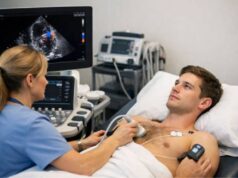
Step 2: Echocardiography (heart ultrasound)
Echo can reveal vegetations, valve leaks, or abscesses.
- Transthoracic echo (TTE) is noninvasive and often the first test.
- Transesophageal echo (TEE) places a probe in the esophagus for clearer images and is especially important for prosthetic valves, device leads, or when TTE is nondiagnostic.
If the first echo is negative but suspicion remains high, repeating imaging after a short interval is common.
Step 3: Additional imaging and labs
In complicated cases, teams may use other imaging to detect abscesses, prosthetic valve infection, or emboli in other organs. Blood tests (inflammation markers, kidney function, blood counts) help assess severity and guide safe antibiotic dosing.
Step 4: Clinical criteria and “culture-negative” cases
Clinicians often use structured criteria (such as modified Duke-type frameworks) that combine:
- Positive blood cultures or evidence of an organism
- Echo or imaging evidence of valve involvement
- Clinical features (fever, emboli, predisposition, immune findings)
Culture-negative endocarditis can occur when antibiotics were given early, when fastidious bacteria are involved, or with fungal infection. In these cases, specialized blood tests, molecular testing, and careful exposure history (animals, travel, homelessness, injection drug use) become more important.
A practical insight: diagnosis is often a team sport
The best outcomes usually come from coordinated care—cardiology, infectious diseases, cardiac surgery, microbiology, and imaging working from a shared plan—because the key decisions (which antibiotic, when to operate, how to prevent emboli) are tightly linked.
Treatment and what to expect
Treatment aims to (1) eradicate the infection, (2) prevent emboli and organ damage, and (3) repair or replace damaged heart structures when needed. Most patients require hospital care at least initially.
Antibiotics: targeted, high-dose, and long enough
Because germs hide within clumps of fibrin and platelets on valves, therapy typically requires IV antibiotics for weeks. The exact plan depends on the organism, valve type (native vs prosthetic), kidney function, and complications.
General expectations:
- Doctors start with empiric antibiotics after cultures if the situation is urgent.
- Once culture results return, therapy is narrowed to the most effective regimen.
- Treatment commonly lasts 4–6 weeks, sometimes longer for prosthetic valves, abscesses, or certain organisms.
- Regular labs monitor kidney function, drug levels (for some antibiotics), and inflammation markers.
In selected stable patients with uncomplicated disease and good support, clinicians may transition part of therapy to outpatient IV treatment or carefully chosen oral regimens, but this is not appropriate for everyone.
Surgery: when antibiotics are not enough
Heart surgery is not rare in endocarditis. It may be recommended to:
- Treat heart failure caused by severe valve leak or obstruction
- Remove infected tissue when infection is uncontrolled (persistent bacteremia, abscess, resistant organisms)
- Reduce embolism risk when large vegetations persist, especially after an embolic event
- Address prosthetic valve dysfunction or infected repair material
Timing can be urgent. Surgery decisions weigh neurological status, bleeding risk, and the danger of waiting.
Device-related endocarditis: removal is often essential
If a pacemaker/ICD lead or other cardiac hardware is infected, antibiotics alone frequently fail because bacteria form biofilms on surfaces. Many patients need:
- Complete device and lead extraction
- Antibiotics guided by cultures
- Re-implantation later if still needed, often on the opposite side or with an alternative approach
Supportive care and monitoring
Treatment is not just antibiotics. Common supportive elements include:
- Diuretics and heart-failure management if valves are leaking
- Stroke evaluation and rehabilitation if neurological events occur
- Monitoring for kidney injury, anemia, and medication side effects
- Repeat echocardiography to confirm improvement or detect complications
What recovery can look like
Recovery varies. Some people return to baseline after therapy; others have persistent fatigue for months. If a valve is damaged, long-term cardiology follow-up is essential—even if infection is cured—because valve problems can progress silently.
Management, prevention, and when to seek care
After endocarditis—or if you are at higher risk—the goal shifts to reducing future bacteremia, catching problems early, and protecting heart function.
Daily prevention that matters most
For most people, the biggest risk reduction comes from basic habits rather than one-time precautions:
- Maintain excellent oral hygiene: brush, floss/interdental cleaning, and treat gum disease early.
- Do not ignore skin infections or wounds that are worsening.
- If you use injection drugs, seek harm-reduction services and treatment support; using sterile equipment reduces (but does not eliminate) risk.
- Keep chronic conditions controlled (diabetes, skin disorders) that raise infection risk.
Antibiotic prophylaxis: who may need it
Some people at the highest risk of severe outcomes may be advised to take antibiotics before certain dental procedures. This typically applies to individuals such as:
- Those with prosthetic heart valves or valve repair material
- Those with prior infective endocarditis
- Certain high-risk congenital heart conditions
Prophylaxis is not meant for everyone, and it is not used for routine cleanings in many lower-risk situations. The decision is individualized, balancing benefits against antibiotic side effects and resistance.
Follow-up after treatment
After completing therapy, many clinicians recommend:
- A post-treatment visit to confirm symptom resolution and review labs
- Repeat echocardiography if there were significant valve findings, new murmurs, or persistent symptoms
- A clear plan for any future fevers: when to call, where to go, and what information to share
- Documentation you can carry (digital or paper) noting your history and valve/device details
When to contact a clinician quickly
Seek prompt medical advice (same day if possible) if you are high-risk and develop:
- Fever lasting more than 24–48 hours without a clear explanation
- New chills, night sweats, or unexplained fatigue that keeps worsening
- New shortness of breath, swelling, or reduced exercise capacity
- Any symptom suggesting stroke or emboli (sudden weakness, speech trouble, vision change, severe headache)
A practical “one-sentence” message for urgent care
If you have a prosthetic valve, prior endocarditis, a congenital defect, or a cardiac device, it helps to say: “I’m high-risk for endocarditis, and I have persistent fever,” because it often changes how quickly cultures and echocardiography happen.
References
- 2023 ESC Guidelines for the management of endocarditis 2023 (Guideline)
- Guidelines for Diagnosis and Management of Infective Endocarditis in Adults: A WikiGuidelines Group Consensus Statement 2023 (Guideline/Consensus)
- Infective endocarditis 2024 (Review)
- Native valve, prosthetic valve, and cardiac device-related infective endocarditis: A review and update on current innovative diagnostic and therapeutic strategies 2022 (Review)
- Endocarditis prevention: time for a review of NICE guidance 2024 (Review)
Disclaimer
This article is for general educational purposes and does not replace medical advice, diagnosis, or treatment from a licensed clinician. Endocarditis can become life-threatening quickly. If you have symptoms that could suggest a stroke (sudden weakness, trouble speaking, vision loss), severe shortness of breath, chest pain, fainting, or rapidly worsening confusion, seek emergency care immediately. For persistent fever—especially if you have a prosthetic valve, previous endocarditis, congenital heart disease, or a cardiac device—contact a healthcare professional promptly for evaluation.
If you found this article helpful, please consider sharing it on Facebook, X (formerly Twitter), or any platform you prefer, and follow us on social media. Your support through sharing helps our team keep producing trustworthy health content.