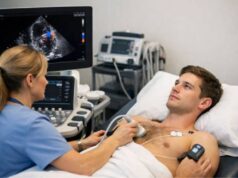
Endomyocardial fibrosis is a long-term heart condition in which a tough, scar-like layer forms inside one or both lower chambers of the heart. Over time, this lining can stiffen the heart so it cannot relax and fill normally. This pattern is called restrictive cardiomyopathy (a “stiff-heart” filling problem). The result is often slow, progressive heart failure symptoms—especially swelling, breathlessness, and fatigue—sometimes paired with abnormal heart rhythms or blood clots.
Because endomyocardial fibrosis is uncommon in many countries and can mimic other causes of heart failure, diagnosis is frequently delayed. Yet early recognition matters: modern imaging can identify typical features, and targeted treatment can reduce complications and improve quality of life. This guide explains what the condition is, why it happens, who is at risk, what it feels like, how clinicians confirm it, and what treatment and day-to-day management usually involve.
Table of Contents
- What is endomyocardial fibrosis?
- What causes it and who is at risk?
- Symptoms and complications to watch for
- How doctors diagnose it
- Treatment options and what to expect
- Long-term management and when to seek care
What is endomyocardial fibrosis?
Endomyocardial fibrosis (often shortened to EMF) is a disease where fibrous tissue—think of it as internal scarring—builds up along the inner lining of the heart (the endocardium). The scarring most often involves the inflow portion and the tip (apex) of the right ventricle, the left ventricle, or both. As the scar layer thickens, it can partially “seal off” the apex and reduce the chamber’s usable volume. The heart may still squeeze reasonably well in early stages, but it struggles to relax and fill. That mismatch—good squeeze, poor fill—is one reason people can feel very short of breath despite a “normal” pumping number on a test.
How EMF changes heart function
EMF typically causes a restrictive filling pattern:
- The ventricles become stiff, so they fill quickly at first, then stop filling too soon.
- Pressure builds up behind the ventricles, enlarging the atria (upper chambers).
- Fluid backs up into the lungs (left-sided disease) or into the liver and abdomen (right-sided disease).
In many people, the disease also affects the heart valves indirectly. When the ventricle becomes shortened or distorted, the supporting structures of the mitral valve (left side) or tricuspid valve (right side) can be pulled out of position. That can cause significant valve leakage (regurgitation), which adds to congestion and fatigue.
Common patterns: right, left, or both
Clinicians often describe EMF by where it predominates:
- Right-sided EMF: more swelling of legs, abdominal fullness, liver congestion, and fluid in the belly (ascites).
- Left-sided EMF: more breathlessness, reduced exercise tolerance, and fluid in the lungs.
- Biventricular EMF: a combination, often with earlier and more severe symptoms.
Another important feature is clot risk. The irregular inner surface and low-flow pockets near an obliterated apex can promote mural thrombus (clot stuck to the wall). This is a key reason doctors pay attention to anticoagulation decisions in confirmed EMF.
What causes it and who is at risk?
No single cause explains all cases of EMF. Most experts view it as a final pathway—scarring triggered by one or more exposures in a susceptible person—rather than a single, uniform disease. Where you live, your lifetime exposures, and your medical history strongly shape which causes are most likely.
Geography and socioeconomic risk
Classic EMF is most strongly associated with low-income equatorial regions, with clusters historically reported in parts of sub-Saharan Africa, South Asia, and some areas of South America. Risk tends to rise with factors that increase chronic inflammatory burden and reduce access to early care, such as persistent parasitic exposure, food insecurity, and untreated infections. Importantly, people can move: a patient living in a high-income country today may have acquired risk earlier in life elsewhere.
Proposed triggers and associations
Several contributors have been repeatedly observed, though proof varies:
- Parasitic and chronic infections: Long-standing helminth exposure has been linked to EMF in case series and regional studies. One proposed mechanism is prolonged immune activation and tissue injury that later heals with scarring.
- Eosinophilia and hypereosinophilic syndromes: In some individuals—more often outside endemic regions—high eosinophil levels can injure the endocardium. Over months to years, inflammation can transition into fibrosis. This pathway overlaps with eosinophilic endocarditis (often discussed alongside Löffler endocarditis), but EMF can represent a later-stage, scarring-dominant picture.
- Nutrition and micronutrients: Diet-related hypotheses include low protein intake and micronutrient imbalance. These may not “cause” EMF alone but could amplify vulnerability to infection and inflammation.
- Genetic susceptibility: Familial clustering has been reported in some settings, suggesting genes may influence immune response, tissue healing, or vulnerability to specific exposures.
- Autoimmune or inflammatory pathways: Some cases show inflammatory features early on, though a consistent autoimmune signature has not been established.
Who is most likely to develop clinically significant disease?
People at higher risk of symptomatic EMF often share one or more of the following:
- Childhood or long-term residence in endemic regions, especially with limited access to preventive care
- Repeated untreated parasitic infections or persistent eosinophilia
- A history of unexplained right-sided heart failure signs (ascites, leg swelling) at a relatively young age
- Prior episodes of clot, stroke-like symptoms, or atrial fibrillation without a clear alternative explanation
Because EMF can be silent for years, risk recognition often comes from combining a person’s background with targeted imaging findings.
Symptoms and complications to watch for
EMF symptoms usually develop gradually, but they can accelerate when valve leakage worsens, atrial fibrillation begins, or a clot forms. Many symptoms reflect fluid congestion rather than pain, which can lead people to normalize them for too long.
Early and common symptoms
Symptoms vary by which ventricle is most affected:
- Breathlessness on exertion that slowly progresses to breathlessness with routine activity
- Reduced exercise tolerance and easy fatigue
- Swelling of ankles and legs, often worse at day’s end
- Abdominal bloating or fullness, sometimes with early satiety (feeling full quickly)
- Unexplained weight gain from fluid retention
- Palpitations (awareness of heartbeat), especially if atrial fibrillation develops
In right-sided disease, ascites may become prominent. People sometimes notice they need looser clothing around the waist, or they feel pressure under the ribs from an enlarged, congested liver.
Complications that change the urgency
Several complications carry higher immediate risk:
- Atrial fibrillation or flutter: Enlarged atria make rhythm problems more likely. These rhythms can worsen breathlessness and substantially increase stroke risk.
- Blood clots: A clot can form inside the ventricle or atrium and travel, causing stroke or other organ injury. This risk rises with atrial fibrillation, severe atrial enlargement, and visible thrombus on imaging.
- Valve dysfunction: Mitral or tricuspid regurgitation can become severe, pushing symptoms from “manageable” to “debilitating.”
- Pulmonary hypertension: Long-term high pressures behind the left heart can raise lung artery pressures, adding strain to the right ventricle.
- Protein-losing enteropathy (in some advanced right-sided cases): Severe venous congestion can affect the gut, leading to low albumin, swelling, and poor nutrition.
- Arrhythmic events and syncope: Fainting, near-fainting, or sustained rapid rhythms should be treated as urgent.
Red flags: when to seek emergency evaluation
Call emergency services if any of the following occur:
- Sudden face droop, arm weakness, speech difficulty, or new confusion (possible stroke)
- Chest pain with sweating, severe breathlessness, or fainting
- Rapid heartbeat with dizziness or blackout
- Severe shortness of breath at rest, or waking up gasping for air
- One-sided painful leg swelling (possible deep vein thrombosis)
Even without a confirmed diagnosis, these symptoms warrant urgent assessment because EMF complications overlap with other life-threatening conditions.
How doctors diagnose it
Diagnosing EMF is a process of pattern recognition—combining history, exam, and imaging—while ruling out more common causes of restrictive or congestive heart failure. In many cases, a high-quality echocardiogram is the turning point.
Clinical evaluation and basic tests
A clinician will usually start with:
- Detailed travel/residence history (especially childhood), infection exposures, and prior episodes of eosinophilia
- Physical exam focusing on fluid overload signs: neck vein pressure, leg swelling, liver enlargement, ascites, and lung crackles
- Electrocardiogram (ECG) to look for atrial fibrillation, conduction abnormalities, or atrial enlargement clues
- Chest X-ray for heart size, lung congestion, or pleural effusions
- Blood tests tailored to the presentation, commonly including:
- Complete blood count (looking for eosinophilia, anemia)
- Kidney and liver function (important for diuretic safety and congestion effects)
- BNP/NT-proBNP (markers that often rise with heart strain)
- Screening for secondary contributors when relevant (thyroid function, iron studies, inflammatory markers)
Echocardiography: the cornerstone test
Echocardiography can show hallmark EMF features:
- Apical obliteration or reduced ventricular cavity size
- Endocardial thickening, sometimes with calcification echoes
- Very enlarged atria, sometimes out of proportion to ventricular size
- Restrictive filling pattern on Doppler (rapid early filling with shortened deceleration time)
- Moderate-to-severe mitral or tricuspid regurgitation
- Mural thrombus (seen as a mass, often near the apex)
Echocardiography also helps clinicians separate EMF from constrictive pericarditis, hypertrophic cardiomyopathy, and other causes of stiffness.
Cardiac MRI and advanced imaging
When available, cardiac MRI (CMR) adds critical detail:
- Tissue characterization that can highlight subendocardial fibrosis
- More confident differentiation between thrombus and tumor
- Better mapping of disease extent for surgical planning
- Assessment of both ventricles and valve apparatus in one study
CT can be useful when calcification is suspected or when MRI cannot be performed. In selected cases, cardiac catheterization is used to clarify hemodynamics—especially when clinicians must distinguish restrictive cardiomyopathy from constrictive pericarditis, since treatment pathways differ.
Biopsy and special testing
Endomyocardial biopsy is not required in every case, but it may be used when diagnosis remains uncertain or when clinicians suspect an active inflammatory or eosinophilic process that could change treatment. If eosinophilia is present, clinicians may evaluate for secondary causes (parasitic infection testing where appropriate, medication review, allergy evaluation) and, in persistent marked eosinophilia, consider specialized hematology testing.
Treatment options and what to expect
Treatment has two goals: relieve congestion and prevent complications, while also considering whether an intervention can change the disease course. Because EMF is often diagnosed late—after scarring is established—many treatments are supportive. Still, thoughtful therapy can make a major difference in symptoms and safety.
Medical treatment for symptoms
Most people need a heart-failure regimen tailored to restrictive physiology:
- Diuretics to reduce fluid overload (often the main symptom-relief tool). Doses are adjusted carefully because overly aggressive diuresis can drop filling pressures too much and worsen fatigue or kidney function.
- Salt reduction as a practical, daily support for diuretic effectiveness.
- Rate control medications (such as beta-blockers) when atrial fibrillation or rapid heart rates worsen filling.
- Management of anemia, low albumin, and malnutrition when present, since these can amplify breathlessness and swelling.
In restrictive diseases, some medications used broadly in other heart failure types may help selected patients but are not universally beneficial. Clinicians individualize therapy based on blood pressure, kidney function, rhythm, and whether systolic function is preserved.
Anticoagulation and clot prevention
Stroke and systemic embolism risk can be substantial in EMF, particularly with atrial fibrillation, very enlarged atria, or visible thrombus. Anticoagulation decisions depend on:
- Rhythm (atrial fibrillation strongly favors anticoagulation unless contraindicated)
- Evidence of ventricular or atrial thrombus
- Bleeding risk (history of bleeding, falls, severe liver disease, low platelets)
- Access to monitoring (important when warfarin is used)
Clinicians also address reversible drivers: dehydration, prolonged immobility, and uncontrolled rapid rhythms can increase clot risk.
Treating an active eosinophilic or infectious contributor
If a patient has active eosinophilic disease (high eosinophils with evidence of ongoing tissue injury), early anti-inflammatory therapy may be considered to reduce further damage. When eosinophilia is driven by a specific cause—such as a parasite or a hematologic disorder—treating that cause is crucial. The key point is timing: therapy is more likely to help when inflammation is active, not after dense fibrosis is established.
Surgery and advanced therapies
For selected patients with advanced, symptomatic EMF—especially with severe valve regurgitation—surgery may offer the most meaningful improvement. Procedures can include:
- Endocardectomy/decortication: surgical removal of fibrotic endocardial tissue to improve ventricular filling.
- Valve repair or replacement: often tricuspid and/or mitral, depending on involvement.
- Thrombus removal when clot burden is high and anatomy allows.
Surgery is complex and carries higher risk than routine valve operations because the disease distorts heart anatomy and patients may be fragile. Outcomes depend heavily on surgical experience, disease extent, and preoperative condition.
When symptoms remain severe despite maximal therapy and anatomy is unsuitable for corrective surgery, heart transplantation may be considered in carefully selected cases where it is feasible and safe.
Long-term management and when to seek care
Living well with EMF usually means building a clear routine: monitoring fluid status, protecting heart rhythm, preventing clots, and keeping follow-up consistent. Because symptoms can drift slowly, structured self-checks often catch trouble earlier than “waiting to feel worse.”
Practical daily management
Many clinicians recommend a simple plan:
- Daily weight tracking (same time each day). A gain of about 1–2 kg over a few days can signal fluid retention before swelling is obvious.
- Salt awareness rather than perfection. Packaged soups, processed meats, cheeses, and restaurant meals are common sources of hidden salt.
- Medication consistency with a written schedule. Diuretics and anticoagulants are especially sensitive to missed doses.
- Fluid strategy individualized to symptoms, kidney function, and climate. Some people need limits; others need to avoid dehydration because low filling can worsen fatigue.
- Activity pacing: Short, frequent walks or low-impact exercise can maintain conditioning. Overexertion that triggers prolonged breathlessness is a sign to scale back and ask for guidance.
Follow-up that actually reduces risk
Regular monitoring typically includes:
- Periodic echocardiograms to track valve leakage, chamber size, and clot risk
- Rhythm checks (ECG, ambulatory monitors if palpitations occur)
- Kidney function and electrolytes, especially potassium and sodium, because diuretics can shift both
- Review of anticoagulation safety: bruising, bleeding, drug interactions, and—if applicable—INR checks
If surgery is part of the plan, follow-up becomes even more structured, often including imaging to plan timing and evaluate candidacy.
Prevention: what can still be prevented?
Even though existing fibrosis cannot usually be “melted away,” prevention still matters in three ways:
- Prevent progression by treating active drivers (ongoing eosinophilia, untreated infections) when present.
- Prevent complications (clots, arrhythmias, malnutrition) through monitoring and early intervention.
- Prevent decompensation by recognizing fluid overload early and adjusting therapy promptly.
For people in or from endemic areas, preventive care also includes appropriate parasite control strategies, safe water and sanitation measures where possible, and addressing nutritional gaps—especially protein adequacy—when resources allow.
When to call your clinician vs. seek urgent care
Contact your clinician promptly if you notice:
- Increasing swelling, new abdominal bloating, or a steady weight rise over several days
- New or worsening breathlessness with routine tasks
- Palpitations that persist, especially with lightheadedness
- Reduced urine output, severe thirst, or confusion (possible dehydration or electrolyte imbalance)
Seek emergency evaluation for the red flags listed earlier—stroke symptoms, fainting, severe breathlessness at rest, or chest pain with systemic symptoms—because EMF complications can become life-threatening quickly.
References
- Endomyocardial fibrosis: recent advances and future therapeutic targets 2025 (Review)
- A Narrative Review on Endomyocardial Fibrosis: Unraveling an Under-Recognized Tropical Heart Disease 2025 (Review)
- Parasitic infections and the development of endomyocardial fibrosis: systematic review of case reports and case series 2025 (Systematic Review)
- Endomyocardiofibrosis: A Systematic Review 2021 (Systematic Review)
Disclaimer
This article is for educational purposes and does not replace personalized medical advice, diagnosis, or treatment. Endomyocardial fibrosis can overlap with other serious heart conditions, and care decisions (including anticoagulation, diuretic dosing, and suitability for surgery) depend on your symptoms, test results, and overall health. If you think you may be having a medical emergency—such as stroke symptoms, severe breathing trouble, fainting, or chest pain—seek urgent care immediately.
If you found this article helpful, please consider sharing it on Facebook, X (formerly Twitter), or any platform you prefer, and follow us on social media. Your support through sharing helps our team keep producing clear, trustworthy health content.