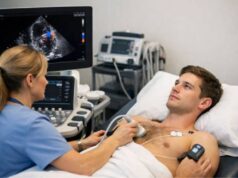
Endomyocardial infarction describes damage that starts in the heart’s inner lining and can extend into the heart muscle. In practice, clinicians most often use more familiar terms like subendocardial infarction (a pattern of heart attack affecting the inner layer) or endomyocardial injury when the inner surface is harmed by inflammation and clot formation. Either way, the stakes are similar: injured tissue can weaken pumping, trigger dangerous rhythms, and create clots that may travel to the brain or other organs.
This article explains what the condition means in everyday terms, why it happens, how it feels, and how doctors confirm it. You’ll also learn what treatments aim to do in the first hours and days, and what long-term management looks like when you’re rebuilding heart health and preventing another event.
Table of Contents
- What it is and what it damages
- Causes and risk factors that matter
- Symptoms and complications to watch for
- How it’s diagnosed and staged
- Treatment options and what to expect
- Living well after endomyocardial infarction
What it is and what it damages
Think of the heart wall as layers. The inner surface is where blood flows across a smooth lining, and just beneath it is a dense layer of muscle that works hardest when the heart squeezes. That inner zone is also the first to suffer when oxygen delivery drops, because it sits farthest from the surface coronary blood supply and is under the greatest pressure during each heartbeat.
“Endomyocardial infarction” is not a single, universally standardized label. It is usually used in two overlapping ways:
- An inner-layer heart attack pattern (subendocardial infarction): the injury affects the inner portion of the muscle rather than the full thickness of the wall. This commonly shows up as a non–ST-elevation heart attack pattern on an ECG, though the ECG alone cannot define the depth of damage.
- Endomyocardial injury from inflammation and clotting: certain inflammatory conditions can injure the lining and the adjacent muscle, leading to roughened surfaces, mural thrombus (clot stuck to the wall), and later scarring that can stiffen the ventricle. In these cases, coronary arteries may be normal or only mildly narrowed.
Why the distinction matters: treatment still focuses on saving threatened tissue, stabilizing rhythm and blood pressure, preventing clots, and treating the root cause. But the “root cause” differs. A supply blockage in a coronary artery calls for rapid restoration of blood flow. A supply–demand imbalance (for example, severe anemia or fast arrhythmia) calls for fixing that imbalance. A lining-damaging inflammatory disease calls for targeted anti-inflammatory or disease-specific therapy plus careful clot prevention.
What damage can follow?
Endomyocardial injury can lead to:
- Reduced pumping strength or, just as importantly, poor relaxation (the heart becomes stiff).
- Electrical instability, causing palpitations, fainting, or life-threatening rhythms.
- Clot formation on the damaged inner surface, raising stroke or limb-ischemia risk.
- Scarring that may permanently reduce exercise tolerance or trigger chronic heart failure symptoms.
The good news is that early recognition often limits how much heart function is lost—and long-term outcomes improve when the underlying trigger is identified quickly and treated precisely.
Causes and risk factors that matter
Most cases trace back to one central problem: the inner heart wall does not get enough oxygen for long enough, or it is directly injured and then complicated by clotting. The pathways to that point differ, and understanding them helps clinicians choose the right tests and treatments.
Common cause: coronary blood flow problem
The classic route is reduced coronary blood flow from plaque and clot. Even when the entire wall does not die, the inner layer may infarct first. Triggers include:
- Plaque rupture with clot formation in a coronary artery
- Severe narrowing in multiple vessels that limits “reserve” during exertion or illness
- Coronary spasm (sudden squeezing of the artery)
- A clot that travels to a coronary artery (embolus)
- A tear in the artery wall (dissection), sometimes in younger patients
Also common: oxygen supply–demand mismatch
Sometimes the arteries are not abruptly blocked, but the heart’s oxygen needs outpace what the body can deliver. This can injure the inner layer in a “patchy” way. Common drivers include:
- Rapid or sustained abnormal rhythms (very fast atrial fibrillation, for example)
- Severe anemia or major bleeding
- Low oxygen levels from lung disease
- Sepsis or severe infection with low blood pressure
- Uncontrolled high blood pressure with a strained, thickened heart muscle
Less common but important: endomyocardial injury from systemic disease
Certain conditions can injure the lining and adjacent muscle directly and promote clotting:
- Marked eosinophilia-related disorders (a specific pattern of white blood cell elevation)
- Drug reactions or allergic-type inflammatory heart injury
- Some autoimmune or inflammatory disorders
- Certain infections or parasitic diseases (depending on geography and exposures)
In these scenarios, the risk is not only acute injury but also progression to stiff, scarred heart tissue and recurrent clot formation.
Risk factors you can modify
Even when a rare trigger is involved, overall cardiovascular resilience matters. Modifiable risks include:
- Smoking or vaping nicotine
- High LDL cholesterol
- High blood pressure
- Diabetes or insulin resistance
- Obesity and low fitness
- Untreated sleep apnea
- Stimulant drug exposure (including some illicit substances)
If you already have coronary disease or prior heart injury, any major stressor—fever, dehydration, severe pain, or uncontrolled thyroid disease—can push oxygen balance the wrong way. That is why prevention plans often include both heart-specific medications and practical “safety rails” for illness and exertion.
Symptoms and complications to watch for
Endomyocardial infarction can look like a typical heart attack, but it can also be quieter—especially in older adults, people with diabetes, and some women. The safest approach is to treat suspicious symptoms as urgent until proven otherwise.
Early symptoms
Common warning signs include:
- Chest pressure, tightness, or burning that lasts more than 10–15 minutes, or returns in waves
- Shortness of breath at rest or with minimal activity
- Sweating, nausea, or a sudden “unwell” feeling that is hard to explain
- Pain spreading to the jaw, neck, back, or one or both arms
- Unusual fatigue or weakness that is out of proportion to the situation
- Lightheadedness or near-fainting
If the underlying cause is supply–demand mismatch, symptoms may start during fever, severe stress, dehydration, or a fast heartbeat episode rather than during exertion alone.
Symptoms that suggest complications
Seek urgent care (often emergency care) if any of the following appear:
- Fainting, severe dizziness, or new confusion
- Palpitations with chest discomfort or breathlessness
- Sudden worsening swelling in the legs or rapid weight gain over 1–3 days
- Pink, frothy sputum or severe breathlessness when lying flat
- New weakness on one side, trouble speaking, facial droop, or sudden vision loss (possible stroke)
- A cold, painful limb with color change (possible arterial blockage)
Why the inner-layer pattern can still be dangerous
A “non–full-thickness” infarct can sound less serious than a classic full-thickness heart attack, but it can still cause:
- Heart failure (from weakened pump function or stiffening)
- Arrhythmias (including dangerous ventricular rhythms)
- Mechanical problems (worsened valve leakage due to papillary muscle involvement)
- Clots inside the heart if the lining is roughened or the ventricle does not squeeze well
- Recurrent injury if the trigger is not addressed (ongoing anemia, uncontrolled rhythm, active inflammatory disease)
One practical takeaway: symptom intensity does not reliably predict risk. Some high-risk events start with mild discomfort, while some severe pain comes from non-cardiac causes. That is why rapid evaluation matters more than guessing at home.
How it’s diagnosed and staged
Diagnosis is less about a single test and more about building a consistent story: symptoms + heart injury markers + electrical changes and imaging—then identifying the cause so treatment matches the mechanism.
First-line evaluation (minutes to hours)
In urgent settings, clinicians typically focus on:
- ECG (electrocardiogram): looks for signs of ischemia or injury. Inner-layer infarction often shows ST-segment depression, T-wave inversion, or subtle changes, but patterns vary.
- Blood tests for heart injury: serial measurements are key because a rise and/or fall pattern helps distinguish acute injury from chronic elevation.
- Basic labs that reveal triggers: anemia, infection markers, kidney function, electrolytes, thyroid function, and sometimes clotting markers.
- Chest imaging and oxygen assessment when breathing symptoms dominate.
Clinicians also quickly assess stability: blood pressure, oxygen level, signs of shock, and rhythm disturbances.
Imaging that clarifies “where” and “why”
Common tools include:
- Echocardiogram (ultrasound): checks pumping strength, wall-motion abnormalities, valve function, and whether there are clots or fluid around the heart.
- Coronary imaging: depending on risk level, this may be invasive angiography or a CT-based approach to look for major blockages, spasm, dissection, or clot.
- Cardiac MRI: especially helpful when the question is “heart attack vs inflammation” or when the coronary arteries do not show a clear culprit. MRI can map scar patterns and edema and can highlight inner-layer injury.
When doctors look for non-coronary causes
If coronary arteries are not clearly blocked—or if the clinical picture suggests a systemic trigger—clinicians may pursue:
- Eosinophil count trends and testing for causes of persistent eosinophilia
- Medication and supplement review (including recent antibiotics or new drugs)
- Autoimmune and inflammatory screening where appropriate
- Infectious workup guided by travel, exposures, and symptoms
Role of endomyocardial biopsy
Biopsy is not routine for most heart attacks. It is considered when a treatable inflammatory cause is suspected, when symptoms are severe or rapidly progressive, or when diagnosis remains uncertain despite imaging. The goal is to identify patterns (such as eosinophilic inflammation) that change therapy dramatically.
Staging is often practical: acute event care, early recovery (weeks), and remodeling prevention (months). Each stage has different priorities—stabilize now, clarify cause soon, and prevent recurrence long-term.
Treatment options and what to expect
Treatment depends on whether the main problem is a blocked artery, an oxygen mismatch, or endomyocardial inflammation with clot risk. In real life, clinicians often treat urgently for the most dangerous possibilities first, then refine once test results return.
Acute care goals (first hours)
Core priorities include:
- Restore or protect oxygen delivery to the heart
- Rapid reperfusion when a coronary blockage is suspected and time-sensitive
- Oxygen and ventilatory support if levels are low
- Prevent clot growth and new clots
- Antiplatelet and/or anticoagulant strategies chosen to balance bleeding risk
- Reduce the heart’s workload
- Pain control, blood pressure stabilization, and heart-rate control
- Prevent rhythm-related collapse
- Monitoring for dangerous arrhythmias; targeted rhythm treatment when needed
What patients often notice in this phase: frequent reassessments, repeated ECGs, repeat blood draws over several hours, and early imaging.
When coronary blockage is the driver
If coronary disease is responsible, treatment commonly includes a combination of:
- An antiplatelet plan (often dual therapy for a period of time)
- A cholesterol-lowering plan with high-intensity therapy
- Beta-blockers when safe and appropriate
- ACE inhibitor/ARB (or similar) especially if blood pressure, diabetes, or reduced pumping function is present
- A structured cardiac rehabilitation referral once stable
When supply–demand mismatch is the driver
Here the key is correcting the imbalance:
- Treat infection or sepsis promptly
- Correct severe anemia or stop active bleeding
- Control fast rhythms and stabilize blood pressure
- Address oxygen problems (asthma/COPD flare, pneumonia, pulmonary embolism, etc.)
The heart medications may overlap with coronary-driven cases, but clinicians emphasize treating the underlying stressor because that is the “spark” for injury.
When endomyocardial inflammation and clotting are suspected
If an inflammatory pattern is likely—especially with marked eosinophilia—management may include:
- Targeted anti-inflammatory therapy (often corticosteroid-based early, with disease-specific adjustments)
- Anticoagulation if there is mural thrombus, high clot risk, or certain imaging findings
- Heart failure therapy if pumping or relaxation is impaired
- In advanced scarring with severe valve leakage or restrictive physiology, specialized surgical options may be discussed in selected cases
What recovery typically involves
Recovery plans often include:
- A medication schedule with clear “why” for each drug
- Follow-up testing (repeat echo, sometimes repeat MRI)
- A graded return to activity, usually through structured rehab
- A prevention plan that targets both heart risk and the specific trigger found during evaluation
If you leave the hospital without a clear cause, insist on a follow-up pathway. Unexplained endomyocardial injury deserves a second look, because missed triggers can mean preventable recurrence.
Living well after endomyocardial infarction
Long-term management is where the biggest differences in outcomes often happen. The goal is not only to avoid another event, but also to help the heart heal in the best shape possible.
Medication habits that protect the heart
Practical strategies that improve adherence:
- Use a weekly pill organizer and a single “med time” routine
- Keep an updated medication list in your phone and wallet
- Ask your clinician which medications are “lifelong,” which are “for a period,” and what signs mean you should call (for example, dizziness, bleeding, severe fatigue, or swelling)
- Never stop blood thinners or antiplatelet drugs without medical advice unless you are having dangerous bleeding
Rehabilitation and activity
A structured rehab program typically helps you:
- Rebuild aerobic capacity safely
- Monitor symptoms and blood pressure response
- Learn pacing strategies (especially after fatigue-heavy recoveries)
- Address fear of exertion, which is common after a heart event
A common target for many patients is gradual progression toward 150 minutes/week of moderate aerobic activity, adjusted for symptoms and clinician guidance. If myocarditis or inflammatory injury was part of the cause, return-to-sport timing may be more conservative and individualized.
Nutrition, sleep, and risk-factor control
High-yield steps include:
- Prioritize fiber-rich foods and minimize ultra-processed fats and sugars
- Limit alcohol if it worsens rhythm or blood pressure
- Aim for consistent sleep; treat snoring and daytime sleepiness (possible sleep apnea)
- Track home blood pressure (a few times per week) and weight (daily for a short period if heart failure is present)
If eosinophilia-related disease was involved, long-term care may also include:
- Regular blood count monitoring
- Trigger avoidance (medication allergies, specific exposures)
- Coordinated care between cardiology and hematology/immunology
When to seek urgent help
Call emergency services immediately for:
- Chest pressure or pain lasting more than 10–15 minutes, especially with sweating, nausea, or shortness of breath
- Fainting, severe weakness, or confusion
- Stroke-like symptoms (face droop, arm weakness, speech trouble)
- Severe breathlessness at rest or pink frothy sputum
Call your clinician promptly (same day or next day) for:
- New swelling, rapid weight gain, or worsening exercise tolerance
- Palpitations that persist or come with dizziness
- Unusual bruising or bleeding while on blood thinners
Living well after an endomyocardial infarction is often about consistency: steady medication use, a realistic activity plan, and follow-up that matches the suspected cause—not just the initial label.
References
- Eosinophilic Myocarditis: A Concise Review 2025 (Review)
- 2025 ESC Guidelines for the management of myocarditis and pericarditis 2025 (Guideline)
- World Health Organization and International Consensus Classification of eosinophilic disorders: 2024 update on diagnosis, risk stratification, and management – PubMed 2024 (Review/Consensus)
- Fourth universal definition of myocardial infarction. Selected messages from the European Society of Cardiology document and lessons learned from the new guidelines on ST-segment elevation myocardial infarction and non-ST-segment elevation-acute coronary syndrome – PMC 2021 (Review)
Disclaimer
This article is for general education and does not replace personalized medical care. Symptoms that may indicate a heart attack or serious heart complication require urgent evaluation, even if they seem mild or uncertain. Diagnosis and treatment choices depend on your history, exam, ECG findings, blood tests, imaging, and medication risks (including bleeding risk). If you think you may be having a heart attack or stroke, call emergency services immediately.
If you found this article helpful, please share it on Facebook, X (formerly Twitter), or any platform you prefer—and consider following us on social media. Your support through sharing helps our team keep producing high-quality, reliable health content.