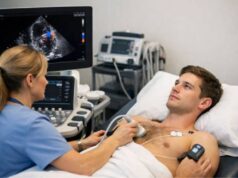
Endothelial dysfunction is a problem with the thin inner lining of your blood vessels. That lining helps arteries relax, keeps blood flowing smoothly, and signals when to form (or prevent) clots. When it stops working well, vessels become less flexible and more “irritable,” which can quietly raise the risk of heart attack, stroke, kidney disease, and complications from diabetes—often years before symptoms appear.
Many people never feel endothelial dysfunction directly. Instead, it shows up as high blood pressure, chest discomfort with exertion, poor exercise tolerance, erectile dysfunction, or slow wound healing. The good news is that the endothelium can recover. With the right mix of lifestyle changes, control of blood pressure and cholesterol, and targeted medications when needed, endothelial function often improves within weeks to months—and that improvement tracks with better long-term cardiovascular health.
Table of Contents
- What endothelial dysfunction means
- What causes it and who is at risk
- Symptoms and health risks
- How doctors diagnose it
- Treatments that improve endothelial function
- Management, prevention, and when to seek care
What endothelial dysfunction means
Your endothelium is a single-cell-thick layer lining every artery, vein, and capillary. It acts like a “smart interface” between your blood and your tissues. In healthy vessels, the endothelium continuously senses blood flow and releases signals that:
- Relax or tighten the vessel wall to control blood pressure and delivery of oxygen
- Prevent excessive clotting while still allowing normal healing
- Reduce inflammation by discouraging white blood cells from sticking to vessel walls
- Limit oxidative damage and keep cholesterol particles from penetrating and triggering plaque
Endothelial dysfunction means that these protective functions weaken. A key feature is reduced availability of nitric oxide, a molecule that helps vessels widen and stay smooth. When nitric oxide signaling drops, arteries tend to constrict more easily, blood pressure rises, and the vessel wall becomes more prone to inflammation and clot formation. Over time, this environment accelerates atherosclerosis (plaque buildup) and makes plaques more likely to rupture.
It helps to think of endothelial dysfunction as an early, reversible stage of vascular disease rather than a single diagnosis you either “have” or “don’t have.” It can be mild and localized (for example, in coronary microvessels) or widespread (affecting multiple organ systems). It can also fluctuate: sleep loss, high blood sugar, smoking, and acute infections can worsen endothelial function for days to weeks, while exercise and improved metabolic control can strengthen it.
How it connects to everyday conditions
Endothelial dysfunction commonly sits underneath problems people recognize:
- High blood pressure that becomes harder to control
- Chest discomfort or shortness of breath with exertion despite “normal” large coronary arteries (microvascular angina)
- Erectile dysfunction (often a vascular signal, not only hormonal)
- Pregnancy complications such as preeclampsia (a specialized scenario with its own evaluation)
- Kidney disease progression, especially with diabetes or hypertension
Because it can start silently, prevention and early action matter. The most practical takeaway is this: improving endothelial health is not only about avoiding future disease—it can improve how you feel now by enhancing exercise tolerance, circulation, and blood pressure stability.
What causes it and who is at risk
Endothelial dysfunction rarely comes from one cause. More often, it results from repeated “hits” that strain the vessel lining until it shifts into a less protective state. Those hits fall into a few predictable buckets.
Metabolic stressors
High blood sugar and insulin resistance can directly impair nitric oxide signaling and increase oxidative stress. Over time, this promotes inflammation and stiffness in the vessel wall. Common contributors include:
- Prediabetes and type 2 diabetes
- Central obesity (excess abdominal fat)
- High triglycerides and low HDL cholesterol
- Fatty liver disease
Even short spikes in blood sugar after large refined-carbohydrate meals can temporarily worsen endothelial responsiveness. That is one reason consistency matters more than perfection: frequent large swings create repeated stress.
Blood pressure, cholesterol, and smoking
- High blood pressure increases mechanical strain on the endothelium and encourages remodeling that stiffens arteries.
- Elevated LDL cholesterol increases the chance that cholesterol particles enter the vessel wall and trigger inflammatory plaque formation.
- Smoking and nicotine exposure (including many vaping products) reduce nitric oxide availability and promote clot-friendly changes. The endothelium often begins improving within weeks after stopping, but the biggest gains come with sustained abstinence.
Inflammation and chronic conditions
Any long-term inflammatory state can impair endothelial function, including:
- Chronic kidney disease
- Autoimmune and inflammatory disorders (for example, rheumatoid arthritis or lupus)
- Obstructive sleep apnea (intermittent low oxygen and surges in blood pressure)
- Persistent stress and depression, partly through hormonal and behavioral pathways
Acute illness matters too. Severe infections, dehydration, and prolonged sleep loss can temporarily worsen endothelial function, which may help explain why some people notice higher blood pressure or worse exercise tolerance during and after illness.
Who is at highest risk?
Risk increases with age, but it is not “normal aging” alone. The highest-risk profiles typically include:
- Diabetes or metabolic syndrome
- Hypertension, especially if long-standing
- High LDL cholesterol or known atherosclerotic disease
- Smoking history
- Strong family history of early heart disease
- History of pregnancy-related hypertension disorders
- Chronic kidney disease
The encouraging part: the endothelium responds quickly to improved inputs. When someone addresses the major drivers—blood pressure, glucose control, activity, sleep, and smoking—the vessel lining often shows measurable improvement in weeks to months.
Symptoms and health risks
Endothelial dysfunction often has no obvious symptoms at first. Many people learn about it only after they develop high blood pressure, diabetes, or early plaque. Still, there are patterns that can suggest vascular health is slipping—especially when they appear together.
Possible early clues
These symptoms are not specific (they can have many causes), but they can be signals to check cardiovascular risk factors:
- Reduced exercise tolerance: getting winded sooner than expected
- Cold hands and feet, or slower warm-up during activity
- More frequent headaches or blood pressure variability
- Erectile dysfunction, particularly when it appears before other cardiovascular symptoms
- Slower wound healing or recurrent skin infections (often tied to glucose control as well)
Some people experience chest discomfort with exertion even when major coronary arteries do not show large blockages. In that situation, the issue may involve smaller vessels that do not dilate normally—sometimes called coronary microvascular dysfunction, which overlaps with endothelial dysfunction.
Complications that matter most
Endothelial dysfunction shifts the body toward a “pro-inflammatory, pro-thrombotic” state—meaning more inflammation and a higher tendency to clot. Over years, this can contribute to:
- Atherosclerosis progression and plaque instability
- Heart attack and stroke risk
- Worsening kidney function, particularly in diabetes and hypertension
- Peripheral artery disease (leg pain with walking, poor circulation)
- Vascular cognitive decline risk in later life, especially with uncontrolled blood pressure
It also interacts with daily health in subtle ways. Poor endothelial function can worsen blood pressure control, amplify salt sensitivity, and reduce the normal “after-meal” increase in blood flow to muscles and organs—leading some people to feel fatigue after eating or during sedentary periods.
When symptoms are urgent
Endothelial dysfunction itself is not an emergency, but the events it contributes to can be. Seek urgent medical evaluation for:
- Chest pressure, tightness, or pain lasting more than 10–15 minutes
- Shortness of breath at rest, fainting, or new confusion
- Sudden weakness on one side, facial droop, trouble speaking, or sudden vision loss
- A cold, painful limb with color change
A practical mindset is to treat endothelial dysfunction as a “risk amplifier.” It raises the chance that common triggers—dehydration, infection, extreme stress, or missed medications—tip the body into a dangerous cardiovascular event. That is why prevention plans focus on both long-term risk reduction and short-term stability during illness or high-stress periods.
How doctors diagnose it
In everyday clinical care, doctors do not always label “endothelial dysfunction” as a standalone diagnosis. Instead, they assess it indirectly through risk factors, symptoms, and the presence of vascular disease. In specialized settings, endothelial function can be measured more directly.
Clinical diagnosis: risk profile plus consequences
Most commonly, clinicians infer endothelial dysfunction when a person has a cluster such as:
- Hypertension, especially with metabolic syndrome
- Diabetes or insulin resistance
- High LDL cholesterol or established plaque
- Smoking history
- Early kidney disease or albumin in the urine
- Symptoms suggesting microvascular angina or peripheral artery disease
They then focus on aggressive control of the drivers, because the treatment approach is similar whether or not endothelial testing is performed.
Noninvasive tests that estimate endothelial function
When a more direct assessment is useful (for research, high-risk cases, unexplained symptoms, or monitoring response), common tools include:
- Flow-mediated dilation (FMD): ultrasound measurement of how a conduit artery widens in response to increased blood flow. Lower responsiveness suggests impaired endothelial signaling.
- Peripheral arterial tonometry (PAT) or similar pulse-wave methods: measures changes in pulse amplitude during reactive hyperemia (increased flow after temporary occlusion).
- Blood pressure and arterial stiffness measures: pulse wave velocity and augmentation index can reflect vascular stiffness and function, though they are not endothelium-specific.
These tests require careful technique and context. Results can vary with sleep, caffeine, recent exercise, meal timing, menstrual cycle phase, and medications. For the cleanest interpretation, clinicians standardize conditions: fasting state, no nicotine, controlled room temperature, and consistent timing.
Lab markers and imaging that support the picture
No single blood test “diagnoses” endothelial dysfunction. Instead, clinicians use labs to uncover causes and severity:
- Lipid panel, including non-HDL cholesterol
- Glucose measures (fasting glucose and HbA1c)
- Kidney function and urine albumin-to-creatinine ratio
- Inflammation markers when clinically appropriate
- Thyroid testing if symptoms suggest imbalance
Imaging tests, such as coronary calcium scoring or vascular ultrasound for plaque, do not measure endothelial function directly, but they show whether endothelial dysfunction has progressed into structural disease.
What diagnosis should accomplish
A useful diagnostic process answers three questions:
- How high is overall cardiovascular risk?
- Are symptoms consistent with vascular dysfunction that needs targeted evaluation?
- What is the most actionable driver to fix first (blood pressure, LDL, glucose, smoking, sleep apnea, or inflammation)?
That clarity is what turns the concept of endothelial dysfunction into a practical plan.
Treatments that improve endothelial function
The best treatments are the ones that address the true drivers. Because endothelial dysfunction is often reversible, the goal is to improve vessel responsiveness and reduce the inflammatory, clot-friendly environment that accelerates plaque.
Lifestyle interventions with the strongest impact
- Aerobic exercise: a common target is 150 minutes per week of moderate activity (or 75 minutes vigorous), plus 2 days per week of strength work. Many people see improvements in blood pressure and exercise tolerance within 4–8 weeks. If you are deconditioned, start with 10–15 minutes and build gradually.
- Weight reduction when appropriate: losing 5% to 10% of body weight often improves insulin resistance and blood pressure, which benefits endothelial function.
- Dietary pattern: focus on vegetables, legumes, nuts, fruit, fish, and unsaturated fats; reduce refined carbohydrates and ultra-processed foods. A practical sodium goal for blood pressure-sensitive people is often around 1,500 to 2,300 mg per day, individualized to tolerance and kidney status.
- Sleep and breathing: aim for 7–9 hours nightly. If loud snoring, choking awakenings, or daytime sleepiness are present, evaluation for sleep apnea can be a high-yield move.
Medications that often help (when indicated)
Medication choices depend on the person’s full risk profile, not endothelial testing alone:
- Statins and other LDL-lowering therapies reduce vascular inflammation and improve plaque stability; they are foundational when LDL is high or when atherosclerotic disease risk is elevated.
- Blood pressure medications that improve vascular biology, including ACE inhibitors or ARBs, are often favored when hypertension, diabetes, or kidney disease is present.
- Glucose-lowering medications with cardiovascular benefits may help endothelial function in people with type 2 diabetes, alongside diet and activity.
- Antiplatelet therapy is not used solely for endothelial dysfunction; it is reserved for specific risk categories where benefits outweigh bleeding risk.
What to avoid or use cautiously
- Nicotine in any form is a common endothelial “blocker,” even when someone otherwise exercises and eats well.
- Illicit stimulants and certain non-prescribed weight-loss or performance supplements can trigger vasospasm and acute vascular events.
- Over-the-counter anti-inflammatory drugs can raise blood pressure or strain kidneys in some people; discuss frequent use with a clinician.
How to tell if treatment is working
You do not need a specialized endothelial test to see progress. Practical markers include:
- Lower and more stable home blood pressure readings
- Improved fasting glucose and HbA1c (if relevant)
- Lower LDL and triglycerides
- Better exercise tolerance and recovery
- Reduced frequency of chest discomfort or exertional breathlessness (after appropriate evaluation)
The most effective approach is layered: lifestyle changes form the base, and medications add targeted protection when risk is higher or when lifestyle alone is not enough.
Management, prevention, and when to seek care
Managing endothelial dysfunction is less about a single “fix” and more about building a system that keeps your vascular lining in a healthy environment most days. The plan should be realistic, trackable, and designed around your biggest risk drivers.
A practical 12-week reset plan
Many people benefit from a time-limited, measurable approach:
- Movement: start with at least 30 minutes of walking (or equivalent) on most days. If time is tight, split into three 10-minute bouts.
- Food structure: build meals around protein and fiber first. Aim for a high-fiber pattern (often 25–35 g/day), using vegetables, beans, oats, chia/flax, and whole grains as tolerated.
- Blood pressure tracking: measure at home 3–5 times per week, seated, after 5 minutes of rest. Bring readings to appointments.
- Sleep protection: pick a consistent wake time and protect the last hour before bed from heavy meals, alcohol, and intense scrolling.
- Medication consistency: if you’re prescribed blood pressure or cholesterol medication, take it at the same time daily and refill early.
At 12 weeks, reassess what changed—energy, blood pressure, labs, and symptoms—and adjust the plan rather than abandoning it.
Prevention targets that often matter
Targets should be individualized, but common clinical goals include:
- Blood pressure in a controlled range (often below 130/80 mmHg for many high-risk adults, depending on tolerance and clinician guidance)
- LDL cholesterol lowered to a risk-appropriate goal (more aggressive targets for people with established cardiovascular disease)
- HbA1c and fasting glucose controlled for diabetes risk category
- No tobacco or nicotine exposure
When to seek medical evaluation
Schedule a clinician visit soon (within days to weeks) if you have:
- New exertional chest discomfort, breathlessness, or unexplained exercise intolerance
- Erectile dysfunction with other cardiovascular risk factors
- Persistently high home blood pressure readings (for example, repeated readings above 140/90 mmHg)
- Signs of sleep apnea (snoring, choking awakenings, daytime sleepiness)
Seek urgent care immediately for:
- Chest pressure or pain lasting more than 10–15 minutes
- Fainting, severe dizziness, or new confusion
- Stroke-like symptoms (weakness, facial droop, speech trouble)
- Severe shortness of breath at rest
Long-term outlook
Endothelial dysfunction is often improvable. The most consistent gains come from sustained routines, not extreme short bursts. If you treat it as a feedback-driven project—measure, adjust, repeat—you can meaningfully lower cardiovascular risk and often improve day-to-day stamina and well-being.
References
- Endothelial dysfunction: molecular mechanisms and clinical implications – PMC 2024 (Review)
- Endothelial Dysfunction: From Pathophysiology to Novel Therapeutic Approaches 2.0 – PMC 2025 (Review)
- The effect of exercise on flow-mediated dilation in people with type 2 diabetes mellitus: a systematic review and meta-analysis of randomized controlled trials – PMC 2024 (Systematic Review/Meta-analysis)
- 2021 ESC Guidelines on cardiovascular disease prevention in clinical practice – PubMed 2021 (Guideline)
Disclaimer
This content is for educational purposes and does not replace medical advice, diagnosis, or treatment from a licensed clinician. Endothelial dysfunction is a risk-related condition that overlaps with high blood pressure, diabetes, cholesterol disorders, and other diseases that require individualized care. If you have chest pain, shortness of breath at rest, fainting, or stroke-like symptoms, seek emergency help immediately. For personalized targets and medication decisions—especially if you are pregnant, have kidney disease, or take blood thinners—work with your healthcare team.
If this article helped you, please share it on Facebook, X (formerly Twitter), or any platform you prefer, and follow us on social media. Your support through sharing helps our team continue producing reliable, high-quality health content.