Endovascular thrombosis means a blood clot forms inside a blood vessel, blocking or reducing flow. Sometimes it happens “spontaneously” (for example, after long immobility or during severe illness). Other times it is linked to endovascular care—such as a clot forming in a stent (a tiny metal scaffold that keeps an artery open) or around a catheter.
What makes endovascular thrombosis so important is timing. A clot can threaten the heart, brain, lungs, intestines, or a limb within minutes to hours, yet the earliest warning signs can be subtle. The good news is that modern diagnosis is fast, and treatments—anticoagulants, clot-removal procedures, and device-specific fixes—can restore flow and prevent recurrence. This article explains the causes, who is at risk, what symptoms to take seriously, how clinicians confirm the diagnosis, and what treatment and long-term management typically look like.
Table of Contents
- What endovascular thrombosis is
- Causes and risk factors that trigger clots
- Symptoms and complications by location
- How it’s diagnosed fast and safely
- Treatment options and what to expect
- Long-term management, prevention, and when to seek care
What endovascular thrombosis is
Endovascular thrombosis is a clot that forms within the bloodstream and attaches to the vessel wall or a device inside the vessel. When it grows large enough, it narrows the channel for blood flow—or blocks it completely. The impact depends on where it happens and how quickly flow is lost.
Clot formation is often explained by three interacting forces:
- Slower or disrupted blood flow: blood that pools, swirls, or stagnates is more likely to clot.
- Vessel lining injury: damage to the inner lining makes the surface “stickier” for platelets and clotting proteins.
- A tendency to clot more easily: inherited traits, inflammation, cancer, hormones, dehydration, or certain medications can tip the balance.
This framework helps explain why endovascular thrombosis can follow both illness and procedures. A catheter can irritate a vein, a stent can be under-expanded or not fully apposed to the wall, and severe infection can activate clotting throughout the body.
Common “endovascular” scenarios
People often use this term to cover several overlapping problems:
- Arterial thrombosis: clot in an artery (heart, brain, limb arteries). This can cause sudden, severe symptoms because arteries deliver oxygen-rich blood under pressure.
- Venous thrombosis: clot in a vein (leg veins, pelvic veins, arm veins), including catheter-related thrombosis. Symptoms can build more slowly, but complications can be serious.
- Device-related thrombosis: clot forming on or within an endovascular device, such as:
- coronary stent thrombosis (a clot inside a heart stent)
- stent-graft thrombosis (in an aortic or peripheral graft)
- dialysis access or central line thrombosis
A useful distinction is acute versus chronic thrombosis. Acute thrombosis tends to be softer, more unstable, and more responsive to clot-dissolving or clot-removal strategies. Chronic thrombosis becomes organized and scar-like, sometimes requiring different approaches (angioplasty, stenting, bypass, or long-term anticoagulation depending on the situation).
The main takeaway: endovascular thrombosis is not one disease. It is a high-stakes event with multiple causes, and the right treatment depends on the vessel, the time course, and whether a device is involved.
Causes and risk factors that trigger clots
Most clots occur because several risk factors stack together rather than one single cause. Clinicians look for the “why now?” and the “why here?”—because preventing recurrence depends on both.
Risk factors that raise clotting tendency
These factors increase the body’s baseline readiness to clot:
- Recent surgery, trauma, or hospitalization, especially with reduced mobility
- Active cancer or cancer treatment
- Pregnancy and the first 6 weeks after delivery
- Estrogen exposure (some birth control pills or hormone therapy)
- Inflammatory states, such as severe infection, autoimmune disease flares, or major injury
- Dehydration (concentrates blood components and worsens sluggish flow)
- Inherited thrombophilias (genetic clotting tendencies), particularly when clots occur young or recur
Risk factors that injure the vessel lining
The inner lining normally resists clotting. Injury flips that script:
- Atherosclerosis and plaque rupture (a major driver of arterial thrombosis)
- High blood pressure and smoking, which damage vessel walls over time
- Catheters and wires, which can irritate veins and trigger local clotting
- Inflammation of the vessel wall (vasculitis or infection-related vascular inflammation)
Risk factors that slow or disrupt flow
Slower flow is a powerful trigger, especially in veins:
- Prolonged sitting or bed rest (long travel, illness, recovery)
- Heart failure or severe dehydration (reduced forward flow)
- Compression from a mass (tumor, enlarged lymph nodes) or anatomic narrowing
- Atrial fibrillation (can promote clot formation in the heart, which may then embolize)
Procedure- and device-related causes
Endovascular devices change flow patterns and create contact surfaces where clot can form. Common contributors include:
- Insufficient antiplatelet therapy after stent placement, or stopping it early without medical guidance
- Technical factors such as stent under-expansion, edge dissection, or poor device apposition
- Small vessel diameter, long lesions, or complex bifurcations, which increase turbulence and clot risk
- Catheter position and dwell time (the longer a catheter remains, the higher the local thrombosis risk in many settings)
- Dialysis access factors (repeated needle trauma and high-flow turbulence)
A practical, patient-centered point: many “unprovoked” clots have hidden triggers—recent long travel, unrecognized dehydration, missed antithrombotic doses, untreated sleep apnea, or an inflammatory illness. Identifying those triggers is not about blame; it is about choosing the safest duration of blood thinners and the most effective prevention plan.
Symptoms and complications by location
Symptoms depend on whether the clot blocks an artery or a vein, and on which organ is downstream. When in doubt, treat new, unexplained symptoms—especially sudden ones—as urgent until evaluated.
Arterial thrombosis symptoms
Arteries supply oxygen. When an artery clots, symptoms often start abruptly:
- Heart (coronary thrombosis or stent thrombosis):
- chest pressure or pain, sweating, nausea, shortness of breath
- symptoms may begin suddenly, often within minutes
- Brain (ischemic stroke from arterial clot or embolus):
- face droop, arm weakness, speech difficulty, vision loss, severe imbalance
- Limb artery (acute limb ischemia):
- the “6 Ps”: pain, pallor (pale), pulselessness, paresthesia (numbness/tingling), paralysis/weakness, poikilothermia (cold limb)
Arterial clots threaten tissue quickly. For limb ischemia, severe numbness or weakness is a late and dangerous sign.
Venous thrombosis symptoms
Veins return blood to the heart. Venous clots can develop over hours to days:
- Leg deep vein thrombosis (DVT):
- swelling (often one-sided), warmth, heaviness, tenderness, skin discoloration
- Arm or shoulder thrombosis (often catheter-related):
- arm swelling, ache, visible superficial veins on the chest/arm, difficulty flushing a catheter
- Central venous obstruction (large vein clot):
- facial/neck swelling, headache, shortness of breath, fullness worse when bending forward
Pulmonary embolism and other complications
A venous clot can break off and travel to the lungs, causing a pulmonary embolism (a clot in the lung arteries). Warning signs include:
- sudden shortness of breath, chest pain that worsens with breathing, rapid heart rate
- coughing up blood (less common but concerning)
- fainting or near-fainting (high-risk sign)
Other serious complications include:
- Post-thrombotic syndrome (chronic leg swelling, heaviness, skin changes) after DVT
- Chronic thromboembolic pulmonary hypertension (persistent lung vessel obstruction leading to high pressure and breathlessness)
- Organ infarction (kidney, bowel) when arterial flow is cut off
- Recurrent device failure (repeat stent or graft thrombosis), especially if the mechanical cause is not corrected
If you have a device (stent, graft, catheter), new symptoms near that territory matter even more—because device-related thrombosis can progress quickly and may require both medication and a procedural fix.
How it’s diagnosed fast and safely
Diagnosis aims to confirm three things: is there a clot, where is it, and how urgent is the threat to tissue or life? Clinicians choose tests based on symptoms, stability, and location.
First steps: history, exam, and risk assessment
A focused evaluation usually includes:
- Onset and pattern: sudden vs gradual, triggers (travel, surgery, illness), device history
- Medication review: antiplatelets, anticoagulants, missed doses, recent changes
- Vital signs: oxygen level, heart rate, blood pressure, fever
- Targeted exam:
- limb pulses, skin temperature, capillary refill, neurologic function
- leg/arm circumference and tenderness for suspected DVT
- heart and lung exam for suspected pulmonary embolism or cardiac ischemia
This rapid triage identifies high-risk scenarios (stroke symptoms, severe chest pain, threatened limb).
Imaging tests commonly used
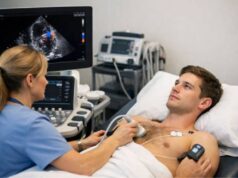
- Ultrasound (duplex): first-line for many venous clots and for assessing limb arterial flow. It is fast and bedside-friendly.
- CT angiography (CTA): maps arteries quickly and is widely used for suspected acute arterial occlusion, aortic or graft problems, and some complex venous conditions.
- CT pulmonary angiography: standard imaging for pulmonary embolism in many settings.
- MR angiography: useful in selected cases when radiation or certain contrast concerns exist.
- Catheter-based angiography: both diagnostic and therapeutic; often used when clinicians anticipate immediate clot removal or endovascular repair.
Blood tests and what they can (and cannot) do
Blood tests support diagnosis and safety planning but rarely replace imaging:
- D-dimer can help rule out thrombosis in low-risk scenarios, but it rises for many reasons (infection, surgery, pregnancy) and is less useful in high-risk patients.
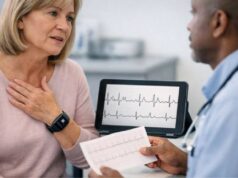
- Troponin and ECG help evaluate heart involvement (including possible stent thrombosis).
- Kidney function and blood counts guide imaging choices and anticoagulant dosing.
- Clotting studies help assess bleeding risk and guide procedure planning.
Special considerations for device-related thrombosis
When a stent, stent-graft, or catheter is involved, clinicians look for:
- Mechanical issues (kinking, narrowing, migration, under-expansion)
- Inflow/outflow problems (poor runoff in a limb, or upstream narrowing feeding a graft)
- Medication issues (insufficient antiplatelet effect, interactions, premature discontinuation)
A strong diagnostic process does not stop at “yes, there is a clot.” It identifies the correct clot type (arterial vs venous), the immediate threat level, and the most correct next step—medication alone, procedure, or both.
Treatment options and what to expect
Treatment depends on urgency (minutes matter for stroke and limb threat), clot location, and whether a device is involved. Most strategies combine restoring flow, preventing clot growth, and reducing recurrence risk.
Anticoagulation: the foundation for many clots
Anticoagulants (“blood thinners”) reduce the blood’s ability to form and extend clots. They are the backbone for most venous thrombosis and many embolic risks. Common principles include:
- Start promptly when the diagnosis is confirmed—or when suspicion is high and bleeding risk is acceptable
- Choose an agent based on kidney function, drug interactions, pregnancy status, cancer status, and ability to take oral medication
- Reassess duration based on provoked vs unprovoked clot and ongoing risk factors
Many people notice symptom improvement (less pain, less swelling) over days to weeks, but the clot may take longer to shrink.
Antiplatelet therapy: crucial for many arterial and device scenarios
Platelets drive many arterial clots and are central to stent thrombosis risk. After coronary stent placement, clinicians often use dual antiplatelet therapy for a defined period, then adjust based on bleeding risk and stent type. Stopping antiplatelets early without guidance is one of the most avoidable high-risk triggers for stent thrombosis.
Clot removal or clot dissolution procedures
When a clot threatens life or tissue, procedures may be needed:
- Thrombolysis (clot-dissolving medicine) can be systemic or catheter-directed. It can work well for selected acute clots but increases bleeding risk, so patient selection is careful.
- Mechanical thrombectomy physically removes clot using catheter-based devices. It is commonly used in acute stroke care and in selected limb, pulmonary, or large-vein clots.
- Angioplasty/stenting may be required after clot removal if an underlying narrowing caused the thrombosis.
- Surgery is sometimes necessary for severe limb ischemia, certain graft occlusions, or when endovascular options are not suitable.
Device-specific management
If a device is involved, treatment usually includes both medical therapy and a technical fix:
- Stent thrombosis: urgent restoration of artery patency is typical, along with optimization of antiplatelet therapy and evaluation for mechanical causes (under-expansion, malapposition).
- Stent-graft or bypass graft thrombosis: clinicians assess inflow/outflow, graft position, and branch vessels; treatment may include thrombectomy, relining, or addressing runoff disease.
- Catheter-related thrombosis: anticoagulation is often central; catheter removal is considered when feasible, especially if the catheter is no longer needed, not functioning, infected, or malpositioned.
What recovery typically looks like
Recovery depends on the organ affected:
- After venous thrombosis, swelling often improves within 1–4 weeks, but heaviness may linger longer.
- After arterial thrombosis, recovery can be rapid if flow is restored early; delays increase the risk of permanent damage.
- After device thrombosis, long-term success depends on follow-up and adherence to the antithrombotic plan.
The most protective question to ask your care team is: “Was there a mechanical reason this clot formed, and did we fix it?” That answer guides whether recurrence risk is low—or still present.
Long-term management, prevention, and when to seek care
Long-term care focuses on preventing recurrence, minimizing complications, and keeping you safe during high-risk periods such as travel, surgery, and illness. Good management is individualized, but the building blocks are consistent.
Follow-up that actually changes outcomes
After an endovascular thrombosis event, follow-up usually includes:
- Confirming the likely trigger (provoked vs unprovoked)
- Determining duration of anticoagulation or antiplatelet therapy (weeks, months, or longer)
- Reviewing bleeding risk and safety behaviors (falls, NSAID use, alcohol, dental/surgical planning)
- Planning imaging follow-up when a device is involved or when symptoms persist
If a device thrombosed, clinicians often schedule surveillance to catch silent problems (re-narrowing, kinking, migration, or recurrent clot).
Prevention strategies you can control
High-yield steps include:
- Medication adherence: take anticoagulants/antiplatelets exactly as prescribed. If cost or side effects are a barrier, address it early rather than stopping.
- Mobility during travel: for trips longer than 4–6 hours, stand and walk periodically, flex ankles and calves, and stay hydrated. If you have prior clots, ask your clinician whether you need compression stockings or medication adjustments for travel.
- Smoking cessation: smoking increases arterial thrombosis risk and worsens vessel lining health.
- Blood pressure, cholesterol, and diabetes control: these reduce arterial events and improve device longevity.
- Catheter care: if you have a central line or dialysis access, report pain, swelling, redness, fever, or malfunction promptly.
Compression and symptom control after DVT
Some people benefit from compression stockings to reduce swelling and discomfort, especially during long standing or travel. Fit and comfort matter; poorly fitted stockings can be useless or irritating. Elevation, gradual return to walking, and strengthening also help circulation.
When to seek urgent care
Call emergency services immediately for:
- Stroke signs: facial droop, arm weakness, speech difficulty, sudden vision loss
- Severe chest pain, sudden shortness of breath, fainting, or coughing blood
- A cold, painful limb, new numbness, or inability to move a limb normally
- Sudden severe abdominal pain out of proportion to exam (possible intestinal ischemia)
Contact your clinician the same day for:
- New unilateral limb swelling or pain, especially with a catheter or recent procedure
- Persistent fast heart rate, dizziness, or worsening fatigue on anticoagulants
- Unusual bruising, black stools, vomiting blood, or heavy bleeding (possible bleeding complication)
- Device warning signs: limb color change, new exertional pain, catheter malfunction, or fever with line tenderness
A final perspective: the best prevention plan is not only “take a blood thinner.” It is a clear understanding of why the clot happened, the shortest safe path to lowering recurrence risk, and a practical set of rules for high-risk situations.
References
- Editor’s Choice – European Society for Vascular Surgery (ESVS) 2023 Clinical Practice Guidelines on Antithrombotic Therapy for Vascular Diseases 2023 (Guideline)
- 2024 ACC/AHA/AACVPR/APMA/ABC/SCAI/SVM/SVN/SVS/SIR/VESS Guideline for the Management of Lower Extremity Peripheral Artery Disease: A Report of the American College of Cardiology/American Heart Association Joint Committee on Clinical Practice Guidelines 2024 (Guideline)
- Stent thrombosis: a contemporary guide to definitions, risk factors, and management 2025 (Review)
- A Comprehensive Review of Catheter-Related Thrombosis 2024 (Review)
Disclaimer
This article is for educational purposes and does not replace individualized medical care. Endovascular thrombosis can become life-threatening quickly, especially when it affects the brain, heart, lungs, intestines, or a limb. If you have stroke-like symptoms, severe chest pain, sudden shortness of breath, fainting, or a cold painful limb, seek emergency care immediately. Anticoagulants and antiplatelet medicines can reduce clot risk but also increase bleeding risk, and the safest choice and duration depend on your diagnosis, kidney function, other medicines, and personal risk factors. Always follow your clinician’s guidance and do not stop prescribed blood thinners without medical advice.
If you found this article helpful, please share it on Facebook, X (formerly Twitter), or any platform you prefer, and follow us on social media. Your support through sharing helps our team continue producing high-quality health content.