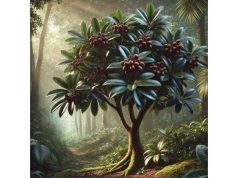
Although Ensete is often grouped with herbs in natural health guides, it is better understood as a giant banana relative, a traditional food crop, and a culturally important medicinal plant in parts of Ethiopia. Ensete ventricosum, often called enset or false banana, is not prized for sweet fruit. Instead, its pseudostem and corm are processed into staple foods such as kocho, bulla, and amicho. That distinction matters because most of Ensete’s health value comes from nourishment, fermentation, and traditional preparation rather than from a standardized extract with proven clinical dosing. Its strongest strengths are practical: it supplies carbohydrate energy, useful minerals, selected amino acids, and plant compounds with antioxidant and antimicrobial potential. Traditional communities have also used specific landraces for bone healing, postpartum recovery, digestive complaints, and general convalescence. At the same time, the research base is still developing. Modern evidence supports Ensete best as a resilient food and ethnomedicinal crop, while many direct medical claims remain preliminary. A good guide to Ensete should therefore focus on realistic benefits, food-based use, and clear safety limits.
Quick Overview
- Ensete is best viewed as a nutrient-rich traditional staple food with ethnomedicinal uses, not as a standardized modern herbal supplement.
- Its most credible benefits relate to food security, energy intake, mineral supply, and possible tissue-supportive and antioxidant activity.
- A practical food-based starting portion is about 100 to 150 g cooked corm or prepared Ensete food, rising to 200 to 250 g as part of a meal if tolerated.
- Avoid spoiled, poorly fermented, or visibly contaminated Ensete products.
- People who need strict blood sugar or potassium control should avoid large portions unless a clinician has reviewed their diet.
Table of Contents
- What is Ensete
- Key ingredients and medicinal properties
- Does Ensete have health benefits
- How Ensete is used
- How much should you eat
- Ensete safety and side effects
- What the evidence really says
What is Ensete
Ensete, more commonly called enset, is a large perennial plant in the banana family, Musaceae. It looks like a banana plant, but its value lies elsewhere. Instead of being grown mainly for edible fruit, Ensete ventricosum is cultivated for the starchy tissues in its pseudostem and underground corm. That is why it is often nicknamed the false banana or Ethiopian banana.
In practical terms, Ensete is both a food plant and a cultural system. It has long supported communities in Ethiopia, especially in the south and southwest, where it functions as a staple or co-staple crop. One reason it matters so much is flexibility. The plant can be harvested when needed, processed into foods that store well, and integrated into home gardens and mixed farming systems. For that reason, it is often described as a crop associated with resilience and hunger protection.
The main edible forms are:
- Kocho or qocho, a fermented food made from scraped pseudostem and grated corm
- Bulla, a starchy product obtained from expressed liquid and dried or cooked into porridge-like dishes
- Amicho, boiled corm eaten more like a cooked root or tuber
These foods differ in texture, acidity, and nutrient balance. Kocho is the best-known staple form, bulla is more refined and energy-dense, and amicho is the simplest whole-food preparation.
Botanically and nutritionally, Ensete is interesting because it sits somewhere between a food crop and a medicinal plant. Much of its “health effect” comes from being a major source of calories and minerals, not from acting like a concentrated herbal extract. That makes it closer to other traditional starch staples than to a capsule-based supplement. Readers comparing it with taro as another starchy tropical corm will notice a key difference: Ensete is more deeply tied to fermentation and ethnomedicinal use than to everyday global cuisine.
Another important point is that Ensete is not one uniform product. Landrace, plant age, soil conditions, processing method, and fermentation time all affect the final food. A fresh boiled corm, a long-fermented kocho, and a dried bulla preparation will not behave in exactly the same way in the body.
So when people ask what Ensete “is,” the most accurate answer is this: it is a banana relative used as a resilient staple food, a traditional healing plant, and a source of starch, minerals, and culturally important fermented foods.
Key ingredients and medicinal properties
Ensete’s chemistry helps explain both its food value and its traditional medicinal reputation. The plant is not especially rich in fat or protein, but it does provide a useful combination of starch, selected minerals, amino acids, phenolic compounds, and other phytochemicals that may contribute to tissue support, antioxidant activity, and traditional healing uses.
The broad nutritional picture is fairly consistent across studies: Ensete foods are mainly carbohydrate-rich, often with meaningful levels of calcium, potassium, magnesium, iron, zinc, and manganese, while protein remains modest. That makes Ensete an energy crop first, but not only an energy crop. Its mineral profile is one reason it has drawn attention in both nutrition and ethnomedicine.
Several compounds and features stand out:
- Starch and digestible carbohydrate: the main energy source in kocho, bulla, and corm-based foods
- Arginine and other amino acids: the corm contains a notable amino acid profile, with arginine drawing special attention because of its link to collagen formation and tissue repair
- Calcium, iron, and zinc: key minerals relevant to bone health, oxygen transport, immunity, and recovery
- Phenolics and flavonoids: plant compounds associated with antioxidant activity
- Tannins, saponins, alkaloids, and related phytochemicals: detected in some analyses, especially in corm or fermented preparations
- Phenylphenalenone-type compounds: reported in Ensete and studied for antimicrobial, antifungal, nematicidal, and other laboratory effects
From these components, several traditional “medicinal properties” are often described:
- Nutritive and restorative
- Tissue-supportive
- Antioxidant
- Mild antimicrobial potential
- Bone-supportive in traditional practice
- Digestive and fermentation-related food value
Still, the strongest claims need context. For example, arginine and calcium do help explain why some communities have long used certain Ensete corm preparations for fractures, joint problems, and recovery after childbirth. But that does not mean Ensete has been clinically proven to heal bones on its own. It means the chemistry offers a plausible traditional rationale.
Processing also changes the profile. Fermentation can lower pH, change taste, modify texture, and affect the balance between nutrients and anti-nutrients. Some studies suggest that calcium bioavailability remains favorable in fermented qocho, while iron and zinc availability may vary more by landrace and phytate level. That variability is important. It means Ensete’s health value is real, but not identical from one preparation to another.
A practical way to think about Ensete is that its medicinal properties are largely food-mediated. It nourishes first, then may offer secondary antioxidant, antimicrobial, or tissue-supportive benefits depending on the part used and how it is prepared. That makes it different from a single-compound herb and closer to a functional traditional food.
Does Ensete have health benefits
Yes, but the benefits are easiest to understand when they are framed realistically. Ensete is not a miracle cure. Its greatest value lies in how it supports nourishment, resilience, and specific traditional uses rather than in delivering a proven pharmaceutical-style effect.
The clearest benefit is food security and sustained energy. Ensete can provide large amounts of edible carbohydrate from a single plant, and in communities where it is a staple, it contributes heavily to daily energy intake. That matters because the most basic health benefit of a food crop is dependable nourishment. A plant that stores well, yields heavily, and can be harvested when needed has genuine health value long before laboratory testing begins.
Beyond calories, Ensete may offer several more specific benefits.
1. Mineral support
Its foods can contribute calcium, iron, zinc, potassium, and magnesium. That does not make Ensete a complete food, but it does make it more useful than a starch that offers calories alone. Calcium is especially relevant in traditional discussions of tissue repair and bone strength.
2. Possible tissue and recovery support
The corm’s arginine content is one reason Ensete has been linked to fracture care, body repair, and postpartum recovery in Ethiopian traditional medicine. In practical terms, this suggests a nourishing, rebuilding role rather than a direct drug-like one.
3. Antioxidant activity
Corm-based preparations and some Ensete foods show phenolic content and antioxidant capacity. This suggests potential cell-protective value, although that is still a broad biochemical signal, not proof of disease prevention.
4. Digestive usefulness through fermentation
Fermented foods such as kocho are culturally important because fermentation improves storage and changes texture and acidity. For some people, fermented staples can be easier to use and preserve than fresh starch-rich tissues. This is a food-processing advantage more than a direct digestive therapy.
5. Traditional medicinal use
Reports from several Ethiopian communities describe Ensete use for bone fractures, back pain, joint problems, postpartum recovery, placenta discharge, abdominal discomfort, skin conditions, and selected livestock ailments. These uses are culturally important and deserve respect, but they do not all carry the same scientific support.
What Ensete probably does not do, based on current evidence, is act as a confirmed treatment for diabetes, infections, kidney stones, or inflammatory disorders in the way a clinician would define treatment. Some traditional or laboratory findings are promising, but human therapeutic evidence remains thin.
So the best answer is that Ensete helps most as a nutrient-bearing traditional food with selective medicinal promise. Its benefits are strongest where food, culture, and recovery overlap: steady energy, meaningful mineral intake, tissue-supportive nourishment, and fermented preparations with long-standing practical value.
How Ensete is used
Ensete is used in ways that reflect its dual identity as a staple food and a traditional healing plant. In most cases, the safest and most evidence-grounded way to use it is as food. Medicinal use in the traditional sense usually involves specific landraces, cultural knowledge, and preparation methods that are not easily reproduced from a short online guide.
The main forms are straightforward.
Kocho or qocho
Kocho is the best-known Ensete food. It is made from scraped pseudostem and grated corm, then fermented. The result is a sour, dough-like staple that can be baked, shaped, or served with other foods. Long fermentation changes its acidity, texture, and storage properties.
Bulla
Bulla is a more refined starch product made from the liquid obtained during processing. It is often cooked into porridge or dough-like foods and is considered more concentrated and energy-dense than whole fermented mass. In many settings, it is valued for softer texture and easier preparation.
Amicho
Amicho is boiled corm. This is the simplest route for home understanding because it resembles the use of a cooked tuber. It is often described as the easiest way to appreciate Ensete as a food rather than as a fermented staple.
Traditional medicinal use
Traditional use is more specific. Reports describe corm or bulla-based preparations given for fracture healing, joint problems, postpartum recovery, and related conditions. Some communities prepare boiled corm and combine it with yogurt, milk, or meat for bone-related recovery. These are culturally specific practices, not standardized clinical recipes.
For practical modern use, a few rules help:
- Treat Ensete primarily as a food, not as a self-prescribed medicine.
- Use properly prepared and hygienically processed products.
- Pair it with protein-rich foods when possible, because Ensete alone is not protein-dense.
- Choose the form that matches the purpose: fermented staple, porridge-style starch, or boiled corm.
- Avoid improvising medicinal uses for serious conditions.
Because Ensete is mainly starch-based, it often makes sense to compare it with other gentle functional starches. If your interest is in soothing, easy-to-digest carbohydrate foods rather than in ethnomedicinal fracture use, arrowroot as a mild digestive starch serves a very different but sometimes useful role.
The most important practical point is this: Ensete works best when respected for what it is. It is a traditional staple with medicinal significance, not a quick-fix extract. The closer the use stays to safe food practice, the stronger the evidence and the lower the risk.
How much should you eat
This is where Ensete differs sharply from many herb guides. There is no well-established modern medicinal dosage for Ensete in the form of a capsule, tincture, or standardized extract. Traditional use is highly local, landrace-specific, and often based on food preparation rather than measured pharmacology.
That means dosage is best approached in food terms, not supplement terms.
A cautious practical framework is:
- First trial portion: about 100 to 150 g of cooked corm, kocho, or another prepared Ensete food
- Typical meal portion: about 200 to 250 g as part of a mixed meal
- Larger staple-food intake: may be much higher in traditional diets, especially where Ensete is a daily staple
This is not a clinical prescription. It is a food-based way to begin using Ensete sensibly. In Ethiopian dietary settings, overall intake can be substantial, and survey data show that Ensete foods may contribute a large share of daily energy. But that does not mean every person should jump directly to large servings.
A few factors affect how much is appropriate:
- Preparation type: bulla is more refined and starch-dense than whole corm-based foods
- Fermentation length: longer fermentation changes acidity and handling qualities
- Meal composition: Ensete is better balanced when served with protein-rich or micronutrient-rich foods
- Blood sugar needs: a starch-heavy meal may need portion control
- Digestive tolerance: some people do better starting with small servings
Timing matters less than preparation. Unlike stimulant herbs or sleep herbs, Ensete is not typically used because of the hour of the day. It is a meal food. The better questions are whether it is fresh, well fermented, safely stored, and combined with the rest of the diet in a balanced way.
For traditional medicinal use, such as fracture recovery or postpartum use, the literature shows preparation traditions but not a universally accepted dose. That is an important limitation. It means modern readers should not assume that “more is better” or that one traditional preparation automatically transfers to another setting.
In practice, the safest approach is simple: start with a small food-sized portion, monitor tolerance, and treat Ensete as a component of a meal rather than as a strong medicinal dose. That approach respects both the available evidence and the plant’s real-world role.
Ensete safety and side effects
Ensete is generally safest when eaten as properly prepared food. Most safety concerns come not from the plant itself in a traditional culinary context, but from misunderstanding what it can do, using poor-quality fermented products, or relying on it too heavily as if it were a complete or clinically proven medicinal therapy.
The first safety point is nutritional balance. Ensete foods are rich in carbohydrate and can provide useful minerals, but they are not especially rich in protein or fat. If someone relies on Ensete alone, the diet may become unbalanced. In traditional use, this is one reason Ensete meals are often paired with protein-rich foods such as milk, cheese, yogurt, or meat.
Possible concerns include:
- Excess starch load: large portions may be challenging for people who need careful glycemic control
- Fermentation hygiene: poorly fermented or contaminated food can cause obvious food-safety problems
- Anti-nutritional factors: phytate, tannin, and oxalate levels vary by landrace and processing, which may influence mineral absorption
- Digestive heaviness: some people may find dense starch preparations heavy if eaten in large amounts
- Spoilage risk: old, moldy, or visibly degraded product should not be consumed
There are also a few groups who should be more cautious.
People with diabetes or insulin resistance
Ensete is a staple starch. Portion size matters, especially for refined forms such as bulla.
People with chronic kidney disease or medically restricted potassium intake
Because Ensete can contribute minerals, individuals on restrictive renal diets should not assume it is automatically suitable in large amounts.
Pregnant and breastfeeding women
As food, Ensete is one thing. As a traditional medicinal preparation for labor, placenta discharge, or postpartum recovery, it is another. Concentrated or culturally specific medicinal uses should not replace professional maternity care.
People treating fractures, joint injuries, or serious pain
Traditional bone-healing uses are important ethnomedically, but they should never delay imaging, orthopedic care, or rehabilitation.
Anyone using home-fermented products without good hygiene control
The safety of fermented foods depends on process quality.
What about drug interactions? At present, no well-established modern drug interaction profile exists for Ensete as a traditional food plant. That sounds reassuring, but it really reflects limited research rather than proven absence of interaction. Food-like use is unlikely to create classic herb-drug problems, yet high-starch intake can still matter in the context of diabetes management or tightly structured medical diets.
The bottom line is that Ensete is fairly safe as food when properly prepared, but it should be used with respect for its limits. Safe does not mean risk-free, and traditional does not mean universally appropriate for every person or medical condition.
What the evidence really says
The evidence on Ensete is promising, but it is not the same kind of evidence that exists for a well-studied supplement or prescription drug. Most research falls into four categories:
- ethnobotanical surveys
- nutritional and anti-nutritional analyses
- fermentation and food-science studies
- phytochemical or laboratory investigations
That matters because these study types answer different questions. They can show that a plant is culturally important, nutritionally useful, chemically interesting, or biologically active in the lab. They do not automatically prove that it treats disease in humans.
What seems well supported is this:
- Ensete is a major traditional staple food with strong food-security value.
- Kocho, bulla, and amicho provide meaningful carbohydrate energy and selected minerals.
- The corm and some preparations contain arginine, calcium, iron, zinc, phenolics, and other compounds that plausibly support traditional healing roles.
- Fermentation changes the nutritional and anti-nutritional profile and is central to how the food is used.
- Traditional medicinal use for fracture recovery, postpartum care, and selected ailments is widespread in Ethiopian communities.
What remains uncertain is equally important:
- There are no robust modern clinical trials proving Ensete as a treatment for fractures, infections, kidney stones, diabetes, or inflammatory disease.
- Landrace differences are large, so one sample may not represent another.
- Preparation methods vary widely, which makes standardization difficult.
- “Medicinal potential” is not the same as verified clinical benefit.
So the evidence supports a balanced conclusion. Ensete is highly valuable as a resilient traditional food and may carry real ethnomedicinal potential, especially where nourishment, mineral supply, fermentation, and recovery overlap. But its modern medical role is still emerging. Anyone presenting it as a proven cure is moving far beyond the data.
References
- Harnessing the Medicinal Potential of Enset (Ensete ventricosum) in Ethiopian Traditional Medicine: A Synthesis of Current Knowledge – PMC 2025 (Review)
- Exploring the Nutritional and Anti‐Nutritional Composition of Traditionally Fermented Qocho From Widely Cultivated Enset (Ensete ventricosum) Landraces in Central Ethiopia – PMC 2025 (Original Research)
- Exploring indigenous knowledge and practices of the Gurage community on the biosystematics and utilization of Enset landraces for bone fracture and regeneration: the case of Gurage Zone, central Ethiopia region – PMC 2025 (Original Research)
- The Neglected Traditional Enset (Ensete ventricosum) Crop Landraces for the Sustainable Livelihood of the Local People in Southern Ethiopia – PMC 2022 (Ethnobotanical Study)
- Ensete ventricosum: A Multipurpose Crop against Hunger in Ethiopia – PMC 2020 (Review)
Disclaimer
This article is for educational purposes only and does not replace medical advice, diagnosis, or treatment. Ensete is primarily a traditional food crop with ethnomedicinal uses, and many claimed therapeutic effects have not been confirmed in high-quality human clinical trials. Seek professional care for fractures, severe pain, pregnancy-related concerns, ongoing digestive symptoms, suspected infection, or any condition that needs diagnosis. Use extra caution with large portions if you have diabetes, kidney disease, or medically restricted diets.
If this article helped you, please share it on Facebook, X, or your preferred platform.