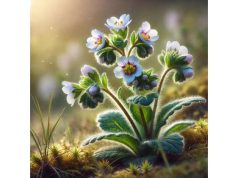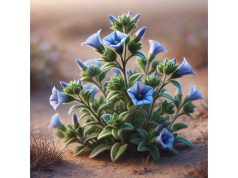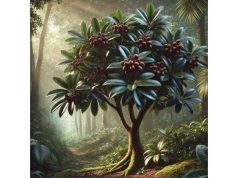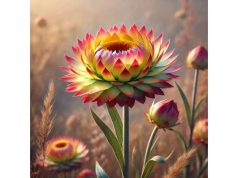
Entada, most often referring here to Entada rheedii, is a large tropical climbing legume known for its enormous pods, hard floating seeds, and deep place in traditional medicine. It is sometimes called African dream herb, giant sea bean, or snuff box sea bean. In different regions, the seeds, bark, roots, and leaves have been used for stomach complaints, wound care, ritual dream practices, and, after careful processing, even as famine food. That broad history makes the plant fascinating, but it also makes careful interpretation essential.
What stands out most today is not strong clinical proof, but a combination of traditional use and early laboratory research. Seed studies have identified saponins, thioamides, phenolic compounds, lectin-type proteins, and nutrient-dense kernel material. These may help explain reported antioxidant, anti-inflammatory, antimicrobial, and gut-protective effects. At the same time, Entada is not a beginner herb. Some preparations require detoxifying steps, human dosage is not standardized, and animal data raise important reproductive safety questions. The most helpful way to approach it is with curiosity, restraint, and a clear separation between promising evidence and proven medical use.
Quick Overview
- Entada shows the strongest early promise for antioxidant, gut-protective, and anti-inflammatory effects, but the evidence is still mostly preclinical.
- Traditional dream-related use exists, yet this is cultural and anecdotal rather than clinically proven.
- Animal studies have used 200 to 400 mg/kg seed-kernel extract, but no validated human medicinal dose exists.
- Pregnant people and anyone trying to conceive should avoid Entada because seed-kernel extracts showed anti-implantation and abortifacient effects in rats.
- Raw or poorly processed seeds should not be eaten, because traditional food use depends on repeated leaching and heating to reduce toxic secondary metabolites.
Table of Contents
- What is Entada and why is it used
- Key ingredients and medicinal properties
- What can Entada realistically help with
- How Entada is used in practice
- How much Entada per day
- Side effects, interactions, and who should avoid it
- What the evidence actually says
What is Entada and why is it used
Entada rheedii is a woody climbing plant in the Fabaceae family. It grows across tropical Africa, Madagascar, South and Southeast Asia, and parts of Australia. The plant is easiest to recognize by its long segmented pods and large polished brown seeds, which are durable enough to travel by water. In some botanical sources, the species name appears as Entada rheedei, and some regional literature also links it with closely related Entada names. For readers, the main point is that this is a large liana with a long ethnobotanical history, not a standardized modern supplement.
Its traditional uses vary sharply by region. In southern Africa, the seeds became famous for ritual dream work, especially when powdered and used before sleep. In parts of Asia and tropical ethnomedicine, the bark and seed were used more practically for diarrhea, stomach pain, parasitic illness, wound care, and other everyday complaints. Some communities also treated the plant as an emergency food source, but only after labor-intensive processing. That difference matters. A plant can be both medicinally interesting and potentially irritating or toxic if used casually.
Entada is also notable because different parts of the plant seem to have different cultural roles:
- Seeds are the most discussed part, especially for dream use, gut uses, and food after detoxification.
- Bark is more often mentioned in traditional systems for diarrhea, dysentery, and circulation-related uses.
- Leaves and roots appear in regional wound and skin applications.
- Seeds and pods have also had non-medicinal roles in jewelry, ritual objects, rope, and household use.
What makes Entada especially interesting is the overlap between two identities. On one hand, it is a cultural plant tied to memory, ritual, and ancestral practices. On the other, it is a chemically active seed-bearing legume with measurable compounds that researchers can isolate and test. Those two sides do not always point to the same conclusions. A traditional dream herb is not automatically a safe sleep aid, and a nutritionally rich seed is not automatically safe to eat raw.
In practical terms, people look up Entada for four main reasons. They want to know whether it really works as a dream herb, whether it has digestive or anti-inflammatory value, whether the seeds are edible, and whether it is safe. Those are reasonable questions, but they do not all have equally strong answers. Traditional use is strong. Mechanistic and lab evidence is growing. Human clinical evidence remains thin.
That means Entada is best understood as a traditional medicinal and ethnobotanical plant with promising but incomplete modern validation. It deserves respect, but it also demands caution. It is not a casual wellness herb, and it is not a plant to self-dose aggressively simply because it is natural.
Key ingredients and medicinal properties
The most important active material in Entada rheedii seems to be concentrated in the seed kernel. Studies have identified several classes of compounds that help explain why the plant has remained medicinally relevant. These include triterpene saponins, thioamides, phenolic compounds, lectins, sugars, proteins, and nutrient-dense storage material. No single compound explains every traditional claim, but the overall chemical profile makes the plant pharmacologically plausible.
Among the best-known constituents are the saponins called rheedeiosides. Saponins are soap-like plant molecules that often have membrane-active, bitter, and biologically potent effects. In some herbs they are linked to anti-inflammatory, antimicrobial, or immunologic activity. In Entada, they likely contribute both to the plant’s medicinal interest and to the need for careful preparation. Saponin-rich seeds can irritate the gut or act unpredictably when consumed without proper processing.
Thioamides are another important group. Compounds such as entadamide A and related molecules have been isolated from the seeds. These are often discussed because they may contribute to the plant’s unusual pharmacology, including some of the laboratory findings around antimicrobial, antiviral, or other bioactive effects. Their presence is one reason Entada is more than just a food seed.
Phenolic compounds add a different layer. These include protocatechuic acid and related phenolics, which are commonly associated with antioxidant activity. Antioxidants do not magically cure disease, but they can help explain why extracts show free-radical scavenging and anti-inflammatory potential in early studies. This does not prove a clinical effect, but it supports some of the plant’s traditional logic.
Lectin-type proteins have also drawn attention. These carbohydrate-binding proteins are especially interesting in cell studies because they can interact with cell surfaces in selective ways. Entadin lectin from Entada seeds has been characterized and tested in cancer-cell experiments, which is scientifically interesting, though far from enough to justify anticancer claims for human use.
The plant also contains genuine nutritional value. Recent seed-kernel studies found meaningful levels of protein, carbohydrate, minerals, and storage compounds. That helps explain why some communities used the seeds as food after careful detoxification. It also means Entada sits in an unusual middle ground between medicinal plant and underused food legume.
The medicinal properties most reasonably linked to this chemistry are:
- Antioxidant activity from phenolics and related compounds.
- Mild to moderate antimicrobial potential in extracts.
- Anti-inflammatory effects seen in laboratory models.
- Gastroprotective or anti-ulcer potential in seed extracts.
- Selective cell effects from lectin and other isolated compounds.
- Nutritional value when kernels are properly processed.
Still, chemistry is not the same as proven treatment. Many herbs contain impressive molecules but fail to translate cleanly into safe, repeatable human outcomes. If you compare Entada with a more established calming herb such as passionflower for sleep and stress support, the gap in human dosing and clinical clarity becomes obvious. Entada has an intriguing profile, but it remains more experimental and less standardized.
What can Entada realistically help with
The most realistic answer is that Entada may help in a few areas, but mostly at the level of traditional practice and preclinical promise rather than proven medical benefit. The plant’s reputation is broad, yet the strongest modern support is narrower.
The clearest traditional uses cluster around digestion, ritual dream practices, and processed seed nutrition. Seed extracts have shown anti-ulcerogenic, antimicrobial, antioxidant, and anti-inflammatory activity in early studies. That makes it reasonable to say Entada may have value for gastric protection and inflammatory stress, at least in theory. It is not reasonable to say it has been clinically proven to treat ulcers, chronic bowel disease, or insomnia in people.
A fair benefits profile would look like this:
- Possible digestive support, especially in traditional use for stomach ache and diarrhea.
- Possible gut-protective action based on anti-ulcer animal and extract work.
- Possible antioxidant and anti-inflammatory benefits.
- Nutritional support from carefully processed kernels in food contexts.
- Traditional dream vividness or dream recall use, though evidence here is cultural rather than clinical.
The dream-related reputation deserves special care. Entada is widely discussed online as a lucid dreaming or vivid dreaming herb. That reputation is real in ethnobotanical history, especially in southern Africa. But traditional ritual use is not the same as proof of a predictable pharmacologic sleep effect. There are no well-established controlled human trials showing that Entada reliably improves dream recall, sleep quality, or lucid dreaming in a measurable clinical way. For readers, that means this use belongs in the category of traditional and anecdotal, not evidence-based sleep medicine.
The digestive angle is more grounded. Traditional use for stomach pain and diarrhea fits reasonably well with laboratory findings that seed extracts have antimicrobial and anti-ulcer potential. Still, there is a big gap between a promising extract in a model system and a safe home remedy. For people seeking gentle digestive support, a more familiar option such as marshmallow for gut soothing is usually easier to understand and dose.
Some readers also wonder whether Entada helps with inflammation, blood sugar, or immune balance. Early work suggests these are plausible research directions, especially because seed preparations showed anti-radical, anti-inflammatory, and antidiabetic signals in preclinical testing. But the keyword is signals. The evidence is not yet strong enough to promise real-world outcomes such as lower fasting glucose, reduced joint pain, or better immune resilience.
So what should expectations look like in practice?
Reasonable expectations:
- A plant with meaningful traditional importance.
- A seed with measurable bioactive compounds.
- Early support for digestive, antioxidant, and inflammatory pathways.
- Nutritional value after proper processing.
Unreasonable expectations:
- A proven herbal sleep medicine.
- A validated ulcer cure.
- A reliable diabetes treatment.
- A safe daily supplement for everyone.
- A natural anticancer therapy.
That balanced view is what most readers need. Entada is promising, but promise is not proof. The plant may be worthwhile for further research and careful traditional use, but it is not yet a broadly validated medicinal herb.
How Entada is used in practice
How Entada is used depends almost entirely on context. Traditional practice does not reduce the plant to one standard capsule or one standard tea. Instead, use varies by plant part, region, and purpose. That makes practical guidance possible, but only in a cautious and descriptive way.
The most discussed preparations involve the seed. In southern African tradition, dried seeds may be powdered and used before sleep for vivid-dream practices. In parts of Asia and Australia, seed kernels have also been processed for food, but only after repeated leaching, boiling, heating, or roasting to reduce unwanted compounds. In other settings, bark decoctions, leaf preparations, or pastes from several plant parts have been used for digestive complaints, wound care, and topical folk applications.
The safest modern reading of those traditions is this:
- Dream-related use exists historically, but it is not standardized.
Different communities have used dried seed powder in ritual or ceremonial ways. That does not mean there is a modern evidence-based inhaled or oral protocol. - Food use requires detoxification.
The seed is not a casual snack. Traditional food use depends on repeated water changes, leaching, and heating. Skipping those steps is not a small mistake. - Bark and whole-plant preparations are traditional, not standardized.
Decoctions, pastes, and washes appear in regional medicine, but potency varies by geography, age of plant, preparation method, and plant part. - Extracts sold online are not the same as traditional material.
Commercial powders and concentrated extracts may differ greatly in strength, processing, and purity. Many are marketed around dream claims more than evidence.
In practical terms, people considering Entada often fall into one of three groups. The first are ethnobotanical readers who simply want to understand how the plant has been used. The second are herbal experimenters interested in digestion or dreams. The third are people looking at the seed as an underused food source. The first group can approach the plant academically. The second and third groups need much more caution.
A few practical rules help keep the discussion grounded:
- Never assume raw seeds are safe because the kernel looks food-like.
- Do not treat traditional smoking use as a harmless bedtime ritual.
- Avoid self-made concentrated extracts unless the source and plant identity are clear.
- Do not substitute Entada for proven treatment of ulcers, diarrhea, or reproductive issues.
- Be especially careful when botanical names vary between rheedii and rheedei in sellers’ listings.
The most responsible way to “use” Entada today is often informational rather than medicinal. Learn the plant, understand the ethnobotany, respect the preparation complexity, and avoid turning sparse evidence into a daily habit. In that sense, Entada is a plant best approached with skill and context, not with the assumption that more is better.
How much Entada per day
This is where the evidence becomes most limited. There is no validated human medicinal dose for Entada rheedii. No widely accepted monograph defines a daily oral amount, and no major clinical guideline gives a safe standard for dream use, digestive use, or general supplementation. That absence is not a small technical gap. It is one of the central reasons this herb should be approached carefully.
What we do have are three very different kinds of dosing information.
The first is traditional use. Some communities used dried seed powder before sleep, while others treated the seed as a food only after repeated detoxifying steps. These traditions are valuable, but they do not provide a modern reproducible dose by body weight, extract strength, or active constituent content.
The second is animal research. A 2024 rat study of seed-kernel extract used oral doses of 200 mg/kg and 400 mg/kg and found meaningful antifertility effects. That tells us the plant can exert biologic activity at those levels in animals. It does not tell us a safe or appropriate human dose. In fact, it suggests the opposite: the seed is potent enough that casual self-dosing is unwise.
The third is commercial practice. Online vendors often market seed powders and extracts for dream work, but those suggested amounts are not the same as validated medical dosing. Product strength varies widely, and the label may say more about marketing than pharmacology.
So what should readers do with that?
A responsible dosage framework looks like this:
- For medicinal oral use, there is no evidence-based human daily dose.
- For culinary seed use, the critical variable is processing, not milligrams.
- For dream-related use, there is no clinically established amount, timing schedule, or long-term safety profile.
- For research interpretation, animal doses should not be translated directly into self-experimentation.
Timing also matters. Many dream-related uses are described before bedtime, while digestive or traditional food uses are tied to prepared decoctions or cooked kernels. But “when” is much less important than “what form” and “how processed.” A raw or poorly prepared seed taken at the perfect time is still a poor idea.
The most cautious real-world advice is simple:
- Do not create your own human dose from animal data.
- Do not infer safety from traditional reputation alone.
- Do not use concentrated extracts daily without professional guidance.
- If a product does not clearly state plant part, extract ratio, and preparation method, treat that as a warning sign.
For most readers, the honest answer to “how much per day” is not a neat dosage chart. It is this: there is no validated medicinal dose for routine human use, and the strongest available dose data actually raise safety questions rather than support casual supplementation.
Side effects, interactions, and who should avoid it
Safety is where Entada deserves more seriousness than many plant profiles give it. The seed is chemically active, traditionally processed to reduce toxicity for food use, and linked in animal research to reproductive effects. That combination means the herb should never be treated like a harmless wellness snack.
The most important safety concern is reproductive risk. In female rats, seed-kernel extract showed anti-implantation, abortifacient, and reversible antifertility effects. Even though animal data do not automatically predict the same effect in humans, they are strong enough to guide real caution. Anyone who is pregnant, trying to conceive, or breastfeeding should avoid medicinal use of Entada, especially seed extracts.
Other plausible side effects include:
- Nausea, stomach irritation, or vomiting from poorly prepared seed material.
- Loose stools or abdominal discomfort.
- Irritation from saponin-rich preparations.
- Unpredictable central nervous system effects in people using it for dream-related purposes.
- Respiratory irritation if seed powder is inhaled or smoked.
The food-safety angle matters too. Traditional edible use depends on repeated leaching and heating to remove toxic secondary metabolites. That tells us something important: the raw seed is not assumed safe by the very cultures that learned to use it. When a food plant demands that much processing, modern users should not improvise.
Drug interaction data are sparse, which means risk cannot be ruled out. In practice, extra caution makes sense with:
- Sedatives or sleep medications, because dream-herb use may overlap with central nervous system expectations.
- Hormonal or fertility-related treatment, because of the reproductive findings in animals.
- Medications for gastrointestinal disease, because unsupervised herbal use may mask worsening symptoms.
- Pregnancy-related medicines and supplements, for obvious safety reasons.
People who should avoid Entada unless under expert supervision include:
- Pregnant people.
- People trying to conceive.
- Breastfeeding people.
- Children and adolescents.
- Anyone with active stomach ulcer disease, unexplained abdominal pain, or chronic diarrhea.
- Anyone using it mainly because of online psychoactive or lucid-dream marketing.
It is also worth separating traditional ritual use from safe consumer use. A plant that has ceremonial meaning in one culture is not automatically appropriate for unsupervised use in another. Context, preparation, and experience matter.
The bottom line on safety is more conservative than many readers may expect. Entada may be medicinally valuable, but it is not broadly validated, not standardized, and not clearly benign. Its reproductive signal in animals, the need for seed detoxification, and the absence of human dosing standards all argue for caution first and experimentation last.
What the evidence actually says
The evidence for Entada rheedii is real, but it is still mostly early-stage. That is the clearest takeaway. The plant has a long ethnobotanical record, and modern studies have identified interesting compounds and measurable biological activity. But the bridge from traditional use and lab promise to proven human treatment is still incomplete.
What is relatively well supported:
- The plant has authentic traditional uses across several regions.
- The seed kernel contains identifiable compounds such as saponins, thioamides, phenolics, lectins, proteins, and sugars.
- Extracts and isolated compounds show antioxidant, anti-inflammatory, antimicrobial, and gastroprotective potential in preclinical work.
- The seed kernel has meaningful nutritional value when properly processed.
- Reproductive effects in animals are serious enough to affect safety advice.
What is not well supported:
- A standardized human medicinal dose.
- Controlled human trials for sleep, dream vividness, diarrhea, ulcers, or inflammation.
- Long-term safety of routine oral use.
- Clear product standardization across powders, decoctions, and extracts.
- Strong evidence for popular online claims about lucid dreaming enhancement.
This creates a familiar pattern in herbal medicine. Entada looks stronger in ethnobotany and bench science than it does in clinical medicine. That does not make the plant useless. It simply means the best current language is “promising,” “traditional,” and “preliminary,” not “proven.”
The dream-herb issue is a good example. Culturally, the claim is meaningful and well-known. Scientifically, the claim remains under-tested. The digestive story is somewhat stronger because seed extracts have shown anti-ulcer and antimicrobial potential in preclinical work, but even there, clinical confirmation is lacking. The nutritional story may actually be the most concrete, because recent analyses show that the seed kernel contains substantial macronutrients and may have underused food value after proper processing.
The safety story is also important evidence. The rat antifertility findings are not a side note. They help explain why vague internet advice about “just trying a little” is not a responsible approach. Evidence is not only about benefits. It is also about seeing warning signals early enough to use the plant wisely.
So, where does that leave Entada for most readers?
It leaves it in a middle category:
- More credible than a purely mythical folk plant.
- Less proven than a standardized clinical herb.
- Interesting enough for further research.
- Too uncertain for routine self-prescribing.
That is an honest and useful place to land. Entada rheedii may eventually earn a clearer role in digestive, nutritional, or specialty herbal practice. For now, the evidence supports respect, caution, and limited claims. It is a plant worth studying, not a plant worth overselling.
References
- Proximate composition and multi-technique physicochemical characterization of Entada rheedei seed kernel 2025
- Nutritional characterization of an underutilized legume Entada rheedii Spreng. seeds and validation of its folklore uses 2024
- Evaluation of Antifertility Potential of Entada rheedii Spreng Seed Kernel Extract in Female Wistar Rats 2024
- Entada rheedii seeds thioamides, phenolics, and saponins and its antiulcerogenic and antimicrobial activities 2018
- Entada rheedii 2017
Disclaimer
This article is for educational purposes only and is not a substitute for medical advice, diagnosis, or treatment. Entada rheedii is a traditional medicinal plant with limited human clinical research, no validated standard human dose, and meaningful safety concerns, including reproductive risks seen in animal studies. Do not use it during pregnancy, while trying to conceive, or in place of evidence-based care for digestive, sleep, or reproductive conditions. Speak with a qualified healthcare professional before using any Entada preparation, especially seed extracts or concentrated products.
If this article helped you, please share it on Facebook, X, or any platform your audience prefers.