Eosinophilic vasculitis is a form of blood-vessel inflammation in which a type of white blood cell called an eosinophil (an allergy-linked immune cell) becomes a major driver of tissue injury. For many people, it shows up alongside asthma, sinus disease, rashes, nerve pain, or unexplained spikes in eosinophils on routine blood work. For others, the first clue is more urgent—such as chest pain, weakness, or abdominal pain—because inflamed vessels can reduce blood flow to organs.
This condition is rare, but it is treatable. The most important step is recognizing the pattern early and matching treatment intensity to risk—mild disease and organ-threatening disease are managed very differently. Below, you’ll find a practical map of what it is, why it happens, how it’s diagnosed, which treatments help most, and what day-to-day management looks like.
Table of Contents
- What is eosinophilic vasculitis?
- What causes it and who is at risk?
- First symptoms and serious complications
- How doctors diagnose it
- Treatments that work and what to expect
- Management, prevention, and when to seek care
What is eosinophilic vasculitis?
“Vasculitis” means inflammation of blood vessels. In eosinophilic vasculitis, eosinophils gather in and around vessel walls and release proteins and signals that can irritate, swell, and sometimes damage the lining of the vessel. When the vessel narrows or clots, the tissue it supplies may not get enough oxygen—this is why vasculitis can range from a bothersome rash to organ-threatening disease.
Eosinophilic vasculitis is most often discussed in the context of eosinophilic granulomatosis with polyangiitis (EGPA), a rare systemic vasculitis frequently associated with asthma, sinus disease, and high eosinophil counts. Some people have “organ-limited” eosinophilic vasculitis (for example, mainly skin or gastrointestinal involvement), while others have multi-organ disease.
What eosinophils do matters. Unlike many immune cells, eosinophils carry granules packed with substances that are effective against parasites but can be harsh on human tissue when misdirected. This can lead to:
- Irritation of vessel walls, causing pain, swelling, and leaky capillaries (leading to purpura or bruising-like spots).
- Tissue inflammation in surrounding organs (skin, lungs, nerves, gut, heart).
- Clotting risk in some cases, because inflamed vessels and activated immune pathways can make blood more “sticky.”
It also helps to know that symptoms don’t always move in a straight line. Many patients describe a “build-up” period with allergic disease (asthma, nasal polyps, chronic sinusitis), then a phase with high eosinophils and organ symptoms, and later a more classic vasculitis pattern (skin lesions, neuropathy, kidney or nerve involvement). Not everyone follows that script, but it explains why eosinophilic vasculitis is sometimes missed at first—early signs can look like common allergy or asthma problems.
Because the condition is uncommon and variable, diagnosis and treatment usually involve a team: primary care plus specialists such as rheumatology, allergy/immunology, pulmonology, neurology, dermatology, or cardiology—depending on which organs are affected.
What causes it and who is at risk?
Eosinophilic vasculitis is not usually caused by one single trigger. Instead, it tends to happen when the immune system is nudged—by genetics, allergic inflammation, infections, or medications—into an eosinophil-dominant overreaction that spills into blood vessels.
Common underlying “buckets” include:
- EGPA (most common association)
EGPA blends airway inflammation (often asthma), sinus disease, and eosinophil-driven tissue inflammation with vasculitis in some patients. A subset have ANCA antibodies (immune proteins that can target parts of white blood cells). ANCA positivity can influence which organs are more likely to be involved, but it does not rule EGPA in or out by itself. - Hypereosinophilic syndromes (HES)
These are conditions where eosinophils remain high for a prolonged time and can damage organs. Some HES patterns can overlap with vasculitis or mimic it. Distinguishing them matters because treatments and long-term monitoring can differ. - Drug reactions
Medications can occasionally trigger eosinophilic inflammation and vasculitis. The list is long and varies by person, but higher suspicion is warranted when symptoms begin within weeks to months of a new drug and include fever, rash, facial swelling, abnormal liver tests, or kidney involvement. Importantly, never stop a prescribed medication abruptly without medical guidance—some drugs (like steroids) require tapering. - Infections and parasites
Certain parasitic infections can drive eosinophilia. If someone has travel exposure, undercooked food exposure, or unexplained gastrointestinal symptoms, clinicians may test for parasites before starting strong immunosuppression. - Autoimmune overlap and rare malignancy links
In a minority of cases, eosinophilic vasculitis appears alongside other immune diseases or, rarely, blood cancers that elevate eosinophils.
Practical risk factors clinicians listen for include:
- Adult-onset or worsening asthma, especially when hard to control.
- Chronic sinusitis or nasal polyps.
- Recurrent, unexplained high eosinophil counts.
- Episodes of migratory lung infiltrates (spots on imaging that come and go).
- Nerve symptoms (tingling, burning pain, foot drop) combined with allergic history.
- New systemic symptoms after a medication change or travel exposure.
If you recognize yourself in this list, the key takeaway is not to self-diagnose, but to ensure your clinician connects the dots early—because earlier evaluation can reduce the chance of preventable organ injury.
First symptoms and serious complications
Eosinophilic vasculitis can feel “all over the place,” because any organ supplied by small or medium blood vessels can be affected. Symptoms often cluster into a few recognizable patterns.
Common early symptoms
- Asthma changes: new adult asthma, sudden worsening, more frequent steroid bursts, or wheeze that doesn’t match typical triggers.
- Sinus and nasal symptoms: persistent congestion, facial pressure, loss of smell, nasal polyps.
- Skin findings: tender red bumps, hives-like patches that linger, or purple spots that look like bruises (often on the legs).
- General inflammation: fatigue that is out of proportion, low-grade fevers, night sweats, weight loss.
Symptoms that suggest vasculitis is affecting organs
- Nerves: numbness, burning pain, shooting pains, weakness, or a sudden “foot drop.” Vasculitis can injure nerves by reducing their blood supply, and nerve symptoms are a classic clue.
- Lungs: shortness of breath, cough, chest tightness, or coughing up blood (less common, but urgent when present).
- Gastrointestinal tract: crampy abdominal pain (especially after eating), nausea, diarrhea, or blood in stool.
- Kidneys: foamy urine, blood in urine, swelling in legs, rising blood pressure—often silent early on.
- Heart: chest pain, palpitations, fainting, severe fatigue, or shortness of breath that doesn’t match asthma severity. Heart involvement is one of the most important complications to detect quickly.
Potential complications (why prompt evaluation matters)
- Permanent nerve damage if blood flow loss is prolonged.
- Organ scarring (lung, kidney) after repeated flares.
- Blood clots in some inflammatory states.
- Serious heart inflammation (which can be subtle at first).
- Medication complications, especially from long-term steroid exposure (bone loss, diabetes, infections), which is why steroid-sparing strategies matter.
A practical rule: if symptoms are confined to the upper airway and mild asthma, the situation may be lower risk (though still worth evaluating). If symptoms involve weakness, chest pain, fainting, coughing blood, severe abdominal pain, or signs of kidney trouble, treat it as urgent—because those features can signal organ-threatening disease where early treatment changes outcomes.
How doctors diagnose it
Diagnosis is a puzzle made of history, labs, imaging, and sometimes biopsy. There is no single blood test that “proves” eosinophilic vasculitis in every patient, so clinicians focus on pattern recognition and ruling out look-alikes.
1) History and exam: building the pattern
Doctors ask about asthma timing, sinus disease, allergies, medication exposures, travel, new rashes, nerve symptoms, and organ-specific complaints. On exam they look closely at skin lesions, nerve strength/sensation, lung findings, swelling, and blood pressure.
2) Blood and urine tests
Common tests include:
- CBC with differential to measure eosinophil levels and anemia.
- Inflammation markers (CRP, ESR) to track systemic inflammation.
- Kidney function and urinalysis to detect blood/protein in urine early.
- ANCA testing and other autoimmune markers (helpful but not definitive).
- IgE (often elevated in allergic/eosinophilic disease).
- Cardiac markers (like troponin) when heart involvement is a concern.
3) Imaging and organ testing
Testing is chosen based on symptoms, but may include:
- Chest imaging (X-ray or CT) for lung infiltrates.
- Sinus CT for chronic sinus disease or polyps.
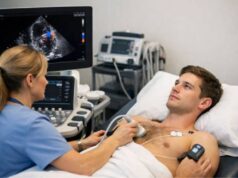
- Echocardiogram and sometimes cardiac MRI if heart involvement is suspected.
- Nerve conduction studies/EMG for neuropathy.
- Pulmonary function tests to characterize airway disease.
4) Biopsy when feasible
A biopsy can be the clearest way to confirm vasculitis and eosinophilic tissue inflammation—especially with skin lesions, accessible nerve/muscle targets, or certain lung findings. Biopsy choice is strategic: the best site is usually the most active, safely accessible lesion.
5) Ruling out mimics
This step prevents harm. Key mimics include:
- Parasitic infection causing eosinophilia.
- Drug reactions with rash and systemic inflammation.
- Other vasculitides and autoimmune diseases.
- Hypereosinophilic syndromes with organ involvement but different drivers.
Clinicians also assess severity: Is this mainly airway/skin disease, or is it organ-threatening (heart, kidneys, severe neuropathy, major GI ischemia)? Severity assessment guides treatment intensity and how fast therapy needs to start.
Treatments that work and what to expect
Treatment is individualized, but the overall goal is consistent: stop vessel inflammation quickly, protect organs, and then reduce relapse risk while minimizing medication harm. Most treatment plans have two phases—induction (getting control) and maintenance (keeping control).
1) Glucocorticoids (steroids)
Steroids are often the fastest way to calm inflammation. The dose depends on severity:
- Non-severe disease may respond to moderate oral doses with a planned taper.
- Organ-threatening disease may require high doses and sometimes short courses of IV steroids.
Because steroid side effects accumulate, good care includes a taper plan from day one and strategies to protect bone, blood sugar, blood pressure, and infection risk.
2) Immunosuppressive medicines (steroid-sparing or for severe disease)
When risk is higher—or when steroid tapering repeatedly fails—clinicians add medications such as:
- Rituximab or cyclophosphamide for severe, organ-threatening disease patterns (chosen based on organ involvement, prior therapies, and patient factors).
- Methotrexate, azathioprine, or mycophenolate for selected patients as maintenance or steroid-sparing therapy, especially when disease is not immediately organ-threatening.
3) Targeted biologics for eosinophilic disease
Biologic therapies that reduce eosinophils can be especially helpful in eosinophilic vasculitis associated with EGPA, particularly when asthma and eosinophilia are major features or when relapses occur during steroid taper. Options may include:
- Anti-IL-5 therapies (reduce eosinophil growth/survival).
- Anti-IL-5 receptor therapy (depletes eosinophils more directly).
These drugs can reduce steroid dependence for many patients, but they still require monitoring and a clear plan for what counts as remission versus relapse.
4) Treating triggers and protecting the patient
Good treatment is broader than immunosuppression:
- If a medication reaction is suspected, clinicians switch therapies safely.
- If parasite risk is meaningful, clinicians evaluate and treat appropriately before strong immunosuppression.
- Vaccination planning and infection prevention are discussed early.
- Bone protection (calcium/vitamin D, and sometimes additional therapy), stomach protection, and monitoring for diabetes or hypertension may be needed during steroid use.
What to expect
Many people feel better within days to weeks once effective therapy begins—especially for asthma flares, fever, and skin symptoms. Nerve recovery can be slower (months), and some nerve damage may not fully reverse, which is why rapid evaluation and severity-matched treatment are so important.
Management, prevention, and when to seek care
Living well with eosinophilic vasculitis usually means treating it like a condition with “quiet time” and “flare risk,” even when you feel normal. The best long-term outcomes come from a simple routine: monitor, prevent complications, and act early when symptoms change.
Day-to-day management that actually helps
- Keep an updated symptom map. Track breathing symptoms, new rashes, nerve sensations, fatigue, and exercise tolerance. Small changes over 1–2 weeks often matter more than a single bad day.
- Know your key numbers. Many clinicians follow eosinophil counts, inflammation markers, and organ-specific labs (like kidney tests and urine checks). Ask which results you should watch and what trend would trigger a call.
- Asthma and sinus control matters. In eosinophilic disease, good inhaler technique, adherence, and ENT/allergy follow-up can reduce flares and improve quality of life.
- Steroid safety plan. If you’ve used steroids:
- Don’t stop suddenly unless your clinician tells you to.
- Ask about bone protection, eye checks, blood sugar monitoring, and blood pressure monitoring.
- Infection prevention. If you take immunosuppressants or high-dose steroids, your clinician may recommend specific vaccines and, in some situations, preventive antibiotics. Report fevers early and avoid “watchful waiting” when you are immunosuppressed.
Reducing relapse risk
Relapse often shows up as worsening asthma, returning sinus symptoms, new skin lesions, or rising eosinophils. If you’ve had previous relapses, ask your team for a written flare plan that clarifies:
- Which symptoms are “call within 24–48 hours.”
- Which symptoms are “go to urgent care or the ER now.”
- Whether you should adjust any medications while waiting for evaluation.
When to seek urgent care
Get urgent evaluation (same day) for:
- Chest pain, fainting, new palpitations, or severe shortness of breath not relieved by usual asthma treatment.
- New weakness (especially one-sided), confusion, trouble speaking, or sudden vision changes.
- Coughing up blood.
- Severe or persistent abdominal pain, black stools, or blood in stool.
- Blood in urine, markedly reduced urination, or rapid swelling.
A realistic long-term outlook
Many patients reach stable remission with the right plan—especially when organ involvement is identified early and steroid exposure is kept as low as safely possible. The “win” is not only fewer flares, but also fewer treatment complications over years.
References
- 2021 American College of Rheumatology/Vasculitis Foundation Guideline for the Management of ANCA-Associated Vasculitis 2021 (Guideline)
- EULAR recommendations for the management of ANCA-associated vasculitis: 2022 update 2024 (Guideline)
- Systematic literature review informing the 2022 update of the EULAR recommendations for the management of ANCA-associated vasculitis (AAV): Part 2 – Treatment of eosinophilic granulomatosis with polyangiitis and diagnosis and general management of AAV 2023 (Systematic Review)
- Benralizumab versus Mepolizumab for EGPA 2024 (RCT)
Disclaimer
This article is for educational purposes only and does not provide medical advice, diagnosis, or treatment. Eosinophilic vasculitis can affect vital organs and may require urgent, specialized care. If you have symptoms such as chest pain, fainting, severe shortness of breath, new weakness, coughing blood, severe abdominal pain, or signs of kidney problems, seek urgent medical evaluation. For personal guidance, talk with a qualified clinician who can review your history, examine you, and interpret your test results in context.
If you found this article useful, please consider sharing it on Facebook, X (formerly Twitter), or any platform you prefer—and follow us on social media. Your support through sharing helps our team continue producing high-quality health content.