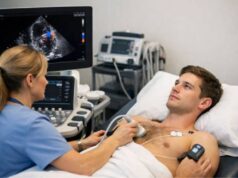
Epicardial fat hypertrophy means there is an increased layer of fat on the surface of the heart. Many people only learn about it after an echocardiogram or a heart CT done for another reason. On its own, it often causes no symptoms. What matters is what it can signal and what it can influence: epicardial fat tends to grow alongside belly fat, insulin resistance, high blood pressure, and abnormal cholesterol—and it can release inflammatory signals that may affect nearby heart muscle and coronary arteries.
Think of epicardial fat hypertrophy as a “metabolic smoke alarm.” It does not automatically mean you have blocked arteries or an imminent heart event, but it does mean your heart is sitting next to an active fat depot that tracks with higher long-term cardiovascular risk. The most helpful next step is a clear plan to measure overall risk, address drivers, and monitor for complications.
Table of Contents
- What it is and how it affects the heart
- What causes epicardial fat to enlarge?
- Symptoms and possible complications
- How it’s measured and diagnosed
- Treatment options and what to expect
- Long-term management and when to seek care
What it is and how it affects the heart
Epicardial fat (often called epicardial adipose tissue) sits between the heart muscle and the thin sac around the heart. Unlike the fat you can pinch under the skin, epicardial fat behaves more like visceral fat—metabolically active tissue that communicates with nearby organs. “Hypertrophy” in this context usually means increased thickness (seen on echocardiography) and/or increased volume (measured more precisely on CT or MRI).
A key detail is proximity: epicardial fat lies directly against the heart and coronary arteries without a strong barrier layer. That closeness allows “cross-talk” through small blood vessels and chemical signals. In small amounts, epicardial fat may be protective—providing local energy supply and cushioning. When it expands and becomes inflamed, it can shift toward producing signals linked with oxidative stress, fibrosis, and vascular dysfunction.
How epicardial fat hypertrophy may affect the heart in real life:
- Coronary artery influence (risk signaling and risk biology): Larger epicardial fat depots correlate with more coronary plaque burden and adverse cardiac outcomes in many populations. It may not be the only cause, but it often travels with the same drivers that cause coronary disease.
- Heart muscle stiffness and remodeling: Excess epicardial fat is frequently seen in people with metabolic syndrome and heart failure with preserved ejection fraction (HFpEF). The proposed pathway is chronic low-grade inflammation plus mechanical constraint, contributing to impaired relaxation.
- Atrial remodeling and arrhythmias: Epicardial fat around the atria can release pro-fibrotic mediators, potentially promoting atrial fibrillation susceptibility in some patients.
- A “risk amplifier” rather than a diagnosis by itself: Epicardial fat hypertrophy is usually not treated as a stand-alone disease. Clinicians use it as a cue to look closely at blood pressure, glucose metabolism, lipid profile, sleep apnea risk, liver fat, and overall cardiovascular risk.
A helpful mindset: epicardial fat hypertrophy is often a visible marker of invisible processes—insulin resistance, chronic inflammation, and long-term exposure to excess calories or poor sleep—that can be improved. Your most powerful lever is not “getting rid of the fat on the echo,” but reducing the drivers that make that fat biologically harmful.
What causes epicardial fat to enlarge?
Epicardial fat enlargement is usually multifactorial. It reflects both energy storage (calories in vs calories out over time) and metabolic signaling (how your body handles insulin, lipids, and inflammation). Two people with the same body weight can have very different epicardial fat amounts, because visceral fat distribution varies widely.
Common drivers and risk factors include:
- Central (abdominal) obesity and visceral fat predominance: Waist circumference often tracks epicardial fat better than BMI. If weight is carried mainly around the midsection, epicardial fat is more likely to be increased.
- Insulin resistance and type 2 diabetes: Higher insulin levels and glucose variability promote fat deposition in ectopic sites (organs where fat is not meant to accumulate heavily). Epicardial fat is one of those sites.
- Metabolic syndrome: The cluster of elevated blood pressure, high triglycerides, low HDL, elevated fasting glucose, and central obesity strongly associates with epicardial fat hypertrophy.
- Dyslipidemia: Higher LDL particle burden, elevated triglycerides, and remnant cholesterol correlate with visceral and ectopic fat patterns that include epicardial fat.
- Nonalcoholic fatty liver disease (NAFLD): Liver fat and epicardial fat often rise together, suggesting shared metabolic pathways and risk amplification.
- Obstructive sleep apnea and short sleep duration: Intermittent low oxygen and sleep fragmentation worsen insulin resistance and inflammatory tone, which can support ectopic fat growth.
- Aging and hormonal shifts: Epicardial fat tends to increase with age. After menopause, changes in fat distribution can favor visceral and ectopic depots.
- Chronic inflammatory states: Conditions that elevate systemic inflammation can worsen adipose dysfunction, making epicardial fat more inflammatory even at similar size.
- Medications and endocrine disorders (selected cases): Long-term glucocorticoids, Cushing syndrome, untreated hypothyroidism, and some antipsychotic medications can shift body fat distribution and raise cardiometabolic risk.
It also helps to distinguish epicardial fat hypertrophy from a few related terms you might see in reports:
- Pericardial fat: sometimes used loosely; in strict imaging language it can include fat outside the pericardial sac. Epicardial fat is specifically inside the pericardial sac, directly on the heart.
- Lipomatous hypertrophy (of the interatrial septum): a separate entity involving fatty thickening in a specific area of the atrial septum, not the same as generalized epicardial fat.
Why clinicians care about causes: if epicardial fat hypertrophy is present, the most impactful “treatment” is identifying the dominant drivers for you—often insulin resistance, blood pressure, and lifestyle patterns—then addressing them in a structured way. The goal is to reduce not only fat size but also fat inflammation and downstream cardiovascular risk.
Symptoms and possible complications
Epicardial fat hypertrophy itself rarely causes a specific symptom that you can point to and say, “That’s the fat.” Most people feel normal and discover it incidentally. Symptoms—when present—are more often due to related conditions (coronary artery disease, high blood pressure, diabetes, sleep apnea, or arrhythmias) that travel with excess epicardial fat.
Common symptom patterns that may coexist
- Shortness of breath with exertion: can reflect deconditioning, asthma, anemia, or heart problems such as HFpEF. Epicardial fat is frequently elevated in people with HFpEF risk profiles.
- Chest discomfort or pressure: may be reflux or musculoskeletal pain, but it can also signal coronary disease. Epicardial fat correlates with coronary plaque burden in many studies, so symptoms deserve careful evaluation.
- Palpitations or irregular heartbeat sensations: atrial fibrillation and other arrhythmias have been associated with larger epicardial fat depots, particularly around the atria.
- Fatigue and poor sleep: often linked to sleep apnea, insulin resistance, and blood pressure dysregulation—common companions of epicardial fat hypertrophy.
Possible complications clinicians watch for
- Coronary artery disease and adverse cardiovascular events: Epicardial fat thickness/volume has been associated with higher risks of myocardial infarction, cardiac death, and coronary revascularization in aggregated studies. This does not mean epicardial fat guarantees a heart attack, but it raises the importance of prevention.
- Atrial fibrillation: Epicardial fat may contribute to atrial remodeling through local inflammatory and fibrotic signaling. In practice, the key is recognizing AF early because it changes stroke-prevention decisions.
- Heart failure with preserved ejection fraction (HFpEF) risk profile: Epicardial fat often expands in people with obesity-related cardiac remodeling—higher filling pressures, stiff ventricles, exercise intolerance—even when pumping strength looks normal.
- Metabolic progression: Epicardial fat hypertrophy is often a sign that ectopic fat is accumulating elsewhere too (liver, pancreas), increasing the probability of diabetes progression and vascular risk over time.
Red flags that need urgent evaluation
If you have epicardial fat hypertrophy and any of the following, seek urgent care:
- Chest pressure that lasts more than a few minutes at rest, or radiates to jaw/arm, or comes with sweating or nausea
- New severe shortness of breath, fainting, or confusion
- Palpitations with dizziness, chest pain, or near-fainting
- Sudden weakness, facial droop, or trouble speaking (possible stroke)
A practical takeaway: epicardial fat hypertrophy should shift your attention toward risk detection and risk reduction. The symptom that matters most is the one that suggests a complication—especially coronary ischemia or arrhythmia—because those are treatable, time-sensitive problems.
How it’s measured and diagnosed
Epicardial fat hypertrophy is diagnosed by imaging, not by a single blood test. The imaging method matters because different tools measure different things (thickness vs volume) with different precision.
1) Echocardiography (ultrasound of the heart)
Echocardiography commonly reports epicardial fat as a thickness measurement, often taken over the right ventricle in a standard view. Echo is widely available and does not use radiation. Limits include operator dependence and the fact that a single thickness slice may not reflect total epicardial fat volume. Report language can vary—some labs describe “increased epicardial fat,” others quantify a millimeter measurement.
How clinicians interpret echo findings:
- They consider whether the measurement is clearly separated from pericardial fluid (which appears as an anechoic, fluid-like space).
- They interpret thickness in context of body habitus and other findings (chamber size, diastolic function, pulmonary pressures).
- They avoid over-reading a borderline value—because there is no universal global cutoff that applies equally across sex, age, and ethnicity.
2) Cardiac CT
CT can quantify epicardial fat volume more directly and reproducibly. Some scans are done for coronary calcium scoring or coronary CT angiography; epicardial fat can be measured as an added analysis. CT provides strong anatomical detail, but uses radiation and often contrast (for angiography), so it is not used solely to “check fat” unless it changes management.
3) Cardiac MRI
MRI can also measure epicardial fat without radiation and can add valuable information about heart muscle tissue, inflammation, and function. Availability and cost can be limiting, and MRI is typically used when there is a clinical question beyond fat measurement.
4) Risk and metabolic evaluation (the “diagnosis behind the diagnosis”)
Once epicardial fat hypertrophy is identified, clinicians usually evaluate the drivers:
- Blood pressure patterns (including home readings)
- Fasting lipids (including non-HDL cholesterol)
- Glucose status (fasting glucose and A1c)
- Waist circumference and weight trajectory
- Sleep apnea screening when indicated
- Liver enzymes and, when appropriate, evaluation for fatty liver
5) Differentiating related conditions
A careful reader of imaging reports may see confusing terms. Clinicians may clarify:
- Epicardial fat vs pericardial fat terminology
- Epicardial fat vs pericardial effusion (fluid)
- Focal fat pads vs generalized enlargement
- Separate entities like lipomatous hypertrophy of the interatrial septum (a distinct, localized finding)
When repeat imaging is useful
Routine “fat tracking” scans are not always necessary. Repeat imaging is most helpful when it will change decisions—for example, reassessing coronary risk with a calcium score, evaluating persistent symptoms, or monitoring structural heart issues. Otherwise, most follow-up focuses on metabolic targets and symptom surveillance, because those are the levers that predict outcomes.
Treatment options and what to expect
There is no single pill labeled “epicardial fat hypertrophy.” Treatment targets the underlying biology: reduce visceral/ectopic fat burden, improve insulin sensitivity, lower inflammation, and aggressively manage cardiovascular risk factors. The encouraging part is that epicardial fat is modifiable—often within weeks to months—when the right interventions are chosen.
1) Lifestyle interventions (first-line for most people)
- Structured exercise: Evidence from randomized trials and meta-analyses suggests that regular exercise—especially endurance training—can reduce epicardial fat even over relatively short programs (often weeks), sometimes without large changes in body weight. Consistency matters more than perfection.
- Nutrition strategy that drives fat loss and metabolic repair: A Mediterranean-style pattern (vegetables, legumes, whole grains, fish, unsaturated fats) is a practical baseline. The most important factor is achieving a sustainable calorie deficit (when weight loss is needed) and improving diet quality to reduce triglycerides, blood pressure, and glucose variability.
- Sleep optimization: Treating sleep apnea and improving sleep duration can improve insulin resistance and blood pressure control, supporting better fat distribution over time.
2) Weight loss targets that translate into heart benefit
A modest weight loss can improve metabolic markers; larger losses tend to reduce ectopic fat depots more noticeably. Clinicians often focus on:
- Waist reduction (a proxy for visceral fat)
- Triglyceride improvement and HDL rise
- Blood pressure lowering
- Improved A1c in people with prediabetes/diabetes
3) Medications (selected patients)
Medication choice depends on your overall risk profile, not just the imaging note.
- SGLT2 inhibitors (for appropriate patients with type 2 diabetes and some with heart failure): Meta-analytic evidence suggests these agents can reduce epicardial fat measures in studied populations. They also have established cardiovascular and kidney benefits in many high-risk patients, which is often the larger reason they are chosen.
- GLP-1 receptor agonists (for appropriate patients with obesity and/or diabetes): These often support meaningful weight loss and may reduce ectopic fat depots, including epicardial fat, in many patients. They can also improve blood pressure, triglycerides, and glycemic control.
- Statins and lipid-lowering therapy: These do not “melt” epicardial fat in a predictable way, but they reduce atherosclerotic risk and stabilize plaque biology—critical when epicardial fat hypertrophy coexists with coronary risk.
- Blood pressure therapy: Lowering blood pressure reduces vascular stress and long-term event risk, indirectly improving the context in which epicardial fat exerts harm.
4) Bariatric and metabolic surgery (for eligible patients)
For people with severe obesity and related complications, bariatric surgery can produce substantial and durable weight loss and often reduces ectopic fat depots over months. It is not a cosmetic procedure; it is a metabolic intervention with cardiovascular implications.
What to expect
- Improvements in exercise tolerance and metabolic labs can appear within weeks.
- Epicardial fat measurements may improve over months, especially with meaningful visceral fat reduction.
- The most important endpoint is not the millimeters of fat on an image, but reduced risk of coronary events, improved rhythm stability, and better functional capacity.
A useful “success definition” is a combination of fewer symptoms (if you had any), better metabolic numbers, and a plan you can maintain for years—not a single follow-up scan.
Long-term management and when to seek care
Long-term management is about keeping epicardial fat from behaving like inflamed visceral fat and preventing the problems it tends to travel with. The simplest effective plan has three pillars: measurable targets, a sustainable routine, and clear rules for when to escalate care.
1) Set measurable targets (with your clinician)
Targets vary by person, but commonly include:
- Blood pressure: often around or below 130/80 mmHg if tolerated and appropriate
- Lipids: LDL and non-HDL goals tailored to your overall risk (more aggressive if you have known coronary disease or diabetes)
- Glucose: A1c goals individualized to age, comorbidities, and hypoglycemia risk
- Waist circumference and weight trend: focus on direction and consistency rather than quick drops
- Fitness marker: weekly minutes of moderate activity and a simple functional marker (for example, ability to climb stairs without stopping)
2) Build a repeatable weekly routine
- Exercise: Aim for about 150 minutes/week of moderate aerobic activity (or equivalent) plus 2 sessions/week of strength training. If you are new to exercise or have symptoms, start with shorter bouts and build up.
- Food structure: Pick a default breakfast and lunch you can repeat, keep high-protein snacks available, and plan dinners that center vegetables and lean protein. Consistency reduces decision fatigue.
- Sleep: Keep a stable sleep window. If you snore loudly, feel unrefreshed, or have daytime sleepiness, ask about sleep apnea evaluation—treating it can meaningfully improve blood pressure and metabolic control.
3) Medication adherence and monitoring
If you take medications for blood pressure, lipids, or diabetes, adherence is often the difference between “stable risk” and “creeping risk.” Helpful habits include a weekly pill organizer and a refill reminder set 7–10 days before you run out.
Monitoring commonly includes:
- Home blood pressure checks several times per week
- Periodic lipid panels after medication changes
- A1c checks on a schedule appropriate to your glucose status
- Follow-up if new symptoms develop, rather than waiting for routine visits
4) When to seek urgent care
Seek emergency evaluation if you have:
- Chest pain/pressure at rest or lasting more than a few minutes
- Severe shortness of breath, fainting, or a sense you might pass out
- Palpitations with dizziness, chest pain, or new severe breathlessness
- Stroke warning signs: sudden weakness, facial droop, trouble speaking, sudden vision loss
Call your clinician promptly (often within 24–72 hours) for:
- New exertional chest discomfort or breathlessness
- Increasing palpitations or episodes of rapid, irregular heartbeat
- Swelling in legs, rapid weight gain over days, or worsening exercise tolerance
A realistic long-term goal is not “zero epicardial fat.” It is a heart-protective environment: lower inflammation, better metabolic control, stronger fitness, and early detection of complications. That is how an imaging finding becomes an opportunity rather than a source of worry.
References
- Epicardial Adipose Tissue Assessed by Computed Tomography and Echocardiography Are Associated With Adverse Cardiovascular Outcomes: A Systematic Review and Meta-Analysis 2023 (Systematic Review, Meta-Analysis)
- Physical exercise and epicardial adipose tissue: A systematic review and meta-analysis of randomized controlled trials 2021 (Systematic Review, Meta-Analysis)
- Effect of SGLT2-Inhibitors on Epicardial Adipose Tissue: A Meta-Analysis 2021 (Meta-Analysis)
- SGLT2 inhibitors reduce epicardial adipose tissue more than GLP-1 agonists or exercise interventions in patients with type 2 diabetes mellitus and/or obesity: A systematic review and network meta-analysis 2025 (Systematic Review, Network Meta-Analysis)
Disclaimer
This article is for educational purposes only and does not provide medical advice, diagnosis, or treatment. Epicardial fat hypertrophy is an imaging finding that can be associated with higher cardiometabolic risk, but the meaning for any individual depends on symptoms, medical history, test results, and overall cardiovascular risk profile. If you have chest pain at rest, severe shortness of breath, fainting, new weakness, or stroke-like symptoms, seek emergency care immediately. For personalized guidance, consult a licensed clinician who can evaluate you and tailor a prevention and treatment plan.
If you found this article helpful, please share it on Facebook, X (formerly Twitter), or any platform you prefer, and follow us on social media. Your support through sharing helps our team continue producing high-quality health content.