Episodic hypertension is a pattern where blood pressure rises in distinct “spikes,” then returns to a person’s usual range. Some spikes are triggered by stress, pain, or medications. Others feel sudden and unexplained, which can be frightening—especially when the numbers look severe. The challenge is that not every spike reflects the same problem: a faulty measurement, a panic surge, obstructive sleep apnea, or a rare hormone-secreting tumor can all look similar on a home cuff.
This article helps you make sense of that uncertainty. You’ll learn how clinicians define episodic hypertension (high blood pressure that comes and goes), which causes must be ruled out first, what symptoms suggest an emergency, and how diagnosis works using home readings and 24-hour monitoring. Most importantly, you’ll find practical treatment and management strategies that reduce both short-term fear and long-term cardiovascular risk.
Table of Contents
- What episodic hypertension is and how it affects the body
- What causes blood pressure spikes and who is at risk?
- Symptoms during episodes and possible complications
- How episodic hypertension is diagnosed
- Treatment options for episodes and long-term control
- Daily management, prevention, and when to seek urgent care
What episodic hypertension is and how it affects the body
Episodic hypertension describes repeated, temporary surges in blood pressure—often with a noticeable start and finish—separated by periods of normal or near-normal readings. Clinicians may also call this paroxysmal hypertension when the episodes are abrupt, intense, and not clearly linked to immediate stress. The key feature is the pattern: the average blood pressure may look acceptable in the clinic, while home readings show intermittent peaks.
It helps to separate episodic hypertension from three common look-alikes:
- White-coat effect: blood pressure rises mainly in medical settings but is normal at home.
- Masked hypertension: office readings look fine, but out-of-office averages are high (a “hidden” sustained problem rather than true episodes).
- Labile blood pressure: readings fluctuate frequently (often from anxiety, caffeine, pain, or poor measurement technique) without clear episodes.
Why episodic spikes matter depends on three dimensions:
- Height: higher peaks can stress the heart, brain, and blood vessels.
- Duration: a 2-minute spike is not the same as a 2-hour spike.
- Context and symptoms: spikes with chest pain, neurologic symptoms, or breathlessness carry more urgency.
Most isolated spikes do not cause immediate organ damage. The body can tolerate short-lived surges better than sustained high pressure. However, repeated severe surges can be dangerous in vulnerable situations, such as known coronary artery disease, prior stroke, aneurysm, pregnancy-related hypertension, or advanced kidney disease.
Another important point: episodic hypertension can be a “signal,” not just a number. A person may have:
- An underlying sustained blood pressure problem that is being missed (masked hypertension),
- A sympathetic nervous system pattern (adrenaline-driven surges),
- A trigger that is correctable (sleep apnea, stimulant medications, heavy alcohol use, uncontrolled pain),
- Or, rarely, an endocrine cause that requires specific treatment.
Clinically, the first job is safety: decide whether an episode is a hypertensive emergency (high blood pressure with signs of acute organ injury) versus a severe but uncomplicated surge. The second job is accuracy: confirm the pattern with reliable measurements. The third job is strategy: treat the driver so the episodes become less frequent, less severe, and less disruptive to daily life.
What causes blood pressure spikes and who is at risk?
Episodic hypertension is not one diagnosis. It is a symptom pattern with multiple possible causes, ranging from benign and common to rare and high-stakes. A clear way to organize causes is: measurement issues, reversible triggers, secondary medical conditions, and paroxysmal syndromes.
1) Measurement and situational causes (very common)
- Wrong cuff size (too small often reads falsely high)
- Measuring over clothing, talking, or sitting with unsupported arm/feet
- Taking readings immediately after climbing stairs, smoking, or drinking coffee
- Anxiety about the reading itself, creating a feedback loop (“numbers → fear → higher numbers”)
2) Reversible triggers and substances
- Stimulants: ADHD medications, certain weight-loss stimulants, cocaine/amphetamines
- Decongestants (especially those containing sympathomimetic agents)
- Excess caffeine or energy drinks
- Nicotine (including vaping) and nicotine withdrawal
- Alcohol binge use and withdrawal
- NSAIDs in some people (can raise baseline pressure and amplify variability)
- Severe pain, panic attacks, or acute stress
3) Medical and secondary causes worth screening for
- Obstructive sleep apnea: a major driver of morning surges and resistant patterns
- Kidney disease: reduced kidney function can destabilize pressure control
- Renal artery stenosis: can cause sudden worsening or “flash” blood pressure swings in select cases
- Thyroid disease: hyperthyroidism can increase pulse pressure and adrenergic symptoms
- Primary aldosteronism: often sustained, but can appear as variable or “hard to control”
- Catecholamine-secreting tumors: pheochromocytoma/paraganglioma are classic but rare
- Pregnancy-related disorders (preeclampsia) in pregnant or recently postpartum patients
4) Paroxysmal syndromes after major causes are excluded
A notable category is pseudopheochromocytoma, often used for recurrent paroxysmal hypertension episodes with symptoms resembling catecholamine excess (headache, palpitations, sweating) but without evidence of a tumor. Some evidence suggests that in many patients, episodes relate to sympathetic activation tied to long-standing stress patterns or past trauma, even when the person does not feel “anxious” at the time of the surge. This does not make the symptoms “imaginary”—it describes a body-level surge that deserves real treatment.
Who is at higher risk of clinically significant spikes
- People with obesity, diabetes, and metabolic syndrome (often linked with sleep apnea)
- Individuals with chronic kidney disease
- Those with high baseline blood pressure that is undertreated or inconsistently treated
- People using stimulants, frequent decongestants, or heavy caffeine/nicotine
- Patients with a history of panic attacks, PTSD, or chronic high stress (not always obvious in the moment)
- Anyone with prior cardiovascular or cerebrovascular disease, where spikes may carry higher short-term risk
The practical approach is “common first, dangerous not missed.” Most people end up with a combination of measurement issues plus modifiable triggers or a treatable secondary driver like sleep apnea—yet clinicians still screen for rare causes when the episode pattern and symptoms make them plausible.
Symptoms during episodes and possible complications
Some blood pressure spikes are silent and discovered only because someone checks a cuff “just to see.” Others arrive with a wave of symptoms that makes the episode feel like an emergency. Symptoms are driven not only by the blood pressure number but also by the speed of rise, sympathetic activation, and any underlying heart or brain vulnerability.
Common symptoms during episodic hypertension
- Throbbing headache, pressure behind the eyes, or head “pounding”
- Palpitations (fast or forceful heartbeat)
- Sweating, tremor, flushing, or chills
- Anxiety, agitation, or a sense of impending doom (which may be a symptom, not the cause)
- Nausea, abdominal discomfort, or diarrhea in adrenergic surges
- Chest tightness or shortness of breath, especially with exertion
- Ringing in the ears or a pulsating sensation
Clues that suggest a specific direction
- Episodes with prominent sweating, palpitations, and headaches raise suspicion for catecholamine-driven surges (tumor-related or not).
- Episodes clustering at night or early morning often point toward sleep apnea.
- Episodes after certain cold medicines, stimulants, or heavy caffeine suggest a medication/substance driver.
- Episodes tied to panic sensations may overlap with panic disorder; importantly, panic can be both a trigger and a downstream effect of a sudden autonomic surge.
Complications: what clinicians worry about
Most uncomplicated spikes do not cause immediate damage, but risk rises with very high readings, prolonged duration, and vulnerable organs.
Potential complications include:
- Stroke or transient ischemic attack: especially if neurologic symptoms accompany a surge
- Acute coronary syndrome: high pressure increases heart workload and oxygen demand
- Heart failure exacerbation: surges can trigger pulmonary congestion in susceptible people
- Aortic dissection: rare, but the risk rises with extremely high pressures and certain aortic conditions
- Acute kidney injury: more likely in people with existing kidney disease or dehydration
- Eye complications: very high pressure can cause retinal hemorrhage or visual changes
- Quality-of-life harm: repeated episodes can lead to avoidance of exercise, insomnia, and constant checking, which can worsen overall cardiovascular health
Symptoms that should be treated as an emergency
Call emergency services or go to urgent evaluation if an episode includes:
- Chest pain/pressure that lasts more than a few minutes, or radiates to arm/jaw
- New weakness, facial droop, confusion, severe headache “worst ever,” or trouble speaking
- Severe shortness of breath, fainting, or blue lips
- New vision loss or severe, persistent visual disturbance
- Severe back or tearing chest pain, especially with collapse or neurologic symptoms
A helpful “episode record”
If your clinician is evaluating episodic hypertension, document:
- Peak reading and how it was measured (cuff size, posture, timing)
- Duration (minutes vs hours)
- Symptoms and sequence (what came first—palpitations, fear, headache?)
- Triggers in the prior 6–12 hours (sleep, alcohol, caffeine, meds, pain, argument, exercise)
- What helped (rest, breathing, medication)
This record often shortens the time to an accurate diagnosis and prevents unnecessary escalation while still protecting against missed emergencies.
How episodic hypertension is diagnosed
Diagnosis has a simple goal: confirm the pattern reliably, rule out emergencies and high-risk causes, then identify the driver that will change treatment. A single office visit rarely captures the full story, so clinicians rely on structured home data and targeted testing.
1) Confirm that the readings are real
Accurate technique is essential before labeling someone with episodic hypertension.
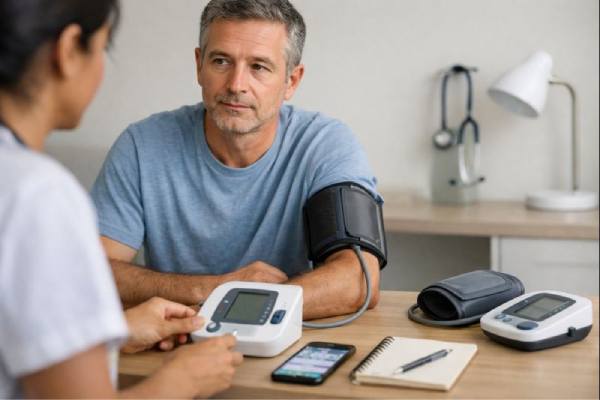
- Use a validated upper-arm cuff with correct size (many adults need a large cuff).
- Rest quietly for 5 minutes, feet flat, back supported, arm supported at heart level.
- Take 2 readings one minute apart and record both.
- Avoid measuring right after exercise, nicotine, caffeine, or a hot shower.
2) Capture the pattern with out-of-office monitoring
- Home blood pressure log: best when it includes routine readings (morning/evening) plus “during-episode” readings.
- 24-hour ambulatory blood pressure monitoring (ABPM): the most informative tool when spikes are suspected, because it shows daytime and nighttime patterns, morning surge, and whether the overall average is truly elevated.
ABPM also helps detect masked hypertension (high average outside the clinic) and distinguishes “true episodes” from frequent variability.
3) Assess for organ stress and baseline risk
Depending on severity and symptoms, clinicians may check:
- Basic metabolic panel (kidney function, electrolytes)
- Urinalysis or urine albumin-to-creatinine ratio (kidney stress)
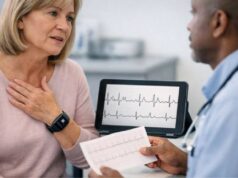
- ECG (rhythm and evidence of heart strain)
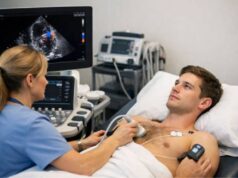
- Echocardiogram if longstanding hypertension or symptoms suggest heart involvement
- Eye exam if readings have been extremely high or vision symptoms occur
4) Screen for secondary causes when the story fits
Testing is guided by the episode pattern, symptoms, and baseline risks.
Common targeted evaluations include:
- Pheochromocytoma/paraganglioma screening: usually with plasma free metanephrines or 24-hour urine fractionated metanephrines when episodes are severe, symptomatic, and suggest catecholamine surges.
- Primary aldosteronism screening: aldosterone-renin ratio in patients with resistant hypertension, low potassium, or suggestive family history.
- Thyroid testing: TSH (and sometimes free T4) if tachycardia, weight loss, heat intolerance, or tremor accompany spikes.
- Sleep apnea screening: strongly considered with snoring, witnessed apneas, morning headaches, daytime sleepiness, or resistant patterns.
- Medication and substance review: including OTC agents, supplements, and “pre-workout” products.
5) Consider paroxysmal syndromes after exclusions
When repeated severe episodes occur and tumor screening is negative, clinicians may consider pseudopheochromocytoma or related autonomic patterns. This is where a careful history matters: the episodes may feel “out of the blue,” but the body’s stress system can be conditioned over years. In these cases, diagnosis is not “nothing is wrong.” It is a shift toward treating sympathetic surges and reducing recurrence.
A diagnostic tip that reduces confusion
Ask for two interpretations, not one:
- What do my average out-of-office readings show (do I have sustained hypertension)?
- What explains the spikes (triggers, sleep apnea, medications, autonomic surges, rare endocrine causes)?
That dual answer prevents the common trap of treating only the episodes while missing a sustained baseline risk—or treating baseline blood pressure aggressively while ignoring a predictable episodic trigger.
Treatment options for episodes and long-term control
Treatment has two tracks: what to do during a spike and how to reduce the chance of future spikes. The best plan is individualized, because “episodic hypertension” can represent anything from measurement artifact to a treatable endocrine condition.
1) What to do during an episode
First, assess symptoms—not just the number.
If there are emergency symptoms (chest pain, stroke-like symptoms, severe shortness of breath, fainting), seek urgent care immediately.
For non-emergency spikes, a safer at-home approach often includes:
- Sit quietly, loosen tight clothing, and breathe slowly (for example, inhale 4 seconds, exhale 6 seconds) for 5–10 minutes.
- Repeat the measurement with correct technique.
- Avoid “stacking” repeated readings every minute; that can amplify anxiety and keep pressure elevated.
- If your clinician has prescribed an as-needed plan (some patients are given a short-acting agent for severe spikes), follow that specific instruction.
Important safety point: aggressive self-treatment without guidance can cause overshoot hypotension (blood pressure dropping too low), dizziness, falls, or reduced blood flow to the brain—especially in older adults.
2) Treat the underlying driver (this is the real solution)
- If sustained hypertension is present: clinicians optimize daily therapy (often with long-acting medications) to reduce baseline risk and blunt spikes.
- If sleep apnea is present: treating it (often with CPAP) can reduce morning surges and overall variability.
- If medications/substances are contributing: replacing decongestants, adjusting stimulants, reducing heavy caffeine/nicotine, and addressing alcohol patterns can markedly reduce episodes.
- If pain is the trigger: improving pain control and physical conditioning reduces sympathetic surges.
- If an endocrine cause is found: treatment becomes specific (for example, tumor management for catecholamine-secreting tumors, or targeted therapy for hormone disorders).
3) Strategies for recurrent paroxysms with negative tumor testing
For patients with recurrent, severe episodes resembling catecholamine surges but without a detectable tumor, clinicians may use:
- Alpha- and/or beta-adrenergic blockade in selected patients to dampen surges (medication choice depends on heart rate, baseline pressure, asthma, and other factors).
- Psychopharmacologic treatment when a stress-system pattern is suspected, especially if episodes are frequent and disabling. Some published clinical experience supports antidepressant therapy in certain recurrent paroxysmal patterns.
- Skills-based therapy (such as cognitive behavioral approaches or trauma-informed therapy) to reduce autonomic reactivity and the fear loop that reinforces episodes.
This approach can sound surprising to patients who do not feel anxious. The key is to treat the physiology: recurrent surges can be driven by a sensitized sympathetic system even when the mind feels calm.
4) What to expect
- If the main drivers are measurement issues, caffeine/decongestants, nicotine, or sleep apnea, improvement can be seen within weeks.
- If baseline hypertension is undertreated, optimizing daily therapy often reduces both average pressure and spike intensity over 1–2 months.
- If episodes have become a conditioned autonomic pattern, improvement may be gradual—but many patients improve substantially with a structured plan that combines medical therapy, trigger reduction, and nervous-system retraining.
The most successful treatment plans define “success” as fewer episodes, lower peaks, shorter duration, and less disruption—while also lowering long-term cardiovascular risk.
Daily management, prevention, and when to seek urgent care
Living with episodic hypertension is easier when you replace uncertainty with a repeatable routine. The goal is to reduce triggers, collect clean data, and have a clear action plan for spikes so you do not have to improvise in the moment.
1) Build a “clean measurement” routine
- Measure at consistent times (often morning and evening) for a defined period (for example, 1–2 weeks) when establishing baseline.
- Use the same validated cuff and the same arm each time.
- Record context: sleep quality, caffeine, nicotine, exercise, pain, and medications.
- If you tend to recheck repeatedly, set a rule: no more than two readings per session unless your clinician advises otherwise.
2) Reduce common spike drivers
- Limit or eliminate decongestants and stimulant-like supplements unless medically necessary.
- Keep caffeine intake consistent and avoid large “bolus” doses (energy drinks are common culprits).
- If you use nicotine, create a quit plan; nicotine surges and withdrawal both destabilize blood pressure.
- Prioritize sleep and screen for sleep apnea when symptoms suggest it.
- Manage salt intake and hydration consistently; large swings can worsen variability in some people.
- Maintain regular physical activity, starting gently if you fear triggering episodes. A graded plan often reduces long-term reactivity.
3) Create an episode action plan (written, simple)
A practical plan often includes:
- Sit, breathe slowly, and wait 5 minutes.
- Recheck once with correct technique.
- If the number remains very high but symptoms are mild, follow your clinician’s prescribed next step (which may include observation, an as-needed medication, or contacting a clinic line).
- If red-flag symptoms appear at any point, seek emergency care.
4) Know the difference between urgency and emergency
- A high number alone can be alarming, but the emergency is defined by signs of organ injury (neurologic deficits, ongoing chest pain, pulmonary edema symptoms, acute confusion, severe visual symptoms).
- People with known aneurysm, advanced kidney disease, pregnancy, or prior stroke may need a lower threshold for urgent evaluation—your clinician can personalize this.
5) Follow-up that prevents chronic fear
Consider discussing these specifics with your clinician:
- Do my averages indicate sustained hypertension that needs daily treatment?
- Which secondary causes have been ruled out, and which still make sense to test?
- Should I have ABPM to clarify nighttime and morning patterns?
- If I need an as-needed medication, which one is safest for me, and when exactly should I use it?
- What is my plan for exercise, travel, and stressful days?
When to seek urgent care
Go for urgent evaluation if you have:
- Chest pain/pressure, new neurologic symptoms, severe shortness of breath, fainting, or severe persistent headache
- A very high reading plus confusion, weakness, vision loss, or inability to lie flat due to breathlessness
- Pregnancy or postpartum status with headache, visual changes, upper abdominal pain, or swelling
Episodic hypertension can feel like living with a “false fire alarm.” The fix is not ignoring it—it is calibrating it. With accurate measurement, smart screening, and a personalized response plan, most people can reduce spikes substantially and regain confidence in daily life.
References
- 2024 ESC Guidelines for the management of elevated blood pressure and hypertension 2024 (Guideline)
- 2024 European Society of Hypertension clinical practice guidelines for the management of arterial hypertension 2024 (Guideline)
- Ambulatory blood pressure monitoring. Current status and future perspectives 2024 (Review)
- Clarifying the Cause and Treatment of Paroxysmal Hypertension (Pseudopheochromocytoma) 2022 (Review)
- Pseudopheochromocytoma: an Uncommon Cause of Severe Hypertension 2022 (Review)
Disclaimer
This article is for educational purposes only and does not provide medical advice, diagnosis, or treatment. Blood pressure spikes can sometimes signal a medical emergency or an underlying condition that needs urgent evaluation. If you have chest pain, stroke-like symptoms (weakness, facial droop, trouble speaking), severe shortness of breath, fainting, sudden vision loss, or a severe “worst headache,” seek emergency care immediately. For individualized guidance, consult a licensed clinician who can evaluate your readings, symptoms, medications, and risk factors and develop a safe, tailored plan.
If you found this article helpful, please share it on Facebook, X (formerly Twitter), or any platform you prefer, and follow us on social media. Your support by sharing helps our team continue producing high-quality health content.