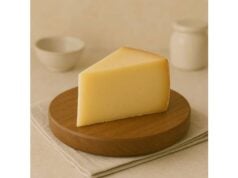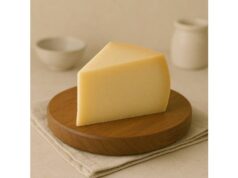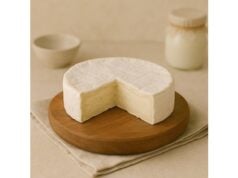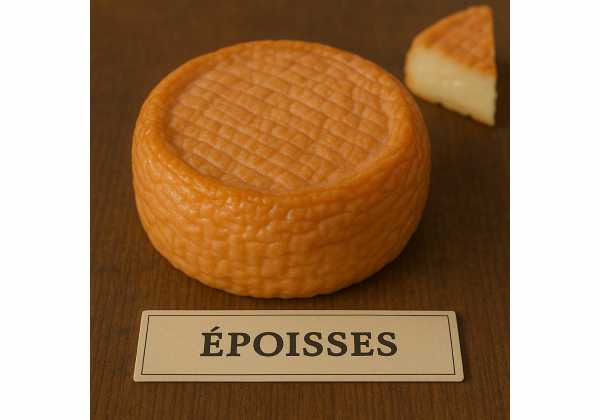
Époisses is one of France’s boldest cheeses—a small, orange-rinded wheel from Burgundy washed in brine and marc de Bourgogne that ripens to a spoonable, custardy interior. Behind the famous aroma is a careful surface-ripening process that transforms simple cow’s milk into a savory, umami-rich cheese with notes of meaty broth, roasted nuts, and a faint sweetness. For cooks, Époisses is versatile: it melts luxuriously over roasted potatoes, enriches sauces, and anchors a cheese board with fruit, walnuts, and crusty bread. A typical 100-gram portion supplies meaningful protein and several B-vitamins while remaining very low in carbohydrates. Like many washed-rind cheeses, it is salty and rich in saturated fat, so portions matter. Pasteurized versions are widely sold, while raw-milk wheels exist within the AOP (PDO) rules. If you’ve wondered how to buy, store, serve, and fit Époisses into a balanced diet—without losing sight of safety—this guide brings together the essential details in one place.
Top Highlights
- Provides ~17 g protein and notable B12 per 100 g; very low in carbs (≈1 g).
- Strong flavor means a little goes far; typical portion is 30 g, enjoyed 1–3 times weekly.
- Soft, high-moisture cheeses carry higher Listeria risk; choose pasteurized products and handle cold-chain carefully.
- People with milk allergy, those on MAOIs (tyramine), and pregnant individuals avoiding unheated soft cheese should limit or avoid.
Table of Contents
- Époisses Cheese: Detailed Overview
- Époisses Nutrition Profile
- Health Benefits of Époisses
- Époisses Risks, Allergies and Interactions
- Buying and Storing Époisses
- Serving, Cooking and Nutrient Retention
- Portions, Comparisons and FAQs
Époisses Cheese: Detailed Overview
Époisses de Bourgogne is a protected-origin (AOP/PDO) cow’s-milk cheese from the Côte-d’Or in eastern France. The wheel is small (typically 250 g) with a thin, tacky rind whose orange-amber color comes from regular washing in light brine and local marc de Bourgogne during ripening. These washes encourage surface bacteria to flourish—especially the “smear” community that gives washed-rind cheeses their signature aroma—and gently break down the paste from the outside in. When ripe, a cut wheel reveals a straw-colored interior that slowly oozes yet retains a tender core.
Flavor is assertive but balanced: beef broth and roasted nut notes mingle with savory umami, a faint sweetness, and a warm, cellar-like aroma. The rind is edible and contributes a saline, slightly bitter edge; trimming it is a matter of preference.
Époisses is usually matured 4–8 weeks. Pasteurized versions are common in export markets; raw-milk wheels are regulated within the AOP and more often found in France. Because it is high in moisture, salt, and fat—with almost no carbohydrates—it sits squarely in the soft, washed-rind category alongside Munster, Taleggio, and Limburger.
Culinary uses are wide-ranging for such a small wheel. A wedge warms beautifully on roasted new potatoes, cauliflower, or root vegetables; a spoonful melts into pan sauces for steak or mushrooms; and a small piece adds savory depth to omelets, tartines, and grain bowls. On a board, classic pairings include walnuts or hazelnuts, pears, apples, honey, and a crisp baguette or hearty rye. Dry white wines (Chablis, Aligoté) or fruity reds (Gamay) cut through richness; non-alcoholic options include tart apple must, unsweetened iced tea, or sparkling water with lemon.
Because Époisses is potent, a little goes far. Treat it as a flavor concentrate: 15–30 grams can transform a dish without overwhelming it or pushing saturated fat and sodium too high for the day.
Époisses Nutrition Profile
Per 100 g — typical producer labeling for AOP Époisses
(Values vary by maker and ripeness.)
| Category | Amount | %DV* |
|---|---|---|
| Energy | 290 kcal | — |
| Protein | 17.0 g | 34% |
| Total Fat | 24.0 g | 31% |
| Saturated Fat | 17.0 g | 85% |
| Carbohydrate (total) | 1.0 g | 0% |
| Total Sugars | 0.3 g | — |
| Fiber | 0 g | 0% |
| Sodium | ~720 mg** | 31% |
| Water | ~54–56 g | — |
Fats & Fatty Acids (representative of soft-ripened cow’s-milk cheese)
| Fatty Acids (per 100 g) | Amount |
|---|---|
| Monounsaturated Fat | ~8.1 g |
| Polyunsaturated Fat | ~0.8 g |
| Notable Saturates (approx.) | palmitic ~2.3 g, stearic ~0.8 g, myristic ~0.9 g |
Vitamins (per 100 g, representative values)
| Vitamin | Amount | %DV |
|---|---|---|
| Vitamin B12 (cobalamin) | ~1.7 µg | 71% |
| Riboflavin (B2) | ~0.54 mg | 42% |
| Vitamin A (RAE) | ~176 µg | 20% |
| Folate (DFE) | ~66 µg | 17% |
| Vitamin D | ~0.5 µg | 3% |
Minerals (per 100 g, representative values)
| Mineral | Amount | %DV |
|---|---|---|
| Calcium | ~184 mg | 14% |
| Phosphorus | ~190 mg | 15% |
| Zinc | ~2.4 mg | 22% |
| Selenium | ~14.6 µg | 27% |
| Potassium | ~150 mg | 3% |
Allergens & Intolerance Markers
- Contains milk proteins (casein, whey) and milk fat.
- Lactose is naturally very low in surface-ripened cheeses (often <1 g/100 g).
- Washed-rind cheeses can contain biogenic amines (e.g., tyramine, histamine) formed during ripening.
- %DV based on a 2,000-kcal diet: Fat 78 g, Saturated Fat 20 g, Carbohydrate 275 g, Fiber 28 g, Protein 50 g, Sodium 2,300 mg, Vitamin A 900 µg RAE, Riboflavin 1.3 mg, Vitamin B12 2.4 µg, Vitamin D 20 µg, Folate 400 µg DFE, Calcium 1,300 mg, Phosphorus 1,250 mg, Zinc 11 mg, Selenium 55 µg, Potassium 4,700 mg.
** Producer labels commonly list salt ~1.8 g per 100 g. Sodium ≈ salt × 0.4, hence ~720 mg sodium.
Notes: Micronutrient values are drawn from closely related soft-ripened cow’s-milk cheeses and are representative; exact amounts vary by brand, milk composition, and ripeness. Époisses is unfortified unless stated on the label.
Health Benefits of Époisses
Meaningful protein in small portions. Époisses provides ~5–6 g protein per 30-gram serving, supplying essential amino acids that support muscle maintenance and satiety. Because flavor is intense, even a 15–30 g portion can make a meal satisfying without relying on larger quantities.
B-vitamins for energy metabolism. Washed-rind, cow’s-milk cheeses contribute riboflavin (B2) and vitamin B12, both needed to convert food into energy and to support red blood cell formation and neurological function. A 100-gram portion can cover a large share of the daily need for B12 and a substantial fraction of B2.
Calcium and phosphorus for bones and teeth. Although softer cheeses carry less calcium than aged, hard cheeses, Époisses still adds useful calcium and phosphorus in a compact serving. When the rest of the day includes calcium-rich foods (e.g., yogurt, leafy greens, tofu set with calcium), occasional Époisses can contribute to overall mineral intake.
Low carbohydrate, minimal lactose. With around 1 g carbohydrate per 100 g, Époisses fits low-carb patterns and is generally better tolerated than fresh dairy by many people with lactose intolerance, since lactose is largely consumed by microbes during ripening. (Tolerance varies; start with small portions.)
Fermented dairy fits many healthy patterns. Across large cohorts and meta-analyses, total dairy—especially fermented types like yogurt and cheese—tends to show neutral to modestly beneficial associations with cardiometabolic outcomes when eaten as part of an overall balanced diet. While individual studies differ, a conservative takeaway is that moderate cheese intake can be compatible with heart-healthy eating when saturated fat and sodium are managed across the day.
Culinary “nutrient amplifier.” Époisses acts like a seasoning. A thin slice can make vegetables, legumes, and whole grains more appealing, indirectly improving the quality of a meal. Using a small amount of a strong cheese to encourage larger portions of produce and fiber is a smart trade-off for many home cooks.
Practical ways to capture the upsides
- Fold 15–20 g into a mushroom omelet or polenta bowl for extra protein and flavor.
- Melt 20–30 g over roasted carrots, broccoli, or rye toast; add a crunchy walnut topping.
- Pair a 30 g wedge with an apple and a handful of nuts for a balanced snack.
Bottom line: Époisses is a rich, fermented food that can be part of a varied, plant-forward diet when portions are small and other saturated fat and sodium sources are limited.
Époisses Risks, Allergies and Interactions
Listeria and other food-safety concerns. Soft, high-moisture cheeses carry a higher risk of contamination if production hygiene or cold-chain breaks down. Pregnancy, older age, and immunocompromising conditions increase the severity of illness. Safer choices include pasteurized cheeses, eaten fresh and kept cold; vulnerable people who still want soft cheese can heat it until steaming (≈74 °C/165 °F) in a cooked dish. Avoid raw-milk soft cheeses and any cheese sliced at a deli unless reheated thoroughly.
Saturated fat and sodium. A 30 g portion of typical Époisses delivers about 7–8 g total fat (~2–3 g saturated) and ~215 mg sodium. Over a day, keep saturated fat within recommended limits and balance salty items (cured meats, crackers, chips) accordingly. People managing hypertension, kidney disease, or fluid retention should be especially mindful.
Biogenic amines (tyramine, histamine). Washed-rind cheeses can accumulate tyramine and histamine during ripening. These may trigger migraine in susceptible individuals and can cause dangerous blood pressure spikes in those taking monoamine oxidase inhibitors (MAOIs). If you take an MAOI, it is safest to avoid aged/fermented cheeses. People with histamine intolerance may need to limit or skip washed-rind styles.
Allergy and intolerance. Anyone with IgE-mediated milk allergy should avoid Époisses entirely. Most people with lactose intolerance tolerate small amounts of ripened cheese, but start with 10–15 g and assess your response.
Alcohol-washed rind. During ripening, Époisses is washed with marc de Bourgogne (a pomace brandy) diluted in brine. Residual alcohol is negligible after aging, but the rind’s aroma can be reminiscent of spirits. If you avoid alcohol for personal or religious reasons, you may prefer trimming the rind and eating only the paste.
Food interactions and handling tips
- Keep cheese refrigerated at 4 °C/40 °F or colder; discard if it smells sharply ammoniacal or tastes bitter/metallic.
- Do not leave soft cheese at room temperature beyond 2 hours (or 1 hour in hot weather).
- Use clean knives and wrap; avoid cross-contamination with deli meats and raw produce.
If any safety concern applies to you—pregnancy, immune suppression, MAOI use, severe migraines—consult a clinician or registered dietitian before including washed-rind cheeses.
Buying and Storing Époisses
How to choose a good wheel
- Look for AOP/PDO wording on the label; it signals origin and traditional methods.
- Pasteurized vs. raw-milk: Pasteurized wheels are more widely available and are appropriate for vulnerable groups when handled safely; raw-milk versions are often stronger in aroma and best for low-risk consumers.
- Freshness cues: The rind should be orange to amber, tacky but not slimy. The box should be dry, without pooled moisture. A gentle press on the top should feel springy and soft but not collapsed.
- Aroma: Expect a washed-rind funk—meaty, cellar-like—but avoid sharp ammonia, sour milk, or vinegar notes.
Sustainability and ethics considerations
- Favor producers that source local milk, support pasture access when possible, and publish animal-welfare practices.
- Smaller wheels minimize waste if you eat cheese slowly; you’ll get more consistent quality by buying little and often.
- Choose recyclable wooden boxes and paper wraps over plastic clamshells when available.
Storage, shelf life, and food safety
- Temperature: Store at 4 °C/40 °F in the main refrigerator compartment.
- Wrap: Rewrap in breathable cheese paper or parchment, then place in a loose plastic bag or lidded container to control odor while allowing moisture exchange. Avoid tight plastic wrap, which traps ammonia.
- Placement: Keep away from cut fruits, deli meats, and leftovers to reduce cross-contamination risk.
- Shelf life (guideline): Unopened, up to the “best-before” date (often 1–2 weeks from purchase). Once opened, plan to finish within 3–5 days for best flavor and safety.
- Freezing: Not recommended; texture weeps and breaks on thawing.
- Reviving: If the surface dries, a light rewrap and 12–24 hours in the refrigerator can rehydrate the rind.
Troubleshooting the rind
- White film is usually salt bloom; wipe gently with a dry cloth.
- Green/black fuzzy mold indicates spoilage—discard.
- Strong ammonia smell that persists after 10–15 minutes at room temperature means the cheese is overripe—best to discard.
Serving, Cooking and Nutrient Retention
Bring to temperature the right way
- Remove from the refrigerator 30–45 minutes before serving.
- Keep the cheese in its paper or box while it warms to limit moisture loss.
- Cut just before serving to preserve the creamy core.
Smart serving ideas (small portions, big payoff)
- Warm potato salad: Toss steamed new potatoes with grain mustard, chives, and 20–30 g diced Époisses.
- Mushroom toast: Sauté mushrooms with thyme; spread 15–20 g on toasted rye and top with mushrooms and black pepper.
- Vegetable gratin: Layer blanched broccoli or leeks, sprinkle 25 g grated or diced Époisses, and bake until bubbling.
- Polenta bowl: Fold 15–20 g into soft polenta and top with roasted tomatoes.
Retaining nutrients and flavor
- Protein and minerals are heat-stable; B-vitamins are fairly stable in cheese (little water to leach out), though extended high heat can volatilize some aroma compounds.
- To keep the delicate paste intact, melt gently: add late in cooking or off the heat and stir until just blended.
- For vulnerable groups (pregnant, immune-suppressed), heat to 74 °C/165 °F; this safety step does not materially change protein or mineral content.
Pairings that balance richness
- Bitter greens (arugula, endive) and acidic fruit (apple, pear) refresh the palate.
- Whole-grain breads or boiled potatoes add fiber and potassium, moderating sodium per bite.
- Non-alcoholic pairings like tart apple must or sparkling water with citrus cut through fat.
Minimizing waste
- Trim and stir rind slivers into stews or broths for savory depth.
- Freeze scraped rinds for stock; use within 1 month (texture suffers, but flavor is fine for broth).
Portions, Comparisons and FAQs
How much is a portion?
For most adults, a 30 g (1 oz) serving on days you eat cheese is reasonable—enough for flavor, modest in saturated fat and sodium. Enjoy 1–3 times per week depending on your overall diet. Very active people with higher energy needs may stretch to 40–50 g, balancing other saturated fat sources.
What does 30 g look like?
Roughly a thick wedge the size of your thumb or two heaping tablespoons of the paste.
Portion planning tips
- Build the plate around vegetables and whole grains; treat Époisses like a condiment.
- Pair with unsalted nuts or crackers to keep sodium in check.
- If you’re tracking saturated fat, log the day’s other sources (butter, fatty meats) and adjust.
Quick comparisons (per 30 g, typical values)
| Cheese | Calories | Protein | Total Fat | Saturated Fat | Carb | Sodium |
|---|---|---|---|---|---|---|
| Époisses (washed-rind, soft) | ~87 kcal | ~5.1 g | ~7.2 g | ~5.1 g | ~0.3 g | ~215 mg |
| Brie (soft-ripened) | ~100–110 kcal | ~6.2 g | ~8.5 g | ~4.9 g | ~0.1 g | ~180–190 mg |
| Taleggio (washed-rind, semi-soft) | ~110–115 kcal | ~6.0 g | ~9.0 g | ~5.5 g | ~0.4 g | ~220–250 mg |
| Cheddar (hard) | ~120 kcal | ~7.0 g | ~10 g | ~6.0 g | ~0.2 g | ~180–200 mg |
Values vary by brand; Époisses is saltier than Brie and often a touch lower in calories per 30 g because many wheels are slightly higher in moisture.
FAQs
- Is the rind safe to eat? Yes—Époisses is a washed-rind cheese; the orange rind is edible and contributes a saline, savory note. Trim it if the flavor is too strong for you.
- Is Époisses vegetarian? Many AOP cheeses use animal rennet. If you need vegetarian rennet, check the label or contact the producer.
- Is it gluten-free? Cheese is naturally gluten-free; avoid cross-contamination (e.g., crumbs on a board).
- Keto-friendly? Very low in carbs; portions still matter due to fat and calories.
- Pregnant or immunocompromised? Choose pasteurized Époisses and heat to steaming if you want it in a cooked dish; otherwise, opt for hard cheeses.
- Lactose intolerance? Most tolerate small amounts because lactose is minimal, but individual responses vary—start with 10–15 g.
References
- How Listeria Spread: Soft Cheeses and Raw Milk | Listeria Infection | CDC 2025 (Guideline)
- Safer Food Choices for Pregnant Women | Food Safety | CDC 2025 (Guideline)
- A Comprehensive Review on the Biogenic Amines in Cheeses: Their Origin, Chemical Characteristics, Hazard and Reduction Strategies 2024 (Systematic Review)
- Nutrition Facts for Brie Cheese 2024 (Database)
- L’Epoisses AOP – Discover Époisses 2025 (Producer Data)
Disclaimer
This guide is for general information and education. It does not replace personalized medical advice, diagnosis, or treatment. If you are pregnant, immunocompromised, taking monoamine oxidase inhibitors, or have food allergies or specific medical conditions, consult a qualified health professional before consuming washed-rind soft cheeses.
If you found this article useful, please consider sharing it with friends or colleagues on Facebook, X (formerly Twitter), or anywhere you connect online. Your support helps us keep creating thoughtful, evidence-based food guides.