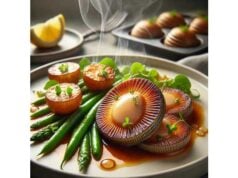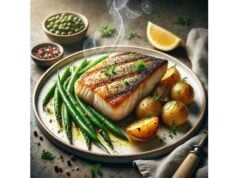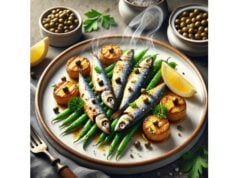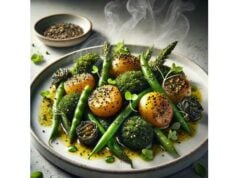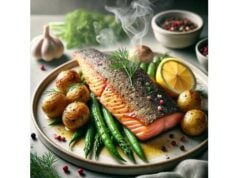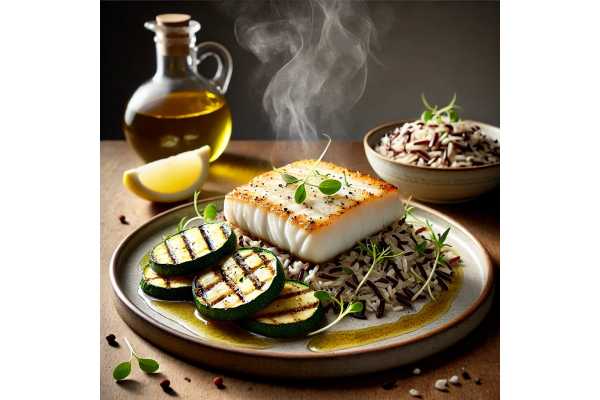
Escolar (Lepidocybium flavobrunneum), sometimes sold beside its close relative oilfish (Ruvettus pretiosus), is a firm, ivory-fleshed fish prized for buttery texture and clean sweetness. Chefs love its high heat tolerance for searing and grilling, and diners notice its rich mouthfeel even in small portions. That richness comes from unusual oils—wax esters—that set escolar apart nutritionally and culinarily. These oils explain both the fish’s appealing silkiness and its most famous caveat: in some people, large servings can cause transient oily stools (keriorrhea). When you understand portion size, trimming, and cooking technique, escolar can slot into a varied seafood rotation as an occasional treat. This guide gives a clear, people-first overview: what escolar is and how to use it, a per-100-gram nutrition profile with % Daily Values, the sensible benefits it can offer, key risks and who should skip it, how to select sustainable, high-quality fillets, nutrient-savvy cooking tips, and practical portions with smart comparisons and FAQs.
Fast Facts
- Rich, firm fish with high protein; notable for wax esters that create a buttery texture.
- Typical cooked serving: 75–115 g, enjoyed occasionally; larger portions raise risk of keriorrhea.
- Safety note: wax esters are indigestible and can cause oily stools; trimming belly/dark meat and choosing small portions reduce risk.
- Consider alternatives (sablefish, swordfish-free options like farmed trout) for similar textures with fewer digestive concerns.
- People with fat-malabsorption issues, children, and those who are or may become pregnant should avoid escolar or keep portions very small and infrequent.
Table of Contents
- Escolar Basics and Uses
- Escolar Nutrition Profile
- Evidence-Based Health Benefits
- Risks, Allergies and Interactions
- Selecting Quality, Sustainability and Storage
- Preparation, Cooking and Nutrient Retention
- Portions, Comparisons and FAQs
Escolar Basics and Uses
What it is
Escolar is a deep-water predatory fish in the Gempylidae family. Its flesh is ivory to pale rose, with a tight flake and high oil content. That “oil” is unusual: instead of mostly triglycerides like salmon, escolar contains wax esters in its muscle—long-chain fatty alcohols bound to long-chain fatty acids. Humans digest wax esters poorly, which explains both escolar’s characteristic mouthfeel and its well-known digestive side effects when over-consumed.
Flavor and texture
- Flavor: Clean, slightly sweet, and less fishy than mackerel or sardine.
- Texture: Dense yet buttery; stays moist under high heat.
- Culinary role: A “white steak fish” for searing, roasting, or skewering, and for cured-style presentations that are thoroughly heat-finished.
Culinary applications that make sense
- Hard sear, gentle finish: Pan-sear like scallops to get a deep crust, then finish in a low oven. Acidity (citrus, tomato, pickled shallots) keeps richness in balance.
- Grilled skewers: Small cubes threaded with vegetables; high heat renders surface oils and reduces the wax ester load per bite.
- Brothy bowls: Thin slices poached off-heat in a lemony broth; serve with barley or farro to add fiber and dilute richness.
- Cold plates: If previously cooked, flake modest amounts into grain salads with herbs, cucumber, and capers.
Portion and plating logic
Because wax esters are indigestible, size matters. Restaurants that handle escolar well plate small portions and surround them with high-volume vegetables. At home, think tapas rather than center-of-the-plate: a few elegant slices over a large salad or vegetable-forward grain bowl.
Who tends to enjoy it
- Diners who like rich, silky fish textures but find salmon too assertive.
- Cooks seeking a firm fish that won’t overcook easily.
- Hosts building a mixed seafood spread where a small amount of a “luxury” fish adds variety.
Escolar Nutrition Profile
How to read this: Values below describe cooked escolar, dry-heat, no sauce per 100 g—a reference basis used in nutrition tables. Real-world portions are smaller (75–115 g). Wax ester content varies by cut (belly and dark meat contain more). %DV uses current U.S. Daily Values for adults and children ≥4 years.
Macros and Electrolytes (per 100 g cooked)
| Nutrient | Amount | %DV |
|---|---|---|
| Energy | ~215–260 kcal | — |
| Protein | ~18–21 g | 36–42% |
| Total Fat | ~16–22 g | 21–28% |
| Saturated Fat | ~4–6 g | 20–30% |
| Carbohydrates | 0 g | 0% |
| Dietary Fiber | 0 g | 0% |
| Total Sugars | 0 g | — |
| Sodium | ~60–120 mg | 3–5% |
| Potassium | ~300–420 mg | 6–9% |
| Cholesterol | ~60–85 mg | — |
Interpretation: Escolar is a high-fat, high-protein fish. Calories and satiety are driven by its fat fraction; the fat is atypical because a meaningful share is wax esters rather than triglycerides.
Fats and Fatty Acids (per 100 g cooked)
| Component | Amount | %DV |
|---|---|---|
| Omega-3 EPA + DHA | ~0.3–0.7 g | — |
| Monounsaturated Fat | ~6–9 g | — |
| Polyunsaturated Fat | ~2–4 g | — |
| Saturated Fat | ~4–6 g | 20–30% |
| Wax Esters (non-triglyceride fraction) | variable, often high | — |
| Trans Fat | 0 g | — |
Note: Because much of escolar’s “fat” is wax ester, its omega-3 density is modest compared with salmon, trout, or sardine. Do not choose escolar to chase omega-3 goals.
Protein and Amino Acids (per 100 g cooked)
| Metric | Value |
|---|---|
| Complete Protein (all indispensable amino acids) | Yes |
| Digestibility | High, typical of lean white fish muscle |
Practical meaning: Escolar’s protein supports meal satisfaction and muscle maintenance. Its firmness makes portion control feasible—small servings feel substantial.
Vitamins (per 100 g cooked)
| Vitamin | Amount | %DV |
|---|---|---|
| Vitamin B12 (cobalamin) | ~1.5–3.5 µg | 63–146% |
| Niacin (B3) | ~5–9 mg | 31–56% |
| Vitamin D | ~3–8 µg (120–320 IU) | 15–40% |
| Vitamin A (RAE) | ~30–80 µg | 3–9% |
| Vitamin B6 (pyridoxine) | ~0.3–0.5 mg | 18–29% |
| Riboflavin (B2) | ~0.1–0.2 mg | 8–15% |
Context: Escolar contributes useful B-vitamins and some vitamin D but is not among the top vitamin A or vitamin D fish.
Minerals (per 100 g cooked)
| Mineral | Amount | %DV |
|---|---|---|
| Selenium | ~25–40 µg | 45–73% |
| Phosphorus | ~200–260 mg | 16–21% |
| Magnesium | ~22–30 mg | 5–7% |
| Zinc | ~0.5–1.0 mg | 5–9% |
| Iron | ~0.6–1.1 mg | 3–6% |
| Calcium | ~10–25 mg | 1–2% |
Allergens and Intolerance Markers
- Finfish allergen: Contains parvalbumin; reactions can be severe in sensitized individuals.
- Wax esters: Indigestible; dose-dependent gastrointestinal effects in some people.
Contaminants / Residues (typical considerations)
- Mercury: Variable; some authorities list “snake mackerel/escolar” among species with potential to exceed general methylmercury selection criteria. Rotate species and keep portions modest.
- Histamine: As with many warm-water species, poor handling can raise histamine; strict cold chain matters.
- General: Choose reputable suppliers with clear species labeling to avoid confusion with unrelated “butterfish.”
Footnote: Ranges reflect consolidated composition data and seafood analyses for escolar and related species. Preparation (smoking, saucing) alters sodium and sometimes fat readings; the base fish values are shown.
Evidence-Based Health Benefits
1) High-quality protein that satisfies at modest portions
Escolar supplies roughly 18–21 g protein per 100 g cooked with a firm bite that supports portion control. Serving 75–115 g alongside high-volume vegetables and whole grains can anchor a balanced plate that leaves you satisfied without excess calories.
2) Meaningful B12 and selenium
B12 and selenium are often under-consumed. A small escolar portion can deliver well over 50% DV B12 plus a significant share of selenium—two nutrients tied to red blood cell formation, neurological function, antioxidant defense, and thyroid enzyme activity. For omnivores who don’t love organ meats or bivalves, escolar offers an alternative route to these nutrients when used sparingly.
3) Some vitamin D, without the “fishy” profile
While not a top vitamin D fish, escolar typically contributes 15–40% DV per 100 g cooked—useful if you prefer mild-tasting seafood and are building vitamin D from multiple food sources.
4) Culinary versatility that promotes dietary adherence
Because escolar sears and grills beautifully without drying out, it’s a favorite for special-occasion menus. If a richly textured fish helps you keep seafood in rotation—without heavy batters or frying—that practical enjoyment is a real, behavior-level benefit.
5) Lower sodium base (until sauced)
Plain, properly cooked escolar is naturally low in sodium, making it a suitable canvas for bright, herb-forward sauces. Measured seasoning—citrus, herbs, a light soy-ginger glaze—keeps sodium in check while delivering a restaurant-quality experience at home.
6) Small-portion “luxury” strategy
Escolar’s richness allows smaller servings to feel indulgent. That makes it a sensible choice when you want to highlight a premium fish without overshadowing large portions of vegetables, legumes, or whole grains.
A note of balance: These benefits assume occasional, small portions with proper sourcing and handling. If you want omega-3s, choose salmon, trout, sardine, or mackerel—escolar’s omega-3 content is modest and much of its fat is indigestible.
Risks, Allergies and Interactions
Wax esters and keriorrhea
Escolar’s defining risk is keriorrhea—sudden oily orange or yellow anal leakage and loose stools—caused by indigestible wax esters. Symptoms are dose-dependent, typically appear within 30 minutes to 36 hours, and resolve on their own. Cooking does not remove wax esters; however, trimming and portion control reduce exposure.
How to reduce risk
- Portion size: Keep to 75–115 g cooked (about a deck of cards to a large palm). Avoid multi-course “double servings.”
- Cut selection: Prefer loin portions; avoid belly/dark meat, where wax esters concentrate.
- Cooking method: High-heat searing or grilling on a rack lets surface oils drip away.
- Menu design: Build a plate with high-fiber sides (beans, barley, leafy greens) and acidity (citrus, pickles) to balance richness.
Who should limit or avoid
- People with fat-malabsorption (e.g., pancreatic insufficiency, cholestatic liver disease), IBD flare, or post-cholecystectomy sensitivity.
- Children and people who are or may become pregnant—prefer gentler species without digestive caveats.
- Anyone with a history of severe reaction to escolar or oilfish.
Allergy
Escolar is a finfish allergen; reactions can be serious in sensitized individuals. Cross-contact is common in mixed-seafood kitchens.
Mercury and contaminants
Mercury content varies by region and fish size; some regulatory discussions include “snake mackerel/escolar” among species that can exceed general methylmercury selection criteria. Practical response: keep portions small and occasional, rotate with lower-mercury choices (salmon, sardine, mussels, farmed trout), and follow local advisories for self-caught fish.
Histamine (scombroid-like illness)
Improper temperature control can raise histamine in many warm-water species. Buy from reputable vendors who maintain a strict cold chain, and store cold at home.
Medication notes
- Normal food-level fish intake is typically compatible with anticoagulants and antiplatelets; the concern is high-dose fish oil supplements, not escolar portions.
- If you manage blood pressure, mind sauces: soy-based glazes can be sodium-dense—season at the end and taste before salting.
Selecting Quality, Sustainability and Storage
Selecting authentic, high-quality escolar
- Correct species labeling: Look for the scientific name Lepidocybium flavobrunneum (escolar) or Ruvettus pretiosus (oilfish). Avoid vague “butterfish” labels that may refer to unrelated species.
- Appearance: Fillets should be firm, moist (not weeping), and free of browning. Flesh is ivory to pale pink; any gray or oxidized edges suggest age.
- Smell: Clean and marine; sour or ammoniac notes are red flags.
- Cut preference: Choose loin over belly; ask your fishmonger to trim off belly and dark meat to lower wax esters.
Sustainability snapshot
- Global management varies. Escolar and oilfish are bycatch in some deep-set longline fisheries. Because sustainability details differ by fishery, buy from vendors who disclose capture area and gear, and consider limiting frequency.
- For a similar experience with clearer sustainability options, try sablefish (black cod) from certified fisheries or farmed trout.
Storage and handling
- Refrigeration: Keep at ≤4 °C (≤40 °F) and cook within 24 hours of purchase.
- Freezing: Freeze airtight for up to 2–3 months for best quality; thaw in the refrigerator or under cold running water in a sealed bag.
- Cross-contamination: Store on a tray on the bottom shelf; sanitize boards and knives after trimming belly/dark meat.
Quality cues while cooking
- Escolar cooks quickly. The exterior should sear gold to deep brown while the interior turns opaque and flakes with gentle pressure. Overcooking can weep oil; proper heat gives a moist, custardy center.
Preparation, Cooking and Nutrient Retention
Goals: Keep portions modest, render surface oils, highlight acidity and freshness, and safeguard food safety.
Before you cook
- Trim smartly: Remove belly/dark meat and any heavily marbled sections to reduce wax ester load.
- Pat dry: Dry surfaces brown better and shed more oil.
- Pre-salt lightly (optional): Sprinkle with salt 20–30 minutes ahead; blot before searing to remove brine and some surface oil.
Pan-seared escolar with lemon–herb finish (2 servings)
- Cut two 90–100 g loin pieces; pat dry.
- Preheat a heavy skillet until hot; add a thin film of neutral oil.
- Sear 2–3 minutes skin- or presentation-side down until deeply browned.
- Turn; cook 1–2 minutes more to 63 °C (145 °F) internal or until opaque and just flaking.
- Deglaze with lemon and a splash of white wine or rice vinegar; finish with parsley or dill.
Why it works: High heat browns and lets surface oils drain; acidity and herbs balance richness while keeping sodium modest.
Rack-grilled skewers (party format)
- Cube 70–80 g per person into 3–4 bites, thread with zucchini and onion, grill on a rack so drips fall away, and serve with a citrus-chili vinaigrette. The small-bite format naturally enforces sensible intake.
Tomato–olive braise (Mediterranean style)
- Simmer a quick sauce of tomato, garlic, fennel, and olives. Nestle 75–90 g escolar portions; cover and gently poach off-boil 5–8 minutes. Finish with lemon zest. Serving in a brothy base spreads richness across vegetables and grains.
Curing or “crudo” look-alikes
- Escolar is not served raw. If you crave that glossy look, par-cook in a 60–65 °C (140–149 °F) water bath for several minutes, then chill and slice. Finish with citrus and herbs. You’ll get the sashimi-style appearance with proper heat treatment and smaller slices.
Retention and balance tips
- Acid and bitterness: Lemon, grapefruit, vinegar, radicchio, arugula, and capers cut fat perception.
- Fiber sides: Beans, farro, barley, and leafy greens add bulk and help overall digestion.
- Sauce strategy: Brush glazes at the end for shine and aroma while keeping sugar and sodium low.
- Leftovers: Cool quickly and refrigerate within 2 hours; use within 2 days. Rewarm gently to avoid oil weeping.
Portions, Comparisons and FAQs
Portion guidance and frequency
- Adults: 75–115 g cooked (about 100–150 g raw) per meal, enjoyed occasionally—think once a month or as an infrequent special; avoid back-to-back servings.
- Children: Best to avoid, or offer very small tastes only, due to greater sensitivity to digestive upset.
- People who are or may become pregnant: Prefer other seafood choices with fewer caveats; if consumed, keep to small, infrequent portions from reputable sources.
- If you’ve had keriorrhea before: Choose a different fish.
How escolar compares
- Versus salmon or trout: Salmon/trout provide much more omega-3 and fewer digestive caveats. Escolar feels richer per bite but doesn’t deliver similar EPA+DHA.
- Versus sablefish (black cod): Sablefish mimics escolar’s silkiness but with digestible fats and stronger sustainability options—often the better everyday choice.
- Versus swordfish: Both are meaty; swordfish carries mercury concerns and is leaner; escolar is lower in omega-3 and has wax-ester issues.
- Versus tuna: Many tunas are higher in omega-3 and protein per calorie; escolar is milder but uniquely risky in large portions.
Budget and menu ideas
- Buy a small loin piece and stretch it: slice thinly over a large citrusy salad with fennel and herbs; pair with whole grains for fiber and satiety.
- For a rich seafood spread, offer tiny escolar bites alongside sardines, mussels, and trout to diversify nutrients and reduce total wax ester load.
FAQs
Is escolar healthy?
It can fit into a varied diet only in small, occasional portions. It offers protein, B12, and selenium, but its wax esters can cause oily stools and it’s not a top omega-3 source.
Does freezing remove the wax esters?
No. Freezing and cooking do not eliminate wax esters. Trimming belly/dark meat and using small portions are the practical strategies.
Why do some restaurants avoid escolar?
Customer experience: the risk of keriorrhea is real if portions are large or repeat servings are offered. Some regions also publish specific labelling and serving guidance.
Can I serve escolar at a dinner party?
You can—but be transparent. Serve very small portions, trim belly/dark meat, and provide plenty of vegetable sides and acidity. Consider offering an alternative fish for guests who prefer to skip it.
What about mislabeling as “white tuna”?
Species names can be confusing in some markets. Buy from vendors who provide the scientific name and origin; when dining out, ask which species is being served.
What cooking temperature is safe?
Cook to 63 °C (145 °F) until opaque and flaking. Escolar is not served raw.
References
- Guidance for Industry: The Seafood List FDA’s Guide to Determine Acceptable Seafood Names 2025 (Guidance)
- Unusual gastrointestinal adverse effect from fish consumption 2020 (Case discussion)
- Fish-induced keriorrhea 2009 (Review)
- Guidelines on the Identification and Labelling of Oilfish 2007 (Government guideline)
- Escolar oilfish 2024 (Government consumer advice)
Disclaimer
This article provides general information for educational purposes and does not replace personalized medical advice, diagnosis, or treatment. Seafood choices and serving sizes should reflect your health status, medications, and local advisories. If you are pregnant, breastfeeding, planning pregnancy, managing a gastrointestinal, hepatic, or metabolic condition, or taking prescription medications, consult a qualified healthcare professional before eating escolar. Always buy from reputable suppliers, ensure accurate species labeling, trim high-oil cuts, keep portions small and infrequent, and cook fish thoroughly.
If this guide helped you, please consider sharing it on Facebook, X (formerly Twitter), or your preferred platform. Your support helps us continue producing clear, evidence-based resources.