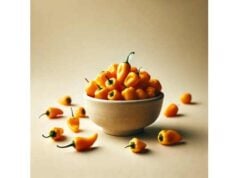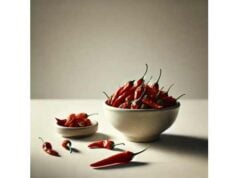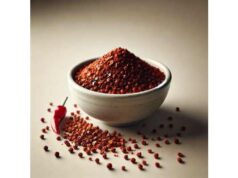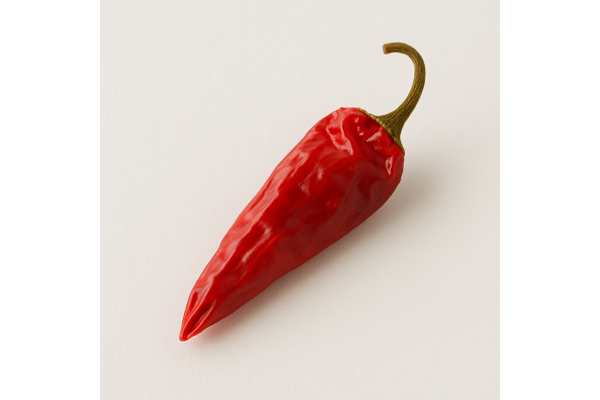
Espelette pepper is a distinctive chili from the Basque region of southwestern France, prized as much for its character as for its gentle warmth. Officially protected under a European designation of origin, this local variety of Capsicum annuum is grown, harvested, and dried according to strict rules that preserve its quality and heritage. Unlike very hot chilies, Espelette pepper offers moderate heat with complex aromas described as fruity, toasty, and slightly smoky, making it easy to use every day.
In the kitchen, it often replaces black pepper in Basque cooking, where it seasons piperade, charcuterie, grilled fish, eggs, and even chocolate. Nutritionally, it contributes carotenoids, vitamin C, and antioxidant compounds such as capsaicinoids and polyphenols, while adding very few calories. At the same time, Espelette pepper behaves like any spicy chili: beneficial in modest amounts for most people, yet potentially irritating for those with sensitive digestion. This guide walks through the pepper’s history, nutrition, evidence-based benefits, risks, and practical ways to enjoy it safely.
Espelette Pepper At a Glance
- Espelette pepper is a mild to moderately hot Basque chili (roughly 1,000–4,000 Scoville units) with fruity, aromatic flavor and gentle warmth.
- Like other chilies, it provides carotenoids, vitamin C, and capsaicin, which have been studied for metabolic, cardiovascular, and antioxidant effects.
- A typical culinary portion is about ¼–½ teaspoon (0.5–1.5 g) of Espelette pepper powder per person, used in meals several times per week.
- High intakes may aggravate reflux, irritable bowel symptoms, or active stomach and intestinal disease, especially in sensitive individuals.
- People with nightshade allergy, a history of strong reactions to chilies, or significant gastrointestinal conditions should limit or avoid concentrated Espelette pepper use without medical guidance.
Table of Contents
- Espelette Pepper History and Role
- Espelette Pepper Nutrition and Compounds
- Research on Espelette Pepper Benefits
- Risks of Espelette Pepper Use
- Selecting Espelette Pepper and Storage
- Preparing Espelette Pepper for Cooking
- Espelette Pepper Serving Sizes and FAQs
Espelette Pepper History and Role
Espelette pepper, or piment d’Espelette, is a local Basque variety of Capsicum annuum, traditionally cultivated around the village of Espelette in the French Pyrenees. Chilies reached Europe from the Americas after the fifteenth century, and by the seventeenth century this particular strain had been adopted and slowly refined by farmers in the region. Over generations it became a cornerstone of Basque cooking, eventually recognized as a product so closely linked to its place of origin that it received formal protection under France’s appellation system and later the European protected designation of origin framework.
To qualify as true Espelette pepper within this protected system, the chili must be grown in a defined set of communes in the Basque Country, using the local Gorria variety. The peppers are harvested, often in late summer and early autumn, then strung into decorative garlands that dry on the walls of houses and farm buildings. This drying step is both practical and cultural: it preserves the peppers and fills villages with a visible sign of the harvest. Once dried, the chilies may be sold whole, ground into a fine red powder, or processed into purées, jellies, and pepper-infused salts or sauces.
In terms of heat, Espelette pepper is deliberately moderate. It generally falls in the range of about 1,000–4,000 Scoville heat units, similar to or slightly warmer than many paprikas but far milder than cayenne or bird’s eye chilies. This restrained pungency lets it function as a daily seasoning rather than an extreme challenge. Cooks use it where others might reach for black pepper, layering in warmth and complex aroma rather than sharp burn.
Culinary traditions highlight Espelette pepper in several signature preparations:
- Piperade, a Basque dish of stewed peppers, onions, and tomatoes often served with eggs or ham.
- Dry-cured meats and sausages, where the pepper contributes color, flavor, and mild heat.
- Grilled or roasted fish and seafood, which benefit from its fruity, slightly smoky notes.
- Eggs, potatoes, and vegetables, where a pinch of the powder replaces or complements ground black pepper.
- Sweets such as chocolate truffles or fruit desserts, where a very small amount offers warmth and aromatic depth.
Increasingly, Espelette pepper also appears outside its origin region, appreciated by home cooks and chefs for its balance of approachability and character. Its story is therefore not only about flavor but about terroir, cultural identity, and the way a single variety of chili can define a regional cuisine.
Espelette Pepper Nutrition and Compounds
While Espelette pepper is typically used in small amounts, it is nutritionally similar to other red chilies and contributes several important nutrients and phytochemicals. Because it is often consumed as a dried powder, many components are present in concentrated form compared with fresh peppers, although total intake remains modest due to small serving sizes.
On a basic level, dried Espelette pepper provides:
- Very few calories per typical pinch (generally under 5 kcal per ¼ teaspoon).
- Small amounts of carbohydrate and protein, with negligible fat.
- Dietary fiber, including both soluble and insoluble fractions.
- Trace minerals such as potassium and manganese.
More notable, however, are its micronutrients and plant compounds. Red chilies are rich in carotenoids, including beta-carotene and related pigments that function as vitamin A precursors and antioxidants. Even a small portion of dried pepper can contribute meaningfully to vitamin A intake over time, particularly when used regularly in cooking. Espelette pepper also contains vitamin C, though the drying process and subsequent storage reduce levels compared with fresh peppers.
Beyond vitamins, Espelette pepper contains capsaicinoids, primarily capsaicin and related molecules that give chilies their characteristic heat. Because Espelette is milder than many other chili varieties, its overall capsaicin content per gram is lower, but still sufficient to activate the same sensory pathways and biological targets. These compounds interact with TRPV1 receptors in nerve endings, which helps explain their effects on heat perception, circulation, and certain aspects of metabolism.
The pepper also contributes polyphenols and flavonoids, such as quercetin derivatives and other phenolic compounds typical of Capsicum species. These molecules exert antioxidant actions and may influence inflammatory signaling and vascular function. When combined with the carotenoids and vitamin C present in the pepper, they add to the overall antioxidant density of a meal.
Because Espelette pepper is a PDO product, its production is standardized in ways that indirectly support nutritional quality. Harvesting at full maturity ensures high pigment and flavor content. Sun or low-temperature drying preserves color and many heat-stable compounds, while controlled processing limits contamination and quality loss. Nevertheless, nutrient levels can vary with growing conditions, soil, and specific handling practices, so it is best to see Espelette pepper as a consistent contributor of certain nutrient classes rather than as a precise supplement.
In day-to-day cooking, the nutritional impact of Espelette pepper depends heavily on how often and how much you use. A sprinkle here and there will not transform your nutrient profile on its own, but when combined with other vegetables, legumes, whole grains, and healthy fats, it becomes one more small building block in an overall nutrient-dense eating pattern.
Research on Espelette Pepper Benefits
There is limited research specifically on Espelette pepper as a unique variety, but it shares key bioactive compounds with other red chilies, especially capsaicin and related capsaicinoids. Much of what we know about its health effects therefore comes from broader studies on chili pepper consumption and capsaicin rather than on this single Basque pepper.
Several large observational studies have examined how often people eat chili peppers and how this relates to long-term health outcomes. Across different populations, frequent chili intake has been associated with a lower risk of death from all causes, particularly from cardiovascular and sometimes cancer-related causes. These findings do not prove that chilies themselves are responsible, but they suggest that including moderate amounts of chili, often within a generally traditional or Mediterranean-style eating pattern, is compatible with good long-term health and may confer some benefit.
Mechanistically, capsaicin has been studied extensively. By activating TRPV1 receptors, it can:
- Modestly increase energy expenditure and fat oxidation, contributing to a slight rise in metabolic rate.
- Influence appetite and satiety signals, which may help some people feel satisfied with slightly less food.
- Enhance circulation and vasodilation in certain contexts, potentially supporting vascular function.
- Modulate pain signaling and inflammation, which underlies the use of capsaicin in topical pain-relief products.
Reviews of capsaicin research describe a nuanced picture: low to moderate intakes, as part of a mixed diet, appear generally safe and may support metabolic and cardiovascular parameters, while very high doses or concentrated supplements carry greater risk of adverse effects, especially in sensitive individuals.
From a digestive perspective, Espelette pepper can stimulate saliva, gastric secretions, and gut motility. For some people, this improves subjective digestion and appetite regulation. For others, particularly those with reflux or irritable bowel syndromes, capsaicin exposure can aggravate symptoms. Studies on spicy food intake and gastrointestinal health highlight this dual nature: potential benefits in metabolic and microbial terms on one side, and possible symptom worsening in those with existing digestive issues on the other.
Espelette pepper’s mild heat may offer a practical middle ground. Because its Scoville rating is lower than many hotter chilies, it allows people who are sensitive to spice to reap some of capsaicin’s sensory and potential metabolic effects without overwhelming discomfort. At the same time, its rich flavor profile encourages the use of small quantities to enhance taste, which can make healthy dishes more appealing and reduce reliance on salt-heavy seasonings.
Finally, the deep red color and fruity aromatics of Espelette pepper reflect its carotenoid and polyphenol content. Diets rich in colorful plant foods are consistently associated with better health outcomes, and while it is difficult to isolate the contribution of a single spice, Espelette pepper fits comfortably into this pattern.
The key message is that Espelette pepper, like other chilies, is best viewed as a supportive ingredient rather than as a cure. Used regularly but moderately, especially alongside vegetables, legumes, and whole grains, it can contribute to the flavor and nutrient density of a meal plan that aligns with long-term health.
Risks of Espelette Pepper Use
Although Espelette pepper is milder than many chili varieties, it still carries the same active compound, capsaicin, and can cause problems for some people when used in excess or in specific medical contexts. Understanding these risks helps you decide how much is appropriate for you.
Gastrointestinal discomfort is the most common issue. Capsaicin can irritate the lining of the esophagus and stomach, particularly in individuals with pre-existing conditions such as gastroesophageal reflux disease, gastritis, or peptic ulcers. Symptoms may include burning in the chest or upper abdomen, nausea, or accelerated bowel movements. Some people experience cramping or loose stools after spicy meals. For those with irritable bowel syndromes or inflammatory bowel diseases, spicy foods like Espelette pepper can sometimes trigger symptom flares, though this varies widely.
At the same time, repeated exposure to capsaicin can desensitize TRPV1 receptors in some individuals, leading to better tolerance over time. This adaptation is not universal and does not override medical conditions, so self-experimentation should be cautious, especially if you have a history of serious digestive disease.
Allergic reactions to Capsicum species are uncommon but possible. People with nightshade allergies or cross-reactive sensitivities may experience mouth or throat itching, hives, swelling, or even breathing difficulty after eating chilies. Occupational exposure (for example, in food handling) can lead to contact irritation or dermatitis in some cases. Anyone who has experienced significant allergic symptoms after chili consumption should discuss this with a healthcare professional before regularly using Espelette pepper.
Systemic effects of capsaicin at typical food-level doses are generally modest, but they may still matter in particular clinical contexts. For example, capsaicin can influence vascular tone and heart rate, although evidence from population studies suggests that chili consumption is overall compatible with, and possibly supportive of, cardiovascular health. On the other hand, very high-dose capsaicin supplements or extracts could theoretically interact with certain medications or exacerbate unstable cardiovascular conditions, which is why concentrated products should not be used without professional guidance.
Emerging research on very high intakes of hot chili suggests that there may be a threshold beyond which the risk of certain gastrointestinal cancers could increase, especially when combined with other risk factors like heavy alcohol use or poor diet quality. These findings are not specific to Espelette pepper and do not apply to modest culinary use, but they underscore that more is not always better.
For pregnant and breastfeeding individuals, ordinary culinary amounts of Espelette pepper are typically considered acceptable, assuming they are well tolerated and do not trigger significant digestive symptoms. High-dose supplements, capsaicin-containing capsules, or very concentrated extracts are not well studied in these life stages and are best avoided unless recommended by a clinician who knows your medical history. The same principle applies for young children: small tastes in shared family dishes are usually fine, but spicy foods should be introduced gradually, observing for any adverse reactions.
Finally, Espelette pepper products sometimes carry warnings about possible cross-contamination with other allergens such as sesame, mustard, celery, or soy, depending on processing facilities. If you have known allergies to these foods, it is important to read labels carefully.
For most healthy adults, modest amounts of Espelette pepper in everyday cooking are safe and enjoyable. The main caution is for individuals with significant digestive disease, strong sensitivity to spicy foods, or complex medical conditions, who should use it sparingly and seek individualized advice as needed.
Selecting Espelette Pepper and Storage
Espelette pepper is a premium ingredient, and a little knowledge about how it is produced and sold can help you choose authentic, high-quality products and store them well.
The most important distinction on the label is the protected designation of origin. Authentic Espelette pepper from the defined Basque production area is typically labeled as piment d’Espelette with a PDO or similar regional mark. This indicates that the pepper comes from the authorized communes, uses the approved Gorria variety, and meets production and quality standards. These rules cover aspects such as plant density, harvesting, drying methods, and minimum color and aroma characteristics.
You will encounter Espelette pepper in several forms:
- Whole dried peppers, often sold as strings or individual pods.
- Ground powder, which is the most common form for seasoning.
- Purées and pastes, sometimes mixed with salt or vinegar.
- Infused salts, oils, or condiments where Espelette pepper is a featured flavor.
When assessing quality, pay attention to appearance and fragrance. Good Espelette powder should be a vibrant, brick-red color without excessive browning or visible pale patches. The aroma should be immediately noticeable, with warm, fruity, and slightly roasted notes rather than a flat, dusty smell. Whole pods should be flexible rather than brittle, with a consistent color and no signs of mold or insect damage.
Because Espelette pepper is relatively mild, some producers and retailers use comparative scales or descriptors such as “4 out of 10” on a heat scale, placing it below many common hot chilies but above sweet paprika. Scoville heat unit ranges around 1,000–4,000 are often cited. This helps consumers calibrate how much to use if they are accustomed to other chili powders.
Storage is straightforward but important. To preserve flavor and nutritive compounds:
- Keep Espelette pepper in a cool, dry, dark place, such as a cupboard away from the stove.
- Use airtight containers for powder and purée to minimize contact with air and moisture.
- Avoid frequent opening and closing over steamy pots, which can introduce humidity.
Over time, even high-quality Espelette pepper loses some of its aroma and color. As a general guideline, ground pepper is best within a year of purchase if stored well, while whole dried pods can retain better quality for slightly longer, especially if ground just before use.
From a sustainability standpoint, Espelette pepper production is inherently small-scale and tied to a particular landscape. Buying from reputable producers or retailers that clearly identify origin supports local farming communities and helps maintain agricultural diversity. Some growers also follow environmentally conscious practices, such as limiting inputs and respecting soil health, though labels and certification schemes vary.
Because Espelette pepper is more expensive than many generic chili powders, it is worth treating it as a finishing spice: something you use thoughtfully and store carefully. A single jar can last a long time and bring distinctive character to numerous dishes if protected from light, heat, and air.
Preparing Espelette Pepper for Cooking
Espelette pepper is easy to use, but a few techniques can maximize both flavor and potential nutritional benefits. Because it is milder than many chilies, it lends itself well to layering and finishing rather than simply providing blunt heat.
Ground Espelette pepper can be used much like paprika. It dissolves well into fat and disperses evenly in liquids, which helps carry its aromatic compounds throughout a dish. A simple approach is to bloom the powder gently in a small amount of oil at the beginning of cooking, then add vegetables, pulses, or meats. This can deepen color and flavor but requires attention: the pepper should not be fried at very high heat or for too long, as this risks scorching, which produces bitterness and may degrade sensitive compounds.
Whole dried Espelette peppers can be:
- Crumbled by hand or cut with scissors into stews, sauces, or braises.
- Lightly toasted in a dry pan over low heat until fragrant, then ground in a spice grinder.
- Rehydrated in warm water and blended into sauces or marinades.
To maintain a balance between flavor and nutrient retention, moderate heat is preferable. Many of the carotenoids and polyphenols in the pepper are reasonably stable during typical cooking times, and softening cell walls in the pepper can increase the availability of some compounds. However, long, vigorous boiling or repeated reheating will gradually reduce volatile aroma components and may lower certain vitamin levels, particularly vitamin C.
In practice, you can:
- Add a portion of Espelette pepper early in cooking for depth.
- Reserve a small pinch to sprinkle on top of the dish at the end for fresh aroma and color.
- Combine it with a small amount of healthy fat (olive oil, for example), which helps dissolve fat-soluble aroma compounds and carotenoids.
Because Espelette pepper is comparatively gentle, it works well in dishes where very hot chilies would overwhelm: eggs, potatoes, delicate fish, vegetables, and grains. It also pairs well with dairy foods such as yogurt, fresh cheese, and cream, where its warmth meets cooling components, and with chocolate or fruit, where it provides a subtle contrast.
Examples of nutrient-conscious uses include:
- A bean and vegetable stew with Espelette pepper, olive oil, tomatoes, and leafy greens, where the pepper complements fiber and phytonutrients from other ingredients.
- Whole grain pilaf or roasted root vegetables seasoned with Espelette pepper, garlic, and herbs, enhancing both flavor and visual appeal.
- Simple omelettes or scrambled eggs finished with a sprinkle of Espelette, contributing color and mild heat.
For herbal infusions or broths, Espelette pepper can be used alongside other aromatics to add gentle warmth without heavily spicing the drink. A small piece of dried pepper or a light pinch of powder can be steeped and then strained, although this use is less traditional.
Overall, the best way to retain the pepper’s positive qualities is to cook with a light hand: avoid burning, use moderate heat, and combine Espelette pepper with a variety of plant foods so that it serves as a flavor catalyst within a larger nutrient-rich context.
Espelette Pepper Serving Sizes and FAQs
Because Espelette pepper is relatively mild, many people wonder how much to use and how it compares with other spicy ingredients. Having clear benchmarks helps you incorporate it safely and effectively.
A typical culinary serving is around ¼–½ teaspoon of ground Espelette pepper per person in a dish. For a four-serving recipe, that might mean 1–2 teaspoons added during cooking or sprinkled on top. At this level, the pepper contributes noticeable flavor and color, a gentle warmth, and a modest amount of carotenoids and capsaicin, while remaining comfortable for most people who tolerate spice.
For individuals who enjoy spicier food and have no digestive issues, total daily intake from all dishes might reach 1–2 teaspoons of Espelette pepper, though there is no standardized “recommended dose.” Because its heat is modest, this is still far below the capsaicin exposure from very hot chilies used liberally. People new to Espelette pepper should start with smaller amounts and adjust upwards based on flavor preference and comfort.
Compared with other chilies:
- Espelette pepper is hotter than most sweet paprikas but milder than cayenne or bird’s eye chili.
- Its aroma is more complex and fruity than many generic chili powders, which are often blends.
- Its heat level is similar to some medium Spanish or Hungarian paprikas labeled as semi-hot.
Common questions include the following.
Is Espelette pepper good for weight loss?
Capsaicin has been studied for minor increases in energy expenditure and potential appetite effects, but these changes are small. Espelette pepper can support a satisfying, flavorful diet that emphasizes whole foods, which indirectly helps with weight management, but it is not a stand-alone weight-loss aid.
Can Espelette pepper replace black pepper?
In many Basque dishes it does. Espelette pepper offers warmth and aroma with a different flavor profile than black pepper. It can replace or complement black pepper in eggs, vegetables, meats, and sauces. People who find black pepper harsh may appreciate Espelette’s softer, fruitier character.
Is Espelette pepper safe for children?
In small amounts, many older children tolerate mild chili well, including Espelette pepper. Introduce it slowly, observe reactions, and keep portions modest. Children with reflux, stomach pain, or known sensitivity to spicy foods should avoid it or only consume tiny amounts under guidance.
Does cooking destroy its benefits?
Some heat-sensitive components, like vitamin C, decrease with cooking, but many carotenoids, polyphenols, and capsaicinoids remain active. Using moderate heat, avoiding burning, and finishing dishes with a small extra sprinkle can help preserve both flavor and beneficial compounds.
Can I use Espelette pepper daily?
For most healthy adults who tolerate spicy foods, using small amounts of Espelette pepper daily as a seasoning is reasonable. The main limitations involve personal digestive comfort, any underlying gastrointestinal disease, and overall diet balance. If in doubt, a healthcare professional can advise on your specific situation.
When viewed realistically, Espelette pepper is a flavorful, culturally rich ingredient that can contribute to pleasurable, plant-forward meals. Its value lies less in dramatic health claims and more in its capacity to make wholesome dishes satisfying enough to enjoy often.
References
- Espelette pepper 2025 (Overview)
- Piment d’Espelette PDO 2023 (Product Profile)
- Spicy food and chili peppers and multiple health outcomes 2022 (Systematic Review)
- Chili pepper intake and all-cause and disease-specific mortality 2022 (Meta-analysis)
- A comprehensive review of capsaicin: Biosynthesis, health benefits, and risks 2024 (Review)
Disclaimer
The information in this article is intended for general educational purposes only and does not replace personalized medical advice, diagnosis, or treatment. Espelette pepper and other spicy foods can interact with individual health conditions, medications, and tolerances in ways that may not be predictable from general guidance. If you have gastrointestinal disease, cardiovascular concerns, allergies, are pregnant or breastfeeding, or take regular medication, consult a qualified healthcare professional before making significant changes to your intake of chili peppers or related supplements. Never disregard professional medical advice or delay seeking it because of something you have read here.
If you found this article helpful, you are welcome to share it with others on Facebook, X (formerly Twitter), or any platform you prefer. Sharing balanced, evidence-informed resources supports wider access to reliable nutrition information and helps our team continue creating high-quality content.