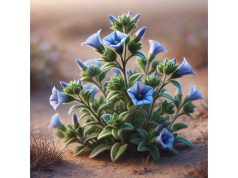
Ethiopian cardamom, better known in Ethiopia as korarima, is an aromatic spice from the ginger family with a warm, resinous scent and a flavor that sits somewhere between cardamom, eucalyptus, and sweet pepper. It has long been used to season stews, spiced butter, coffee, tea, and traditional spice blends, but it also carries a respected place in regional herbal practice. Traditionally, the seeds and other plant parts have been used as a carminative, tonic, and household remedy for digestive discomfort and general weakness.
What makes Aframomum corrorima especially interesting is the way it bridges food and medicine. Its fragrance comes from volatile compounds such as 1,8-cineole and pinene-type terpenes, while its broader extract profile includes polyphenols and other antioxidants. That chemistry helps explain why researchers are studying it for antimicrobial activity, oxidation control in foods, and gentle digestive support. Still, the evidence is not equally strong across all claims. Ethiopian cardamom is best understood as a functional spice with promising medicinal properties, not a proven stand-alone treatment.
Quick Overview
- Ethiopian cardamom may support digestion, appetite, and oral freshness when used as a culinary spice.
- Its aromatic compounds also show antimicrobial and antioxidant activity in laboratory studies.
- A practical culinary range is about 0.5 to 1 g ground seed or 1 to 3 lightly crushed pods per day.
- Concentrated essential oil is not the same as food use and should not be taken internally without professional guidance.
- People with a known spice allergy, severe reflux, or who are pregnant or breastfeeding should avoid medicinal-style use unless advised by a clinician.
Table of Contents
- What is Ethiopian cardamom
- Key ingredients and aroma compounds
- What can it help with
- How to use korarima well
- How much should you use
- Side effects and who should avoid it
- What the research actually says
What is Ethiopian cardamom
Ethiopian cardamom is the dried seed-bearing fruit of Aframomum corrorima, a perennial aromatic plant in the Zingiberaceae family. That places it alongside ginger and other zingiber spices, but korarima has a character of its own. It is milder than black cardamom, less sweet than green cardamom, and often more woody, floral, and camphor-like. In Ethiopia, it is one of the defining native spices and plays a major role in both home cooking and traditional plant medicine.
The plant grows best in warm, shaded, moist environments and has long been associated with southern and southwestern Ethiopia. Its pods contain small aromatic seeds that are dried and ground before use. In the kitchen, those seeds flavor berbere-style mixtures, hot sauces, spiced butter, bread, coffee, tea, and slow-cooked stews. In traditional practice, seeds, leaves, rhizomes, and sometimes pods have all been used, though the seeds are the most familiar part for everyday culinary use.
A useful way to understand korarima is to see it as both a flavoring spice and a household remedy. Many herbs are too bitter, too strong, or too unfamiliar to live comfortably in daily meals. Ethiopian cardamom is different. It can be used in tiny amounts for aroma alone, or in somewhat larger culinary amounts when the goal is warmth, depth, and digestive comfort. That makes it more practical than many medicinal plants people only use occasionally.
It is also worth separating Ethiopian cardamom from other “cardamoms.” Green cardamom comes from Elettaria cardamomum, while black cardamom usually refers to Amomum subulatum. These plants overlap in fragrance chemistry and culinary use, but they are not interchangeable in flavor or evidence base. Korarima is also sometimes called false cardamom, a name that can make it sound secondary or inferior. In reality, it is simply a different regional species with its own culinary identity and phytochemical profile.
Because it sits at the intersection of food, culture, and herbalism, Ethiopian cardamom tends to attract three kinds of interest at once: cooks want its flavor, herbal users want its traditional digestive uses, and researchers want to understand how its volatile oils and phenolic compounds behave. All three viewpoints matter. They also explain why the best modern way to use korarima is usually as a carefully chosen spice first, and only second as a medicinal ingredient.
Key ingredients and aroma compounds
The activity of Ethiopian cardamom starts with its aroma. Like many spices in the ginger family, korarima owes much of its character to volatile essential-oil compounds. These compounds are present in different proportions depending on the plant part studied, how it was dried, how it was extracted, and even where it was grown. That variation matters, because it means no single chemical profile tells the whole story.
Across analyses, several compounds show up repeatedly. The best-known are:
- 1,8-cineole, often called eucalyptol
- beta-pinene
- gamma-terpinene
- linalool and related monoterpenes in some samples
- beta-caryophyllene, especially prominent in leaf oil
- other oxygenated monoterpenes that shape the fresh, resinous scent
These compounds help explain why Ethiopian cardamom smells cooling and warm at the same time. 1,8-cineole contributes a clean, penetrating, almost eucalyptus-like lift. Pinene-type compounds add brightness and sharpness. Caryophyllene adds a deeper, woodier tone. Together, they create the spice’s layered aroma and much of its food-preserving and antimicrobial interest.
The second layer of chemistry is less obvious to the nose but still important. Seed extracts also contain phenolic compounds, flavonoids, and other antioxidant constituents. These are not responsible for the spice’s main aroma, yet they help explain why korarima is studied in food systems for oxidation control and in lab models for radical-scavenging activity. They also support the common observation that whole spices often do more than isolated fragrance compounds alone.
A practical insight here is that different preparations emphasize different chemistry. Ground seed used in cooking delivers aroma plus a modest amount of broader plant material. A water infusion draws out some aromatic and polar compounds, but not all. An essential oil is much more concentrated in volatile molecules and should never be treated as if it were the same as sprinkling the spice into food. That distinction is important in safety discussions.
Another detail worth noting is that Ethiopian cardamom does not behave like black pepper’s sharper heat. Its effect is more aromatic than pungent. Instead of strong burn, it offers a fragrant expansion of flavor. That makes it especially useful in blends where the goal is depth, perfume, and digestive warmth rather than raw spiciness.
For readers trying to connect chemistry with practical value, the simplest summary is this: Ethiopian cardamom contains a terpene-rich aromatic fraction that likely drives much of its antimicrobial and sensory effect, plus a broader antioxidant fraction that may help explain some of its functional-food promise. That is enough to make it interesting, but not enough to justify exaggerated medical claims.
What can it help with
The most realistic benefits of Ethiopian cardamom fall into three groups: digestive comfort, antimicrobial support at the food level, and antioxidant value in culinary use.
The strongest traditional case is digestive. Korarima has long been used as a carminative, which means it is valued for easing gas, heaviness, and sluggish digestion. This fits both its aroma and its culinary role. Aromatic spices often make rich foods easier to tolerate, and Ethiopian cardamom is frequently added to dishes that would otherwise feel heavier. In practical terms, some people find it helpful after dense meals, slow stews, or foods high in fat. That does not make it a treatment for ulcers, inflammatory bowel disease, or chronic reflux, but it may gently improve digestive comfort in ordinary day-to-day use.
A second likely benefit is improved food quality through its antimicrobial and oxidation-related properties. Laboratory studies on korarima oils and extracts suggest activity against selected microbes and support its use as part of spice mixtures that help preserve flavor stability. That matters less as a direct “medicine” and more as a reason traditional cuisines prized it so highly. Spices are often functional because they improve both taste and keeping quality.
A third area is general antioxidant support. Seed extracts have shown free-radical scavenging activity in laboratory testing, and recent food research suggests korarima extracts may help slow lipid oxidation in certain cooking systems. This is promising, but it is important not to turn that into a dramatic anti-disease claim. Antioxidant activity in a lab does not automatically translate into a measurable clinical outcome in humans.
Traditional practice also attributes broader effects to Ethiopian cardamom, including tonic value, mild stimulation of appetite, oral freshness, and support during colds or general weakness. Those uses make cultural and sensory sense. A fragrant warming spice can freshen the mouth, improve palatability, and make hot drinks or broths more comforting. It may also overlap functionally with cumin in digestive spice traditions, though the flavor and plant chemistry are distinct.
What it probably does not do, based on current evidence, is reliably treat major chronic conditions on its own. There is no strong human evidence that Ethiopian cardamom alone can meaningfully lower blood sugar, cure infection, reverse inflammation-driven disease, or prevent cancer. Some of those claims are based on preclinical signals, not clinical proof.
So the most honest answer is this: Ethiopian cardamom may help digestion, improve the sensory and functional quality of food, and offer mild antioxidant support as part of a spice-rich diet. That is already valuable. It just needs to be framed realistically, without promising outcomes the research has not confirmed.
How to use korarima well
The best way to use korarima depends on whether you want culinary depth, digestive warmth, or a more traditional home-remedy style preparation. In most cases, food use is the smartest starting point because it is familiar, moderate, and easy to control.
Common forms include:
- whole dried pods
- loose seeds removed from pods
- freshly ground seed powder
- mixed spice blends
- essential oil, which is much more concentrated and not equivalent to food use
For cooking, the most useful habit is to grind only what you will use within a short time. Like many aromatic spices, Ethiopian cardamom loses some of its top notes after grinding. Whole pods store better, while freshly ground seed gives the most vivid aroma. A mortar and pestle works well, and a quick dry toast can deepen the scent before grinding if the recipe calls for a rounder, warmer profile.
Practical ways to use it include:
- Add a small pinch to stews, lentils, beans, or vegetable braises.
- Mix it into spiced butter or oil for finishing savory dishes.
- Use it in tea or coffee with ginger, cinnamon, or cloves.
- Blend it into sauces and spice rubs.
- Add it sparingly to breads or savory pastries.
Korarima also works beautifully in regional-style spice mixtures. It brings lift and perfume to blends with chili, fenugreek, garlic, and coriander. If you want a useful pairing reference, it sits naturally beside coriander in complex spice blends, where it softens edges and broadens aroma rather than dominating.
For simple home use, two preparations are especially practical. The first is a warm infusion: lightly crush 1 to 3 pods, steep in hot water for 8 to 10 minutes, and drink after meals. The second is a cooking blend: grind the seeds and use a small pinch in soups, beans, or grain dishes. Both let you assess tolerance without moving into concentrated products.
Essential oil deserves special caution. It is sometimes discussed online as though it were just a stronger version of the spice, but that is misleading. Essential oil concentrates volatile compounds far beyond what normal cooking delivers. It may be useful in research or professional aromatics work, yet it is not appropriate for casual internal use.
In day-to-day life, Ethiopian cardamom is usually best as a supporting spice, not a dominant one. It rewards small doses, fresh grinding, and warm dishes. Used that way, it adds more than flavor: it can make meals feel lighter, more aromatic, and more satisfying without forcing the body into a supplement-style experiment.
How much should you use
There is no modern standardized clinical dose for Ethiopian cardamom, and that should be stated clearly before any numbers are offered. Most sensible guidance comes from culinary practice, traditional home use, and the simple reality that aromatic spices usually work best in small amounts.
For everyday food use, a practical range is:
- about 0.5 to 1 g of freshly ground seeds per day
- or 1 to 3 lightly crushed pods in tea, broth, or cooking
- divided across meals rather than taken all at once
That is enough to contribute flavor and likely functional value without overwhelming a dish or the digestive system. In recipes serving several people, that same amount may be spread across a pot of stew, lentils, or sauce. In a tea or infusion, starting with 1 pod is often enough for beginners.
Timing depends on the goal. For flavor and digestion, korarima fits best:
- with meals,
- after heavier meals,
- or in warm beverages during colder weather.
It is less useful as a stand-alone supplement than as part of a meal pattern. When taken with food, the spice is easier to tolerate and more consistent with traditional use. Taking large amounts on an empty stomach is more likely to feel irritating or unhelpful.
Duration is straightforward for culinary amounts. Regular daily use in food can be fine if it agrees with you. More intentional use, such as a daily post-meal infusion for digestive comfort, is better approached as a short trial of a few days to a few weeks. If it helps, you can keep it in the routine. If it causes burning, nausea, or reflux, it is not the right tool.
Extracts and essential oils are different. Because they vary widely in concentration and composition, there is no reliable general dose that fits all products. If you use a commercial extract, follow the label only when the species is clearly named and the product is from a reputable source. Avoid improvising with essential oil.
A common mistake is assuming that because korarima is a spice, larger doses are automatically safe. That is not how aromatic plants work. More can mean more irritation, not more benefit. The most effective dose is often the smallest one that improves aroma, digestion, or meal tolerance without drawing attention to itself.
So the dosage message is simple and practical: use culinary amounts first, begin low, and treat concentrated forms with much more caution than the dried spice itself.
Side effects and who should avoid it
As a food spice, Ethiopian cardamom is usually well tolerated. Most problems arise when people use too much, use concentrated products, or assume that traditional use guarantees universal safety.
The most likely side effects are digestive:
- stomach warmth that tips into irritation
- nausea from overly strong preparations
- reflux or throat burning in sensitive people
- loose stools or abdominal discomfort in larger amounts
These effects are not surprising. Korarima is aromatic and chemically active. A small amount may improve meal tolerance, but an aggressive dose can have the opposite effect. People who already react to fragrant spices, hot drinks, or strong digestive herbs should start very modestly.
Allergy is another possible issue. True spice allergy is not common, but it does happen. Symptoms may include itching in the mouth, rash, swelling, wheezing, or digestive distress. Anyone with a known allergy to cardamom-like spices or other members of the ginger family should be especially cautious.
The biggest safety distinction is between food use and concentrated products. Ground seed in cooking is one thing. Essential oil is something else entirely. Essential oils can irritate mucous membranes, interact more strongly with the body, and cause harm when misused. Ethiopian cardamom essential oil should not be swallowed casually, used in high doses, or treated like a pantry ingredient.
Several groups should be more careful:
- people with severe acid reflux or highly sensitive stomachs
- people with known spice allergies
- pregnant or breastfeeding people considering medicinal-style use
- children, unless use is limited to normal food amounts
- anyone planning to use an essential oil internally
Drug interaction data for Aframomum corrorima are limited. That means caution is more appropriate than certainty. If you take multiple medications, especially for chronic illness, the safest approach is to keep korarima at normal culinary levels unless a clinician says otherwise. The same applies if you are combining it with several other herbal products.
Another subtle issue is substitution. People sometimes replace green cardamom or black cardamom with Ethiopian cardamom in large amounts because the names sound similar. That can distort both flavor and tolerability. Korarima is best treated as its own spice with its own strength.
In short, Ethiopian cardamom is low-risk in normal food use but not risk-free in concentrated form. Start small, keep essential oil separate from culinary use, and avoid medicinal-style dosing when you are pregnant, breastfeeding, highly reflux-prone, or uncertain how you respond to aromatic spices.
What the research actually says
The research on Ethiopian cardamom is promising, but it is not yet robust enough to support strong clinical claims. Most of what is known comes from ethnobotanical documentation, phytochemical analysis, essential-oil studies, food-science experiments, and laboratory assays. Human trials are sparse.
What the research supports with reasonable confidence is this:
- korarima is a genuine traditional Ethiopian spice and medicinal plant with long-standing cultural use
- its seeds and other plant parts contain biologically active volatile compounds and phenolic constituents
- extracts and oils show antioxidant and antimicrobial activity in laboratory settings
- it may have useful food-preservation and oxidation-control applications
- culinary use as a functional spice is more defensible than treatment-style medical claims
That is a meaningful evidence base, but it has limits. Many studies use isolated extracts, oils, or lab models rather than real-world diets or clinical populations. Essential-oil studies can show clear antimicrobial activity in vitro, yet that does not prove the same effect in the human body after ordinary cooking. Likewise, antioxidant activity in a test system does not automatically translate into measurable disease prevention.
Recent work is especially interesting in the food-science space. Korarima extracts have been studied for phenolic content, radical-scavenging activity, and their ability to help reduce oxidation in repeatedly heated oils. These are practical findings because they connect the spice to real culinary systems rather than only to abstract pharmacology. Even so, they do not prove that eating the spice will produce major therapeutic outcomes in people.
The traditional-use literature also adds value. It helps show how communities actually use the plant: as a digestive aid, tonic, aromatic remedy, and culturally important spice. This kind of evidence is weaker than a randomized trial, but it is still useful when it is specific and consistent over time.
The biggest research gap is clinical evidence. There are not enough high-quality human studies to establish standardized medicinal dosing, confirmed interactions, or disease-specific effectiveness. That means the responsible stance is cautious optimism. Ethiopian cardamom is not an empty folklore spice. It has real chemistry and credible functional potential. But it is also not a proven treatment for major health conditions.
So, does it deserve a place in health-conscious cooking and thoughtful herbal practice? Yes. Does the evidence justify hype? No. The most evidence-aligned use is as a fresh, aromatic culinary spice with digestive tradition, antioxidant promise, and an emerging but still limited medicinal research profile.
References
- Botanical, Phytochemistry, Pharmacology and Applications of Genus Aframomum: A Review 2025 (Review)
- Ethnobotanical review of Ethiopian spices and condiments: traditional uses, cultural significance, and applications 2025 (Review)
- The potential of korarima (Afromomum corrorima) and koseret (Lippa adoensis var. koseret) extracts to reduce lipid oxidation during frying potato chips 2025
- In Vitro Regeneration of Korarima (Aframomum corrorima (Braun) P. C. M. Jansen): A Threatened Spice and Medicinal Herb from Ethiopia 2022
- Traditional medicinal uses and essential oil composition of leaves and rhizomes of korarima (Aframomum corrorima (Braun) P.C.M. Jansen) from southern Ethiopia 2008
Disclaimer
This article is for educational purposes only and is not a substitute for medical advice, diagnosis, or treatment. Ethiopian cardamom is generally used as a culinary spice, but concentrated oils, extracts, and medicinal-style use may not be appropriate for everyone. Speak with a qualified healthcare professional before using it therapeutically, especially if you are pregnant, breastfeeding, have a chronic digestive condition, take regular medication, or are considering internal use of essential oil.
If this article was helpful, please share it on Facebook, X, or any platform you prefer.