Ethiopian cardamom, also known as korarima, is a fragrant spice native to the highland rainforests of Ethiopia and Eritrea. Its warm, camphor-like aroma and gentle sweetness make it central to many traditional dishes, coffee ceremonies, and spice blends. Although it’s sometimes compared to green cardamom, Ethiopian cardamom has its own distinct flavor profile and phytochemical makeup, shaped by its unique growing conditions and genetic diversity.
Beyond its culinary role, traditional medicine systems have long used korarima for digestion, general tonic effects, and food preservation. Modern laboratory research is beginning to explore these uses, examining its essential oils, antioxidants, and antimicrobial activity. At the same time, questions about sustainable harvesting, quality control, and potential contamination are becoming more important as demand grows. This guide walks you through what Ethiopian cardamom offers, how to use it in the kitchen, and how to enjoy it safely and responsibly.
Key Insights at a Glance
- Ethiopian cardamom provides concentrated aromatic oils and antioxidant compounds that may support digestion and help protect foods from spoilage.
- A common culinary serving is about 1/4–1/2 teaspoon (0.5–1 g) ground seeds per dish, used up to several times per week as part of varied meals.
- Choose korarima from reputable producers, as some spice samples have shown elevated levels of heavy metals such as lead and cadmium.
- People who are pregnant, have gallbladder disease, or take blood-thinning or blood-pressure medicines should avoid high-dose supplements and stay within normal culinary amounts.
Table of Contents
- Understanding Ethiopian Cardamom in Depth
- Nutrients and Active Compounds in Ethiopian Cardamom
- Research-Based Benefits of Ethiopian Cardamom
- Risks, Allergies and Interactions
- Buying, Quality, Sustainability and Storage
- Preparation, Cooking and Nutrient Retention
- Portions, Comparisons and Common Questions
Understanding Ethiopian Cardamom in Depth
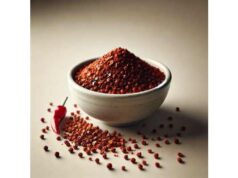
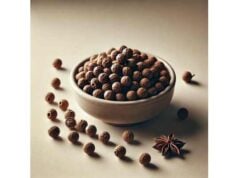
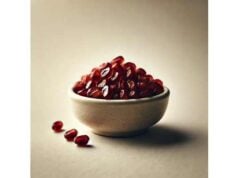
Ethiopian cardamom (korarima) comes from the species Aframomum corrorima, a perennial herb in the ginger family (Zingiberaceae). It grows naturally in moist, shaded, high-altitude forests, often alongside wild coffee. The plant produces elongated, bright red berries near the base of the stem; inside each berry are clusters of small brown seeds encased in a thin aril. Once harvested and dried, the fruits are sold either whole or as separated seeds, sometimes ground into a fine powder.
In the kitchen, korarima is indispensable in Ethiopian and Eritrean cuisines. It appears in spice blends such as berbere and mitmita, perfumes clarified butter (niter qibbeh), and flavors dishes like kitfo, stews, and festive breads. Many households also add a crushed pod or a pinch of ground seeds to coffee or tea, both for flavor and for its perceived digestive benefits. Compared with green cardamom, Ethiopian cardamom tends to be less sharp and more gently herbal, with aromas described as camphor-like, citrusy, and slightly floral.
Chemically, Ethiopian cardamom is valued for its essential oil, which gives the spice its characteristic aroma. The oil is rich in monoterpenes and related compounds that contribute to fragrance and may play functional roles in food preservation and human health. Farmers and researchers have identified notable differences in aroma strength, capsule size, and oil yield among plants from different regions and ecotypes, suggesting considerable genetic and environmental variation within the species.
From a cultural perspective, korarima is more than a simple seasoning. In many coffee-growing communities, it has economic importance as a supplementary forest crop, often harvested from semi-wild stands. Harvesting and drying practices, however, heavily influence quality: fruits picked too early or dried poorly can lose aroma, darken in color, or develop off-flavors, which reduces their market value. As interest in regional and “heirloom” spices grows, understanding the particular identity of Ethiopian cardamom helps distinguish it from better-known cardamoms and supports efforts to preserve its habitats and traditional uses.
Nutrients and Active Compounds in Ethiopian Cardamom
Like most spices, Ethiopian cardamom is used in very small amounts, so its direct contribution to daily macronutrient intake is modest. A 1/2 teaspoon (about 1 g) of ground seeds provides only a few calories, with tiny amounts of carbohydrate, protein, and fat. It does contribute a small amount of dietary fiber, which can support gut health when combined with a diverse and plant-rich eating pattern.
Where korarima really stands out is in its dense package of phytochemicals and volatile oils. Analyses of pods and seeds show that dried seeds can contain roughly 3–7% essential oil by weight, though this varies by variety, growing region, and post-harvest handling. The oils are dominated by monoterpenes such as 1,8-cineole (also known as eucalyptol), along with compounds like sabinene, limonene, β-pinene, γ-terpinene, and geraniol. These molecules are responsible for the spice’s distinctive aroma and have been studied for antioxidant, antimicrobial, and anti-inflammatory properties in laboratory settings.
Beyond volatile components, Ethiopian cardamom seeds contain a range of non-volatile bioactive compounds. These include phenolic acids, condensed tannins, and flavonoid-like substances that can act as antioxidants in test systems. The seeds also carry small amounts of vitamin C and other antioxidant micronutrients, though the absolute quantities per culinary serving are low. Instead, what matters is the high concentration of reactive phytochemicals per gram, which may help protect lipids and other sensitive components in foods from oxidation during storage or cooking.
Mineral content is another feature of interest. Korarima has been found to contain essential minerals such as calcium, magnesium, iron, zinc, copper, and manganese, alongside trace amounts of non-essential metals like cadmium and lead. The natural levels of beneficial minerals reflect the plant’s uptake from soils, while non-essential metals largely reflect environmental contamination. This duality underlines the importance of good agricultural practices and testing, particularly where soils or water sources are known to be polluted.
One practical point for the home cook is that the distribution of these compounds is not uniform across the plant. Seeds carry the highest concentration of essential oil, while the husks and pods also contain aromatic components but in different proportions. Using whole pods in slow-cooked dishes allows the aroma to infuse gradually, whereas freshly ground seeds deliver a more intense, immediate flavor and a slightly higher load of volatile compounds.
Taken together, Ethiopian cardamom is best viewed not as a major source of calories or macronutrients, but as a highly concentrated source of aroma, flavor, and specialized plant compounds that may contribute to overall dietary diversity and antioxidant intake when used regularly in modest culinary amounts.
Research-Based Benefits of Ethiopian Cardamom
Traditional use of korarima as a tonic and digestive aid has prompted modern researchers to examine its potential health effects. Most data so far come from laboratory experiments and animal studies rather than large human trials, so the evidence should be interpreted cautiously. Still, several lines of research help explain why Ethiopian cardamom has been valued for generations.
First, antioxidant activity is a recurring theme. Extracts and essential oils from korarima seeds and pods have demonstrated the ability to neutralize free radicals and reduce oxidative processes in various in vitro assays. This activity is often linked to the spice’s phenolic compounds and certain terpenes in its essential oil. While this doesn’t translate directly to disease prevention, it supports the idea that korarima may help protect fats and other components in foods from oxidation, thereby contributing indirectly to food quality and possibly to health over time as part of a diverse diet.
Second, Ethiopian cardamom shows antimicrobial and antifungal effects in test systems. Extracts have inhibited the growth of several foodborne microorganisms and plant pathogens, sometimes at concentrations relevant to culinary use. This aligns with its traditional role in meat dishes, spiced butter, and stored foods, where it may help slow spoilage alongside salt, heat, and other spices. At home, using korarima in combination with hygienic food handling and proper cooking temperatures may modestly support food safety, although it should never replace standard safety practices.
Third, digestive comfort is one of the most commonly reported traditional benefits. Members of the ginger family often act as carminatives, helping relieve gas and mild cramping. While there are fewer formal clinical studies on Ethiopian cardamom specifically, its essential oil profile and traditional use suggest similar effects: supporting stomach comfort, reducing bloating after heavy meals, and stimulating appetite in some people. For many, a lightly spiced coffee or stew with korarima after a rich meal feels pleasantly soothing rather than heavy.
More recent work has begun exploring metabolic and cellular effects. Seed extracts have shown activity in model systems related to blood lipid oxidation and, in some experiments, modest anti-proliferative effects on certain cancer cell lines. These findings are intriguing but remain early-stage. Lab conditions rarely mirror the complexity of whole-body human physiology, and concentrated extracts behave differently from the small culinary doses used in food. It is therefore premature to treat Ethiopian cardamom as a therapeutic agent for specific diseases.
In practical terms, the most reliable “benefits” at this stage are those rooted in long-standing culinary and household use: improved flavor, potential digestive comfort, better acceptance of nutritious but strongly flavored dishes, and possible support for food preservation when used along with other safe methods. Enjoying korarima regularly as part of a varied, plant-forward diet is a realistic way to harness its potential, without relying on it as a primary treatment for any medical condition.
Risks, Allergies and Interactions
For most healthy adults, Ethiopian cardamom used in normal cooking amounts appears to be well tolerated. However, as with any concentrated spice, it is not entirely risk-free. Understanding where potential problems can arise helps you use korarima safely and decide whether you need to be cautious.
Allergic reactions to members of the ginger family are uncommon but possible. People who react to ginger, turmeric, or green cardamom may be more likely to experience itching in the mouth, rashes, or respiratory symptoms after exposure to korarima, though this is not guaranteed. Anyone who notices consistent symptoms after eating dishes spiced with Ethiopian cardamom should stop using it and seek medical evaluation, especially if swelling, difficulty breathing, or extensive hives occur.
Gastrointestinal sensitivity is another consideration. In small amounts, korarima may feel soothing, but high doses, very concentrated extracts, or frequent use on an empty stomach might aggravate heartburn, gastritis, or reflux in susceptible individuals. People with active peptic ulcer disease or severe reflux should introduce the spice cautiously and monitor their response, keeping portions small and always taking it with food.
One emerging concern relates to heavy metal contamination. Several surveys of spices in Ethiopian markets, including korarima, have detected varying levels of metals such as lead and cadmium. In some samples, these levels exceeded international guideline values. This does not mean all Ethiopian cardamom is unsafe, but it does highlight the importance of sourcing. Buying from reputable brands that test their products, avoiding visibly dusty or discolored batches, and rotating among different spice sources can all help reduce long-term exposure.
Potential interactions with medications have not been extensively studied, but theoretical issues exist. Because aromatic spices can influence digestion, blood flow, and enzyme activity, high intakes of Ethiopian cardamom extracts could, in theory, interact with drugs such as anticoagulants, antiplatelet agents, blood-pressure medications, or diabetes medications. To stay on the safe side, people taking these drugs should avoid concentrated korarima supplements and stick to normal culinary use unless advised otherwise by a healthcare professional.
Certain groups warrant extra caution. During pregnancy and breastfeeding, small culinary amounts of Ethiopian cardamom are generally considered acceptable as part of mixed dishes. However, higher doses in the form of teas, extracts, or capsules have not been well studied, so it’s prudent to avoid medicinal use in these periods. People with gallstones or obstructive biliary disease may find that spicy or aromatic foods trigger symptoms; they should observe their own reactions and consult their clinician before using korarima regularly.
Overall, Ethiopian cardamom can be part of a safe diet when used as a seasoning in modest quantities. The main risk amplifiers are excessive intake, unknown product quality, contamination, and underlying health conditions. If you have chronic disease, use long-term medications, or are pregnant, discuss any plan to use korarima beyond usual cooking amounts with your healthcare provider.
Buying, Quality, Sustainability and Storage
Choosing good Ethiopian cardamom starts with recognizing what high-quality pods and seeds look, feel, and smell like. Whole dried fruits should be plump and firm, with a uniform reddish-brown color and minimal cracking. When you lightly squeeze them, they should feel dense rather than hollow, suggesting that the seeds inside are intact. If you open a pod, the seeds should be glossy, dark brown, and aromatic; a dull, dusty appearance or a musty smell indicates age or poor drying.
Ground korarima is convenient but more vulnerable to oxidation and loss of aroma. If you buy it pre-ground, look for products packed in opaque, well-sealed containers, with a clear packing or “best before” date. The powder should smell fresh and strong; if you need to place your nose right into the jar before detecting anything, it’s probably past its prime. Many serious cooks prefer to purchase whole pods and grind small batches at home for maximum flavor and control over quality.
Sustainability is an increasingly important topic for Ethiopian cardamom. Much of the supply still comes from wild or semi-wild stands in montane forests. These forests are also home to wild coffee and a wide range of biodiversity but face pressure from deforestation, agricultural expansion, and fuelwood harvesting. When korarima is harvested without regard for regeneration, or when forest cover is removed, both the spice and its ecosystem suffer. On the other hand, shaded cultivation of korarima within agroforestry systems can support farmer livelihoods while encouraging forest conservation.
From a consumer perspective, supporting sustainability can mean several things: choosing brands that share information about origin and farming practices, favoring shade-grown or forest-friendly labeling where available, and being willing to pay a fair price for a labor-intensive, specialty spice. Certifications for organic or fair-trade production may be available in some markets, though they are not yet widespread for Ethiopian cardamom specifically.
Proper storage helps preserve both flavor and safety. Keep whole pods and seeds in an airtight container away from light, heat, and moisture—ideally in a cool cupboard rather than above the stove. Whole pods can often retain good aroma for a year or more under these conditions, though quality gradually declines. Ground korarima is more fragile and is best used within a few months of opening. If you live in a humid climate, consider dividing a larger quantity into several small jars and keeping most of it sealed until needed.
Finally, pay attention to small signs that might indicate poor quality or contamination. An unusually metallic or chemical smell, visible mold, or a gritty texture are reasons to discard the spice. Buying smaller amounts more frequently rather than large bags that linger for years not only keeps your cooking vibrant but also limits potential exposure to degraded or contaminated batches.
Preparation, Cooking and Nutrient Retention
Preparing Ethiopian cardamom well is as much about respecting its delicate volatiles as it is about following recipes. Because many of its aromatic compounds are both volatile and heat-sensitive, the way you toast, grind, and time its addition can strongly influence the final flavor and the retention of key plant compounds.
Start with whole pods whenever possible. Just before cooking, gently crack the pod with the flat side of a knife or a mortar and pestle to expose the seeds. For a more intense flavor, remove the seeds and grind them to a coarse or fine powder. A small spice grinder or a clean coffee grinder works well; you can also use a mortar for a more controlled, less uniform grind. Grinding only what you need for a single recipe or a few days’ use helps keep the oils fresh.
Light toasting is another common technique. Adding whole pods or seeds to a dry pan for a short time over low to medium heat can deepen the aroma by driving off some moisture and opening up the essential oils. The key is moderation: you should smell a stronger, warm fragrance but avoid browning or smoking, which suggests burning and loss of desirable volatiles. As a rule of thumb, toast for less than a minute, stirring constantly, then remove from heat.
When integrating korarima into dishes, consider the cooking time and medium. In long-simmered stews, adding lightly crushed whole pods early in the process allows the flavor to slowly infuse broths and oils. For more delicate notes in sauces, coffees, or teas, adding freshly ground seeds closer to the end of cooking helps preserve the brighter top notes of the essential oil. In baked goods or bread, mixing ground korarima into the dough or batter ensures even distribution, but some volatile loss during baking is unavoidable, so starting with a slightly more assertive seasoning may be appropriate.
Combining Ethiopian cardamom with other spices can also influence both taste and stability. In spice blends like berbere, korarima often appears alongside chili, garlic, fenugreek, and other aromatic seeds. The mixture is typically lightly toasted and then ground, with added salt or oil sometimes helping protect sensitive compounds from oxidation. At home, you can create your own blends by pairing ground korarima with cinnamon, cloves, citrus zest, or even cocoa for sweet applications, or with cumin and black pepper for savory dishes.
From a nutrient retention perspective, the main goal is to avoid excessive heat and long storage after grinding. Since antioxidants and aromatic molecules are bound up in the volatile fraction, both prolonged high temperatures and exposure to air and light will gradually diminish their levels. Practical strategies include grinding small amounts, adding the spice nearer the end of cooking when appropriate, and storing blends in tightly closed containers. While you cannot completely prevent losses, these simple habits help you get the most out of each gram of spice.
Above all, preparation should serve both flavor and comfort. If you are new to Ethiopian cardamom, start with small amounts in a familiar dish—perhaps a lentil stew, coffee, or a simple rice pilaf—and adjust upwards gradually. This cautious approach gives your palate and digestion time to adapt while minimizing any risk of irritation.
Portions, Comparisons and Common Questions
Because Ethiopian cardamom is potent and relatively expensive, even regular users tend to consume it in small quantities. For most healthy adults, a reasonable culinary range is about 1/4–1 teaspoon of ground seeds (roughly 0.5–2 g) spread across the dishes eaten in a day. In many traditional recipes, a stew or spice blend that serves several people may contain 1–2 teaspoons of ground korarima or a small handful of pods, so the per-person intake is often well under 1 g.
For frequent use, enjoying dishes containing korarima several times per week is a practical pattern. There is no standardized “therapeutic” dose, and trying to achieve specific health effects by dramatically increasing intake is not recommended, especially given concerns about possible contamination in some spice lots. Instead, think of korarima as one flavorful component within a broader pattern of whole grains, legumes, vegetables, fruits, and other herbs and spices.
Comparisons with green cardamom are common. Both belong to the same botanical family and share some aromatic compounds, but their ratios differ, giving Ethiopian cardamom a more camphor-like, slightly earthy profile compared with the brighter, resinous sweetness of green cardamom. Nutritionally, both are low in calories and rich in aromatic oils and plant compounds, though the exact composition varies by species and growing conditions. In recipes, korarima cannot always be substituted one-to-one for green cardamom, but in many dishes you can experiment by swapping part of the specified cardamom for Ethiopian cardamom to explore new flavor dimensions.
Below are answers to some frequently asked questions:
- Is Ethiopian cardamom suitable for people with diabetes or heart disease?
In normal culinary amounts, korarima is unlikely to have a major direct effect on blood sugar or blood pressure, and it can fit into heart-healthy and diabetes-friendly eating patterns. However, concentrated extracts or supplements have not been well studied in these conditions, and people taking related medications should avoid high-dose use without medical advice. - Can children eat foods seasoned with Ethiopian cardamom?
Yes, small amounts in shared family dishes are generally acceptable for most children, provided they tolerate spices and have no relevant allergies. As with chili and other strong seasonings, introduce the flavor gradually and observe the child’s response. - Is Ethiopian cardamom caffeine-free and gluten-free?
The spice itself contains no caffeine and no gluten. However, it is often used in coffee drinks and may be processed or packaged in facilities that handle gluten-containing grains, so people with celiac disease should look for products labeled to reflect allergen management. - Should I use pods, seeds, or powder?
Pods are best for long cooking and maximum shelf life, seeds for flexible grinding, and powder for convenience. If you value peak aroma and are willing to do a bit more work, buying pods and grinding seeds just before use offers the best balance. - Who should limit or avoid Ethiopian cardamom?
People with known allergies to related spices, those with gallbladder disease, individuals taking blood-thinning or blood-pressure medications, and anyone who is pregnant or breastfeeding and considering high-dose use should limit themselves to normal culinary amounts and discuss any concerns with a healthcare professional.
By focusing on moderate, enjoyable use, you can integrate Ethiopian cardamom into your cooking in a way that highlights its unique character without overemphasizing unproven health claims or risking unnecessary side effects.
References
- Chemical Composition of Essential Oils from Fresh Plant Parts of Korarima (Aframomum corrorima) Cultivated in the Highland of Southern Ethiopia, 2007 (Journal Article).
- Antioxidant and antimicrobial activities of extract and essential oil of korarima (Aframomum corrorima (Braun) P.C.M. Jansen), 2008 (Academic Article).
- Diversity in capsule and seed morphological and phytochemical features and essential oil composition of korarima (Aframomum corrorima (Braun) P.C.M. Jansen) collections from Ethiopia, 2021 (Systematic Morphological and Phytochemical Study).
- In Vitro Regeneration of Korarima (Aframomum corrorima (Braun) P. C. M. Jansen): A Threatened Spice and Medicinal Herb from Ethiopia, 2022 (Scientific Article).
- Assessment of Heavy Metal Contents in Some Common Spices Available in the Local Market of North Shewa Zone, Oromia Regional State, Ethiopia, 2024 (Analytical Study on Heavy Metals).
Disclaimer
The information in this article is intended for general educational purposes only and is not a substitute for professional medical advice, diagnosis, or treatment. Individual responses to foods and spices, including Ethiopian cardamom, can vary based on health status, medications, and other factors. Always seek the advice of your physician, pharmacist, or other qualified health provider with any questions you may have regarding a medical condition or before making significant changes to your diet or using herbs and spices in high or supplemental doses. Never disregard professional medical advice or delay seeking it because of something you have read here.
If you found this guide helpful, you are welcome to share it with others on Facebook, X (formerly Twitter), or any platform you prefer. Sharing the article is a simple way to support our work and help more readers discover clear, reliable information about traditional foods and spices.