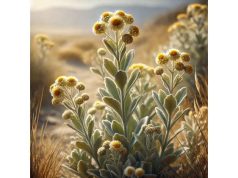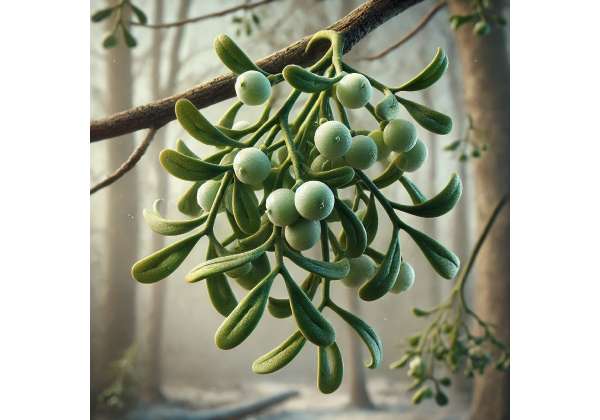
European mistletoe, or Viscum album, is an evergreen semiparasitic plant with a long history in traditional medicine and a more specialized modern role in integrative cancer care. Unlike many everyday herbs, mistletoe is not mainly used as a simple tea or wellness tonic. Its most studied form is a standardized extract, often given by injection under clinical supervision. Researchers are especially interested in its lectins, viscotoxins, flavonoids, and other compounds that may influence immune signaling, inflammation, and cellular stress responses. Today, the main reason people search for European mistletoe is to understand whether it can support quality of life, fatigue, and treatment tolerance during cancer care. That interest is understandable, but the picture is nuanced. The herb has promising supportive-care research, yet it is not a proven cure, and raw oral use can be unsafe. The most useful way to approach it is with clear expectations: as a product-specific, clinician-guided therapy with potential supportive benefits, meaningful safety considerations, and evidence that is promising in some areas but still limited in others.
Key Insights
- European mistletoe is studied mainly as a supportive therapy, especially for quality of life and fatigue during cancer care.
- Its best-known active compounds include mistletoe lectins and viscotoxins, which may affect immune and cellular responses.
- Raw berries and leaves should not be taken orally because they can cause serious harmful effects.
- Clinical regimens often use subcutaneous injections 2 to 3 times weekly, but the exact dose depends on the product and protocol.
- Pregnant people, people using immunosuppressive therapy, and anyone with cancer who is not under clinician supervision should avoid self-use.
Table of Contents
- What is European mistletoe?
- Key ingredients and actions
- Does it help with cancer support?
- How European mistletoe is used
- How much and when?
- Safety, interactions, and who should avoid it
- What the evidence really shows
What is European mistletoe?
European mistletoe is a semiparasitic evergreen plant that grows on living trees such as apple, oak, pine, and elm. It produces its own energy through photosynthesis, but it also draws water and minerals from the host tree. That relationship shapes more than its appearance. In medicinal use, the host tree can influence the chemical profile of the plant, which helps explain why different mistletoe extracts are not always interchangeable.
Many readers know mistletoe as a holiday decoration, but medicinal European mistletoe is a different subject entirely. It is distinct from American mistletoe and should not be treated as a decorative plant with casual health uses. Historically, European mistletoe appeared in traditional systems for complaints ranging from headaches and seizures to circulatory issues. Those older uses are part of its story, but they are not the reason it draws so much modern attention.
Today, European mistletoe is most often discussed in the context of integrative oncology. In several parts of Europe, standardized mistletoe extracts are used alongside conventional cancer treatment as supportive therapy. This use is much more specific than the broad claims often seen online. It is not usually approached as a general wellness herb, and it is not widely supported as a do-it-yourself remedy for everyday symptoms.
This distinction matters because “mistletoe” can sound simple while the real topic is not. The route of use, the host tree, the extract type, and the therapeutic goal all influence how the plant is discussed clinically. A carefully prepared injectable extract used under supervision is very different from homemade preparations, raw plant material, or loosely labeled supplements.
For most readers, the most accurate starting point is this: European mistletoe is a specialized botanical medicine, not a casual household herb. It has a modern niche in supportive care, a long traditional background, and a safety profile that demands more respect than many common herbal products. Readers comparing it with broader botanical traditions may notice some overlap with older circulatory herbs such as hawthorn support traditions, but mistletoe’s current evidence base is much more tied to oncology-related supportive care than to general heart wellness.
Key ingredients and actions
European mistletoe contains several groups of bioactive compounds, but the two best-known are mistletoe lectins and viscotoxins. These are the compounds most often discussed in research on immune activity, cell signaling, and cytotoxic effects. They help explain why mistletoe continues to attract interest in supportive cancer care, even though it remains a debated therapy.
Mistletoe lectins are proteins that can influence how cells respond to stress and may affect protein synthesis within the cell. In laboratory models, they have been linked to immune stimulation, changes in cytokine signaling, and induction of programmed cell death in some cell lines. These findings sound impressive, but laboratory effects do not automatically translate into reliable clinical outcomes. They do, however, provide a plausible biological basis for why mistletoe is studied so seriously.
Viscotoxins are another important group. These small proteins may contribute to membrane-related cellular effects and are thought to play a role in some of mistletoe’s biologic activity. Alongside them are flavonoids, phenolic acids, polysaccharides, triterpenes, and other compounds that may add antioxidant, anti-inflammatory, or immunomodulatory effects. The whole extract may therefore behave differently from any one isolated constituent.
One practical challenge is that mistletoe chemistry is variable. The host tree matters. The time of harvest matters. The extraction method matters. Fermented and nonfermented products may differ, and lectin-standardized preparations are not the same as anthroposophic preparations that use a broader whole-extract philosophy. This variability helps explain why study results do not always align neatly.
In plain terms, European mistletoe is not one simple ingredient. It is a family of related preparations built around the same plant but shaped by manufacturing details. That is why product identity matters so much in discussions of dosage, outcomes, and safety.
This complexity also separates mistletoe from more everyday immune-support herbs. People interested in the immune-modulating side of botanicals sometimes compare it conceptually with herbs such as immune-support plants like astragalus, but mistletoe is much less suited to casual self-directed use. Its most meaningful applications depend on standardized extracts and clinical context rather than broad wellness use.
Does it help with cancer support?
European mistletoe is best known today for its possible role in supportive cancer care. That wording matters. The strongest modern discussion is not about mistletoe as a proven cancer cure. It is about whether certain patients may feel better, function better, or tolerate treatment better when a standardized mistletoe extract is added to conventional care.
The most encouraging research has focused on quality of life. In this setting, quality of life can include fatigue, appetite, sleep, emotional well-being, treatment burden, and day-to-day functioning. Several reviews suggest that some patients using mistletoe extracts report moderate improvements in these areas. This makes mistletoe clinically interesting, because supportive gains can matter a great deal during long treatment courses.
Fatigue is another area where the evidence appears more promising than many people expect. Cancer-related fatigue is difficult to treat and often persists despite rest. Some trials and pooled analyses suggest that mistletoe may reduce fatigue severity in at least some patient groups. Even a moderate improvement can be meaningful when fatigue affects treatment participation, mobility, mood, and daily life.
At the same time, expectations need to stay realistic. The evidence is not clean enough to claim that mistletoe consistently improves survival, shrinks tumors, or replaces standard oncology care. Positive findings exist, but many studies differ in product type, dosing strategy, cancer type, and overall quality. Blinding is also difficult because local injection reactions can make it obvious who received the active product.
This leaves readers with a careful but useful conclusion. Mistletoe may have a legitimate supportive role for some adults with cancer, especially around quality of life and fatigue, but it should not be presented as a stand-alone treatment. The best case for it is as a complementary therapy under professional guidance, not as an alternative to surgery, chemotherapy, radiation, targeted therapy, or immunotherapy.
People exploring supportive strategies often also look into other adjunctive options such as medicinal mushrooms used in supportive care. European mistletoe differs because its research and clinical use are much more centered on injectable, product-specific protocols rather than general supplement use. That narrower role is one reason both the interest and the controversy around it remain high.
How European mistletoe is used
In modern clinical settings, European mistletoe is used mainly as a standardized extract rather than as a raw herb. The most studied route is subcutaneous injection, typically given several times per week under a protocol tailored to the patient and the product. This is the form most often associated with supportive cancer care research.
Other routes have been explored, including intravenous, intratumoral, intrapleural, intravesical, and oral use. However, these approaches are less standardized and often less comparable across studies. That means a statement like “mistletoe was effective” is incomplete unless it also explains which preparation was used, how it was administered, and for what purpose.
In practice, mistletoe is usually positioned as an adjunct. The goals may include support during chemotherapy, improvement in energy, better overall tolerance of treatment, or a broader sense of improved well-being. In this role, mistletoe is not used instead of standard care. It is used, when chosen at all, as one part of a broader treatment plan.
Traditional oral use deserves special caution. Folk use has included teas, tinctures, and other oral forms, but the modern evidence base for these uses is weak. More importantly, raw oral ingestion of European mistletoe plant material can be dangerous. That makes home experimentation a poor fit for this herb.
Another reason clinician guidance matters is that mistletoe products are not interchangeable. Preparations may differ by host tree, manufacturing style, and concentration of active compounds. A protocol built around one product cannot be assumed to apply to another. This is especially important for patients who encounter online discussions that blur the difference between a standardized medicinal extract and a general supplement.
The most practical way to think about mistletoe use is this: it belongs in a structured setting, not in improvised self-care. Readers who want broader herbal support for stress, digestion, or routine recovery often do better starting with simpler options such as better-characterized botanical support choices rather than using mistletoe outside of a clear clinical framework.
How much and when?
There is no universal daily dose for European mistletoe. That is one of the most important facts to understand before looking at any product label or online dosing chart. The dose depends on the exact preparation, the route of administration, the treatment goal, the patient’s tolerance, and the supervising clinician’s protocol.
In many clinical programs, subcutaneous injections are given 2 to 3 times per week. Some regimens use escalating doses, starting low and increasing over time to gauge response. Others use more fixed schedules, especially with lectin-standardized products. Some supportive-care trials have used lectin concentrations in the range of about 10 to 70 ng per mL, while certain research protocols using intravenous administration have reported doses in the hundreds of milligrams under close monitoring. These examples illustrate range, not a consumer self-dosing guide.
Timing also varies. Some patients use mistletoe during active cancer treatment, while others continue through recovery or maintenance phases. Protocols may last for weeks, months, or longer depending on the clinical goal. In practice, the duration is often shaped by tolerance, symptom response, and the overall treatment plan rather than by a single standard timeline.
This variability can be frustrating for readers who want a simple rule, but with mistletoe, simplicity can be misleading. A named product with a defined route and monitoring plan is what makes dosing meaningful. Without those details, numbers alone are not especially useful.
For oral mistletoe, the answer is much shorter: there is no strong, validated self-dosing framework that supports casual oral use for cancer care or general wellness. Because raw oral ingestion can be harmful, self-dosing from plant material is not a responsible option.
A good dosing conversation starts with five points: product name, route, starting strength, frequency, and what counts as an expected versus excessive reaction. People who are used to herbs with simple kitchen-style dosing may find this unusual, but European mistletoe is much closer to a specialized therapeutic extract than to a common home remedy. That difference is central to safe use.
Safety, interactions, and who should avoid it
Safety is one of the most important parts of any European mistletoe discussion. The plant is biologically active, and the safety profile changes significantly depending on the form used. Raw berries and leaves can cause serious harmful effects when taken orally. That alone is enough reason to avoid homemade oral use, especially because many people assume that a natural plant is automatically mild.
Standardized injectable extracts have a different profile. The more common reactions include redness, swelling, soreness, itching, mild fever, chills, headache, and flu-like symptoms. In a supervised setting, these effects are often watched closely and interpreted in context. Severe allergic reactions appear to be uncommon, but any therapy capable of provoking immune-related effects deserves caution.
Pregnant people should avoid European mistletoe. Breastfeeding also calls for caution because reliable safety data are limited. People with autoimmune conditions, organ transplants, or immunosuppressive therapy should discuss mistletoe carefully with a clinician before use, because the plant’s immune-related actions may be relevant to their care.
Interaction data are limited, which means uncertainty remains. That uncertainty matters most in people taking complex medication regimens, including cancer drugs, immunotherapies, blood pressure medicines, and anticoagulants. When evidence is incomplete, the safest assumption is not that interactions do not exist, but that proper review is needed.
Another common mistake is to assume that a stronger visible reaction means a better result. That is not a safe self-treatment rule. Injection-site responses and fever patterns can be meaningful in clinical use, but they should be interpreted by someone familiar with the product and the protocol. Chasing stronger reactions can increase risk without improving outcomes.
In general, the people who should avoid self-directed use are easy to identify: pregnant individuals, anyone considering oral raw use, patients with cancer who have not discussed it with their care team, and people on complicated medication regimens. Readers seeking general anti-inflammatory or symptom-relief herbs are usually better served by safer, more conventional options such as better-studied anti-inflammatory botanicals rather than by unsupervised mistletoe use.
What the evidence really shows
The evidence on European mistletoe is neither trivial nor definitive. That is the most balanced way to summarize it. There is enough research to justify serious attention, especially in integrative oncology, but not enough clean, consistent evidence to support sweeping claims.
The most credible benefit signal is in supportive outcomes such as quality of life and fatigue. These findings matter because they reflect real patient concerns. Better energy, improved appetite, less treatment burden, and a stronger sense of well-being are meaningful outcomes during cancer care. Mistletoe’s evidence is strongest when discussed in that lane.
The weaker area is direct anticancer effect. Some studies suggest possible survival or tumor-related benefits, but the overall literature is difficult to interpret because of product variability, inconsistent study design, small sample sizes in some trials, and the challenge of blinding. A patient reading only the most enthusiastic summaries could easily walk away with an inflated sense of certainty.
Another major limit is heterogeneity. Mistletoe is not one standardized intervention across all research. Host tree, fermentation style, lectin content, route of administration, cancer type, and protocol length all vary. This makes pooled results useful but imperfect. It also means that strong claims about “mistletoe” as a single therapy often flatten important distinctions.
Still, it would be a mistake to dismiss the whole topic as baseless. The supportive-care findings are credible enough to keep mistletoe relevant in specialist settings. What the evidence does not support is hype, casual oral use, or replacement of conventional care.
For patients and caregivers, the most practical takeaway is not “mistletoe works” or “mistletoe does not work.” It is this: European mistletoe may offer supportive value in selected cases, but the decision should depend on the exact product, the clinical setting, the intended outcome, and the willingness of the medical team to monitor it properly. Readers interested in evidence-aware botanical medicine more broadly may also appreciate exploring structured guides to other researched supportive natural therapies, while keeping in mind that mistletoe remains unusually product-specific and medically supervised compared with most herbs.
References
- European Mistletoe: Usefulness and Safety | NCCIH 2024
- Mistletoe Extracts (PDQ®) – NCI 2024
- Quality of Life in Breast Cancer Patients Treated With Mistletoe Extracts: A Systematic Review and Meta-Analysis – PMC 2023 (Systematic Review)
- Cancer-related fatigue in patients treated with mistletoe extracts: a systematic review and meta-analysis – PMC 2022 (Systematic Review)
- A Scoping Review of Genus Viscum: Biological and Chemical Aspects of Alcoholic Extracts – PMC 2023 (Review)
Disclaimer
This article is for educational purposes only and is not a diagnosis, treatment plan, or substitute for medical advice. European mistletoe is not a proven replacement for cancer treatment, and raw oral use can be harmful. If you have cancer, are pregnant or breastfeeding, take prescription medicines, or are considering injectable mistletoe, make decisions with your oncologist or another qualified clinician who can review the exact product, possible interactions, and appropriate monitoring.
If this article was helpful, please share it on Facebook, X, or any platform you prefer.