European pennyroyal, or Mentha pulegium, is a strongly aromatic mint-family herb with a long and uneasy history. For centuries it was used in teas, folk digestive remedies, insect repellents, and menstrual preparations. Its scent is recognizably minty, but its chemistry is not as gentle as peppermint or spearmint. European pennyroyal is rich in pulegone, a volatile compound that helps explain its traditional uses, sharp fragrance, and serious toxicity. Modern reviews describe antioxidant, antimicrobial, antispasmodic, and anti-inflammatory potential, yet they also agree on a crucial point: pennyroyal oil can cause severe liver injury, kidney injury, neurologic symptoms, and death.
That makes this herb very different from most kitchen mints. The dried aerial parts still appear in traditional herbal monographs for indigestion, flatulence, and intestinal colic, but concentrated oil is no longer considered a practical or safe internal remedy. The most useful modern article on European pennyroyal has to balance its ethnobotanical importance with a very clear safety message. Its story is medicinal, but also cautionary.
Essential Insights
- Pennyroyal has the clearest traditional use for indigestion, gas, and intestinal spasm, but modern clinical proof remains limited.
- The dried herb and the essential oil are not interchangeable; pennyroyal oil should not be taken internally.
- A traditional adult range for the dried herb top is about 3 to 12 g per day, with no more than 4 g per single dose, but many clinicians would still favor safer mint-family alternatives.
- Do not use European pennyroyal during pregnancy or breastfeeding, and do not give it medicinally to children.
- Liver disease, kidney disease, acetaminophen use, and any plan to use the oil are strong reasons to avoid self-treatment.
Table of Contents
- What is Mentha pulegium
- Key compounds and why they matter
- Does European pennyroyal help
- How has it been used
- How much per day
- Safety and who should avoid it
- What the evidence actually says
What is Mentha pulegium
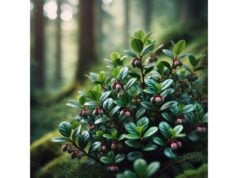
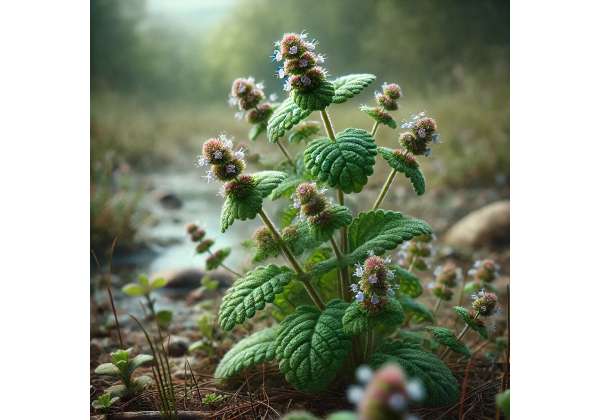
Mentha pulegium is a low-growing perennial herb in the mint family, Lamiaceae. It is native to Europe, North Africa, and parts of western Asia, and it has historically grown in damp meadows, stream edges, and seasonally wet soils. The plant has small rounded leaves, lilac to purple flowers, and a penetrating mint-like smell that becomes especially strong when the leaves are crushed. In older herbals and household traditions, European pennyroyal was used as a digestive mint, a remedy for intestinal discomfort, a warming tea during colds, and an insect repellent for fleas and other pests. Its common name is tied to that last role, since pulex refers to fleas.
What makes pennyroyal unusual is that it looks like a familiar mint yet behaves more like a high-risk medicinal herb. Unlike peppermint, which is widely used in regulated teas and enteric-coated oils, European pennyroyal is dominated by much more toxic volatile constituents, especially pulegone. That difference changes everything. The dried aerial parts still appear in some traditional-use monographs for digestive complaints, but the oil has a long record of poisonings, attempted abortion use, hepatic necrosis, and multiorgan failure. The gap between “minty herb” and “safe herb” is unusually wide here.
Historically, pennyroyal sat in two overlapping categories. It was a household plant for ordinary problems like gas, colic, or repelling insects, and it was also a stronger folk remedy used to stimulate menstruation or attempt abortion. That second history is central, not marginal. Modern safety authorities specifically discuss pennyroyal oil in relation to pulegone exposure and note that its former use to induce menstruation and abortion is no longer acceptable. This is one reason any modern guide has to be stricter than an old herbal text.
The most accurate way to classify European pennyroyal today is as a traditional mint with limited legitimate modern internal use and disproportionate safety concerns. Its cultural history remains important. Its chemistry remains scientifically interesting. But those facts do not turn it into a practical beginner herb. For most readers, understanding what it is also means understanding what it is not: it is not a harmless mint tea, not a casual essential oil, and not a safe shortcut for menstrual or digestive self-treatment.
Key compounds and why they matter
European pennyroyal’s benefits and risks come from the same place: its chemistry. The essential oil of Mentha pulegium is typically rich in pulegone, often with menthone, isomenthone, piperitenone, menthofuran, and smaller amounts of other monoterpenes depending on geography, harvest stage, and plant chemotype. Modern authorities note that pulegone is the major component of European pennyroyal oil and can account for most of the volatile fraction. That single fact explains both the plant’s powerful smell and its toxicological profile.
Pulegone matters because it is not just aromatic. It is hepatotoxic and nephrotoxic in enough exposure, and the body can metabolize it to menthofuran and other reactive intermediates linked with glutathione depletion and tissue injury. Modern toxicology papers treat pulegone as the main hazard marker for pennyroyal products. This is why safety discussions often focus less on the herb as a whole and more on pulegone and menthofuran exposure. Even current food-risk assessments still revolve around those compounds, not around pennyroyal as a gentle botanical.
That said, pennyroyal is not chemically one-dimensional. Reviews describe flavonoids, phenolic acids, tannins, and other secondary metabolites that likely contribute to antioxidant, antimicrobial, antispasmodic, and anti-inflammatory activity. Rosmarinic acid, caffeic acid derivatives, and flavonoid glycosides appear in the water-soluble fraction, while the volatile fraction carries most of the dramatic scent and most of the dramatic toxicity. This split is important. A tea made from dried herb is not chemically equivalent to a concentrated essential oil, even if both come from the same species.
This also explains why the plant has a confusing reputation. Traditional herb users may focus on the water-based digestive or antispasmodic side. Aromatherapists and poison-control clinicians focus on the oil. Researchers studying antimicrobial activity often focus on the volatile fraction. Each group is describing something real, but not necessarily the same preparation. That is one of the most useful practical insights about pennyroyal: the form determines the risk more sharply than with many other mints.
So the key ingredients are not just a list. They form a hierarchy. Pulegone is the dominant compound to know. Menthofuran is the metabolite and co-concern. Menthone and related terpenes help define aroma and activity. Polyphenols explain some of the gentler antioxidant and anti-inflammatory claims. But overall, pennyroyal’s chemistry is safety-first chemistry. With this herb, the active compounds are inseparable from the precautions.
Does European pennyroyal help
European pennyroyal probably does have genuine biological activity for digestive spasm, gas, mild microbial inhibition, and insect-repelling use. The problem is not that the plant is inactive. The problem is that its risk profile makes the practical margin for safe internal benefit much smaller than many readers expect. Traditional herbal systems and modern monographs still recognize pennyroyal for indigestion, flatulent dyspepsia, and intestinal colic, which suggests that low-dose dried-herb preparations likely do have carminative and antispasmodic value.
Laboratory literature goes further. Reviews and newer experimental papers describe antimicrobial, antioxidant, anti-inflammatory, antifungal, and even insecticidal or bioherbicidal effects. Essential oil from Mentha pulegium often performs well against selected microbes in vitro, and the high-terpene volatile fraction plausibly explains those results. From a research standpoint, this is interesting. From a self-care standpoint, it is less useful than it sounds. A plant that inhibits microbes in a dish is not automatically a good internal remedy, especially when the same oil can damage the liver and kidneys.
The most realistic benefit claims are these:
- modest digestive relief in traditional dried-herb use
- carminative support for gas and post-meal heaviness
- possible spasm relief in minor intestinal discomfort
- external or household insect-repelling use
- laboratory antimicrobial and antioxidant potential
The least defensible benefit claims are these:
- safe natural abortifacient
- routine menstrual regulator
- proven internal antimicrobial treatment
- daily detox mint
- concentrated oil as a wellness product
That distinction matters because pennyroyal is often misread through the lens of safer mints. Someone seeking digestive support will usually do better with gentler aromatic herbs such as fennel or peppermint rather than a plant whose strongest modern evidence base is partly toxicological. Pennyroyal may indeed “work,” but that is not the same as saying it is the right herb to use.
A useful modern reading is that pennyroyal’s clearest value may now lie outside internal herbal practice. It remains relevant as a historical digestive mint, a source of phytochemical interest, and a model for insect-repellent or bioactive volatile research. That is still a form of usefulness. It just is not the same as recommending it as a routine herbal remedy. In other words, the plant’s benefits are real enough to study, but not safe enough to simplify.
How has it been used
Historically, European pennyroyal was used in several very different ways, and mixing those traditions together is one reason modern readers get confused. The aerial parts were brewed into infusions or decoctions for digestive complaints, colds, and women’s health problems. Crushed leaves were used in household pest control. The plant and its oil were added to rooms, clothing, or bedding to repel fleas and insects. In some food traditions it also served as a flavoring herb, though that culinary role has narrowed over time because of safety concerns around pulegone.
Traditional internal use focused on a few recurring themes:
- digestive heaviness and flatulence
- intestinal spasm or colic
- warming respiratory teas
- menstrual stimulation
- abortion attempts in folk practice
That fifth use is the one that most sharply changes the tone of any responsible article. Pennyroyal’s emmenagogue and abortifacient reputation is not harmless historical trivia. Modern safety sources still discuss it because people continue to encounter older advice or internet folklore that treats pennyroyal oil as a “natural” reproductive shortcut. The toxicology record makes that view unacceptable. The oil is not a safer substitute for medical care; it is one of the main reasons the herb now carries such a severe warning profile.
In modern practice, the only form that appears in traditional-use monographs is the dried herb top, usually as infusion, decoction, powder, or non-standardized extract. Even here, the fit is narrow. The herb is framed as a traditional digestive and antispasmodic aid for adults, not as a broad health tonic. The concentrated essential oil is a different category entirely and should not be treated as a stronger version of the tea. That assumption is exactly what has led to some of the worst poisonings.
There is also an ecological and practical twist in the modern literature. Some recent authors argue that pennyroyal may have more future value in agriculture, preservation, or non-food bioproduct development than in internal phytotherapy. That is a subtle but important shift. Many plants become safer and more useful when their strongest activities are redirected away from ingestion. Pennyroyal may be one of them.
So how has it been used? As a tea herb, a carminative, a repellent, a folk reproductive remedy, and an aromatic household plant. How should that shape modern use? By drawing a bright line between historical description and present-day recommendation. Traditional use helps us understand why the plant mattered. It does not erase what modern toxicology has made impossible to ignore.
How much per day
For the dried herb top, one official traditional-use monograph permits an adult range of 3 to 12 g per day, with no more than 4 g in a single dose, using dry herb, powder, decoction, infusion, or non-standardized extract. The same monograph lists a tincture range equivalent to about 0.6 to 1.2 g of dried herb top per day. Those numbers are useful because they show that pennyroyal has indeed been formalized in at least one modern regulatory framework for limited digestive use in adults.
But dosage is where pennyroyal most needs context. A traditional dried-herb range does not make the herb broadly safe, and it absolutely does not apply to the essential oil. Pennyroyal oil should not be self-dosed internally. That is the single most important practical dosage rule. Case reports and toxicology reviews describe moderate to severe toxicity after ingestion of around 10 mL of pennyroyal oil, with deaths reported after higher amounts such as 15 mL. Those are not “therapeutic” doses gone slightly wrong. They are reminders that the oil is a high-risk product with a narrow and poorly forgiving safety window.
A realistic modern dosage hierarchy looks like this:
- dried herb top in traditional adult amounts: historically recognized, but still used cautiously
- tincture or non-standardized extract: more variable and harder to judge
- essential oil: not suitable for internal self-use
That distinction should influence how readers interpret the whole herb. If someone asks, “How much pennyroyal per day?” the honest answer is not just a number. It is also a warning about form, age, and purpose. Even the dried herb is not recommended for children in the monograph, and the permitted traditional use is limited to adults 18 years and older.
In practical terms, many cautious herbalists would now rather avoid pennyroyal internally altogether unless there is a strong reason and qualified supervision. Safer mint-family options exist, and the upside of pennyroyal is not large enough to justify casual experimentation. That does not make the traditional dose wrong. It just means that, in modern context, a permitted traditional range and a preferred clinical choice are not the same thing.
So, the most helpful dosage guidance is blunt. Dried herb top has a traditional adult range of 3 to 12 g per day. Pennyroyal oil has no safe place in unsupervised internal use. And because the herb’s chemistry is variable and safer alternatives are readily available, many readers are better served by understanding the dosage history than by acting on it.
Safety and who should avoid it
Safety is the defining issue for European pennyroyal. The dried herb is one thing; the essential oil is another. Pennyroyal oil can cause severe gastrointestinal distress, seizures, metabolic acidosis, acute liver injury, kidney injury, lung injury, shock, and multiorgan failure. LiverTox and older case reviews document fatal poisonings, including cases after attempted abortion and after accidental or household exposure. Infants and children are particularly vulnerable. Even tea-like preparations have caused catastrophic outcomes when the exposure contained enough pulegone.
The main people who should avoid pennyroyal medicinally are:
- pregnant people
- breastfeeding people
- children and infants
- anyone with liver disease
- anyone with kidney disease
- anyone considering the essential oil internally
- anyone taking acetaminophen or other potentially hepatotoxic medication
- anyone with a complex medication regimen and no professional supervision
Pregnancy deserves especially clear language. Pennyroyal has a long historical reputation as an emmenagogue and abortifacient, and newer animal research confirms fetal toxicity and abortion-related effects in pregnant rats. This is not a reason to treat the herb as “effective.” It is a reason to treat it as unsafe. The old folk use is exactly what modern readers should not imitate.
There are also practical interaction concerns. Regulatory monographs specifically advise caution with liver or kidney problems and with acetaminophen. The broader toxicology literature adds an obvious warning around any drug burden that could worsen hepatic stress or obscure early symptoms of poisoning. Because pulegone metabolism is central to the harm profile, people should not assume that “natural” exposure is metabolically simple.
A useful modern principle is substitution. If someone wants a mint-family herb for calm digestion, daily tea, or gentle stress relief, a safer choice like lemon balm is usually a better fit. Pennyroyal is not special enough to justify pretending it belongs in the same everyday category.
The best short safety advice is this: never take pennyroyal oil internally, never use pennyroyal in pregnancy, and do not treat its traditional reputation as proof of safety. With this herb, a responsible article is not one that teaches bravado. It is one that helps the reader know when to stop.
What the evidence actually says
The evidence for Mentha pulegium is strong enough to confirm that it is pharmacologically active, but not strong enough to justify enthusiastic internal self-treatment. That is the core conclusion. The herb has substantial ethnobotanical documentation, a recognizable traditional-use profile for digestion and spasm, and a large body of chemistry and in vitro research showing antimicrobial, antioxidant, anti-inflammatory, and insecticidal activity. What it lacks is a reassuring clinical literature showing that the benefits clearly outweigh the risks for modern users.
There is also a mismatch between where the evidence is strongest and where the public interest often goes. Researchers can make a solid case that pennyroyal essential oil has antimicrobial or agricultural potential. Toxicologists can make a solid case that pulegone-rich products are hazardous. Traditional-use monographs can make a limited case for dried herb top in adult digestive complaints. But none of those automatically add up to “good herb to use at home.” In fact, the evidence points the other way: the more clearly we understand the chemistry, the less casual internal use appears.
This is one of the rare herbs where modern evidence narrows the therapeutic conversation rather than broadening it. A century ago, a reader might have seen pennyroyal mainly as a strong mint. Today, a well-informed reader should see it as a plant whose strongest contemporary evidence base is partly toxicological. That does not erase its traditional role. It reframes it.
The most evidence-based summary is probably this:
- traditional digestive and carminative use is plausible
- essential oil is significantly toxic
- pregnancy use is dangerous, not therapeutic
- modern research value may be greater in external, agricultural, or analytical contexts than in internal herbal medicine
- safer aromatic alternatives make pennyroyal less necessary than it once was
That final point is easy to miss, but it may be the most practical one. European pennyroyal is interesting, historically important, and chemically rich. Yet a plant does not need to be safe to be worth studying. Sometimes the most mature relationship with an herb is not to consume it, but to understand it accurately. Pennyroyal belongs in that category far more than many mint-family readers expect.
References
- Mentha Pulegium: A Plant with Several Medicinal Properties 2024 (Review)
- Mentha pulegium L.: A Plant Underestimated for Its Toxicity to Be Recovered from the Perspective of the Circular Economy 2021 (Review)
- Mentha pulegium L. (Pennyroyal, Lamiaceae) Extracts Impose Abortion or Fetal-Mediated Toxicity in Pregnant Rats; Evidenced by the Modulation of Pregnancy Hormones, MiR-520, MiR-146a, TIMP-1 and MMP-9 Protein Expressions, Inflammatory State, Certain Related Signaling Pathways, and Metabolite Profiling via UPLC-ESI-TOF-MS 2022
- Risk Assessment of Pulegone in Foods Based on Benchmark Dose–Response Modeling 2024
- Use of herbal medicinal products containing pulegone and menthofuran – Scientific guideline 2016 (Scientific Guideline)
Disclaimer
This article is for educational purposes only and is not medical advice. European pennyroyal is a high-risk herb because of pulegone-rich oil and documented cases of serious poisoning. Do not use pennyroyal oil internally, do not use pennyroyal during pregnancy or breastfeeding, and do not give it medicinally to children. Digestive pain, menstrual problems, suspected poisoning, or liver-related symptoms need medical evaluation rather than herbal experimentation.
Please share this article on Facebook, X, or your preferred platform if you think a clear, safety-first guide to European pennyroyal would help others.