Exertional angina is chest discomfort that shows up when your heart is working harder—most often during walking, climbing stairs, stress, or cold weather—and eases with rest. Many people describe it as pressure, tightness, heaviness, or a “band” across the chest rather than sharp pain. It happens when the heart muscle briefly doesn’t get enough oxygen-rich blood for the workload. That mismatch can be a warning sign of underlying heart artery disease, but it can also occur with artery spasm or small-vessel problems.
Because exertional angina can look like indigestion, muscle strain, or anxiety, it’s easy to minimize. The safer approach is to treat it as important information from your body: something to evaluate, stabilize, and manage with a plan you understand.
Table of Contents
- What exertional angina means in your body
- Why it happens and who is at risk
- Symptoms, red flags, and complications
- How doctors diagnose it
- Treatments that relieve symptoms and protect your heart
- Daily management, prevention, and when to seek care
What exertional angina means in your body
Exertional angina is a predictable pattern: symptoms appear when the heart’s workload rises and improve when the workload drops. The key idea is supply versus demand. When you exercise, your heart rate and blood pressure increase, and the heart muscle needs more oxygen. If blood flow can’t rise enough to meet that need, the heart muscle becomes temporarily “short of fuel,” and you feel angina.
Most often, the bottleneck is narrowing in the coronary arteries from plaque build-up (coronary artery disease). Even a moderate narrowing can become “tight” during exertion because the artery can’t widen the way it should. The result is a brief episode of reduced blood flow (ischemia) that typically resolves within minutes of resting.
Not all exertional angina comes from a large blockage, though. Two other patterns matter:
- Coronary spasm (vasospastic angina): an artery suddenly squeezes shut or nearly shut, reducing flow. It can happen at rest, but some people notice it with exertion, cold exposure, or stress.
- Microvascular angina: the tiny vessels within the heart muscle don’t dilate normally. Standard scans may show “no major blockage,” yet the person still gets exertional chest pressure and breathlessness.
Clinicians often place exertional angina under the umbrella of chronic coronary disease—a long-term condition that can be stable for years with the right treatment plan. “Stable” does not mean harmless; it means the pattern is consistent. A change in that pattern—more frequent episodes, symptoms at lower effort, lasting longer, or occurring at rest—can signal an unstable problem and needs urgent evaluation.
A practical way to recognize exertional angina is the “repeat test”: if the same activity (say, walking two blocks) reliably triggers symptoms and stopping reliably eases them, that predictability strongly suggests a workload-related blood-flow issue rather than random aches.
Why it happens and who is at risk
Exertional angina usually develops when something limits how much oxygen-rich blood can reach the heart muscle during increased demand. The most common cause is atherosclerosis—plaque that narrows coronary arteries over time. But the “why” is often a combination of artery health, blood characteristics, and how hard the heart is being asked to work.
Common underlying causes include:
- Obstructive coronary artery disease: plaque narrows one or more coronary arteries, reducing the ability to increase flow during exertion.
- Non-obstructive coronary disease: plaques that don’t severely narrow the artery can still cause symptoms by disrupting normal vessel function.
- Microvascular dysfunction: small vessels fail to dilate properly, limiting flow within the heart muscle.
- Coronary spasm: transient tightening of a coronary artery.
- Anemia or low oxygen states: if the blood carries less oxygen (for example, significant anemia), the heart may “feel” under-supplied sooner.
- Valve or heart muscle disease: conditions like aortic stenosis or thickened heart muscle can raise oxygen demand and bring on angina-like symptoms.
Triggers that raise demand or reduce supply often make episodes more likely:
- climbing hills or stairs, brisk walking, heavy lifting
- emotional stress, rushing, poor sleep
- cold weather or strong wind (blood vessels constrict)
- large meals (blood shifts to digestion)
- stimulants (some decongestants, illicit stimulants, or excessive caffeine in sensitive people)
Risk factors track closely with coronary disease risk. The strongest and most actionable include:
- high blood pressure
- high LDL cholesterol or known lipid disorders
- diabetes or insulin resistance
- smoking or vaping nicotine
- kidney disease
- obesity, low physical activity, and poor cardiorespiratory fitness
- family history of early heart disease
- older age
Some risk patterns are easy to overlook. People with diabetes may have less “classic” chest pain and more shortness of breath or fatigue with exertion. Women are more likely to have microvascular angina or mixed symptom patterns. Chronic inflammation, poor sleep apnea control, and unmanaged stress can worsen frequency even when blockages are unchanged.
If exertional symptoms have started recently or are progressing, the goal is not only to identify the cause but also to reduce near-term risk by treating the underlying disease and stabilizing triggers you can control.
Symptoms, red flags, and complications
People expect angina to feel like sharp pain. More often it feels like pressure, tightness, squeezing, heaviness, or burning in the center or left side of the chest. It can also show up outside the chest because heart-related nerves share pathways with the jaw, neck, shoulders, arms, and upper back.
Common exertional angina symptoms include:
- chest pressure or tightness that starts during activity and improves with rest (often within 1–5 minutes)
- discomfort radiating to the left arm, both arms, jaw, neck, or upper back
- shortness of breath, especially if it reliably appears at a certain level of effort
- unusual fatigue or reduced exercise tolerance (for example, “I can’t do what I could last month”)
- nausea, sweating, or lightheadedness during episodes
Many people have a “threshold” pattern: symptoms appear when you pass a certain pace or incline. That threshold can drift downward when you’re dehydrated, stressed, sick, or sleeping poorly—so a bad week can mimic worsening heart disease. Still, you should treat a consistent downward trend as meaningful until proven otherwise.
Atypical presentations are common, especially in:
- older adults
- women
- people with diabetes
- people with kidney disease
In these groups, the main complaint may be breathlessness, nausea, or profound fatigue with exertion rather than chest discomfort.
Red flags that require urgent medical evaluation (often emergency care) include:
- symptoms at rest or that wake you from sleep
- symptoms lasting more than 10–15 minutes despite rest
- rapidly increasing frequency, severity, or occurring with much less effort than usual
- fainting, severe weakness, confusion, or new difficulty breathing
- chest discomfort with a cold sweat, vomiting, or a sense of impending doom
- symptoms after using cocaine or other stimulants
Possible complications of inadequately treated coronary disease include heart attack, dangerous rhythm problems, and heart failure. Importantly, angina itself is not a heart attack, but it can be the “warning light” that the system is under strain. When the pattern changes, that warning light becomes louder.
A useful mindset: if you’re debating whether it’s “bad enough,” treat that uncertainty as a reason to get assessed—especially if this is new, getting worse, or different from your usual.
How doctors diagnose it
Diagnosis starts with a careful story, because pattern is powerful. A clinician will ask what you were doing when symptoms start, how long they last, what makes them better, and whether they spread to the arm or jaw. They’ll also review risk factors, medications, and family history, and they’ll check blood pressure, heart sounds, and signs of other causes (like anemia or lung disease).
If symptoms are happening now, or if the pattern suggests an unstable problem, clinicians may treat it as possible acute coronary syndrome first. That typically includes an ECG and blood tests (such as troponin) to look for heart muscle injury.
For stable, exertional patterns, testing aims to answer two questions:
- Is this likely coming from reduced heart blood flow?
- If yes, how high is the risk, and what treatment path fits best?
Common tests include:
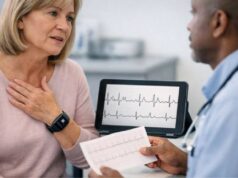
- Resting ECG: may be normal between episodes, but it can show old damage or rhythm issues.
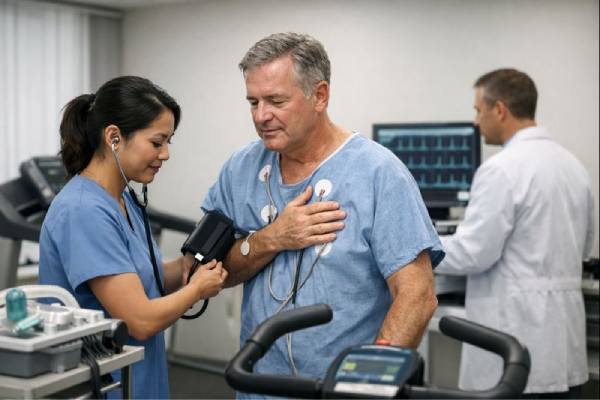
- Exercise stress test (treadmill): looks for symptom reproduction, ECG changes with exertion, and your exercise capacity. It’s often used when you can exercise and your baseline ECG is interpretable.
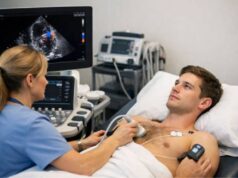
- Stress imaging: adds ultrasound (stress echo), nuclear imaging, or MRI to show areas of reduced blood flow or weak contraction under stress—helpful when the baseline ECG is hard to interpret or when more detail is needed.
- Coronary CT angiography (CCTA): a CT scan that maps coronary anatomy and plaque. It’s particularly useful for many people with new, stable chest pain to rule in or rule out significant coronary disease.
- Invasive coronary angiography: a catheter-based test that directly visualizes arteries. It’s typically reserved for higher-risk cases, persistent symptoms despite treatment, or when a procedure is being considered.
When major blockages are not seen but symptoms persist, clinicians may evaluate for:
- microvascular angina (small-vessel dysfunction)
- vasospasm (artery spasm)
- non-cardiac causes that mimic angina (reflux, musculoskeletal pain, panic symptoms)
Good diagnosis is also about context. For example, a person with predictable exertional chest tightness and multiple risk factors may need a different test pathway than a young person with low risk and symptoms that don’t match exertional patterns.
Before you leave the visit, you should know: what the working diagnosis is, what tests are planned (and why), and what to do if symptoms change.
Treatments that relieve symptoms and protect your heart
Treatment has two equally important goals: reduce symptoms (so you can live your life) and reduce future risk (heart attack, stroke, heart failure). The best plan is individualized, but most people benefit from a layered approach.
1) Lifestyle and risk-factor treatment (the foundation)
These steps can meaningfully lower event risk and often raise the exertional “threshold” for symptoms:
- stop smoking/nicotine exposure (including vaping)
- manage blood pressure to your agreed target
- lower LDL cholesterol substantially (often requiring medication)
- control diabetes and optimize weight
- build aerobic fitness gradually and safely
2) Medications that improve prognosis (protective meds)
Depending on your situation, clinicians may recommend:
- cholesterol-lowering therapy (often a high-intensity statin; sometimes additional agents)
- antiplatelet therapy (commonly low-dose aspirin for many with established coronary disease, if bleeding risk is acceptable)
- blood pressure medications that also protect the heart in appropriate patients (such as ACE inhibitors or ARBs)
- diabetes medications with cardiovascular benefit when indicated
3) Medications that reduce angina symptoms (antianginal meds)
These are chosen based on heart rate, blood pressure, other conditions, and side-effect tolerance:
- beta blockers: reduce heart rate and demand, often first choice after heart attack or with certain rhythm issues
- calcium channel blockers: relax arteries and reduce spasm; useful when beta blockers aren’t tolerated or when spasm is suspected
- nitrates: fast-acting nitroglycerin for episodes; longer-acting forms may prevent episodes in some people
- ranolazine or other add-on agents: can help when symptoms persist despite first-line therapy
4) Procedures when needed (revascularization)
If symptoms remain limiting despite good medical therapy, or if tests show high-risk anatomy, procedures may be recommended:
- PCI (stent): opens a narrowed segment
- CABG (bypass surgery): reroutes blood around blockages, especially helpful in complex or multi-vessel disease in selected patients
A key expectation to set: a stent often improves symptoms quickly, but long-term protection still depends heavily on ongoing risk-factor treatment and medication adherence.
Cardiac rehabilitation—supervised exercise plus education and coaching—can be one of the most practical “treatments” because it improves fitness, confidence, and risk-factor control while teaching you how to recognize and respond to symptoms.
Daily management, prevention, and when to seek care
Living well with exertional angina is about predictability, preparation, and steady risk reduction. Many people do best with a written, simple plan that answers: What do I do during symptoms? What do I do to prevent them? When do I escalate care?
Build a practical “episode plan”
- Stop and rest at the first sign of symptoms. Don’t “push through.”
- If prescribed nitroglycerin, follow your clinician’s instructions precisely. A common plan is one dose at symptom onset while resting; if symptoms don’t improve promptly, repeat per instructions and seek emergency care if they persist.
- Track the trigger, duration, and what relieved it. Patterns help fine-tune treatment.
Prevent episodes by managing demand
- Warm up for 5–10 minutes before exertion; cool down after.
- Break tasks into smaller chunks (carry lighter loads, take pauses).
- In cold weather, cover the mouth and nose with a scarf to warm inhaled air.
- Avoid sudden “all-out” bursts (running for a bus) until your condition is well controlled.
Exercise safely (and steadily)
Regular activity usually helps, but you want the right intensity:
- Aim for most exercise at a pace where you can speak in short sentences.
- Increase duration before intensity (for example, add 5 minutes per session rather than speeding up).
- Consider cardiac rehab if available—especially if symptoms are new, anxiety is high, or fitness is low.
Prevention that matters week to week
- Keep follow-up appointments and lab checks (lipids, diabetes markers, kidney function).
- Take medications consistently; if side effects occur, report them early rather than stopping abruptly.
- Prioritize sleep and treat sleep apnea if present.
- Keep vaccinations current (respiratory infections can strain the heart).
When to contact your clinician soon (same day to within a few days)
- you need more nitroglycerin than usual
- your symptom threshold is dropping (less activity triggers symptoms)
- episodes are lasting longer or happening more often
- you develop new breathlessness, swelling, or reduced stamina
When to seek emergency care
- symptoms at rest, severe symptoms, or symptoms lasting more than 10–15 minutes
- fainting, severe shortness of breath, confusion, or collapse
- symptoms with sweating, vomiting, or a new sense that “something is very wrong”
The goal is not to make life smaller. With a clear plan, optimized therapy, and gradual fitness-building, many people return to walking, traveling, intimacy, and hobbies with fewer interruptions—and with more confidence about what to do if symptoms appear.
References
- 2024 ESC Guidelines for the management of chronic coronary syndromes – PubMed 2024 (Guideline)
- 2023 AHA/ACC/ACCP/ASPC/NLA/PCNA Guideline for the Management of Patients With Chronic Coronary Disease: A Report of the American Heart Association/American College of Cardiology Joint Committee on Clinical Practice Guidelines – PubMed 2023 (Guideline)
- 2021 AHA/ACC/ASE/CHEST/SAEM/SCCT/SCMR Guideline for the Evaluation and Diagnosis of Chest Pain: A Report of the American College of Cardiology/American Heart Association Joint Committee on Clinical Practice Guidelines – PubMed 2021 (Guideline)
- ACC/AHA/ASE/ASNC/ASPC/HFSA/HRS/SCAI/SCCT/SCMR/STS 2023 Multimodality Appropriate Use Criteria for the Detection and Risk Assessment of Chronic Coronary Disease – PubMed 2023 (Guideline)
Disclaimer
This article is for educational purposes only and does not provide medical advice, diagnosis, or treatment. Exertional chest discomfort can be a medical emergency. If you have chest pressure, shortness of breath, fainting, or symptoms that are new, worsening, occurring at rest, or not improving promptly with rest or prescribed medication, seek emergency care immediately. Always discuss your symptoms, test results, and medications—including nitroglycerin and heart drugs—with a qualified clinician who knows your medical history.
If you found this article helpful, please share it on Facebook, X (formerly Twitter), or any platform you prefer, and follow us on social media. Your support through sharing helps our team keep producing clear, trustworthy health information.