Exertional syncope is fainting that happens during exercise or right as you stop. It can look like “just pushing too hard,” but the timing matters: passing out with exertion can be the first visible sign of a heart rhythm problem or a structural heart condition that needs prompt attention. In other cases, it happens because blood pressure drops suddenly, heat and dehydration lower circulating volume, or breathing patterns change the body’s balance.
The safest approach is to treat exertional syncope as a serious symptom until a clinician confirms a benign cause. The good news is that a careful evaluation often identifies a clear explanation and a practical plan—so you can return to activity with confidence rather than fear.
Table of Contents
- What exertional syncope means
- Causes and who is at risk
- Symptoms, red flags, and complications
- How it’s diagnosed
- Treatment and what to expect
- Safe return to activity and prevention
What exertional syncope means
Syncope means a brief loss of consciousness from reduced blood flow to the brain, followed by a quick, complete recovery. Exertional syncope is syncope that occurs during exercise (while the heart rate is up and demand is high) or immediately after stopping. Clinicians take it seriously because the “during exercise” timing raises concern for conditions that can limit blood flow or abruptly disrupt heart rhythm.
To understand why, it helps to think in two buckets:
- Syncope during exertion: This pattern is more likely to involve a cardiac cause—either an abnormal rhythm (arrhythmia) or an obstruction to blood leaving the heart. When the body asks for more blood flow and the heart cannot deliver it, blood pressure can fall and the brain briefly “shuts down.”
- Syncope right after exertion (post-exertional): This is often related to a sudden drop in blood pressure when you stop moving. During exercise, your leg muscles act like pumps that return blood to the heart. When you stop abruptly, blood can pool in the legs, especially if you are dehydrated or overheated. Some people also have an exaggerated reflex that slows the heart and relaxes blood vessels, leading to fainting.
Not every collapse is syncope. People can “drop” from heat illness, low blood sugar, asthma, seizure, or injury. True syncope typically has a short duration, no prolonged confusion afterward, and a quick return toward baseline once lying flat.
A few practical details make the story more informative:
- Intensity and position: Did it happen at maximal effort, moderate effort, or low effort? Were you standing, running, cycling, lifting, or swimming?
- Start vs stop: Did you faint while still moving, or after you stopped?
- Recovery: How quickly did you come back? Minutes matter.
- Witness observations: Pallor, abnormal breathing, jerking movements, or no pulse can change the urgency.
Even when a benign explanation is likely, exertional syncope deserves a structured evaluation because missing a cardiac cause can carry high stakes. The goal is to identify who can safely return to activity with simple measures and who needs targeted testing and treatment first.
Causes and who is at risk
Exertional syncope has many causes, but the evaluation focuses first on conditions that are more dangerous and more treatable when caught early. A helpful framework is “cardiac causes” versus “circulation and environment causes,” with an added category for mimic conditions.
Cardiac causes (higher concern, especially during exertion)
These can reduce blood flow suddenly or trigger dangerous rhythms:
- Heart rhythm disorders: fast rhythms from the ventricles, inherited rhythm syndromes (for example, long QT patterns), and exercise-triggered rhythm problems can cause abrupt fainting with little warning.
- Structural or obstructive heart disease: thickened heart muscle, tight heart valves, or other outflow obstructions can limit blood delivery during exercise.
- Coronary artery problems in younger people: rare anatomic variants can reduce blood supply during intense activity and trigger collapse.
- Inflammation or scarring: prior heart muscle inflammation or cardiomyopathy can increase arrhythmia risk.
Circulation, reflex, and environmental causes (often post-exertional, usually lower risk once confirmed)
These are common, especially in warm conditions:
- Dehydration and low circulating volume: from sweating, poor intake, vomiting/diarrhea, or diuretics.
- Heat stress: blood shifts to the skin to cool you, reducing central blood volume.
- Post-exertional pooling: stopping suddenly after sprints, intervals, or races.
- Reflex syncope: a nervous-system reflex that slows the heart and relaxes vessels, especially with pain, stress, or prolonged standing after exercise.
- Orthostatic intolerance: difficulty maintaining blood pressure when upright, sometimes worsened by illness, anemia, or certain medications.
Common risk factors that raise concern
- syncope during exertion rather than after stopping
- family history of sudden unexplained death, especially at a young age
- known heart disease, heart murmur, or prior abnormal ECG
- syncope with chest pressure, palpitations, or severe breathlessness
- recurrent events, increasing frequency, or events at lower workloads
- stimulant use (including illicit stimulants), heavy alcohol, or risky supplement use
- dehydration, rapid weight loss, or recent viral illness with lingering fatigue
Athletes deserve special mention: while many are healthy, exertional syncope in sport gets extra attention because rare cardiac conditions can present for the first time during intense training or competition. The aim is not to label someone as “unsafe,” but to separate benign post-exertional fainting from red-flag patterns that require restrictions and deeper testing.
Symptoms, red flags, and complications
Some people have clear warning signs before fainting. Others collapse suddenly. Understanding the lead-up helps clinicians estimate risk and decide which tests you need first.
Common warning symptoms (prodrome)
- lightheadedness, tunnel vision, or “graying out”
- nausea, warmth, or sudden sweating
- ringing in the ears
- feeling weak or unsteady
- blurred vision
These warning signs are more typical of reflex or post-exertional syncope, especially if symptoms improve quickly when lying down with legs elevated.
Symptoms that raise concern for a cardiac cause
- fainting during exertion with little or no warning
- palpitations right before the event (a rapid, irregular, or pounding heartbeat)
- chest pressure or pain during activity
- severe shortness of breath out of proportion to effort
- collapse in the water or during high-intensity bursts
- fainting while seated or lying down (less typical for simple post-exertional pooling)
What witnesses might notice
Brief jerking movements can occur during syncope because the brain is briefly under-perfused; this can mimic a seizure. Clues that favor syncope over seizure include rapid recovery, no prolonged confusion, and no tongue biting on the side of the tongue. Still, any uncertainty should be evaluated.
Complications to understand
- Injury: falls, head trauma, dental injuries, and fractures can occur even in benign syncope.
- Driving and safety risks: recurrent syncope affects safety planning for driving, climbing, swimming, and operating machinery.
- Sudden cardiac arrest risk: the major reason exertional syncope is evaluated urgently is that, in a minority of cases, it can be a warning sign of life-threatening arrhythmias or obstructive heart disease.
- Training disruption and anxiety: fear of recurrence can lead to deconditioning, which can worsen orthostatic symptoms and make exercise feel harder—a frustrating cycle.
Red flags that call for urgent evaluation
- syncope during exercise (not after)
- first-ever syncope with exertion
- chest pain, severe breathlessness, or palpitations with the event
- family history of sudden death or inherited heart rhythm conditions
- abnormal ECG, known heart disease, or a new heart murmur
- syncope followed by persistent confusion, weakness, or severe headache
- repeated episodes over days to weeks, or events happening at lower and lower effort
If you are unsure whether your episode “counts,” treat it as important. A clear diagnosis protects you twice: it reduces the chance of missing something dangerous, and it prevents unnecessary restriction when the cause is benign and manageable.
How it’s diagnosed
The diagnostic path for exertional syncope aims to answer two questions quickly: is there a dangerous cardiac cause, and what is the safest way to return to activity? A good evaluation is structured, not random—because “testing everything” can still miss the key trigger if the right test is not chosen.
Step 1: A detailed history and focused exam
Clinicians will ask about the exact moment of fainting (during vs after), intensity, hydration, heat, sleep, illness, and supplements or medications. They will also ask about prior fainting, family history, and any chest pain or palpitations. On exam, they listen for murmurs, check blood pressure lying and standing, and look for signs of dehydration or anemia.
Step 2: Baseline heart testing (often same day)
Common first tests include:
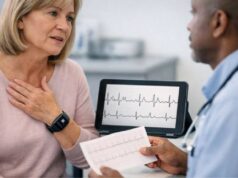
- ECG: screens for rhythm patterns that suggest inherited or acquired risk.
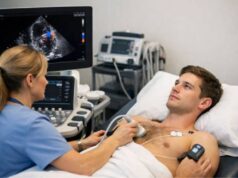
- Echocardiogram (heart ultrasound): checks structure and valve function when the story or exam suggests a structural cause, or when exertional syncope occurs.
- Basic labs when appropriate: anemia, electrolytes, glucose, and sometimes thyroid tests based on context.
Step 3: “Provoke the problem” safely
Because exertional syncope is tied to exertion, testing often needs to reproduce the physiologic conditions:
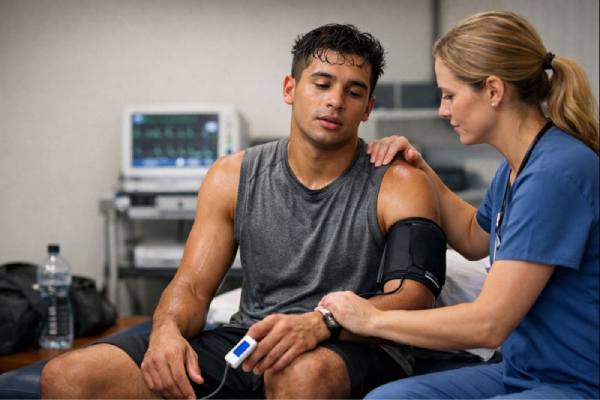
- Exercise stress testing: can detect exercise-triggered arrhythmias, abnormal blood pressure responses, or signs of reduced blood flow. For athletes, clinicians may tailor the protocol to match the sport’s demands.
- Ambulatory rhythm monitoring: a wearable monitor (days to weeks) can capture intermittent rhythms during real training sessions.
- Cardiopulmonary exercise testing (CPET) in selected cases: provides detailed data on oxygen use, heart rate response, and recovery patterns, which can clarify mechanisms in complex cases.
Step 4: Additional targeted tests when indicated
- Cardiac MRI: evaluates heart muscle scarring or cardiomyopathy patterns.
- Tilt-table testing: helps confirm reflex syncope or orthostatic intolerance when the story fits.
- Advanced imaging of coronary anatomy: considered when ischemia or coronary anomalies are suspected, especially with exertional symptoms.
Risk stratification and activity restriction
A key part of diagnosis is deciding what you should do while tests are pending. Many clinicians advise avoiding intense exertion until cardiac causes are reasonably excluded, especially if the event occurred during exercise or without warning. That recommendation can feel disruptive, but it is temporary and safety-driven.
The best sign that your evaluation is on track is clarity: you should understand the leading suspected causes, which results would change management, and what symptoms should prompt urgent reassessment.
Treatment and what to expect
Treatment for exertional syncope depends entirely on the cause. The most helpful mindset is “cause-specific therapy plus safety planning,” because the same symptom can require completely different actions.
If a cardiac cause is found
Treatment may include one or more of the following:
- Activity restriction during stabilization: temporarily avoiding high-intensity exercise or competition until risk is controlled.
- Medication: chosen to reduce arrhythmia risk or improve heart function, tailored to the specific condition.
- Procedures: catheter ablation for certain rhythm pathways, valve intervention for severe valve narrowing, or other condition-specific procedures.
- Implantable devices: in selected high-risk patients, a pacemaker or defibrillator may be recommended to prevent dangerous slow or fast rhythms.
- Family screening: when an inherited condition is suspected, relatives may need evaluation.
In these cases, “return to sport” is a structured process, often involving specialist clearance and a stepwise progression rather than a simple yes/no.
If the cause is reflex, post-exertional, or volume-related
Treatment usually focuses on preventing blood pressure drops and improving tolerance:
- Hydration and sodium strategy: increasing fluid intake and, when appropriate, dietary sodium can reduce episodes. This is individualized for people with heart failure, kidney disease, or other restrictions.
- Cooling and heat planning: training earlier, using shade, wearing breathable clothing, and cooling strategies can prevent heat-related pooling.
- Avoid abrupt stops: after intense exercise, keep walking for 5–10 minutes to maintain muscle pump return.
- Counter-pressure maneuvers: if warning signs appear, crossing legs, tightening leg muscles, and gripping hands can help raise blood pressure while you move to a safe position.
- Review medications and triggers: diuretics, blood pressure medications, alcohol, and stimulants can worsen susceptibility. Adjustments should be guided by a clinician.
- Treat contributing conditions: anemia, infection recovery, and sleep apnea treatment can substantially reduce recurrence.
What recovery often looks like
Many people feel “washed out” for hours after a syncope episode, even when the cause is benign. That fatigue can lead to premature training reduction, which worsens orthostatic tolerance. A balanced plan usually includes temporary intensity reduction, consistent low-to-moderate movement, and gradual progression once safety is established.
A practical safety plan
Even before all answers are in, most people benefit from:
- not exercising alone until cleared
- choosing safer environments (avoid heights, open water, traffic)
- carrying identification and an emergency contact
- telling training partners what to do if you collapse (call emergency services if no rapid recovery, breathing difficulty, chest pain, or repeated collapse)
With the right diagnosis, treatment is often highly effective—either by correcting a risky cardiac problem or by preventing benign episodes through hydration, pacing, and targeted lifestyle changes.
Safe return to activity and prevention
Returning to exercise after exertional syncope should feel deliberate, not improvised. The safest return plan combines medical clearance (when needed), smart training structure, and clear “stop rules.”
Start with three safety questions
- Have dangerous cardiac causes been reasonably excluded or treated?
- Do I understand my personal triggers (heat, dehydration, abrupt stopping, heavy lifting, stimulants)?
- Do I have an action plan if warning symptoms appear?
Training principles that reduce recurrence
- Progress gradually: build duration before intensity. For example, add 5–10 minutes per session before adding speed or hills.
- Warm up and cool down: 5–10 minutes each, every session. Cool down is especially protective for post-exertional syncope.
- Use intensity guardrails: keep most training at a pace where you can speak in short sentences. Save hard intervals for later, and only after clearance.
- Strength training adjustments: avoid breath-holding and straining. Exhale on effort, use controlled repetitions, and stop sets well before “grinding” fatigue.
- Heat and hydration planning: weigh yourself before and after long sessions if you sweat heavily. Large acute weight drops suggest fluid loss that needs replacement. Rehydrate steadily rather than chugging all at once.
- Recovery discipline: poor sleep, recent illness, and alcohol can lower your tolerance and increase risk. Treat rest as part of prevention.
Everyday prevention that matters
- Stand up slowly after squats, stretching, or floor exercises.
- Eat regular meals if low blood sugar contributes to symptoms.
- Avoid combining multiple stressors (hard workout plus sauna plus dehydration plus stimulants).
- Do not return to intense training immediately after viral illness; give yourself a staged comeback.
When to seek care urgently
- another fainting episode during exercise
- fainting without warning
- fainting with chest pain, palpitations, or severe breathlessness
- prolonged confusion, severe headache, or neurologic symptoms
- repeated near-fainting spells that limit daily activities
A final, practical reminder: exertional syncope is not a moral failure of fitness. It is a signal. When you respond with structured evaluation and a thoughtful plan, you protect your long-term health and often regain full participation in the activities you enjoy.
References
- Syncope: Advances in Diagnosis and Treatment 2024 (Review)
- The syncope core management process in the emergency department: a European consensus 2024 (Consensus)
- Syncope in Athletes: A Prelude to Sudden Cardiac Death? 2024 (Review)
- Risk stratification of syncope: Current syncope guidelines and beyond 2022 (Review)
Disclaimer
This article is for educational purposes only and does not provide medical advice, diagnosis, or treatment. Fainting during exercise can signal a serious heart condition. Seek emergency care immediately if syncope happens during exertion, occurs with chest pain, palpitations, severe shortness of breath, neurologic symptoms, or if the person does not wake quickly and return to baseline. Always consult a qualified clinician for individualized guidance on testing, treatment, and safe return to sport or work.
If you found this article helpful, please share it on Facebook, X (formerly Twitter), or any platform you prefer, and follow us on social media. Your support through sharing helps our team continue producing clear, trustworthy health information.