Asafoetida (often called hing) is a pungent spice made from the dried resin (oleo-gum-resin) of Ferula plants in the carrot family (Apiaceae). In the kitchen, it is used in tiny amounts to add deep, savory “allium-like” flavor—especially helpful when onion or garlic are not tolerated. In traditional systems such as Ayurveda and Unani medicine, asafoetida has also been valued as a warming digestive aid for bloating, cramping, and post-meal heaviness.
Modern research is still developing, but early human studies and a larger body of laboratory data suggest that certain compounds in asafoetida may support digestion by relaxing smooth muscle, influencing gas formation, and modulating inflammatory and microbial activity. The same potency that makes it effective in pinches is also why dosage and safety matter: concentrated supplements are not the same as culinary use, and some groups should avoid it entirely. This guide covers what asafoetida is, what is in it, realistic benefits, how to use it, dosing, and how to stay safe.
Essential Insights
- May reduce bloating and post-meal discomfort when used consistently in small amounts.
- Supplemental doses studied in adults are commonly around 250–500 mg per day for 2–4 weeks.
- Avoid concentrated forms during pregnancy and breastfeeding due to safety uncertainty.
- Stop use if you develop rash, wheezing, or significant diarrhea or burning stomach pain.
- Avoid giving asafoetida to infants and use extra caution if you take blood thinners.
Table of Contents
- What is asafoetida, exactly?
- Key ingredients and how they work
- Does asafoetida help digestion?
- How to use it in food
- How much asafoetida per day?
- Side effects, interactions, and who should avoid it
- What the research actually says
What is asafoetida, exactly?
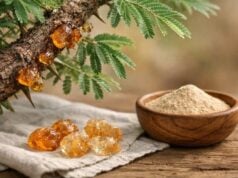
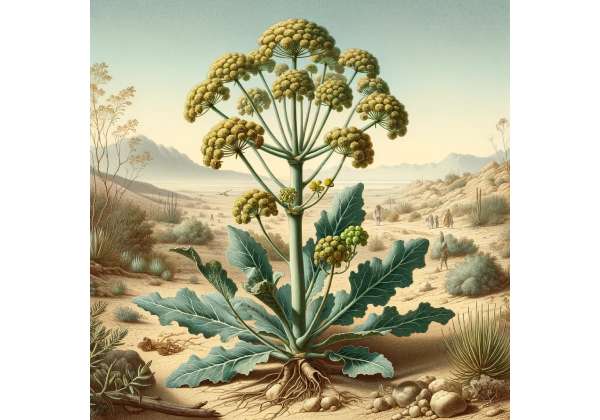
Asafoetida is the hardened resin collected from the roots and lower stems of Ferula species (most commonly Ferula assa-foetida and related plants). Farmers tap the root, the plant exudes a milky latex-like sap, and that sap dries into a resin with a famously strong sulfurous aroma. The scent can be intense—many people describe it as “onion-garlic,” “eggy,” or “truffle-like,” depending on the batch and how it is used. Yet when heated briefly in oil or ghee, the harsh edge softens into a savory, rounded depth that is hard to replicate with other seasonings.
You will encounter asafoetida in a few forms:
- Resin (raw chunks or tears): The most traditional form. Potent, sticky, and aromatic. It requires careful handling and is often dissolved or toasted before use.
- Powder (hing): The most common retail product. It is rarely pure resin; it is typically blended with a starch or flour (often rice flour, wheat flour, or gum-based carriers) to prevent clumping and make the dose easier to control.
- Standardized formulations (capsules or tablets): Some products use “food-grade” preparations designed for consistent dosing and reduced odor.
A practical point that many labels do not make obvious: powdered hing varies widely. “Strong” vs “mild” is not just marketing—it often reflects different resin percentages and different carriers. If you are using it for digestive comfort or a low-allium cooking style, that variability matters more than brand loyalty.
In everyday cuisine, asafoetida is usually used as a “background note,” especially in lentils, beans, vegetable dishes, curries, pickles, and tempering blends (tadka). In traditional herbal practice, it has been used for flatulence, cramping, and sometimes for respiratory complaints (as an expectorant). Your best results come from treating it like a powerful spice: start small, heat it properly, and increase slowly based on tolerance.
Key ingredients and how they work
Asafoetida’s effects are linked to a mix of volatile oils, resin compounds, and gum components. The profile can shift by species, growing region, and processing, but several compound families show up repeatedly and help explain why tiny culinary amounts can feel “active.”
Organosulfur compounds
The signature smell comes largely from sulfur-containing compounds (often in disulfide and trisulfide forms). These are chemically different from onion and garlic, but they create a similar sensory effect—savory sharpness that mellows with heat. Sulfur compounds are also studied for antimicrobial and signaling effects in the body, which is one reason asafoetida is sometimes compared to garlic’s bioactive sulfur compounds in broad mechanism discussions (even though the exact molecules and doses differ).
Phenolic acids and antioxidants
Compounds such as ferulic acid and related phenolics contribute antioxidant activity and may support anti-inflammatory pathways. Antioxidant does not automatically mean “disease prevention,” but it can matter for irritated gut tissue where oxidative stress and inflammation feed into discomfort.
Sesquiterpene coumarins and resin constituents
A number of terpene-coumarin compounds (often discussed in Ferula research) are being investigated for anti-inflammatory, smooth-muscle, and microbial effects. Think of these as part of the “resin toolkit” that may influence spasm, motility, and local inflammation.
Gums and polysaccharides
The “gum” fraction can act as a carrier and may influence texture, but it can also affect how the resin disperses in the gut. In some standardized products, asafoetida resin is blended with fibers to improve tolerability and consistency.
How this translates into real-life effects is best understood as a stack of small pushes rather than one dramatic action:
- A mild antispasmodic effect (less cramping or gripping sensations)
- A carminative effect (supporting gas movement and reducing the feeling of “stuck” air)
- Potential microbial modulation (more relevant in concentrated extracts than in pinches)
- A gentle anti-inflammatory influence in susceptible tissue
Because the chemistry is potent and variable, the most reliable approach is to match the form and dose to your goal: culinary use for flavor and mild support, standardized products if you are following study-like dosing, and avoidance if you are in a higher-risk group.
Does asafoetida help digestion?
Digestive comfort is asafoetida’s main modern search intent for good reason: it is one of the few spices that people consistently describe as “functional” even at very small amounts. That said, it helps to separate what it is most likely to help from what is still speculative.
Where it may be most useful
Post-meal bloating and pressure. Asafoetida is traditionally used when the abdomen feels tight, gassy, or heavy after eating—especially after legumes, cruciferous vegetables, or rich meals. In small clinical studies using standardized preparations, participants with functional dyspepsia (a common “upper gut discomfort” syndrome) reported improvements in symptoms like bloating, fullness, and heartburn-like discomfort over a few weeks.
Gas and rumbling linked to slow transit. Some people experience discomfort not because they “make too much gas,” but because gas moves slowly or spasms trap it. Asafoetida’s traditional reputation as a carminative and antispasmodic fits this pattern.
Cramping that improves with warmth. In traditional frameworks, asafoetida is often described as warming and dispersing. Practically, this aligns with people who feel better with warm meals, soups, and spiced tempering rather than cold foods and raw salads.
How it compares to other digestive herbs
If you already use classic carminatives—fennel, ginger, peppermint—you can think of asafoetida as a “deeper bass note” rather than a replacement. For example, fennel is often used for gentle, sweet relief of gas and bloating, while asafoetida tends to feel stronger and more savory, and it is often better tolerated when cooked into food rather than taken raw.
What it is less likely to do
- It is not a quick fix for severe abdominal pain, fever, bloody stools, unexplained weight loss, or persistent vomiting—those need medical evaluation.
- It is unlikely to “cure” IBS on its own. At best, it may reduce certain symptom clusters (bloating, discomfort) in some people.
- It is not a substitute for diagnosing food triggers (like lactose intolerance, celiac disease, or fructan sensitivity).
A practical, evidence-aligned expectation is this: asafoetida may reduce day-to-day symptom intensity, especially bloating and post-meal discomfort, when used consistently and correctly—yet it should be part of a broader plan that includes meal timing, trigger awareness, adequate hydration, and a realistic look at stress and sleep.
How to use it in food
Most people get the best balance of benefit and safety by using asafoetida as a culinary spice. The goal is not to “taste hing” loudly—it is to let it disappear into the dish while improving aroma and digestibility.
The basic technique that makes it work
- Heat a small amount of fat (ghee, coconut oil, olive oil) until warm but not smoking.
- Add asafoetida first (a tiny pinch of powder, or a rice-grain-sized piece of resin).
- Stir for 5–10 seconds. The harsh sulfur notes soften quickly.
- Add other spices next (cumin, mustard seed, turmeric, coriander), then onions or aromatics if you use them.
- Finish the dish as usual.
If you add asafoetida to water-based dishes without blooming it in fat, it can taste sharper and more medicinal.
Best everyday use cases
- Lentils and beans: Add to the tempering at the start, especially with cumin and ginger.
- Vegetable sautés: Works well with cauliflower, cabbage, okra, potatoes, and greens.
- Soups and stews: Bloom it in oil first, then build the soup.
- Low-allium cooking: Many people use it to replace onion and garlic flavor when those trigger symptoms. (Check labels: some powders are blended with wheat flour, which matters if you avoid gluten.)
If you want an all-around pairing, asafoetida and ginger are a classic combination for warming digestion—see ginger’s active compounds and digestive uses for ideas on when ginger may be the better first choice (nausea, motion-related stomach upset, or cold-feeling digestion).
How to choose and store it
- Choose fresh, aromatic product: A weak smell often means old stock or heavy dilution with filler.
- Store airtight: Keep it in a tightly sealed container, away from heat and light. Many people double-container it to prevent “perfuming” the pantry.
- Avoid cross-contamination: Use a dry spoon; moisture can clump the powder and degrade aroma.
A small but useful troubleshooting tip: if a dish tastes “too hing,” it is usually because the powder was added directly to liquid or used too late. Bloom it early in fat next time, and reduce the amount by half.
How much asafoetida per day?
The right dose depends on whether you are using asafoetida as a spice or as a standardized supplement. These are not interchangeable.
Culinary use (powder or resin)
For most adults, a practical range is:
- Powder: a pinch per dish (often around 1/16 to 1/8 teaspoon total for a family-sized recipe), used a few times per week or daily if well tolerated.
- Resin: a piece about the size of a rice grain, bloomed in fat, for a pot of lentils or vegetables.
With culinary dosing, the aim is flavor and gentle support. If you can clearly taste it as the dominant note, you are probably using more than you need.
Supplement-style dosing (standardized formulations)
Human studies in functional dyspepsia have used food-grade formulations at doses such as:
- 250 mg once daily for 14 days, or
- 250 mg twice daily for about 30 days (often as part of a formulated product rather than raw powder).
A reasonable, conservative approach—if your clinician agrees and you are not in a higher-risk group—is to start at the low end (around 250 mg per day) for 2 weeks, then reassess symptoms and tolerability before extending or increasing.
Timing and duration
- Take with meals if you are using it for post-meal symptoms. This often reduces irritation risk compared with taking it on an empty stomach.
- Trial period: 2–4 weeks is a common window to decide whether it helps. If nothing changes after a consistent trial, more is not always better.
Variables that change the “right” amount
- Product dilution: Many powders are mostly carrier. A “weak” powder may lead people to overuse it.
- Sensitivity: If you are prone to heartburn, diarrhea, or flushing with strong spices, you may need a smaller dose—or it may not be a fit.
- Diet pattern: If you mainly want it as an onion and garlic substitute, culinary use is usually the most sensible approach.
If you are building a spice strategy for digestion, pairing asafoetida thoughtfully with classics like cumin can help you keep the hinge point small—see cumin uses and digestive properties for practical combinations that often feel gentler than increasing hing alone.
Side effects, interactions, and who should avoid it
Asafoetida is commonly tolerated in food-sized amounts, but “natural” does not mean risk-free—especially with concentrated extracts or in sensitive groups.
Common side effects
These are more likely with higher doses, empty-stomach use, or individual sensitivity:
- Heartburn or burning stomach sensation
- Nausea
- Diarrhea or loose stools
- Headache or a “flushed” feeling
- Skin irritation or rash (including contact irritation from resin)
If you notice escalating GI irritation, reduce the dose or stop. A spice that is meant to soothe digestion should not consistently aggravate it.
Who should avoid asafoetida
- Pregnancy and breastfeeding: Avoid concentrated forms; culinary pinches are sometimes used culturally, but safety data are limited and traditional sources often advise caution.
- Infants and young children: Avoid giving asafoetida directly to infants; their physiology is more vulnerable to bioactive compounds and dosing is hard to control.
- Known allergy or severe spice sensitivity: If you have had hives, wheezing, swelling, or severe GI distress from strong spices, treat asafoetida cautiously or avoid it.
- Before surgery: Consider stopping concentrated supplements 1–2 weeks prior unless your clinician advises otherwise.
Potential interactions
Data are not comprehensive, but cautious practice is warranted if you use:
- Anticoagulants or antiplatelet drugs (blood thinners)
- Blood pressure medications (if you are prone to low blood pressure or dizziness)
- Diabetes medications (if you are prone to hypoglycemia and experimenting with concentrated extracts)
Because interaction risk is often dose-dependent, culinary use is generally lower concern than capsule-level dosing.
A note on product labels and hidden ingredients
If you are gluten-free, read labels carefully. Some hing powders use wheat flour as a carrier. Also watch for added colorants, anti-caking agents, or blends that make dosing unpredictable.
If you want a gentler digestive herb option while you sort out whether hing suits you, peppermint’s digestive benefits are often easier to dose and tolerate—though peppermint can worsen reflux in some people, so individual response still matters.
When in doubt, the safety-first rule is simple: use culinary amounts first, avoid high-dose extracts unless you have a clear reason, and stop if you feel worse.
What the research actually says
Asafoetida sits in an interesting evidence zone: it is widely used, chemically active, and strongly supported by traditional practice, but it still lacks the volume of large, independent human trials seen with better-studied botanicals. A realistic reading of the research helps you use it well without turning it into hype.
What looks most supported
Functional dyspepsia symptom relief is the strongest human-focused area so far. Randomized, placebo-controlled trials using food-grade formulations have reported improvements in symptom scores and quality-of-life measures over short periods (about 2–4 weeks). Outcomes often include reductions in bloating, post-meal fullness, heartburn-like sensations, and general indigestion. These studies are encouraging because they use validated symptom scales rather than vague impressions.
What is promising but preliminary
A large share of published work explores antioxidant, anti-inflammatory, antimicrobial, metabolic, and even anticancer mechanisms in laboratory models. This helps map plausible pathways and identify active compounds, but it does not automatically translate into clinical outcomes from normal culinary use. The dose and preparation in lab studies can be far from what people use in food.
Key limitations to keep in mind
- Small sample sizes and short durations: Many trials are brief and involve dozens—not hundreds—of participants.
- Formulation differences: One “asafoetida supplement” may be a standardized resin product, while another is diluted powder. Results do not transfer cleanly across products.
- Population differences: Most studies focus on adults; data are not designed to answer pregnancy, breastfeeding, or pediatric safety.
- Funding and replication: Some trials are linked to specific formulations. Independent replication strengthens confidence.
How to use this evidence in real life
A practical, research-aligned approach is to treat asafoetida as a high-impact spice:
- Start with culinary use (pinches, cooked properly).
- If you want therapeutic dosing, follow the ranges used in human trials rather than guessing.
- Track symptoms over 2–4 weeks and stop if you worsen.
- Prioritize medical evaluation for persistent, severe, or alarming GI symptoms.
Used this way, asafoetida can be a smart tool—especially for people who want onion-garlic depth without the same digestive consequences—while staying honest about what is known and what is still being tested.
References
- Ferula asafoetida oleo-gum resin alleviates dyspepsia symptoms through modulation of microbiome-gut-brain axis: A randomized, double-blind, placebo-controlled study 2025 (RCT)
- Safety and efficacy of a feed additive consisting of an essential oil from the gum resin of Ferula assa-foetida L. (asafoetida oil) for use in dogs and cats (FEFANA asbl) 2022 (Safety Assessment)
- The beneficial effects of Ferula asafoetida oleo-gum resin in gastrointestinal disorders 2021 (Review)
- Safety and Efficacy of Ferula asafoetida in Functional Dyspepsia: A Randomized, Double-Blinded, Placebo-Controlled Study 2018 (RCT)
Disclaimer
This article is for educational purposes only and does not provide medical advice, diagnosis, or treatment. Herbal products and spices can have active effects, vary widely in strength, and interact with medications or health conditions. If you are pregnant, breastfeeding, managing a chronic condition, preparing for surgery, or taking prescription medicines (especially blood thinners, blood pressure drugs, or diabetes medications), consult a qualified clinician before using asafoetida as a supplement. Seek urgent medical care for severe abdominal pain, vomiting, blood in stool, unexplained weight loss, fever, or persistent symptoms.
If you found this guide useful, consider sharing it on Facebook, X (formerly Twitter), or your favorite platform so others can use asafoetida more confidently and safely.