An extrasystole is an extra heartbeat that arrives earlier than expected, often followed by a brief pause that makes the next beat feel unusually strong. Many people describe it as a “skip,” a “thump,” or a sudden flutter in the chest—sometimes at rest, sometimes during stress, and sometimes out of nowhere. Extrasystoles are common in healthy hearts, and in that setting they are usually harmless. Still, they can be unsettling, and in certain patterns they can be a clue that the heart is irritated, over-stimulated, or working against an underlying condition.
The goal of evaluation is not to “chase every extra beat.” It is to identify the few situations where extra beats carry risk, and to give everyone else a clear plan that reduces symptoms and anxiety while protecting long-term heart health.
Table of Contents
- What an extrasystole really is
- Why extra beats happen
- Symptoms and when to worry
- Tests doctors use to evaluate
- Treatments that actually help
- Daily management and prevention
What an extrasystole really is
The heart normally beats in a steady sequence controlled by its electrical system. An extrasystole happens when a heartbeat starts from the “wrong” place or at the wrong time—arriving early, before the heart has fully refilled with blood. Because that early beat often pumps less blood, you may feel a light flutter, a brief emptiness, or nothing at all. Then the heart often “resets,” and the next normal beat comes after a slightly longer pause. That pause allows extra filling, so the next beat can feel stronger—this is the classic “thump” that worries people.
Extrasystoles are usually divided into two main types:
- Premature atrial contractions (PACs): extra beats that start in the atria (the upper chambers). People may feel a fluttering sensation, especially during stress, fatigue, or after alcohol.
- Premature ventricular contractions (PVCs): extra beats that start in the ventricles (the lower chambers). These more often create the pronounced “thud” feeling because the pause-and-strong-beat pattern can be more noticeable.
It helps to know a few “pattern words” clinicians use:
- Isolated extrasystoles: single extra beats scattered through the day.
- Couplets/triplets: two or three extra beats in a row.
- Bigeminy/trigeminy: an extra beat every other beat (bigeminy) or every third beat (trigeminy). These patterns can feel dramatic even when the heart is structurally normal.
- Burden: how many extrasystoles occur over time, usually measured on a monitor. Clinicians often speak in percentages (for example, PVCs as a percent of total beats) rather than just “a lot.”
Most extrasystoles in otherwise healthy hearts are benign. The main reason doctors care is that extra beats can sometimes be a sign of an irritated heart muscle, a hormone or electrolyte imbalance, medication effects, or (less commonly) a structural heart problem. Also, a very high burden of ventricular extrasystoles can occasionally weaken the heart over time, a condition that can improve when the extra beats are controlled.
A useful perspective is to separate sensation from severity. Extrasystoles can feel intense yet be low risk—or feel mild while signaling a deeper problem. That is why the best next step is a focused evaluation, not guesswork based on how scary the sensation feels.
Why extra beats happen
Extrasystoles appear when heart cells become more “trigger-happy” or when normal electrical timing is disrupted. Often, several small factors stack together—like a stressful week, poor sleep, extra caffeine, and a mild illness—until the heart starts firing extra beats.
Common causes and triggers include:
- Stimulants and sympathetic drive: caffeine, nicotine, energy drinks, certain decongestants, and illicit stimulants can increase extra beats. The effect is highly individual: one person tolerates coffee well; another notices palpitations after a single cup.
- Stress and sleep disruption: anxiety, acute stress, and sleep deprivation raise adrenaline levels. This does not mean symptoms are “all in your head.” It means the heart is responding to real physiologic signals.
- Alcohol: even moderate intake can increase atrial irritability in some people. Binge drinking is a classic trigger for runs of irregular beats.
- Electrolyte shifts and dehydration: low potassium or magnesium, vomiting/diarrhea, heavy sweating, and low fluid intake can make extra beats more likely.
- Thyroid imbalance: an overactive thyroid can speed the heart and increase ectopy (extra beats).
- Anemia, fever, and inflammation: when the body is working harder to deliver oxygen, the heart may become more irritable.
- Medications: some asthma inhalers, thyroid replacement if overdosed, stimulant medications, and certain supplements can trigger palpitations.
- Underlying heart disease: prior heart attack, heart failure, cardiomyopathies, valve disease, and untreated high blood pressure can increase the likelihood that extrasystoles are frequent or complex.
Risk factors that make extra beats more likely or more clinically important:
- increasing age (extrasystoles become more common over time)
- high blood pressure, diabetes, and high cholesterol
- obstructive sleep apnea (repeated oxygen drops irritate the heart)
- family history of cardiomyopathy or sudden cardiac death
- known structural heart disease or reduced pumping function
- frequent episodes of fainting or near-fainting with palpitations
A key “why” question is whether the extrasystoles are idiopathic (happening in an otherwise normal heart) or secondary (driven by another problem). Idiopathic extrasystoles often have a recognizable trigger profile—stress, stimulants, alcohol, poor sleep—and respond well to lifestyle adjustments and reassurance. Secondary extrasystoles tend to come with other clues: shortness of breath, reduced exercise capacity, chest discomfort with exertion, abnormal physical findings, or a history of heart disease.
One practical insight: many people try to fix extrasystoles by cutting everything at once—no coffee, no exercise, no social events—then feel miserable and still have palpitations. A better strategy is systematic: remove the most likely trigger first (often alcohol binges, nicotine, energy drinks, or sleep debt), then reassess. If extra beats remain frequent, that information helps guide testing and treatment without unnecessary restriction.
Symptoms and when to worry
Extrasystoles can range from silent to disruptive. The same electrical event can feel different depending on body position, hydration, anxiety level, and how sensitive someone is to internal sensations.
Common symptoms include:
- a “skipped beat” feeling followed by a strong thump
- fluttering or brief “buzzing” in the chest
- an uncomfortable awareness of heartbeat at rest, especially when lying on the left side
- brief chest tightness that comes and goes with the palpitations
- a momentary “drop” feeling in the stomach
- fatigue or reduced concentration if extrasystoles are very frequent
Many people notice extrasystoles most at night. That is often because the environment is quiet, the body is still, and each strong post-pause beat is easier to sense—not necessarily because the heart is worse at night.
When extrasystoles are usually low risk:
- they occur as isolated beats or short runs
- they happen in a person without known heart disease
- symptoms are limited to palpitations without fainting or severe breathlessness
- basic evaluation (exam, ECG, and often an echocardiogram) is reassuring
When extrasystoles deserve urgent evaluation:
- Fainting, near-fainting, or sudden severe dizziness, especially during exertion
- Chest pain or pressure with exertion, or chest symptoms that do not quickly settle
- Shortness of breath at rest, new swelling of legs, or rapidly reduced exercise tolerance
- A racing heartbeat that lasts minutes to hours, especially with weakness or breathlessness
- A family history of sudden cardiac death at a young age, or known inherited heart disease
- Known heart disease plus new frequent palpitations, particularly after a heart attack or with heart failure
Potential complications clinicians watch for:
- Progression to sustained arrhythmias: Frequent atrial extrasystoles can be associated with a higher likelihood of atrial fibrillation in some people, especially when other risk factors are present.
- PVC-induced cardiomyopathy: A high burden of ventricular extrasystoles (often discussed around 10% or more of total beats on monitoring, though individual thresholds vary) can sometimes weaken the heart’s pumping function. The important, reassuring point is that this form of weakening can improve when the PVC burden is reduced.
- Anxiety–symptom amplification loop: Palpitations increase anxiety, anxiety increases adrenaline, and adrenaline increases palpitations. Breaking this loop is a legitimate part of treatment.
A few symptom myths are worth clearing up:
- “If it hurts, it’s dangerous.” Not always. Palpitations can cause chest wall tension and discomfort without heart damage. Danger is more about context (exertion, fainting, known disease) than pain alone.
- “If I feel them, I must be having thousands.” Some people feel a small number intensely; others have frequent ectopy and feel none. That is why monitoring matters.
- “Exercise is always unsafe.” In many people with benign extrasystoles, moderate exercise improves symptoms over time by improving sleep, stress tolerance, and cardiovascular fitness. The key is to rule out high-risk features first.
If you are unsure whether your pattern is benign, the safest approach is to treat red flags seriously while remembering that most extrasystoles—especially in structurally normal hearts—do not shorten life. The goal is to identify the minority of higher-risk situations and give the majority a calm, practical roadmap.
Tests doctors use to evaluate
A good evaluation answers four questions: What type of extrasystole is it (atrial or ventricular)? How frequent is it? Is there underlying structural heart disease? And is there a trigger that can be corrected?
Typical steps include:
1) Medical history and physical exam
Clinicians ask about:
- timing (rest, after meals, during stress, during exercise, at night)
- stimulants (coffee, energy drinks, nicotine), alcohol patterns, and new supplements
- sleep quality and snoring (sleep apnea clues)
- recent illness, fever, dehydration, vomiting/diarrhea
- medications (including inhalers, decongestants, thyroid hormone, stimulants)
- family history of rhythm problems, cardiomyopathy, or sudden death
2) Electrocardiogram (ECG)
A 12-lead ECG can:
- capture extrasystoles if they happen during the test
- show features that suggest atrial vs ventricular origin
- identify conduction abnormalities, prior heart injury patterns, or inherited electrical syndromes
Even if the ECG is normal, it is still valuable as a baseline.
3) Ambulatory monitoring
Because extrasystoles can be sporadic, a monitor often gives the clearest picture:
- 24–48 hour Holter: helpful when symptoms occur daily
- Patch monitors (often 7–14 days): useful when symptoms occur a few times per week
- Event monitors: used when symptoms are less frequent
Monitoring reports often include:
- total burden (for example, PVCs as a percent of all beats)
- number of couplets/triplets
- whether runs of faster rhythms occurred
- whether symptoms correlate with extrasystoles or with a different rhythm
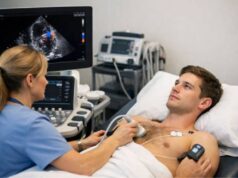
4) Echocardiogram (heart ultrasound)
An echocardiogram checks:
- pumping function
- chamber size and wall thickness
- valve function
- signs of cardiomyopathy
This test is especially important when PVC burden is high, symptoms are significant, or there are red flags.
5) Blood tests (selected, not always)
Common checks include:
- thyroid function (especially if heart rate is fast, weight loss is present, or tremor exists)
- electrolytes (potassium, magnesium) if dehydration, diuretics, or GI illness is relevant
- anemia screening if fatigue or heavy menstrual bleeding is present
6) Exercise testing or advanced imaging (when needed)
Stress testing can help when:
- symptoms occur during exertion
- clinicians want to see how extrasystoles behave with activity
- there is concern about coronary disease or exercise-triggered arrhythmias
Advanced imaging, such as cardiac MRI, may be considered when:
- echocardiogram shows abnormalities
- there are frequent complex ventricular extrasystoles without an obvious explanation
- clinicians suspect myocarditis, scarring, or an infiltrative process
A practical point: the “right amount” of testing is the minimum that reliably answers the four questions above. Many people need only an ECG plus a monitor, and sometimes an echocardiogram. Others—especially those with exertional symptoms, abnormal imaging, or high burdens—benefit from deeper evaluation to ensure treatment is targeted and safe.
Treatments that actually help
Treatment depends on the cause, the burden, the presence of structural heart disease, and how much symptoms affect daily life. For many people, the most effective therapy is a combination of reassurance, trigger reduction, and a plan for monitoring—not a strong medication.
1) Reassurance and education (often first-line)
If evaluation shows a structurally normal heart and a low-risk pattern, clinicians often focus on:
- explaining the pause-and-thump mechanism (why it feels dramatic)
- identifying personal triggers
- setting a clear threshold for re-evaluation (for example, new fainting, worsening breathlessness, or a major increase in frequency)
This approach works because fear itself can intensify palpitations.
2) Correct reversible drivers
Treatments that address the cause can reduce extrasystoles substantially:
- improving sleep and treating sleep apnea
- reducing or eliminating nicotine, energy drinks, and binge alcohol
- correcting thyroid imbalance, anemia, or electrolyte deficits
- adjusting medications that increase heart irritability (when safe and appropriate)
3) Medications for symptom relief
When symptoms persist or burden is higher, clinicians may consider:
- Beta-blockers: often used first because they reduce adrenaline effects and can lessen palpitations, especially when anxiety or exertion triggers are prominent.
- Non-dihydropyridine calcium channel blockers: sometimes used as alternatives in select patients.
- Antiarrhythmic drugs: reserved for selected cases because they can have side effects and require careful matching to the patient’s heart status. They may be considered when symptoms are severe, when PVC burden is high, or when cardiomyopathy is suspected and ablation is not appropriate or not desired.
Medication choice is individualized. The goal is not to drive extrasystoles to zero at any cost; it is to improve quality of life and reduce risk.
4) Catheter ablation (a highly effective option for certain patterns)
Catheter ablation uses targeted energy to eliminate the small area that triggers the extra beats. It is most useful when:
- PVCs are frequent and predominantly from one focus (monomorphic)
- symptoms remain significant despite lifestyle steps and medication
- PVC burden is high and there is concern about, or evidence of, PVC-induced weakening of the heart
Ablation is not “too aggressive” when the pattern is clearly driving symptoms or reduced heart function. It can be a definitive solution for selected patients, especially when a single trigger site is identified.
5) Treatment when structural heart disease is present
If extrasystoles occur in a person with known heart disease, clinicians may also address:
- optimization of heart failure therapy (when relevant)
- blood pressure control and ischemia evaluation
- risk stratification for dangerous ventricular rhythms in high-risk cardiomyopathies
In that setting, extrasystoles can be both a symptom and a marker, and management often focuses on the underlying heart condition as much as the rhythm itself.
One useful way to think about treatment is “three layers”:
- reduce triggers and stabilize the body (sleep, hydration, stimulants)
- reduce symptoms (medications when needed)
- remove the source (ablation when the pattern and risk justify it)
This layered plan prevents overtreatment for benign cases while ensuring that higher-burden or higher-risk patterns are addressed early enough to protect heart function.
Daily management and prevention
Living well with extrasystoles is about predictability. Most people do best when they understand their pattern, know their triggers, and have clear rules for when to seek help. The aim is steady progress, not perfection.
Daily habits that often reduce extrasystoles
- Sleep consistency: aim for a stable sleep window. Many people notice fewer palpitations after 2–3 weeks of improved sleep regularity.
- Caffeine strategy: instead of quitting abruptly, try a controlled experiment—reduce total caffeine by 25–50% for 10–14 days, avoid late-day caffeine, and watch symptoms. If symptoms clearly improve, you have a useful lever.
- Alcohol boundaries: if you notice palpitations after drinking, reduce quantity and avoid binge patterns. Some people benefit most from “no alcohol for a month” as a reset.
- Hydration and electrolytes: prioritize fluids during illness, heat, or high activity days. If you are prone to low potassium or magnesium, discuss safe supplementation with a clinician rather than guessing.
- Exercise (usually helpful, once evaluated): moderate aerobic activity improves autonomic balance over time. If exercise triggers dizziness, chest pain, or faintness, that is a reason for medical review—not a reason to silently stop all activity.
- Stress load management: a short daily practice (10 minutes of paced breathing, a walk after meals, or structured decompression before bed) can reduce adrenaline spikes that provoke ectopy.
Tracking without obsessing
A simple symptom log is more useful than constant checking:
- note time, trigger (coffee, alcohol, stress, poor sleep), and intensity
- record whether symptoms happened at rest or exertion
- track changes after a specific intervention (for example, stopping energy drinks)
Avoid repeatedly “testing” yourself (extra coffee to see what happens, repeated pulse checking) because it can reinforce the anxiety loop.
When to follow up
Follow up with a clinician if:
- palpitations become frequent enough to disrupt sleep or daily function
- you develop new shortness of breath, swelling, or reduced exercise tolerance
- you have a significant increase in extrasystole frequency over weeks
- you have recurrent episodes of rapid sustained racing heartbeats
- your monitor shows a high burden and you have not had heart imaging
When to seek urgent care
Get urgent evaluation for:
- fainting or near-fainting, especially during exercise
- chest pain or pressure that does not resolve quickly
- new severe breathlessness, bluish lips, or confusion
- neurologic symptoms (sudden weakness, speech trouble) alongside palpitations
Prevention in people with known higher burden
If you have been told your extrasystole burden is high, prevention becomes more structured:
- keep follow-up imaging on schedule to check heart function
- treat sleep apnea if present
- minimize stimulant exposure consistently, not only “sometimes”
- discuss whether medication or ablation is appropriate based on symptoms and heart function
A final, steadying thought: most extrasystoles are manageable. The combination that tends to work best is clarity (what type and how frequent), stability (sleep, hydration, stimulant control), and targeted therapy when the burden or heart response calls for it. That approach reduces symptoms without shrinking your life around your heartbeat.
References
- 2022 ESC Guidelines for the management of patients with ventricular arrhythmias and the prevention of sudden cardiac death 2022 (Guideline)
- Premature Ventricular Contraction-Induced Cardiomyopathy: Contemporary Evidence from Risk Stratification, Pathophysiology, and Management 2024 (Review)
- Frequent premature atrial contractions as a signalling marker of atrial cardiomyopathy, incident atrial fibrillation, and stroke 2022 (Review)
- Frequent premature ventricular complexes and risk of atrial fibrillation, heart failure, stroke and mortality: a meta-analysis 2025 (Systematic Review)
- Arrhythmia-Induced Cardiomyopathy: JACC State-of-the-Art Review 2024 (Review)
Disclaimer
This article is for educational purposes only and does not provide medical advice, diagnosis, or treatment. Palpitations and extrasystoles are often benign, but they can sometimes signal a serious heart rhythm problem or an underlying heart condition. Seek urgent medical care for fainting, near-fainting, chest pain that does not quickly improve, severe shortness of breath, or rapidly worsening symptoms. Decisions about testing, medications, and procedures (including catheter ablation) should be made with a qualified clinician who can assess your individual risks and benefits.
If you found this article helpful, please share it on Facebook, X (formerly Twitter), or any platform you prefer, and follow us on social media. Your support through sharing helps our team continue producing clear, trustworthy health information.