Extremity arterial embolism is a sudden blockage of an arm or leg artery by traveling debris—most often a blood clot—that lodges downstream and cuts off oxygen-rich blood. The change can feel dramatic: a leg that was normal an hour ago becomes intensely painful, cold, and hard to move, or a hand turns pale and numb within minutes. This condition is a true medical emergency because muscle and nerve tissue start to suffer quickly when circulation stops.
The good news is that rapid treatment can restore blood flow and save the limb. The challenge is recognizing the problem early and acting fast. This guide explains what an arterial embolism is, where it comes from, who is at risk, what symptoms matter most, how doctors confirm the diagnosis, and what treatment and recovery usually look like—so you can respond with clarity rather than panic.
Table of Contents
- What it is and why it turns urgent
- What causes arterial emboli?
- Symptoms and complications to watch
- How doctors confirm the diagnosis
- Treatments to restore blood flow
- Recovery, prevention, and when to seek care
What it is and why it turns urgent
An extremity arterial embolism happens when material traveling in the bloodstream suddenly blocks an artery supplying an arm or a leg. In plain terms, blood flow drops sharply “downstream” from the blockage, and the tissues beyond it are starved of oxygen and nutrients. The most common material is a blood clot, but emboli can also be cholesterol debris from a diseased artery, vegetation from an infected heart valve, or (rarely) foreign material related to procedures.
The key difference between embolism and local thrombosis is where the blockage forms. In an embolism, the clot forms elsewhere (often in the heart) and travels until it gets stuck in a narrower vessel. In thrombosis, a clot forms right at the site of blockage, commonly on top of longstanding plaque in peripheral artery disease. The symptoms can look similar, but the source and treatment plan may differ.
Why is it urgent? Because limbs do not tolerate complete loss of blood flow for long. Nerves and muscles are especially sensitive. The amount of “safe time” varies with the size of the artery blocked, how complete the blockage is, and how much backup circulation (collateral flow) a person has. Still, the general principle is simple: the longer the delay, the higher the risk of permanent damage, amputation, or life-threatening complications.
Clinicians often talk about “limb viability,” meaning whether the tissues still have enough blood flow to survive without permanent injury. Early on, a limb may be painful but still salvageable. As injury progresses, numbness and weakness appear, pulses disappear, and the risk of irreversible damage rises. This is one reason numbness or paralysis is treated as a red flag: pain alone can happen early, but loss of sensation or movement can signal deeper tissue distress.
Extremity emboli can affect:
- Lower limbs (more common): sudden leg pain, coldness, and difficulty walking.
- Upper limbs: sudden hand/arm pain, pallor, coolness, and loss of grip strength.
A practical takeaway: if symptoms are sudden and severe—especially with a cold, pale limb—do not “wait it out.” Rapid evaluation and early blood-thinning treatment can stabilize the situation while a vascular team plans the best way to restore blood flow.
What causes arterial emboli?
Most arterial emboli come from one of two places: the heart or the large arteries. The goal of care is not only to reopen the blocked limb artery but also to prevent the next embolus by finding and treating the source.
Heart-related sources (common)
- Atrial fibrillation: an irregular rhythm that can allow clots to form in the upper heart chambers. These clots can break off and travel to the brain (stroke) or a limb artery.
- Recent heart attack: damaged heart muscle can form a clot inside the ventricle, especially when the pumping motion is reduced in one area.
- Heart valve disease or valve replacement: abnormal flow patterns and foreign surfaces can increase clot risk.
- Infective endocarditis: infected material on a valve can fragment and embolize. This is less common but serious, often with fever or systemic illness.
Artery-related sources
- Atherosclerotic plaque rupture: debris or clot can form on ulcerated plaque in the aorta or iliac arteries and shower downstream.
- Aneurysms (especially popliteal artery aneurysm behind the knee): clots can form inside an aneurysm and embolize into smaller leg arteries.
- After vascular procedures: catheter work can occasionally dislodge plaque or create clot fragments.
Risk factors that raise the odds of embolism
- known atrial fibrillation (especially without consistent anticoagulation)
- older age, high blood pressure, diabetes, smoking history
- prior stroke or transient ischemic attack
- known peripheral artery disease or prior limb revascularization
- heart failure or reduced heart pumping function
- recent major surgery, cancer, or prolonged immobility (more associated with venous clots, but overall clotting risk can rise)
A helpful insight is to think in “two clocks.” The first clock is the limb clock: restore blood flow quickly enough to prevent permanent injury. The second clock is the source clock: identify why the embolus happened so that prevention can begin before another event occurs. If the source is atrial fibrillation, prevention often means long-term anticoagulation (blood-thinning medication) and careful medication adherence. If the source is an aneurysm, prevention may require repairing it. If the source is an infected valve, treatment can involve antibiotics and sometimes surgery.
Sometimes a cause is not obvious at first. In those cases, clinicians often order targeted tests—heart rhythm monitoring, heart ultrasound, and imaging of the aorta and leg arteries—to avoid leaving the true source untreated.
Symptoms and complications to watch
Extremity arterial embolism usually announces itself suddenly. People often remember the exact moment it began—during a walk, getting out of bed, or even sitting quietly. Because symptoms overlap with other problems (like sciatica, muscle strain, or nerve compression), it helps to know which features strongly suggest an arterial blockage.
Classic symptoms (“the 6 Ps”)
- Pain: sudden, severe limb pain is often the first symptom.
- Pallor: the skin may look pale or bluish compared with the other side.
- Pulselessness: pulses below the blockage may be weak or absent.
- Poikilothermia: the limb becomes noticeably cool or cold.
- Paresthesia: tingling or numbness can appear as nerves become underperfused.
- Paralysis: weakness or inability to move the limb is an emergency sign.
Not everyone has all six. Early on, pain and coolness may dominate. Later, numbness and weakness can appear. Symptoms often start distally (toes or fingers) and spread as more tissue becomes affected.
Other clues that point toward embolism
- symptoms are one-sided and abrupt
- a person has atrial fibrillation, recent heart symptoms, or a history of embolic events
- the limb had no long history of exertional pain before this event (embolism can strike a previously “normal” limb)
- the opposite limb has normal pulses and warmth
Potential complications
- Tissue death and amputation: the major fear, especially if treatment is delayed or blood flow cannot be restored.
- Reperfusion injury: when circulation returns after a period of ischemia, damaged tissue can release acids and proteins into the bloodstream. This can cause swelling in the limb and strain on the kidneys and heart.
- Compartment syndrome: swelling inside tight muscle compartments can choke off circulation even after the artery is opened. It causes severe pain (often worse with stretching the muscles), tense swelling, and worsening nerve symptoms. It may require urgent surgical release.
- Kidney injury: muscle breakdown products can damage the kidneys, especially after prolonged ischemia.
- Recurrent embolism: if the source is not treated, another embolus can occur in the same limb, the other limb, or the brain.
When to seek emergency care immediately
- sudden coldness, pallor, or blue discoloration of a limb
- severe limb pain with numbness or weakness
- inability to move toes/fingers, or rapidly worsening sensation changes
- sudden limb symptoms with chest pain, shortness of breath, or fainting
A practical rule: pain plus a cold, pale limb is enough to treat this as an emergency. Waiting for symptoms to “declare themselves” can turn a reversible problem into permanent damage.
How doctors confirm the diagnosis
Diagnosis is built on speed and clarity. Clinicians aim to confirm that blood flow is threatened, estimate how urgent the situation is, and choose the fastest safe route to restoring circulation. In many cases, treatment begins while testing is still underway.
1) Bedside exam and pulse assessment
A focused vascular exam compares both limbs:
- temperature, color, capillary refill (how fast color returns after pressing the skin)
- palpation of pulses and use of a handheld Doppler to detect blood flow signals
- motor and sensory testing (strength, numbness, tingling)
- signs of swelling or tight compartments
The exam also helps categorize limb status: viable, threatened, or likely irreversible. This classification shapes urgency and treatment choice.
2) Ankle-brachial index (ABI) or limb pressure checks
ABI compares blood pressure at the ankle with the arm. In acute embolism, the ABI can be markedly reduced on the affected side. In upper-limb cases, clinicians may compare forearm pressures or use Doppler waveforms.
3) Duplex ultrasound
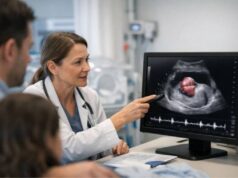
This bedside-friendly test uses ultrasound to visualize blood flow and can:
- detect where flow stops
- distinguish severe narrowing from complete occlusion
- assess whether there is underlying plaque suggesting chronic disease
Ultrasound is especially useful when immediate CT is not available or when contrast dye should be minimized.
4) CT angiography (CTA)
CTA is often the most informative rapid imaging test. It shows:
- the exact location and length of the blockage
- the condition of arteries above and below the blockage
- possible sources like aneurysms
- whether there is chronic disease that may affect the approach
CTA helps teams plan whether an open procedure, a catheter-based approach, or a hybrid strategy is most appropriate.
5) Heart evaluation to find the source
Because many emboli originate in the heart, clinicians often assess:
- ECG for atrial fibrillation or recent heart injury patterns
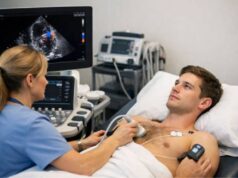
- echocardiogram to look for heart clots, valve disease, or poor pumping areas
- rhythm monitoring if atrial fibrillation is suspected but not yet documented
6) Blood tests
Common labs include:
- kidney function (important for contrast use and reperfusion monitoring)
- electrolytes, lactate, and markers of muscle injury when ischemia has been prolonged
- complete blood count and clotting studies to guide anticoagulation
A key clinical principle: imaging should not cause harmful delay. If the limb appears severely threatened, teams may proceed directly to the operating room or endovascular suite, using intra-procedure angiography to confirm details while moving quickly toward revascularization.
Treatments to restore blood flow
Treatment has two goals: stabilize clotting immediately and restore blood flow as fast as the limb needs. The exact pathway depends on symptom duration, limb viability, blockage location, bleeding risk, and local expertise.
1) Immediate anticoagulation
Most patients receive prompt anticoagulation (often intravenous heparin) unless there is a strong contraindication such as active major bleeding. This helps prevent clot extension and new emboli while definitive treatment is arranged.
2) Pain control and limb protection
Pain can be intense. Clinicians provide analgesia, keep the limb warm (without direct heat that can burn numb skin), and avoid tight bandages. Elevation is individualized; a severely ischemic limb may feel better slightly dependent (lower than the heart) to encourage flow.
3) Revascularization options
- Surgical embolectomy: A surgeon makes a small incision into the artery and uses a balloon-tipped catheter to pull the embolus out. This is a classic approach for large, sudden emboli and can produce immediate flow restoration.
- Catheter-directed thrombolysis: A catheter delivers clot-dissolving medication directly into the blockage over hours to a couple of days. This can be effective for selected cases, especially when the limb is not immediately threatened and bleeding risk is acceptable.
- Mechanical or pharmacomechanical thrombectomy: Catheter devices physically remove or break up clot, sometimes combined with small doses of lytic medication. These approaches can speed clot removal and reduce total lytic exposure in some settings.
- Angioplasty and stenting: If imaging shows an underlying narrowed segment (for example, plaque or a stenosis that “caught” the embolus), clinicians may need to open the artery with a balloon and sometimes place a stent after clot removal.
- Bypass surgery: If the artery is severely diseased or the blockage cannot be cleared effectively, bypass may be required to route blood around the obstruction.
4) Monitoring for reperfusion problems
Restoring blood flow is not the finish line. Teams watch for:
- swelling and severe pain that may signal compartment syndrome
- rising potassium or acid levels in the blood after prolonged ischemia
- kidney injury from muscle breakdown products
Some patients require intensive monitoring, especially after longer symptom duration or large muscle involvement.
5) Treating the source to prevent recurrence
Prevention starts early:
- atrial fibrillation or heart clot sources often require long-term anticoagulation
- infected valve sources require antibiotics and source control
- aneurysms may need repair
- plaque-related sources prompt aggressive cardiovascular risk management
A realistic expectation: many patients improve quickly once flow returns, but full recovery depends on how long tissues were ischemic and whether there were complications like nerve injury or compartment syndrome. The best outcomes consistently come from fast recognition and coordinated vascular care.
Recovery, prevention, and when to seek care
Recovery after an extremity arterial embolism is partly about the limb and partly about the whole cardiovascular system. Even when the limb is saved, the event often signals an important underlying condition—especially atrial fibrillation or advanced vascular disease—that needs long-term attention.
What recovery may look like
In the first days to weeks, common issues include:
- persistent soreness or fatigue in the affected limb
- numbness or tingling that improves gradually as nerves recover
- swelling, especially after revascularization
- reduced stamina during walking or hand use
Physical therapy or a structured walking program may be recommended, especially for leg events. Follow-up visits often include pulse checks, wound evaluation if a procedure was performed, and repeat imaging when needed.
Medication plan (typical components)
Your clinician’s plan depends on cause and procedure, but may include:
- Anticoagulant therapy if the embolus likely came from the heart (for example, atrial fibrillation) or another high-risk source
- Antiplatelet therapy and cholesterol-lowering therapy if underlying artery disease is present
- blood pressure and diabetes management to reduce future vascular events
Medication adherence matters. A common preventable reason for recurrence is interrupted anticoagulation without a clear medical plan.
Lifestyle and prevention strategies
Prevention is most effective when it targets the cause:
- If atrial fibrillation is present: take anticoagulation exactly as prescribed and discuss rhythm and rate control options.
- If smoking is part of the history: quitting is one of the highest-impact steps for limb and heart outcomes.
- If vascular disease is present: aim for consistent exercise, heart-healthy nutrition, and routine monitoring of blood pressure, lipids, and glucose.
- If sleep apnea is suspected (snoring, witnessed pauses, daytime sleepiness): evaluation and treatment can reduce cardiovascular stress.
Warning signs during recovery
Seek urgent evaluation if you notice:
- return of sudden pain, coldness, pallor, or numbness in the same or other limb
- rapidly increasing swelling and pain out of proportion (possible compartment syndrome)
- fever with new limb pain or signs of infection, especially after procedures
- chest pain, shortness of breath, weakness on one side, facial droop, or speech trouble (possible heart or brain embolic complications)
When to call emergency services
Do not drive yourself if symptoms suggest a new acute blockage or stroke. Time matters, and pre-hospital teams can alert the right specialists early.
A useful mindset is “one event, two protections.” Protect the limb by restoring circulation quickly and monitoring for reperfusion complications. Protect the future by finding the source and building a prevention plan that is realistic, sustainable, and closely followed. Many people live fully after this event—but long-term safety depends on taking the underlying cause seriously.
References
- 2024 ACC/AHA/AACVPR/APMA/ABC/SCAI/SVM/SVN/SVS/SIR/VESS Guideline for the Management of Lower Extremity Peripheral Artery Disease 2024 (Guideline)
- 2024 ESC Guidelines for the management of peripheral arterial and aortic diseases 2024 (Guideline)
- Editor’s Choice – European Society for Vascular Surgery (ESVS) 2023 Clinical Practice Guidelines on Antithrombotic Therapy for Vascular Diseases 2023 (Guideline)
- Catheter Directed Thrombolysis for Not Immediately Threatening Acute Limb Ischaemia: Systematic Review and Meta-Analysis 2023 (Systematic Review)
- Treatment Strategies and Prognostic Outcomes in Acute Limb Ischemia: A Systematic Review and Meta-Analysis Comparing Thrombolytic Therapy and Open Surgical Interventions 2025 (Systematic Review)
Disclaimer
This article is for educational purposes only and does not provide medical advice, diagnosis, or treatment. Extremity arterial embolism can threaten a limb and can also reflect serious heart or vascular disease. If you develop sudden limb pain, coldness, pallor, numbness, weakness, or loss of pulses, seek emergency care immediately. Only a qualified clinician can evaluate your symptoms, review your medical history, and recommend appropriate imaging, medications, or procedures based on your individual risks and benefits.
If you found this article useful, please share it on Facebook, X (formerly Twitter), or any platform you prefer, and follow us on social media. Your support by sharing helps our team keep producing clear, reliable health information.