Extremity arterial occlusion means an artery in the arm or leg has become blocked enough to seriously reduce blood flow. Sometimes it happens abruptly—an hour ago your foot felt fine, and now it is cold, painful, and hard to move. Other times it develops slowly over months, showing up as calf pain when walking or a toe wound that will not heal. The common thread is the same: tissues are not getting the oxygen they need.
One technical term you may hear is ischemia (lack of blood and oxygen). In an arm or leg, ischemia can damage nerves, muscles, and skin—fast in sudden occlusion, and quietly over time in chronic disease. This article explains what extremity arterial occlusion is, why it happens, how to recognize urgent symptoms, how doctors confirm it, and which treatments and daily strategies most reliably protect both limb function and long-term health.
Table of Contents
- What arterial occlusion means in a limb
- What causes occlusion and who is at risk?
- Symptoms, red flags, and complications
- How it’s diagnosed in clinic and ER
- Treatments to restore and protect blood flow
- Management, prevention, and when to seek care
What arterial occlusion means in a limb
Arteries are the high-pressure vessels that deliver oxygen-rich blood from the heart to the body. An extremity arterial occlusion occurs when an artery supplying an arm or leg becomes narrowed or blocked enough that blood flow cannot meet the tissue’s needs. The consequences depend on how fast the blockage happens and how complete it is.
Clinicians often separate limb artery occlusion into two practical categories:
- Acute limb ischemia (sudden occlusion): blood flow drops quickly—minutes to hours. This is usually due to an embolus (a traveling clot), a fresh clot forming on top of plaque, a graft or stent blockage, or trauma. In acute cases, nerve and muscle damage can begin quickly, and time matters.
- Chronic limb ischemia (slowly progressive occlusion): the artery narrows over months or years, most commonly from peripheral artery disease. The body may build “collateral” vessels that partly compensate, so symptoms can be milder at first (for example, pain only when walking).
It also helps to know where occlusions occur. Large arteries (like the iliac arteries in the pelvis) can affect the whole leg, while smaller vessel blockages (below the knee) may mainly threaten the foot and toes. In the arm, occlusions can threaten hand function and, in severe cases, tissue survival.
A key idea is that symptoms reflect supply–demand mismatch. At rest, a mildly narrowed artery may still provide enough blood. During walking or lifting, demand rises and pain appears. With severe narrowing or complete blockage, even rest flow is inadequate, which can cause constant pain, numbness, and wounds that do not heal.
Not every “blocked artery” is immediately dangerous, but certain patterns are. Sudden occlusion with a cold, painful, weak limb should be treated as an emergency. Chronic occlusion that causes recurring walking pain, foot wounds, or nighttime rest pain needs prompt evaluation because it predicts higher risk of limb loss and cardiovascular events.
Finally, extremity arterial occlusion is rarely “just a leg problem.” It is often a sign of systemic vascular disease. That is why good care protects the limb and also reduces the risk of heart attack and stroke.
What causes occlusion and who is at risk?
An artery can occlude in several ways. Knowing the mechanism matters because it shapes both urgent treatment and long-term prevention.
Major causes of extremity arterial occlusion
- Atherosclerosis with thrombosis: Plaque narrows the artery over time. A fresh clot can form on top of plaque and abruptly worsen the blockage. This is a common cause of acute-on-chronic events—someone has mild walking pain for months, then suddenly develops severe pain and coldness.
- Embolism: A clot forms elsewhere (often in the heart during atrial fibrillation) and travels until it lodges in a limb artery. Embolic occlusions can happen in a limb that previously felt normal.
- Graft or stent occlusion: Prior bypass grafts and stents can narrow or clot off, especially if risk factors are uncontrolled or antithrombotic therapy is interrupted.
- Arterial injury: Trauma, fractures, joint dislocations, and iatrogenic injury after procedures can damage an artery and cause clotting or spasm.
- Aneurysm-related clot: Clot can form inside an aneurysm (a bulging artery segment) and embolize downstream, especially around the knee (popliteal artery).
- Arterial dissection: A tear inside the artery wall can block flow. This is less common in limbs than in the aorta but can occur, particularly after trauma.
Risk factors that increase the likelihood of occlusion
These factors often stack together:
- Smoking history: among the strongest modifiable risks for peripheral artery disease and limb events
- Diabetes: increases diffuse, below-the-knee disease and impairs wound healing
- High blood pressure and high cholesterol: accelerate plaque growth
- Chronic kidney disease: associated with faster vascular calcification and higher limb risk
- Older age and male sex: higher prevalence, though women are also significantly affected and sometimes underdiagnosed
- Atrial fibrillation or structural heart disease: raises embolic risk
- Prior limb revascularization: indicates established disease and a higher chance of future occlusions
- Sedentary lifestyle and obesity: worsen metabolic risk and reduce walking capacity, masking early symptoms
Clues that suggest the cause
- Sudden severe symptoms in a previously normal limb, especially with known atrial fibrillation, often suggest embolism.
- Longstanding exertional leg pain that suddenly becomes constant suggests thrombosis on chronic plaque.
- Recurrent occlusion after interventions raises concern for technical issues, inadequate antithrombotic therapy, ongoing smoking, or unrecognized clotting disorders (the last is less common but considered in select cases).
A practical takeaway: the best limb outcomes come from treating the blockage and also treating the “ecosystem” that caused it—rhythm control and anticoagulation when the heart is the source, aggressive risk-factor control when plaque is the source, and careful follow-up when devices or grafts are involved.
Symptoms, red flags, and complications
Symptoms depend heavily on whether the occlusion is acute or chronic, and whether collateral circulation can compensate.
Acute occlusion: symptoms that should trigger emergency care
Acute limb ischemia often presents with a sudden combination of:
- Severe pain in the limb (may start distally in toes or fingers)
- Coldness compared with the other side
- Pale or bluish skin
- Numbness or tingling
- Weakness or inability to move the foot/hand normally
- Loss of pulses below the blockage (sometimes detected only with a Doppler)
A useful rule: pain plus a cold limb is urgent—and numbness or weakness is even more concerning because it can signal threatened nerve and muscle viability.
Chronic occlusion: symptoms that build gradually
Chronic peripheral artery disease tends to show up as:
- Claudication: aching, cramping, or tightness in calf, thigh, or buttock during walking that improves with rest within minutes
- Reduced walking distance over time
- Cold feet, slower nail growth, or reduced hair on the lower legs
- Rest pain: burning pain in the forefoot at night, often relieved by dangling the leg down
- Non-healing wounds or ulcers, especially on toes or pressure points
- Gangrene (black tissue), which indicates severe ischemia and infection risk
Rest pain and tissue loss point to chronic limb-threatening ischemia, a high-risk state that requires prompt vascular evaluation.
Complications clinicians watch for
- Permanent nerve and muscle injury: more likely with prolonged acute occlusion, severe chronic ischemia, or repeated episodes.
- Tissue loss and amputation: risk rises with delayed treatment, diabetes, infection, and diffuse below-knee disease.
- Infection: wounds in poorly perfused tissue heal poorly and can deteriorate quickly.
- Compartment syndrome after flow returns: swelling inside tight muscle compartments can choke circulation and damage nerves; it causes escalating pain and tense swelling.
- Reperfusion injury: after prolonged ischemia, restoring flow can release acids and muscle breakdown products into the blood, stressing kidneys and heart.
- Cardiovascular events: peripheral artery disease is strongly associated with future heart attack and stroke risk.
When to seek emergency care immediately
- sudden limb pain with coldness, pallor, or blue discoloration
- new numbness, weakness, foot drop, or inability to move fingers/toes
- rapidly worsening pain despite rest
- sudden symptoms plus chest pain, severe shortness of breath, fainting, or neurologic symptoms
When to seek urgent (same-week) evaluation
- new or worsening claudication that limits walking
- nighttime foot pain that improves when the leg is lowered
- toe ulcers, wounds, or skin breakdown that do not improve
- any signs of infection in a foot wound (redness, drainage, fever), especially with diabetes
A helpful perspective: pain is often the earliest warning, but loss of sensation and movement are late warnings. If you wait for numbness to prove it is “serious,” you may lose valuable time.
How it’s diagnosed in clinic and ER
Diagnosis aims to answer four questions quickly: Is blood flow threatened right now? Where is the blockage? What caused it? And what is the safest, fastest way to restore circulation?
1) Focused bedside exam
Clinicians compare both limbs for:
- temperature, color, and capillary refill
- tenderness, swelling, and skin changes
- sensation and strength (can you feel light touch? can you move toes/fingers?)
- pulses at standard points; a handheld Doppler often detects flow when pulses are hard to feel
This exam also helps categorize limb status (viable vs threatened), guiding urgency.
2) Ankle-brachial index (ABI) and pressure checks
ABI compares ankle to arm blood pressure:
- A reduced ABI suggests arterial disease.
- In acute occlusion, pressures can drop dramatically compared with the other limb.
For upper-limb symptoms, clinicians may compare arm pressures or use Doppler waveforms.
ABI is fast, low-cost, and useful—but it can be falsely reassuring in some people with heavily calcified arteries (more common in diabetes and kidney disease), so clinicians interpret it in context.
3) Duplex ultrasound
Duplex ultrasound shows both vessel structure and blood flow. It can:
- locate where flow slows or stops
- distinguish a tight narrowing from a complete blockage
- help identify chronic plaque patterns versus sudden occlusion
Ultrasound is especially useful when contrast dye is undesirable or when immediate CT is not available.
4) CT angiography (CTA)
CTA is often the most informative rapid imaging test for acute limb ischemia. It shows:
- the exact level and length of occlusion
- inflow and outflow vessels (important for procedure planning)
- aneurysms, dissections, and severe calcification patterns
- prior stents or graft anatomy
5) MR angiography (MRA) and catheter angiography
MRA can be useful in chronic disease planning, especially when repeated imaging is needed. Catheter angiography is often performed during endovascular treatment, allowing real-time imaging and intervention in the same session.
6) Labs and source evaluation
Blood tests help assess:
- kidney function (important for contrast and post-procedure monitoring)
- anemia or infection when wounds are present
- electrolytes and muscle injury markers if ischemia has been prolonged
Finding the source matters, particularly in sudden occlusions:
- ECG and rhythm monitoring can reveal atrial fibrillation.
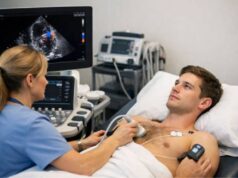
- Heart ultrasound may identify clots, valve disease, or areas of poor pumping after a heart attack.
- If an aneurysm or proximal plaque is suspected, imaging may extend to larger arteries.
A practical point: in severe acute occlusion, teams may start treatment (especially anticoagulation) and involve vascular specialists immediately, using imaging to refine the plan without causing dangerous delays. In chronic disease, the workup is more staged, but prompt evaluation is still important when wounds or rest pain are present.
Treatments to restore and protect blood flow
Treatment depends on acuity, severity, and anatomy. The priorities are: stabilize clotting, restore flow when the limb is threatened, treat pain, and prevent recurrence.
Acute limb-threatening occlusion: what usually happens first
- Rapid anticoagulation is commonly started unless contraindicated, to prevent clot extension and new events.
- Urgent vascular consultation helps decide between open surgery, catheter-based therapy, or both.
- Pain control and careful limb handling are important; numb areas can burn easily, so direct heat should be avoided.
Revascularization options
- Surgical thrombectomy or embolectomy: A surgeon removes clot directly, often providing immediate restoration of flow. This is common for large, proximal occlusions or clear embolic events.
- Catheter-directed thrombolysis: Clot-dissolving medication is delivered through a catheter into the blockage over hours to a couple of days. It can be effective for selected patients when the limb is not immediately at risk and bleeding risk is acceptable.
- Mechanical thrombectomy: Catheter devices remove or break up clot, sometimes combined with small doses of thrombolytic medication.
- Angioplasty and stenting: If an underlying narrowing or plaque segment caused the occlusion or remains after clot removal, clinicians may open the artery with a balloon and sometimes place a stent to keep it open.
- Bypass surgery: When arteries are diffusely diseased, heavily calcified, or not amenable to endovascular repair, bypass can route blood around the blockage. The best conduit (often vein) and target vessel are chosen based on imaging and limb goals.
- Fasciotomy (select cases): If swelling threatens circulation or nerves after flow returns, surgeons may open muscle compartments to prevent permanent injury.
Chronic occlusion and peripheral artery disease: core treatments
Chronic disease management aims to improve walking function, heal wounds, and reduce future cardiovascular events.
Medical therapy commonly includes:
- Antiplatelet therapy to reduce clot-related events
- Cholesterol-lowering therapy (often high-intensity)
- Blood pressure and glucose optimization
- Structured exercise therapy: often one of the most effective symptom treatments for claudication
- Smoking cessation support: among the highest-yield interventions
Revascularization is considered when:
- claudication remains lifestyle-limiting despite medical therapy and exercise
- there is rest pain, non-healing wounds, or tissue loss
- there is significant functional threat to hand or foot use
What to expect after treatment
Some people improve immediately, especially after acute clot removal. Others need staged interventions or wound care. The plan typically includes:
- follow-up imaging or ABI checks
- adjustment of antithrombotic medications
- wound care and offloading strategies for foot ulcers
- rehabilitation to rebuild walking capacity
A useful mindset is “restore flow, then stabilize the system.” Without risk-factor control, even technically successful procedures can be followed by recurrence.
Management, prevention, and when to seek care
Long-term management has two goals: protect the limb and protect the person. Extremity arterial occlusion often signals widespread vascular risk, so prevention is not optional—it is the second half of treatment.
Daily strategies that protect limbs
- Foot and skin checks (especially with diabetes): look daily for blisters, cracks, color changes, or drainage. Early detection prevents small injuries from turning into limb-threatening infections.
- Proper footwear and pressure reduction: shoes that fit, protective socks, and avoiding barefoot walking reduce skin injury risk.
- Wound care follow-through: keep appointments, follow dressing instructions, and report new odor, drainage, redness, or fever quickly.
- Cold protection: ischemic toes and fingers are vulnerable in winter; keep them warm with layers (avoid direct heat on numb skin).
Risk-factor control that lowers recurrence
A practical prevention plan usually includes:
- Smoking cessation: the most powerful modifiable lever for many patients
- Regular walking or supervised exercise: builds collateral circulation and improves efficiency
- Blood pressure goals and medication adherence
- Cholesterol management: consistent therapy is typically more important than “perfect diet days”
- Diabetes management: stable glucose improves wound healing and reduces infection risk
- Sleep and stress support: not a substitute for medical therapy, but helpful for adherence and overall cardiovascular health
Medication adherence and safety
If your occlusion was embolic (for example, from atrial fibrillation), long-term anticoagulation may be a cornerstone of prevention. Skipping doses can quickly increase risk. If you are on antiplatelet or anticoagulant therapy:
- ask for clear instructions before any procedure or dental work
- confirm what to do if you miss a dose
- report unusual bleeding promptly
Follow-up that catches problems early
Regular follow-up often includes:
- symptom review (walking distance, rest pain, wound status)
- pulse checks and ABI testing when appropriate
- imaging for grafts, stents, or aneurysms based on your anatomy and procedure type
When to seek urgent care
Go to emergency care for:
- sudden limb pain with coldness, pallor, or blue discoloration
- new numbness or weakness in the limb
- rapidly worsening pain, especially at rest
- signs of stroke (face droop, speech trouble, one-sided weakness) or heart symptoms (severe chest pressure, fainting)
Seek rapid outpatient or urgent evaluation for:
- new claudication that limits daily walking
- toe ulcers, wounds, or black tissue
- rest pain at night that improves when the leg is lowered
- a wound that worsens over days rather than improving
A steady truth: limb emergencies are rarely subtle for long. If symptoms are escalating, trust the trajectory. Acting early is the difference between a reversible blockage and permanent damage—and it also creates a clear opportunity to reduce future heart and brain complications through prevention.
References
- 2024 ACC/AHA/AACVPR/APMA/ABC/SCAI/SVM/SVN/SVS/SIR/VESS Guideline for the Management of Lower Extremity Peripheral Artery Disease: A Report of the American College of Cardiology/American Heart Association Joint Committee on Clinical Practice Guidelines 2024 (Guideline)
- 2024 ESC Guidelines for the management of peripheral arterial and aortic diseases 2024 (Guideline)
- Editor’s Choice – European Society for Vascular Surgery (ESVS) 2023 Clinical Practice Guidelines on Antithrombotic Therapy for Vascular Diseases 2023 (Guideline)
- Editor’s Choice – European Society for Vascular Surgery (ESVS) 2020 Clinical Practice Guidelines on the Management of Acute Limb Ischaemia 2020 (Guideline)
Disclaimer
This article is for educational purposes only and does not provide medical advice, diagnosis, or treatment. Extremity arterial occlusion can threaten limb function and can also reflect serious underlying heart or vascular disease. Seek emergency care immediately for sudden limb pain with coldness, pallor or blue discoloration, loss of sensation, weakness, or inability to move the limb, as well as for chest pain, fainting, or stroke-like symptoms. Only a qualified clinician can assess your situation, review your medications and risks, and recommend the right testing and treatment.
If you found this article helpful, please share it on Facebook, X (formerly Twitter), or any platform you prefer, and follow us on social media. Your support through sharing helps our team continue producing clear, trustworthy health information.