Most people schedule a vision check when something feels off—blurred road signs, new headaches, or squinting at screens. But the real value of routine eye exams is quieter: they can spot problems before you notice symptoms, confirm your prescription is safe and accurate, and sometimes reveal clues about overall health. The right exam schedule is not “every year for everyone” or “only when you cannot see.” It depends on age, risk factors, and whether you wear contacts, have diabetes, or have a family history of eye disease. This guide helps you choose a frequency that is practical and evidence-informed, explains what a full exam actually includes, and shows when to come in sooner than planned. The goal is simple: fewer surprises, better long-term vision, and a clear plan you can follow.
Essential Insights
- Regular eye exams can detect glaucoma, diabetic eye disease, and macular changes before symptoms appear.
- A personalized schedule is based on age, medical history, family history, and whether you wear contact lenses.
- Yearly exams are often appropriate for higher-risk groups, but low-risk adults may not need that often.
- Sudden vision change, flashes, new floaters, significant pain, or light sensitivity should not wait for a routine visit.
- A practical baseline is a comprehensive dilated exam around age 40, then adjust frequency based on risk and findings.
Table of Contents
- What a vision check includes
- How often adults need eye exams
- Eye exam schedule for kids and teens
- If you wear contacts or glasses
- Higher-risk health and family factors
- Signs you should not wait
What a vision check includes
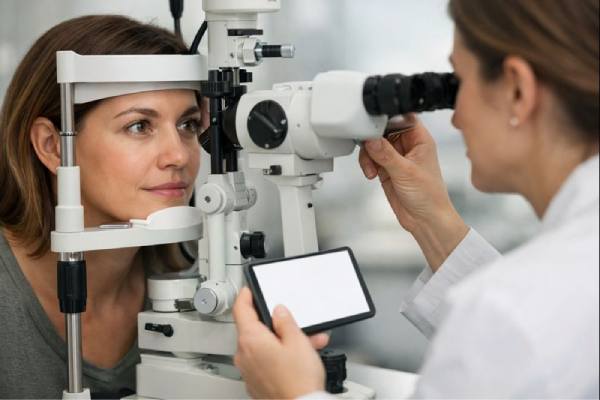
“Eye exam” can mean very different things depending on where you go and why you are there. A quick vision screening (like reading letters on a chart) can catch obvious blur, but it cannot reliably evaluate eye health. A comprehensive exam is more like a full check of the visual system—from how clearly you see to how healthy the inside of your eye looks.
Here is what a thorough visit commonly includes, and why each part matters:
- History and symptom review: Changes in blur, glare, dryness, headaches, eye strain, flashes, floaters, and night driving complaints help guide the exam. Your medications matter, too—some can affect the eyes or pressure.
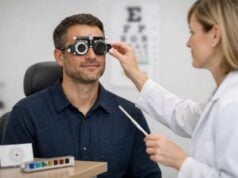
- Visual acuity and refraction: This is the “which is better, one or two?” portion that determines your glasses or contact lens prescription.
- Eye alignment and focusing checks: Subtle focusing problems can cause fatigue, headaches, or blurred near vision even when the prescription looks “fine.”
- Eye pressure measurement: Pressure is only one piece of glaucoma risk, but it is an important one to track over time.
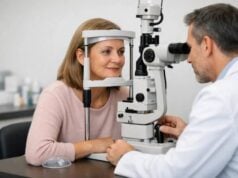
- Front-of-eye evaluation: The clinician looks at the cornea, lens, and eyelids to check for dry eye, allergy, inflammation, cataract changes, or contact lens–related damage.
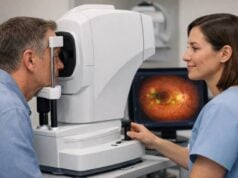
- Dilated eye exam (or equivalent retinal evaluation): Dilation allows a better look at the retina and optic nerve. This is where silent conditions can be caught early.
Why frequency is not just about your glasses
If you only need glasses updates, you might assume you only need exams when blur returns. But many serious conditions can progress quietly. The reason “how often” is a real question is that the best schedule balances two things:
- Catching disease early enough to protect vision.
- Avoiding unnecessary visits for low-risk people with stable eyes.
A helpful mindset: a routine exam is a preventive checkup, and a problem-focused visit is urgent troubleshooting. Your schedule should leave room for both.
How often adults need eye exams
For adults, the best exam frequency depends on age and risk. Vision changes accelerate after 40, and the risk of eye disease rises steadily with each decade. That is why most eye care schedules become more frequent later in life.
Below is a practical, widely used framework that works well for many people. Think of it as a starting point—your clinician may adjust it based on what they find in your eyes.
A sensible baseline schedule for low-risk adults
- Ages 20–39: If you have no symptoms and no risk factors, you may only need periodic comprehensive exams. Many people do well with an exam every 5–10 years, sooner if you notice changes or start a visually demanding job.
- Around age 40: Plan a baseline comprehensive eye exam even if you see well. This is when early changes in near focusing, eye pressure trends, and retinal health become more relevant.
- Ages 40–54: If low risk and stable, an exam every 2–4 years is often reasonable.
- Ages 55–64: Consider every 1–3 years, because cataract changes, glaucoma risk, and retinal disease become more common.
- Age 65 and older: Many adults benefit from exams every 1–2 years, even without symptoms.
Why “low risk” is a specific category
Low risk usually means:
- No diabetes, high blood pressure, or autoimmune disease
- No family history of glaucoma or inherited retinal disorders
- No previous eye injury or surgery
- No long-term steroid use (pills, inhalers, creams around eyes, or eye drops)
- No contact lens wear complications
- No unexplained vision symptoms
If any of those do not apply, the schedule often shifts toward more frequent exams.
What if you already see an eye doctor for glasses?
If your visit is truly comprehensive, your doctor may tell you when to return for eye health monitoring. If it is primarily a refraction visit, ask directly: “Did you check my eye health and optic nerve, or was this only a vision check?” You deserve a clear answer.
The simplest decision rule: if you are 40 or older, or you have meaningful medical or family risk, routine exams should be part of your preventive health plan—not only a response to blurry vision.
Eye exam schedule for kids and teens
Children’s vision is not just “small adult vision.” The visual system develops rapidly in early childhood, and missed problems can affect learning, coordination, and long-term sight. At the same time, not every child needs a full eye doctor exam every year—many do well with regular screening and targeted evaluation when concerns arise.
Screening versus a comprehensive pediatric eye exam
- Vision screening is a quick check (often done at pediatric visits or school) that looks for reduced acuity, eye misalignment, or risk factors for amblyopia (lazy eye).
- A comprehensive eye exam by an eye care professional is deeper: it checks focusing, eye teaming, eye health, and often includes dilation when needed.
Screening is valuable, but it is not perfect. Some children can pass a chart test and still have focusing strain, intermittent eye turns, or differences between the eyes that can lead to amblyopia.
A practical schedule many families can follow
- Ages 3–5: Make sure your child has at least one vision evaluation in this window. This is a key period for detecting amblyopia risk and treatable alignment issues.
- School-age years: If screenings are normal and there are no symptoms, routine screening may be enough. If the child fails a screening or has symptoms, schedule a comprehensive exam.
- Teens: Vision demands increase (screens, sports, driving). If your teen reports headaches, blur after reading, trouble seeing the board, or night-driving glare, do not wait for the next school screening.
When to schedule sooner, even if screening is “normal”
Arrange a comprehensive exam earlier if you notice:
- One eye drifting in or out, even occasionally
- Frequent squinting, covering one eye, or head tilting
- Headaches after reading or homework
- Avoidance of near tasks or short attention for close work
- Persistent tearing, light sensitivity, or eye rubbing
- A strong family history of strabismus (eye turn), amblyopia, high prescriptions, or inherited eye disease
- Prematurity or known developmental or neurologic conditions
Why timing matters for treatment
Many pediatric vision problems are highly treatable, but time-sensitive. For example, amblyopia treatment works best when started early, because the brain is still forming strong visual pathways. That is why an early check is not “extra”—it can protect lifelong vision.
If you are unsure, a good guiding question is: “Is my child comfortable using their eyes all day?” Comfort and function matter as much as the ability to read a chart.
If you wear contacts or glasses
Wearing glasses or contact lenses does not automatically mean your eyes are unhealthy. But it does change how often you may benefit from a check—especially with contact lenses, where safety depends on fit, oxygen delivery, and corneal health.
Glasses: frequency depends on stability and age
Many adults with stable prescriptions can go longer between visits than people assume. Consider these patterns:
- Stable prescription, no symptoms: You may only need an updated refraction every 1–2 years, and a comprehensive health check based on your age and risk factors.
- Frequent change, headaches, or blurred near vision: Come sooner. It may be a prescription shift, but it can also be focusing fatigue, astigmatism change, or early lens changes.
- After age 40: Even if distance vision is stable, near focusing and lens clarity can change. This is when “my glasses feel wrong” may actually mean your visual system needs a different setup (for example, progressive lenses or dedicated computer lenses).
Contact lenses: do not treat the exam as optional
Contact lenses rest directly on the cornea. A “contact lens check” is not a sales step—it is a safety check. Regular reviews help prevent problems that can start quietly, such as early corneal swelling, small abrasions, or inflammation under the lids.
A practical approach:
- At least yearly contact lens evaluations are common, even for experienced wearers.
- Schedule sooner if you notice redness, reduced comfort, end-of-day dryness, fluctuating blur, light sensitivity, or recurrent “pink eye” episodes.
What the clinician is checking with contacts
- Lens fit and movement (too tight or too loose can damage the surface)
- Corneal clarity and oxygen-related stress
- Dry eye patterns that affect comfort and vision
- Deposits and allergy-related inflammation (such as giant papillary conjunctivitis)
- Whether your wearing schedule is safe (especially with extended wear)
Small habit changes that reduce risk between visits
If you wear contacts, these basics lower your odds of complications:
- Keep backup glasses and use them when your eyes feel irritated.
- Replace lenses and cases on schedule; old cases are a common weak link.
- Avoid sleeping in lenses unless specifically prescribed for that.
- Stop lenses immediately if you have pain, marked redness, or light sensitivity and seek care.
If you wear glasses, your exam frequency is often about clarity and function. If you wear contacts, frequency is also about protecting the cornea—so erring on the side of routine checks is usually worth it.
Higher-risk health and family factors
Some people need more frequent eye exams because their eyes have higher “silent risk.” In these groups, the exam is less about a prescription update and more about early detection and prevention of vision loss.
Medical conditions that often justify yearly eye exams
Consider an annual schedule (or the interval your clinician recommends) if you have:
- Diabetes: Eye disease can develop without symptoms. Many people are advised to have a dilated eye exam at least once a year, sometimes more often depending on findings.
- High blood pressure: Vascular changes can show up in the retina. Blood pressure also increases risk for certain vascular eye events.
- Autoimmune or inflammatory disease: Conditions like rheumatoid arthritis, lupus, inflammatory bowel disease, and thyroid eye disease can affect the eyes or require medications that do.
- High cholesterol, cardiovascular disease, or stroke history: These can be associated with retinal vascular risks.
- Long-term steroid use: Steroids can increase the risk of cataracts and elevated eye pressure in susceptible individuals.
Family history and demographic risk factors
More frequent monitoring may be appropriate if you have:
- A first-degree relative with glaucoma
- A family history of macular degeneration or inherited retinal conditions
- A history of high prescriptions (especially high myopia), which can increase retinal risk
- Higher glaucoma risk based on age and ancestry, especially as you get older
Eye history that changes the schedule
You may need a tighter follow-up plan if you have:
- Previous eye surgery or injury
- A known cataract that is being monitored
- Elevated eye pressure, glaucoma suspect status, or glaucoma
- Retinal tears, detachments, or significant lattice degeneration
- Chronic dry eye or blepharitis that keeps flaring
How to think about “more often” without anxiety
More frequent exams are not a sign that something is wrong today. They are a way to stay ahead of conditions where timing matters. A practical way to discuss it with your clinician is to ask:
- “What are you watching for in my eyes?”
- “If you found an early change, what would we do differently?”
- “What symptoms should trigger an earlier visit?”
If the answers are clear, the schedule feels less arbitrary. It becomes a plan: monitor the right risks at the right interval, and act early if anything changes.
Signs you should not wait
Even if you follow the perfect routine schedule, certain symptoms should override it. Some eye problems are time-sensitive, and delaying care can change outcomes.
Seek urgent care for these symptoms
Do not wait for your next routine exam if you have:
- Sudden vision loss or a rapid, unexplained drop in vision
- A curtain or shadow over part of your vision
- Flashes of light or a sudden burst of new floaters
- Significant eye pain, especially with redness
- Marked light sensitivity
- New double vision
- Eye injury or chemical exposure
- Contact lens wear plus pain, redness, discharge, or light sensitivity
These symptoms can signal retinal tears, retinal detachment, severe inflammation, infection, acute pressure problems, or other urgent conditions.
Book a sooner appointment for “persistent change” symptoms
Some issues are not emergencies but still deserve timely evaluation:
- Gradual blur that does not clear with blinking or rest
- Increasing glare or halos, especially at night
- Frequent headaches linked to near work
- Ongoing eye strain or difficulty focusing
- Recurring red eye episodes
- Dryness, burning, or fluctuating vision that disrupts daily life
Waiting months can turn a fixable quality-of-life issue into a chronic pattern.
How to prepare so your visit is more useful
A few minutes of preparation can make your exam more accurate and personalized:
- Write down your top three concerns (for example: night driving glare, headaches, dryness).
- Bring your current glasses and contact lens details, including brand and wearing schedule.
- List medications and supplements, including steroids and allergy medications.
- Know your family history, especially glaucoma, macular degeneration, and high prescriptions.
- Plan for possible dilation: Bring sunglasses, and consider whether driving afterward will feel comfortable for you.
How to leave with a clear schedule
Before you go, ask for a plain-language plan:
- “When should I return if everything is stable?”
- “What would make you want to see me sooner?”
- “Is my next visit mainly for prescription, eye health, or both?”
Eye exam frequency becomes simple when it is tied to your actual risks and your real-world symptoms. Routine care keeps you on track, and early visits keep you safe when your eyes signal that something has changed.
References
- Taking Care of Your Eyes | Vision and Eye Health | CDC 2024
- Why Eye Exams Are Important | Vision and Eye Health | CDC 2024
- Get a Dilated Eye Exam | National Eye Institute 2025
- Aging and Your Eyes | National Institute on Aging 2021
- Recommendation: Impaired Visual Acuity in Older Adults: Screening | United States Preventive Services Taskforce 2022
Disclaimer
This article is for educational purposes and does not provide medical advice, diagnosis, or treatment. Eye exam frequency should be individualized based on your age, symptoms, medical history, medications, and family history. Seek urgent evaluation for sudden vision changes, flashes or new floaters, a shadow or curtain in vision, significant eye pain, marked light sensitivity, eye injury, or contact lens–related pain or redness. Always follow the guidance of a qualified eye care professional who can assess your specific situation.
If you found this article helpful, please consider sharing it on Facebook, X (formerly Twitter), or any platform you prefer. Your support by sharing helps our team continue creating clear, practical health content.