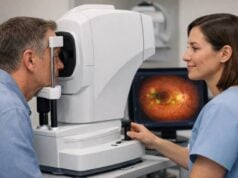
Eye pain is a symptom, not a diagnosis—and it can range from a scratchy, surface-level sting to a deep ache that signals an emergency. What makes eye pain challenging is that the same complaint can come from the eyelid, the cornea, the inside of the eye, nearby sinuses, or even nerves and muscles around the orbit. The benefit of a clear, structured approach is simple: you protect vision by recognizing red flags early, and you avoid unnecessary panic when symptoms point to a common, treatable cause. In this article, you will learn how clinicians think about eye pain, which combinations of symptoms matter most, and what to do in the first minutes and hours—especially if you wear contact lenses or had a chemical exposure. You will also get practical prevention habits that lower the chance of recurrence.
Essential Insights
- Pairing eye pain with light sensitivity or vision changes is more concerning than pain alone.
- Contact lens wear plus pain is a higher-risk combination and should be assessed quickly.
- Sudden severe pain with nausea, halos, or a hard-feeling eye can signal a pressure emergency.
- Immediate irrigation is the priority after chemical exposure, even before you identify the substance.
- A practical rule: if symptoms are rapidly worsening or you cannot comfortably keep the eye open, seek urgent evaluation.
Table of Contents
- How to tell if eye pain is urgent
- Common causes of eye pain
- Serious causes clinicians worry about
- What to do right now at home
- What an urgent eye exam includes
- How to prevent eye pain from coming back
How to tell if eye pain is urgent
When people say “eye pain,” they may mean burning, stabbing, pressure, soreness behind the eye, or pain that only appears when moving the eyes. Urgency is less about how dramatic it feels and more about what travels with it—especially changes in vision, light sensitivity, and certain patterns of redness.
A useful first step is to separate surface pain from deep pain:
- Surface pain often feels scratchy, sandy, or sharp with blinking. It is commonly linked to dry eye, a corneal abrasion, or a foreign body.
- Deep pain can feel like pressure, aching, or throbbing within or behind the eye. This pattern raises concern for conditions like uveitis, scleritis, or acute angle-closure glaucoma.
Red flags that should prompt urgent care
Seek same-day evaluation (or emergency care if you cannot reach an eye clinic) if you have any of the following:
- Vision changes (new blur that does not clear with blinking, reduced vision in one eye, missing areas of vision, or distortion)
- Marked light sensitivity (photophobia), especially with pain
- Severe pain that is escalating, prevents sleep, or makes it hard to keep the eye open
- Contact lens wear plus pain, especially with redness, discharge, or light sensitivity
- A fixed or oddly shaped pupil, or one pupil noticeably larger than the other
- Halos around lights, nausea, or vomiting with eye pain
- New protrusion of the eye, eyelid swelling with fever, or pain with eye movement
- Recent eye surgery, eye injection, or eye injury, even if it seems minor
- Chemical exposure, especially alkali cleaners (drain or oven cleaners)
Timing matters
A key clue is how quickly symptoms develop:
- Minutes to hours: chemical injuries, acute pressure spikes, corneal injury, infectious keratitis, or severe inflammation.
- Days: worsening dry eye, conjunctivitis, early uveitis, eyelid infections, sinus-related pain.
- Weeks to months: chronic blepharitis, recurrent dry eye flares, neuropathic pain patterns.
If you are unsure, treat “pain plus vision change” as urgent until proven otherwise. It is far easier to rule out a dangerous cause than to restore vision after a delayed diagnosis.
Common causes of eye pain
Most eye pain comes from conditions that are uncomfortable but manageable—often involving the eyelids, tear film, or corneal surface. These problems can still feel intense because the cornea has many nerve endings and reacts strongly to dryness, irritation, and small injuries.
Dry eye and tear film instability
Dry eye can cause burning, stinging, and a gritty “sand in the eye” feeling. Paradoxically, it can also cause watery eyes because irritation triggers reflex tearing. Symptoms often worsen with screens, wind, air conditioning, heating, and long periods of reading. Pain typically improves with blinking, lubrication, or closing the eye for a moment—unless there is a secondary scratch or inflammation.
Blepharitis and meibomian gland dysfunction
Inflammation along the eyelid margin can cause soreness, crusting, burning, and a heavy-lid feeling. Because it destabilizes the oil layer of the tear film, it commonly overlaps with dry eye. People often notice symptoms on waking and late in the day. Recurrent styes are a clue that the lid margin needs attention.
Conjunctivitis and allergic irritation
Conjunctivitis can be viral, bacterial, or allergic. Allergic conjunctivitis is classically itchy and often affects both eyes. Viral conjunctivitis can cause watery discharge and a gritty sensation. Bacterial conjunctivitis is more likely to produce thicker discharge. While conjunctivitis can be uncomfortable, significant pain or strong light sensitivity is not typical and should raise suspicion for corneal involvement or deeper inflammation.
Corneal abrasion and foreign body
A corneal abrasion often causes sharp pain, tearing, and light sensitivity, sometimes after rubbing the eye, contact lens wear, or an unnoticed speck of debris. It can feel dramatically painful even when the injury is small. A foreign body on the cornea or under the eyelid can produce a “something stuck” sensation that is worse with blinking. If symptoms persist despite rinsing or if you cannot keep the eye open, it needs an exam.
Sinus and headache-related pain
Not all “eye pain” is the eye. Sinus congestion can cause pressure behind or around the eye, often with nasal symptoms. Migraine and cluster headaches can cause severe periocular pain with tearing and redness. These patterns can mimic eye disease, so the presence or absence of true eye findings—vision changes, corneal pain, abnormal pupil—helps clinicians sort it out.
Even common causes deserve respect when symptoms are intense, one-sided, or worsening. Pain is the eye’s way of insisting you stop and assess, not a sign you should simply tolerate it.
Serious causes clinicians worry about
Serious causes of eye pain are less common, but they are the reason clinicians ask detailed questions and often dilate the eye. These conditions can threaten vision quickly, and some require treatment the same day.
Infectious keratitis
Keratitis is inflammation of the cornea, often infectious. It can cause pain, redness, tearing, discharge, blurred vision, and strong light sensitivity. Contact lens wear is a major risk factor because lenses can trap microbes against the cornea and create tiny surface breaks. A key warning sign is pain that feels disproportionate to “typical irritation,” especially with decreased vision or a visible white spot on the cornea.
Uveitis
Uveitis is inflammation inside the eye, often causing deep aching pain, light sensitivity, and blurred vision. Some people notice a small pupil or redness concentrated around the colored part of the eye. Uveitis can be associated with autoimmune conditions, infections, or may occur without a clear trigger. Because it can raise eye pressure and damage internal structures, timely evaluation matters.
Scleritis
Scleritis is inflammation of the white outer coat of the eye and is often described as severe, deep pain that can radiate to the temple or jaw. The eye may look intensely red, and the pain can worsen with eye movement. It can be linked to systemic inflammatory diseases and may require urgent treatment to prevent complications.
Acute angle-closure glaucoma
This is a pressure emergency caused by sudden blockage of fluid drainage inside the eye. Symptoms often include severe eye pain, headache, blurred vision, halos around lights, and sometimes nausea or vomiting. The eye may appear red, the cornea may look hazy, and the pupil can be mid-dilated and less reactive. This condition can damage the optic nerve quickly and is a true emergency.
Chemical burns
Chemical exposures—especially alkaline substances—can penetrate tissues rapidly and continue causing damage as long as the chemical remains in contact with the eye. Pain may be severe, but in some high-grade exposures, pain can be deceptive if nerves are damaged. The priority is immediate irrigation, not waiting for symptoms to “declare themselves.”
Orbital cellulitis and deep infections
Infections behind the orbital septum can cause eyelid swelling, fever, pain with eye movement, double vision, or reduced vision. This is not a “wait and see” situation; it requires urgent medical care.
These diagnoses share a common theme: pain is paired with risk signals—vision change, strong photophobia, abnormal pupil, corneal haze, severe one-sided redness, systemic symptoms, or contact lens use.
What to do right now at home
Home steps can reduce discomfort and sometimes prevent worsening—but they should never delay urgent evaluation when red flags are present. Think of home care as a bridge: it stabilizes the situation while you decide whether you need same-day care.
Step one: remove exposures and reduce risk
- Stop contact lens wear immediately and switch to glasses. Do not resume lenses until symptoms fully resolve and you have guidance if the cause was unclear.
- Remove eye makeup and avoid reapplying until symptoms are gone.
- Do not rub the eye. Rubbing can worsen abrasions, spread infection, and increase inflammation.
If you suspect a foreign body
- Rinse with clean water or sterile saline and blink several times.
- If discomfort persists, avoid “digging” with tissues or fingernails. A small fragment under the lid can keep scratching the cornea, and removal is safer with proper tools and magnification.
If there was chemical exposure
Irrigation is the priority:
- Start flushing immediately with large amounts of clean water or saline.
- Continue irrigation for at least 15–30 minutes, longer for strong chemicals or persistent discomfort.
- Remove contact lenses during irrigation if you can do so quickly and safely.
- Seek urgent care after flushing, even if symptoms improve, because deeper injury is possible.
Comfort measures for non-urgent symptoms
If there are no red flags and symptoms are mild:
- Use preservative-free artificial tears to dilute irritants and soothe the surface.
- Apply a cool compress for burning, itching, or mild swelling.
- Rest your eyes: reduce screen time, avoid wind exposure, and stay hydrated.
What to avoid
- Do not use leftover antibiotic or steroid eye drops without guidance. The wrong drop can worsen certain infections.
- Avoid using topical anesthetic drops at home unless specifically prescribed for short-term use with clear instructions. They can mask worsening symptoms and may delay care.
- Do not patch the eye unless a clinician tells you to; patching can create a warm environment that may worsen infection.
When in doubt, choose evaluation
If you cannot comfortably keep the eye open, if pain is escalating, or if you notice any vision change, treat it as urgent. A timely exam can prevent a small problem from becoming a vision-threatening one.
What an urgent eye exam includes
An urgent eye evaluation is less mysterious than many people fear. The goal is to locate the source of pain—eyelid, cornea, inside the eye, pressure, or retina—and to identify treatable threats quickly. The steps below also explain why clinicians ask questions that may seem unrelated, such as contact lens habits or autoimmune history.
History that shapes the diagnosis
Clinicians often focus on:
- Onset (sudden vs gradual) and severity
- One eye vs both
- Vision changes (blur, halos, missing areas, double vision)
- Photophobia, discharge, and tearing
- Recent trauma, grinding dust exposure, or chemical contact
- Contact lens type, wear schedule, and sleeping in lenses
- Systemic symptoms (fever, facial pain, joint inflammation)
These details narrow the field dramatically.
Visual acuity and pupil assessment
Checking vision is not just routine—it is a key safety marker. Pupil size and reactivity can reveal inflammation, nerve involvement, or pressure issues. A difference between pupils, or a poorly reactive pupil with pain and redness, changes urgency.
Slit-lamp exam and corneal staining
A slit lamp allows a magnified view of the eyelids, conjunctiva, and cornea. Fluorescein dye highlights abrasions and ulcers. This step often distinguishes dry eye irritation from a true corneal injury or infection. In suspected infectious keratitis, clinicians may look for infiltrates (areas of corneal inflammation) and may collect samples in certain cases.
Eye pressure measurement
Intraocular pressure testing helps identify pressure-related emergencies and other glaucoma-related issues. Elevated pressure plus severe pain, halos, and nausea is a classic danger pattern.
Dilated exam when needed
If the pain is deep, if vision is affected, or if symptoms suggest internal inflammation, the eye is often dilated to examine internal structures and the retina. This is especially important when symptoms are atypical or when severe headache-like pain could be an eye condition masquerading as a migraine.
Why diagnosis sometimes requires follow-up
Some conditions evolve. For example, early infections or inflammation can intensify over 24–48 hours. Clinicians may schedule rechecks to confirm that treatment is working and that the cornea and internal eye structures remain safe.
The biggest value of an urgent exam is clarity: you leave with a diagnosis or a narrowed differential, a treatment plan, and a precise set of warning signs that should prompt immediate return.
How to prevent eye pain from coming back
Prevention depends on the likely cause, but several habits lower risk across many categories—especially surface irritation, infections, and recurrent inflammation. The goal is to protect the cornea, keep the tear film stable, and reduce high-risk exposures.
Contact lens safety habits
If you wear contacts, these are high-impact steps:
- Do not sleep in lenses unless explicitly prescribed for overnight wear.
- Replace lenses on schedule and avoid “stretching” the replacement cycle.
- Keep water away from lenses: avoid rinsing lenses or cases with tap water.
- Replace the lens case regularly and let it air-dry between uses.
- At the first sign of pain, light sensitivity, or unusual redness, stop lenses and switch to glasses.
Many serious corneal infections start with a small, ignored symptom that “seems like dryness.”
Protective eyewear and environment control
Eye injuries are common in home projects:
- Wear protective eyewear for yard work, drilling, sanding, and handling chemicals.
- Store household cleaners securely and avoid pouring chemicals at face level.
- In windy or dusty environments, wraparound glasses can reduce foreign bodies and dryness flare-ups.
Reduce dryness-driven pain
If your pain tends to be gritty and screen-related:
- Use regular blinking breaks during screen time (set a timer if needed).
- Aim airflow away from your face in cars and offices.
- Consider a humidifier during dry seasons.
- Use preservative-free lubricating drops as needed, especially in high-exposure environments.
Lid hygiene for recurrent styes and blepharitis
If eyelid margin inflammation is part of your pattern:
- Cleanse the lid margin gently and consistently.
- Warm compresses can soften clogged oils and improve comfort.
- Replace eye makeup regularly and avoid applying product directly on the inner lid margin if you are prone to gland blockage.
Know your personal red flags
Some people have higher baseline risk:
- Prior corneal infection
- Autoimmune inflammatory disease
- High myopia or prior eye surgery
- Immunosuppression
If that describes you, treat new pain as more urgent, even if symptoms seem mild at first.
Preventing eye pain is rarely about one dramatic change. It is about building a routine that reduces small injuries and irritants, because the eye surface and internal structures respond best to steadiness, not repeated stress.
References
- Bacterial Keratitis Preferred Practice Pattern® – PubMed 2024 (Guideline)
- Acute Closed-Angle Glaucoma—An Ophthalmological Emergency – PMC 2022 (Review)
- Herpes simplex keratitis: A brief clinical overview – PMC 2024 (Review)
- Ocular Burns – StatPearls – NCBI Bookshelf 2023 (Review)
Disclaimer
This article is for general educational purposes and does not provide medical advice, diagnosis, or treatment. Eye pain can have causes ranging from minor surface irritation to emergencies that can threaten vision. Seek urgent care for eye pain with vision changes, marked light sensitivity, severe or rapidly worsening pain, chemical exposure, eye injury, new pupil changes, halos with nausea, fever with eyelid swelling, or any concerning symptoms if you wear contact lenses. Always follow the guidance of a qualified eye care professional who can evaluate your specific symptoms and risk factors.
If you found this article helpful, please consider sharing it on Facebook, X (formerly Twitter), or any platform you prefer. Your support by sharing helps our team continue producing clear, practical health content.