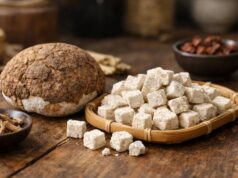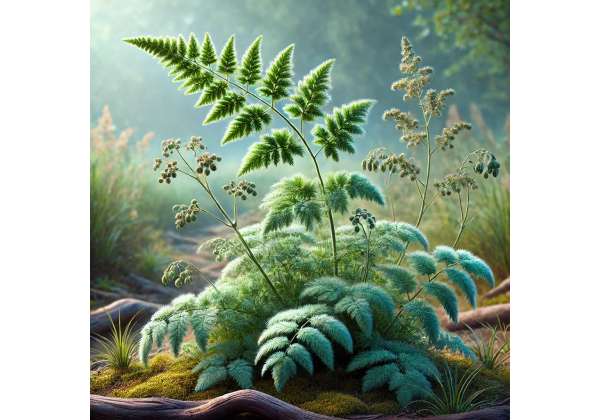
Fang Feng, the dried root of Saposhnikovia divaricata, is a long-used East Asian medicinal herb best known for its role in traditional formulas for early cold symptoms, headache, body aches, itching, nasal congestion, and wind-related pain patterns. In classical practice, it is valued not as a dramatic standalone remedy, but as a flexible root that helps the body respond to surface-level discomforts such as chills, sneezing, stiffness, rash, and spasm.
Modern interest in Fang Feng focuses on its chromones, coumarins, polysaccharides, and other compounds that show anti-inflammatory, antioxidant, antiallergic, and immunomodulatory activity in laboratory and animal research. That research is promising, but the evidence is still much stronger for mechanisms than for proven clinical outcomes in people.
For most readers, the key is balance. Fang Feng has a credible traditional record, useful phytochemistry, and a practical place in short-term herbal care, especially in formula form. At the same time, dosage is not well standardized across modern supplements, and strong human trials remain limited. Used thoughtfully, it is an interesting herb. Used casually, it is easy to overestimate.
Quick Fang Feng Facts
- Fang Feng is traditionally used for early cold symptoms, itch, body aches, and nasal allergy patterns.
- Its main researched compounds are chromones and coumarins, especially prim-O-glucosylcimifugin, cimifugin, and related constituents.
- A common traditional decoction range is about 3 to 9 g dried root per day.
- Most benefit claims are supported mainly by preclinical research rather than strong human trials.
- Pregnant or breastfeeding people, young children, and anyone using anticoagulants or immunosuppressants should avoid unsupervised use.
Table of Contents
- What Is Fang Feng
- Key Ingredients and Actions
- Does Fang Feng Help Allergies and Pain
- How Fang Feng Is Used
- How Much Fang Feng Per Day
- Safety Side Effects and Avoidance
- What the Evidence Really Shows
What Is Fang Feng
Fang Feng is the traditional Chinese name for the dried root, and sometimes root-rhizome, of Saposhnikovia divaricata, a perennial plant in the Apiaceae family. That botanical family also includes carrot, celery, fennel, and other aromatic plants, which helps explain why Fang Feng has a fragrant, slightly sharp, earthy character when simmered. In older texts and product labels, you may also see the plant listed under the older name Ledebouriella divaricata or the pharmacognostic name Saposhnikoviae Radix.
In East Asian medicine, Fang Feng is best known as an herb that “releases the exterior” and “dispels wind.” Those phrases are traditional, but they point to a very practical group of uses. In modern plain language, Fang Feng is commonly selected when a person has symptoms that feel sudden, mobile, and surface-level: a new headache, body aches, chills, sneezing, itchy skin, nasal irritation, or stiffness that seems to move from place to place. It is also used in formulas for wind-damp pain, which often overlaps with aching joints, rheumatic discomfort, or muscle tightness.
The herb is not usually taken as a casual daily tonic. It is more often used for short-term pattern-based needs, especially in formulas. That matters because many online articles describe Fang Feng as if it were a simple anti-inflammatory root similar to a capsule-based supplement. In real traditional practice, it is much more contextual. The same herb can be used for a scratchy, early-stage cold, an itchy rash, mild facial pain, or certain spasm-like patterns, depending on what it is paired with.
Fang Feng has a long record of use across China, Korea, and Japan. In Chinese medicine it appears in many established formulas. In Japanese Kampo, the crude drug is also recognized and used in combination formulas rather than as a heavily marketed single herb. That formula tradition is one reason the research picture can look confusing. Many people know the herb from formulas, while modern consumers often search for it as a standalone extract.
A few practical points help place Fang Feng in context:
- The medicinal part is the dried root, not the whole plant.
- The herb is usually decocted, not simply steeped like a delicate tea.
- Most traditional use is short-term or formula-based.
- Modern laboratory research supports bioactivity, but not all traditional claims have been proven in humans.
So the best way to understand Fang Feng is as a classical root with a well-defined traditional role, a growing pharmacology literature, and a narrower evidence base than many marketing pages imply. It has genuine interest, but it makes the most sense when seen through both lenses at once: traditional pattern use and modern research limits.
Key Ingredients and Actions
The chemistry of Fang Feng centers on a few major groups of compounds, with chromones and coumarins receiving the most attention. These are the molecules most often linked to the herb’s anti-inflammatory, antiallergic, antioxidant, and pain-modulating properties in experimental research. If you want to understand why Fang Feng behaves differently from a simple aromatic root, this is where to look.
The best-known constituents include:
- Prim-O-glucosylcimifugin
- Cimifugin
- 5-O-methylvisammioside
- Hamaudol and related chromones
- Coumarins such as nodakenin and other related compounds
- Polysaccharides
- Volatile components and minor phenolic substances
Chromones are often treated as the signature compounds of Fang Feng. Prim-O-glucosylcimifugin is especially important because it appears both as a measurable marker of quality and as a likely contributor to the herb’s anti-inflammatory and antiallergic effects. Cimifugin, a related compound, is also widely studied. These constituents have shown the ability to influence inflammatory signaling pathways, mast-cell related activity, and oxidative stress markers in laboratory systems.
Coumarins are another important group. They add to the herb’s biologic complexity and may help explain why Fang Feng shows overlapping actions in pain, inflammation, and immune-response models. Their presence also adds a note of caution, because coumarin-rich plants can have medication-interaction questions even when direct human data are limited.
Polysaccharides matter as well, especially for water-based preparations. They are less glamorous than chromones, but they may contribute to immune signaling and gut-level effects. This is one reason a traditional decoction may not behave the same way as an alcohol extract or a highly purified capsule. Fang Feng is not just one active molecule. It is a chemical system.
That broader view is useful because herbal action is usually additive and cooperative. As with ginger’s active-compound profile, the overall effect often comes from a network of constituents rather than a single isolated substance.
From a practical perspective, these compounds appear to support several core actions:
- Dampening inflammatory signaling
- Reducing histamine-like or allergy-linked reactivity
- Modulating pain and spasm pathways
- Providing antioxidant support
- Influencing mucosal and immune responses in preclinical models
A second important point is that Fang Feng chemistry is not perfectly stable across all products. Growth conditions, harvest timing, whether the root is wild or cultivated, and how the crude herb is processed can all shift the levels of active compounds. That is one reason two products labeled “Saposhnikovia” may not feel the same in practice.
So when people ask for Fang Feng’s “key ingredients,” the shortest accurate answer is chromones first, coumarins second, then polysaccharides and volatile compounds in supporting roles. Those ingredients explain why the herb is pharmacologically interesting. They do not, by themselves, prove that every traditional use has been clinically confirmed.
Does Fang Feng Help Allergies and Pain
Fang Feng may help with allergy-related discomfort, early cold symptoms, itch, and certain pain patterns, but the level of confidence depends on what claim you are making. Traditional use is broad and well established. Modern human evidence is much narrower. That means the herb is best described as plausible and promising rather than definitively proven for most modern conditions.
In traditional use, Fang Feng is commonly chosen for:
- Early-stage colds with chills, headache, and body aches
- Sneezing, nasal stuffiness, and seasonal allergy-like patterns
- Itchy rashes or hives-type presentations
- Wind-damp pain, including stiffness and joint discomfort
- Mild spasms or tension patterns
- Headache that feels surface-level or linked to muscle tightness
Among these, allergy support is one of the most talked-about uses today. Fang Feng appears in well-known formula traditions for allergic rhinitis and recurrent upper respiratory sensitivity. Mechanistically, that makes sense. Experimental studies suggest the root and some of its chromones may reduce mast-cell activation, inflammatory cytokines, and immune overreaction. In real life, this suggests Fang Feng may be most useful as part of a broader formula for people whose symptoms include sneezing, itch, watery discharge, or sensitivity to wind and weather changes.
Pain support is a little different. Fang Feng is not a fast, direct analgesic in the way many readers expect from modern pain products. Its traditional role is better understood as easing externally triggered aches, stiffness, and moving pain, especially when paired with other herbs. It may be more helpful for “cold-plus-stiffness” patterns than for deep chronic degeneration or severe inflammatory disease on its own.
A realistic benefit hierarchy looks like this:
Most plausible:
- Mild support for allergic rhinitis patterns
- Supportive help with early colds
- Relief of itch-associated surface symptoms
- Adjunctive help for stiffness and mild body aches
Possible but less certain:
- Support in inflammatory bowel or gut-inflammatory models
- Broader immune modulation
- Meaningful reduction in chronic inflammatory pain as a single herb
Not established:
- Reliable standalone treatment for arthritis
- Proven replacement for allergy medicine
- Strong evidence for long-term pain control
- Disease modification in autoimmune illness
This distinction matters. Many people search for Fang Feng after hearing it is “good for allergies” or “good for pain.” Both statements are partly true, but only with context. The herb makes the most sense when symptoms fit its traditional profile and when it is used as part of a structured formula rather than as a casual single-herb experiment.
For readers looking for single-herb immune and respiratory support with a more familiar self-care profile, options such as astragalus for immune support are often easier to understand and use. Fang Feng is more pattern-specific and less forgiving of one-size-fits-all thinking.
So yes, Fang Feng may help allergies and pain, but usually in a supportive, context-dependent way. It is not hype-free because it is weak. It is hype-resistant because it works best when used thoughtfully rather than broadly.
How Fang Feng Is Used
Fang Feng is most traditionally used as a decocted root, usually inside a multi-herb formula. That single fact explains a lot of the confusion around it. Modern shoppers often encounter powders, capsules, or extracts and assume they are all interchangeable. They are not. Product form changes both the herb’s intensity and its practical role.
The classic preparation is a decoction made from dried root slices. In this approach, the herb is simmered in water, often with other roots and aerial herbs, for roughly 20 to 30 minutes. This method extracts water-soluble compounds and fits the traditional formula style in which Fang Feng is rarely the only ingredient. Decoction also gives the prescriber room to balance the herb with others that warm, cool, drain, tonify, or soothe.
Common modern forms include:
- Dried sliced root for decoction
- Granules made from concentrated decoctions
- Powdered crude herb
- Capsules containing powder or extract
- Tinctures, though these are less traditional
- Ready-made formula tablets or powders
How it is used depends heavily on the goal. For a cold-type pattern with chills and headache, Fang Feng may be paired with herbs that release the exterior. For itch or rash, it may be used with herbs aimed at the skin. For nasal allergy patterns, it is often found in defensive or immune-support formulas rather than used alone. In formula practice, it may be combined with harmonizing roots such as Chinese licorice, which can soften the edges of stronger herbs and improve balance.
A practical way to think about use is this:
- Whole root or slices are closest to traditional practice.
- Granules are convenient but vary widely in strength.
- Capsules are easiest to buy but hardest to compare across brands.
- Multi-herb formulas often reflect how Fang Feng is meant to work.
Timing also matters. Fang Feng is often used early, when symptoms are just beginning, or during periods of active irritation such as flare-prone seasonal allergy days. It is less often taken as a year-round tonic. In formula context, it may be used longer, but that is usually because the total formula has been balanced for that purpose.
A few practical use tips make the herb safer and more effective:
- Prefer reputable products that name Saposhnikovia divaricata or Saposhnikoviae Radix clearly.
- Do not assume alcohol extracts are equivalent to decoctions.
- Avoid stacking several Fang Feng products at once.
- Keep single-herb use modest unless guided by a trained practitioner.
- Treat formulas and single-herb products as different tools, not substitutes.
One overlooked point is that Fang Feng is not usually chosen for taste or comfort alone. It is a working root. That makes form, dose, and combination more important than they are with gentler herbal teas. If you want to use it in a way that reflects both its tradition and its chemistry, decoction-style preparations or professionally made granules are usually the clearest place to start.
How Much Fang Feng Per Day
A common traditional crude-herb range for Fang Feng is about 3 to 9 g of dried root per day, usually prepared as a decoction. That is the dosing range most often cited in practical East Asian herbal use, and it is the safest general starting point for discussion. It is not, however, a modern standardized clinical dose in the way a pharmaceutical dose would be standardized.
For most adults using the crude root in traditional style, a practical framework looks like this:
- Mild use: 3 to 5 g dried root per day
- Typical formula-level use: 6 to 9 g dried root per day
- Preparation: simmered in water, often with other herbs
- Timing: once daily as a decoction, or split into 1 to 2 servings
- Duration: often several days for acute use, or longer only with guidance
That range should be treated carefully, because modern products differ a lot. A gram of raw sliced root is not the same as a gram of concentrated granules, and neither is equivalent to a 10:1 extract capsule unless the manufacturer clearly states what that ratio means per serving. This is why “take one capsule” is not useful dosage advice for Fang Feng unless the label explains the crude-herb equivalent.
If you are using granules or extracts:
- Follow the manufacturer’s crude-herb equivalent if provided.
- Start at the low end of the label range.
- Do not combine multiple products unless you know the total daily amount.
- Keep duration conservative unless a clinician advises otherwise.
Short-term use is usually the simplest and safest frame. For an acute pattern such as weather-triggered stiffness or early respiratory irritation, a few days to a week is easier to justify than months of casual use. Longer use is more common in formula practice, especially for recurrent allergy patterns, but that does not mean long-term unsupervised single-herb use is ideal.
It also helps to match the herb to the goal. Fang Feng is not the easiest herb to self-dose if what you really want is a direct pain-relief product. In that situation, something like willow bark for pain relief may be more straightforward from a consumer perspective.
A few dosage red flags are worth watching:
- No clear species listed on the label
- No extract strength or granule ratio provided
- A product marketed for indefinite daily use without context
- Instructions to combine tea, capsules, and tincture at the same time
In short, 3 to 9 g daily is a reasonable traditional reference point for crude root, but the real-world dose depends on the preparation. When the product is concentrated, vague labeling becomes a bigger risk than the herb itself.
Safety Side Effects and Avoidance
Fang Feng is generally regarded as a relatively moderate herb in traditional practice, but “moderate” does not mean risk-free. Human safety data are still limited, and much of the reassurance around the herb comes from long-term use history, formula experience, and animal toxicology rather than large modern trials. That means sensible caution is still warranted.
The most likely side effects with ordinary use are mild and nonspecific:
- Stomach upset
- Nausea
- Loose stool
- Dry mouth
- Headache or light dizziness
- Skin sensitivity in people prone to plant allergies
Because Fang Feng belongs to the Apiaceae family, people with sensitivity to carrot-family plants may want to be especially cautious. That does not mean a reaction is likely, but it is a reasonable point to keep in mind, especially if you have reacted to celery, fennel, coriander, or related herbs.
Several groups should avoid unsupervised use:
- Pregnant people
- Breastfeeding people
- Young children
- People on multiple prescription medicines
- People with known herb allergies
- People with autoimmune disease using immunosuppressants
Potential drug interactions are not well mapped in human trials, but a few theoretical concerns stand out. Fang Feng has compounds with anti-inflammatory, immune-modulating, and possible anticoagulant-related activity in experimental settings. That means extra caution is reasonable with:
- Anticoagulants and antiplatelet drugs
- Immunosuppressive medicines
- Sedating multi-herb formulas
- Complex allergy regimens that already include several botanicals
This is not proof of a dangerous interaction in every case. It is an honesty point: the interaction evidence is incomplete, so a conservative approach is the safer one.
Traditional prescribing also includes a pattern-based caution. Fang Feng is often used more carefully in people with marked dryness, heat from deficiency, night sweats, or low fluids, because its dispersing nature may not fit those states well. Even readers who do not use TCM language can translate that into a practical idea: this may not be the right herb when you are depleted, overheated, dry, and using it without structure.
Another important point is product strength. As with other active East Asian herbs such as Baikal skullcap, concentrated extracts deserve more respect than sliced root used in a classical decoction. The higher the concentration, the less confidently you can lean on traditional experience for safety.
The available toxicology research on water extract is reassuring in animals, but that should not be overstated. Animal safety at high doses does not automatically translate into carefree long-term human use. Product type, total dose, and who is taking it still matter.
The safest rule is simple: use Fang Feng for a clear reason, at a modest dose, for a limited time, and avoid improvising with high-strength products if you take medications or have a medical condition.
What the Evidence Really Shows
The evidence for Fang Feng is substantial enough to be interesting, but not strong enough to justify broad medical claims. That is the fairest summary. The herb has a solid phytochemistry literature, multiple pharmacology papers, and several useful animal studies. What it does not yet have is a large body of robust human trials on single-herb use.
The strongest parts of the evidence are:
- Identification of active compounds, especially chromones and coumarins
- Repeated anti-inflammatory findings in cell and animal studies
- Antiallergic and mast-cell related findings in preclinical models
- Emerging work on gut inflammation, microbiome effects, and skin-related inflammation
- Basic toxicology data suggesting relatively low acute toxicity in tested animal models
The weakest parts are just as important:
- Very limited single-herb human trials
- Heavy reliance on in vitro and animal outcomes
- Difficulty separating Fang Feng from the effects of multi-herb formulas
- Variation in root quality, cultivation, and extraction method
- Unclear translation from experimental doses to real consumer products
This matters because Fang Feng sits in a familiar herbal gray zone. It is not a folk myth with no science behind it. But it is also not an herb whose clinical uses have been cleanly proven by modern standards. A great deal of the research supports mechanism-level plausibility rather than patient-level certainty.
For example, allergy-related studies suggest the herb may calm IgE-linked reactivity and mast-cell signaling. Colitis studies suggest it may reduce inflammatory cytokines and shift gut microbial patterns in animal models. Skin-oriented research suggests some samples may have activity against atopic dermatitis models. All of that is useful. None of it means that a random capsule will reliably treat hay fever, inflammatory bowel disease, or eczema in a human adult.
The best evidence-based position is a middle one:
- Traditional use gives Fang Feng a credible starting point.
- Preclinical research supports several traditional directions.
- Product quality and formula context likely matter a great deal.
- Human efficacy remains underproven.
That is why Fang Feng is easier to respect than to oversell. It deserves attention, especially from practitioners and researchers interested in allergy, inflammation, and formula pharmacology. It does not yet deserve blanket claims that it “treats” arthritis, allergic rhinitis, or immune disease on its own.
For readers who prefer herbs with a more developed human evidence trail for inflammation, boswellia research is often easier to interpret. Fang Feng is better viewed as a traditionally important root with promising modern signals and a still-maturing evidence base.
References
- Advances in Phytochemistry and Modern Pharmacology of Saposhnikovia Divaricata (Turcz.) Schischk 2023 (Review)
- Saposhnikovia divaricata-An Ethnopharmacological, Phytochemical and Pharmacological Review 2020 (Review)
- Saposhnikovia divaricata root and its major components ameliorate inflammation and altered gut microbial diversity and compositions in DSS-induced colitis 2023
- Effects and potential mechanisms of Saposhnikovia divaricata (Turcz.) Schischk. On type I allergy and pseudoallergic reactions in vitro and in vivo 2024
- Toxicological Evaluation of Saposhnikoviae Radix Water Extract and its Antihyperuricemic Potential 2019
Disclaimer
This article is for educational purposes only and does not replace medical advice, diagnosis, or treatment. Fang Feng is a traditional medicinal herb with promising research, but human evidence is still limited and product strength varies widely. Speak with a qualified healthcare professional before using it if you are pregnant, breastfeeding, taking prescription medicines, managing an autoimmune condition, or considering use for a child. Seek prompt medical care for severe allergy symptoms, persistent pain, rash, breathing trouble, or worsening illness.
If this article helped you, please share it on Facebook, X, or another platform you prefer so more readers can find balanced, evidence-aware herbal information.