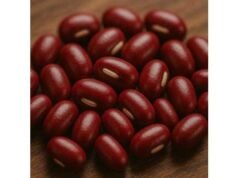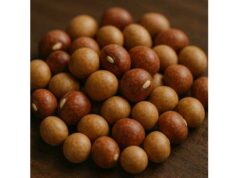
Fava beans—also called broad beans—have nourished people for millennia from the Mediterranean to East Asia. Their appeal is simple: tender green pods in spring, hearty dried beans year-round, and a mild, nutty flavor that fits into salads, stews, dips, and grain bowls. Nutrition-wise, they deliver plant protein, fiber, folate, iron, potassium, and several hard-to-get minerals in one affordable package. They also stand out among legumes for containing natural levodopa (L-dopa), a dopamine precursor, and for the well-known caution in people with glucose-6-phosphate dehydrogenase (G6PD) deficiency. In the kitchen, fava beans reward a bit of prep—brief blanching and slipping off the skins—while dried beans shine in long-simmered dishes like ful medames. In the field, the crop enriches soil by fixing nitrogen, making it a favorite in regenerative rotations. This guide gathers what matters most: accurate nutrition per 100 g, evidence-based benefits, who should be careful and why, and practical shopping, storage, and cooking tips to help you enjoy fava beans confidently.
Top Highlights
- High in protein, fiber, folate, and key minerals that support heart and metabolic health.
- Naturally contains levodopa (L-dopa); processing and cooking can reduce levels.
- Typical serving: 100–150 g cooked beans, 3–5 times per week as part of mixed meals.
- Safety caveat: avoid if you or your child has G6PD deficiency; discuss with your clinician if you use MAOIs or levodopa therapy.
- People with known legume allergy or G6PD deficiency should limit or avoid fava beans.
Table of Contents
- Fava beans: detailed overview
- Fava beans nutrition per 100 g
- Fava bean benefits: evidence-based
- Fava beans risks, allergies and interactions
- Selecting fava beans: quality, sustainability and storage
- Cooking fava beans and nutrient retention
- Fava beans portions, comparisons and FAQs
Fava beans: detailed overview
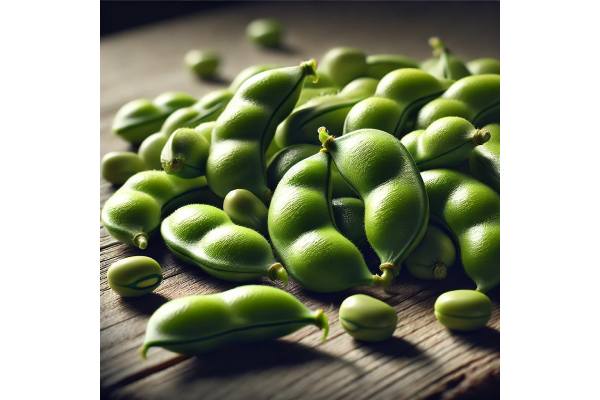
Fava beans (Vicia faba) appear in markets in two main forms. Fresh, young pods arrive in spring: inside the velvety shells, juicy green beans sit in a pale cushion. These “green favas” taste sweet and grassy, and—once skinned—cook in minutes. Dried fava beans are harvested at full maturity, then soaked and simmered like other pulses. Their flavor is earthier and their texture meaty, which makes them ideal for spreads, soups, stews, and protein-packed plant entrées.
Culinarily, fava beans are versatile:
- Fresh: briefly blanched, peeled, and tossed with lemon, olive oil, herbs, and shaved cheese; folded into risotto; scattered over grain salads or spring pastas.
- Dried: the backbone of ful medames, hearty stews, and dips; added to vegetable soups; mashed with garlic and tahini for a rustic spread.
- Flours and protein concentrates: used in gluten-free baking, vegan patties, and high-protein snacks; sometimes blended to improve texture.
Nutritionally, favas deliver complete meal building blocks: ~7–8 g protein, ~5 g fiber, and meaningful amounts of folate, iron, magnesium, copper, and potassium per 100 g cooked. Compared with many other beans, they are notable for L-dopa, naturally occurring at low levels that vary by variety and processing. On the sustainability side, fava beans fix atmospheric nitrogen, reducing synthetic fertilizer needs and improving soil structure. Many farmers plant them as a cool-season cover crop or include them in rotations to lower input costs and greenhouse gas emissions.
Who benefits most? Plant-forward eaters looking to increase protein quality and fiber; people aiming to diversify legumes beyond lentils and chickpeas; and home cooks who want a budget-friendly but flavorful base for meals. Who should be cautious? Individuals with G6PD deficiency, those with a legume allergy, and people using monoamine oxidase inhibitors (MAOIs) or levodopa therapy should read the safety section before adding fava beans regularly.
To enjoy favas with less effort, buy them in season (fresh pods feel heavy for size), or keep peeled frozen beans on hand for quick sautés. For dried beans, soak overnight or quick-soak, then simmer gently until tender; dehulling split favas can reduce cooking time and bitterness. With a few techniques, fava beans become both a weekday staple and a special-occasion ingredient.
Fava beans nutrition per 100 g
The following values refer to cooked, mature fava beans (boiled, without salt) per 100 g. Percent Daily Values (%DV) are based on a 2,000-kcal diet.
Macros & Electrolytes (per 100 g cooked)
| Nutrient | Amount | %DV |
|---|---|---|
| Energy | 110 kcal | – |
| Protein | 7.6 g | 15% |
| Total fat | 0.4 g | 1% |
| Saturated fat | 0.1 g | 0% |
| Carbohydrate | 19.7 g | 7% |
| Dietary fiber | 5.4 g | 19% |
| Total sugars | 1.8 g | – |
| Sodium | 5 mg | 0% |
| Potassium | 268 mg | 6% |
| Water | ~71 g | – |
Minerals (per 100 g cooked)
| Mineral | Amount | %DV |
|---|---|---|
| Calcium | 36 mg | 3% |
| Iron | 1.5 mg | 9% |
| Magnesium | 43 mg | 10% |
| Phosphorus | 125 mg | 10% |
| Zinc | 1.0 mg | 9% |
| Copper | 0.26 mg | 29% |
| Manganese | 0.42 mg | 18% |
| Selenium | 2.6 µg | 5% |
Vitamins (per 100 g cooked)
| Vitamin | Amount | %DV |
|---|---|---|
| Thiamin (B1) | 0.09 mg | 8% |
| Riboflavin (B2) | 0.09 mg | 7% |
| Niacin (B3) | 0.71 mg | 4% |
| Pantothenic acid (B5) | 0.16 mg | 3% |
| Vitamin B6 | 0.07 mg | 4% |
| Folate (DFE) | 104 µg | 26% |
| Vitamin C | 0.3 mg | 0% |
| Vitamin K | 2.9 µg | 2% |
| Choline | 31 mg | 6% |
| Vitamin A (RAE) | 1 µg | 0% |
Fats & Fatty Acids
| Fatty Acid | Amount (g) |
|---|---|
| Monounsaturated | ~0.05 |
| Polyunsaturated | ~0.15 |
| Omega-3 (ALA) | trace |
| Omega-6 (LA) | small |
Protein & Amino Acids (summary)
Fava proteins are rich in lysine and arginine and modest in sulfur amino acids (methionine + cysteine). Pair with grains or seeds to round out the amino acid profile in plant-based diets.
Carbohydrates
Starch dominates; resistant starch and soluble fibers (including some galacto-oligosaccharides) support satiety and gut bacteria. Most of the impact on blood glucose is moderated when favas are eaten in mixed meals with fats and acids (e.g., olive oil, lemon).
Bioactives / Phytonutrients
- Levodopa (L-dopa) naturally present at low mg/100 g levels in beans and seedlings; variable by cultivar, maturity, and processing.
- Polyphenols (e.g., flavonoids) contribute antioxidant activity; amounts vary with variety and processing.
Allergens & Intolerance Markers
Legume proteins can trigger IgE-mediated allergy in a subset of people; fava is less common than peanut/soy but possible. FODMAP content can cause gas/bloating in sensitive individuals; soaking, rinsing, and gradual introduction help.
Anti-nutrients
- Vicine/convicine (pyrimidine glycosides) are benign for most people but can precipitate hemolysis in G6PD deficiency.
- Phytate binds minerals; soaking/cooking reduce levels.
Glycemic & Acid–Base Metrics (contextual)
Fava beans generally have a low glycemic load per 100–150 g serving in mixed meals due to fiber and resistant starch. With their potassium and magnesium, they tend to be base-forming in diet acid–base balance models.
Notes: Values reflect unfortified cooked beans; fortified products (e.g., fava protein beverages) may differ and often include additives such as stabilizers or flavorings—check labels.
Fava bean benefits: evidence-based
1) Heart health and lipids
Replacing refined starches or fatty meats with legumes consistently nudges blood lipids in a favorable direction. Trials and meta-analyses that tested daily portions of beans and peas (roughly 80–150 g cooked) report small but meaningful reductions in total and LDL cholesterol over weeks to months. Mechanistically, viscous fibers and resistant starch lower intestinal cholesterol absorption, and fermentation of fibers to short-chain fatty acids may down-regulate hepatic cholesterol synthesis. Fava beans, like other pulses, fit into this picture as a fiber-rich, low-saturated-fat swap that is easy to repeat several times per week.
2) Folate for cell division and pregnancy
Per 100 g cooked, fava beans provide ~26% of the daily folate requirement. Folate supports DNA synthesis and red blood cell formation. For those limiting animal products, favas help cover baseline needs alongside leafy greens and fortified grains. Because folate requirements rise in pregnancy, fava beans can contribute, though they do not replace prenatal folic acid supplements where recommended.
3) Blood pressure and potassium
A typical serving (100–150 g) yields ~270–400 mg potassium with negligible sodium. Higher potassium intakes support normal blood pressure by counterbalancing sodium and aiding vascular function. Incorporating fava beans into DASH-style plates—think beans + vegetables + whole grains—contributes to a more favorable sodium–potassium ratio.
4) Satiety, weight management, and glycemic control
Protein plus fiber is a reliable satiety combination. Meals built around pulses are linked with improved fullness ratings, smaller subsequent intakes, and modest improvements in fasting glucose in trials of mixed-legume diets. For people managing weight or blood sugar, placing fava-based dishes at lunch or dinner can reduce snacking pressure later in the day, while the low glycemic load supports steadier post-meal glucose.
5) Muscle, recovery, and plant protein quality
At ~7–8 g protein per 100 g cooked, favas are not as dense as meat but provide high-quality plant protein with ample lysine. Pairing with grains (e.g., bulgur, farro, rice) complements methionine and cysteine, supporting maintenance of lean mass in plant-forward diets. Fava protein concentrates (used in alt-meats and shakes) offer higher protein per serving; check for fortification and sodium content.
6) L-dopa: a distinctive attribute
Fava beans contain levodopa, a precursor of dopamine. Research documents rises in plasma L-dopa after fava ingestion and symptom relief in small Parkinson’s cohorts, but responses are variable and dosing is unpredictable from food. Cooking, variety, maturity, and processing can lower L-dopa content, and food-drug interactions are possible. For people on prescription levodopa or MAOIs, clinical guidance is essential; see the Safety section for details.
7) Digestive and microbiome support
Fava fibers (including galacto-oligosaccharides) are fermented by colonic bacteria into short-chain fatty acids such as butyrate, which nourish colonocytes and may support a diverse microbiome. If gas or bloating occurs, slow titration, soaking dried beans, and using spices like cumin or asafoetida often improve tolerance.
Bottom line: Regularly swapping fava beans for more refined or fatty options supports cholesterol, satiety, and nutrient density. Their unique L-dopa content is biologically notable, but it should not be used as a DIY medical therapy without clinician oversight.
Fava beans risks, allergies and interactions
G6PD deficiency (favism): the key caution
Fava beans contain vicine and convicine, glycosides that can generate oxidative byproducts (divicine, isouramil). In individuals with glucose-6-phosphate dehydrogenase (G6PD) deficiency, these compounds may trigger acute hemolysis—a medical emergency. Symptoms include sudden fatigue, pallor or jaundice, dark urine, rapid heart rate, shortness of breath, and back or abdominal pain. In breastfed infants with G6PD deficiency, maternal ingestion has been associated with severe hemolytic events. If you or your child has G6PD deficiency, avoid fava beans and products made from them. Families with Mediterranean, Middle Eastern, African, or Southeast Asian ancestry—where G6PD variants are more prevalent—should be especially aware.
Allergy and cross-reactivity
Legume allergy to peanut or soy does not automatically mean fava bean allergy, but cross-sensitization can occur. Diagnosed legume-allergic individuals should introduce fava beans only with allergy guidance. Fava protein isolates and flours appear in more packaged foods; strict label reading is essential for those with legume allergies.
Medication interactions
- MAOI therapy: Tyramine in some foods can precipitate hypertensive crises in people taking classic MAOIs. Fava beans can contain varying tyramine levels that decline with blanching, cooking, and processing. If you use an MAOI, follow your clinician’s low-tyramine diet and discuss whether fava beans fit your plan.
- Levodopa/carbidopa: Because fava beans contain L-dopa, eating them near dosing may alter overall exposure. Some people report better “on” time; others experience fluctuations. Coordinate with your neurology team; do not self-adjust medications.
- Iron overload or anemia workups: Fava beans contain iron but can also complicate interpretation if hemolysis is suspected in G6PD deficiency. Share your diet history with your clinician.
Digestive tolerance
Gas and bloating are common with rapid increases in legumes due to fermentable oligosaccharides. Strategies: soak dried beans with a fresh-water rinse before cooking, cook until very tender, start with ½ cup cooked portions, and consider dehulled split favas for easier digestion.
Pregnancy and breastfeeding
For most people, fava beans are safe and nutrient-dense. The exception is known or suspected G6PD deficiency in the infant (or mother). In that scenario, avoid fava beans during breastfeeding because hemolysis in a G6PD-deficient infant has been reported after maternal intake.
Food safety and contaminants
As with other pulses, keep dried beans dry, cool, and insect-free; cook thoroughly to improve digestibility and reduce anti-nutrients. Choose reputable brands to minimize pesticide residue risks; a rinse and soak reduce surface residues and sodium in canned products.
Who should limit or avoid
- Anyone with G6PD deficiency (self or breastfed infant): avoid.
- Individuals with diagnosed legume allergy: avoid unless cleared by an allergist.
- People on MAOIs or levodopa therapy: seek medical guidance before regular use.
- Those with severe IBS may need to moderate portions or choose dehulled forms.
Selecting fava beans: quality, sustainability and storage
Fresh (green) fava beans
- Season: spring to early summer.
- What to look for: plump, heavy pods with bright green color; avoid limp, yellowing, or bulging pods (over-mature).
- Yield tip: expect ~25–35% shelled yield by weight after double-shelling (pod + skin). Buy more than you think you need.
Dried fava beans
- Whole vs split: whole beans hold shape; split/dehulled cook faster and suit purées and soups.
- Appearance: uniform size, intact skins, matte finish without cracks or insect damage.
- Age matters: older beans take longer to soften. Prefer recent harvests from vendors with good turnover.
Canned and frozen
- Canned: convenient; check sodium and additives; rinse 10–20 seconds to remove excess sodium and surface oligosaccharides.
- Frozen: peeled green favas are excellent for quick sautés; flavor is often superior to out-of-season fresh pods.
Storage
- Fresh pods: refrigerate unwashed in a breathable bag, use within 2–3 days.
- Shelled green beans: blanch 1–2 minutes, shock, dry, and freeze in a single layer before bagging for up to 6 months.
- Dried beans: store in airtight containers in a cool, dark place for up to 1 year; avoid humidity and heat.
- Cooked beans: refrigerate 3–4 days; freeze up to 3 months in meal-size portions with a bit of cooking liquid to prevent drying.
Sustainability
Fava beans are a climate-friendly choice. As cool-season legumes, they reduce fertilizer needs through biological nitrogen fixation, support biodiversity in rotations, and can serve as pollinator resources when allowed to flower. Choosing regionally grown favas and bulk dried beans reduces packaging and shipping impacts. If you garden, inoculate seeds with Rhizobium for best nodulation and soil benefits.
Quality troubleshooting
- Hard, mealy texture after cooking: beans may be old; extend soaking, cook longer at a gentle simmer, add a pinch of baking soda to soften hard water.
- Bitterness: often from skins or over-mature beans; double-peel or choose younger beans.
- Off-flavors in canned beans: rinse well; finish with lemon, herbs, and good olive oil.
Label reading for processed products
In fava flours, pasta, protein isolates, and ready-to-drink blends, scan for sodium, added sugars, and fortification (B-vitamins, minerals). If you have a legume allergy, check for clear source labeling (“fava,” “broad bean,” “Vicia faba”).
Cooking fava beans and nutrient retention
Fresh green favas (double-peel method)
- Shell the pods to free the beans.
- Blanch beans in boiling water 60–90 seconds; shock in ice water.
- Slip off skins by pinching the blunt end.
- Finish: sauté 2–4 minutes with olive oil, garlic, and herbs; season with lemon and salt.
Why it works: Quick blanching loosens skins without overcooking the interior, preserving color, vitamin C (small), and texture. Skins can taste bitter when beans are more mature; removing them improves flavor and digestibility.
Dried whole or split favas
- Soak 8–12 hours (or quick-soak: 2 minutes boil + 1 hour sit); drain and rinse.
- Cook at a gentle simmer in fresh water with aromatics; avoid acid and salt until tender (acid firms skins).
- Timing: split/dehulled, ~30–45 minutes; whole, 60–90+ minutes depending on age.
- Salt and acid near the end** to season and brighten.
Nutrient retention strategies
- Keep cooking liquid: water-soluble nutrients (folate, some B-vitamins, potassium) leach into broth; use it in soups or purées.
- Al dente vs very soft: softer textures are easier to digest but slightly lower in heat-labile vitamins; balance based on your needs.
- Pressure cooking: shortens time and preserves minerals; use natural pressure release to avoid skin rupture.
Managing anti-nutrients and bioactives
- Soaking and boiling reduce phytate and vicine/convicine and can lower tyramine and L-dopa levels in the final dish. Dehulled split favas remove a portion of these compounds with the skin.
- Fermentation (e.g., with tempeh cultures) can further diminish vicine/convicine and L-dopa, though it also changes flavor and texture; this is more relevant to specialty products than home kitchens.
- Baking soda: tiny amounts (⅛ tsp per liter) in hard water can shorten cooking, but excess causes mushy textures and soapiness—use sparingly.
Flavor builders that respect nutrition
- Mediterranean: olive oil, garlic, cumin, coriander, lemon, dill, mint, parsley.
- Levantine: tahini, lemon, cumin, chili oil (for ful medames style).
- Italian: pecorino, pancetta (optional), artichokes, spring onions, fennel.
- North African: harissa, preserved lemon, cilantro.
Safety cues during prep
- If you or a child has G6PD deficiency, do not taste fava beans during cooking.
- For legume-sensitive eaters, start with small portions (½ cup) and build tolerance over 2–3 weeks.
Fava beans portions, comparisons and FAQs
Recommended portions and frequency
- Everyday use: 100–150 g cooked (about ½–¾ cup for dried; 1 cup for green favas) per serving.
- Weekly rhythm: 3–5 servings of legumes total across the week (mixing fava, lentils, chickpeas, etc.) fits most heart-healthy patterns.
- Athletes or higher-energy needs: pair 150–200 g cooked favas with grains to reach 20–30 g protein per meal.
How do fava beans compare with other legumes?
- Versus chickpeas: favas have slightly fewer calories per 100 g cooked, similar protein, and more copper and folate per ounce-equivalent. Chickpeas offer more fat (still low) and a slightly creamier texture.
- Versus lentils: lentils cook faster without soaking; favas contribute more potassium per serving and a distinct, meaty bite in stews.
- Versus soybeans/edamame: soy is much higher in protein and fat; favas are leaner with a more neutral flavor and no isoflavone concentration.
- Versus peas: peas are sweeter and lower in protein; favas are heartier and better for spreads and stews.
FAQs
- Do I need to double-peel every time?
Not always. Very young green favas can be eaten with skins after a brief sauté. As beans mature, skins become tougher and more bitter—double-peeling improves texture and taste. - Can I eat fava beans if I have a legume allergy but tolerate lentils?
Proceed only with allergy guidance. Cross-sensitization occurs in a subset of people; your allergist can advise based on testing and history. - Are canned fava beans healthy?
Yes, especially if you rinse them. Choose low-sodium options when possible and dress with olive oil, lemon, and herbs for quick meals. - Do fava beans raise or lower blood sugar?
In mixed meals, favas typically yield a low glycemic load thanks to fiber and resistant starch. Portion control and the overall plate (fats, acids, proteins) matter more than any single food. - Should people with Parkinson’s disease use fava beans as therapy?
No self-treatment. While favas contain L-dopa, the amount is variable and altered by cooking. Discuss any dietary changes with your neurology team if you take levodopa/carbidopa or MAOIs. - How can I reduce gas?
Soak, rinse, cook until soft, start with smaller servings, and consider dehulled split favas. Spices like cumin, fennel, and asafoetida may help.
A 1-minute meal idea
Warm rinsed canned favas in a skillet with olive oil and garlic, mash lightly, and finish with lemon, cumin, chopped parsley, and a drizzle of tahini. Serve on whole-grain toast with tomato and pepper flakes.
References
- FoodData Central 2025 (Database)
- Nutrition Facts for Cooked Broad Beans (Fava) 2025
- Fava Beans – Drugs and Lactation Database (LactMed®) 2024 (Guideline)
- Favism: Clinical Features at Different Ages 2023 (Review)
- Substantial Depletion of Vicine, Levodopa, and Tyramine in Thermally Processed Vicia faba Beans 2021 (Study)
- A Scoping Review for Nordic Nutrition Recommendations 2023: Health effects of legumes 2023 (Systematic Review)
- A Comparison of Dry Bean and Pea Consumption on Serum Cholesterol: A Randomized Controlled Trial in Adults with Mild Hypercholesterolemia 2024 (RCT)
- The Prescriber’s Guide to the MAOI Diet—Thinking Through Tyramine Restrictions 2021 (Guideline)
Medical Disclaimer
This article provides general nutrition and safety information for educational purposes and is not a substitute for personalized medical advice, diagnosis, or treatment. Fava beans can be dangerous for people with G6PD deficiency and may interact with MAOIs and levodopa therapy. Always consult your healthcare professional before making dietary changes if you have a medical condition, take prescription medications, are pregnant or breastfeeding, or plan to feed fava beans to infants or young children.
If you found this useful, please consider sharing it with friends or colleagues on Facebook, X (formerly Twitter), or any platform you prefer. Your support helps us continue creating high-quality, evidence-based nutrition guides.