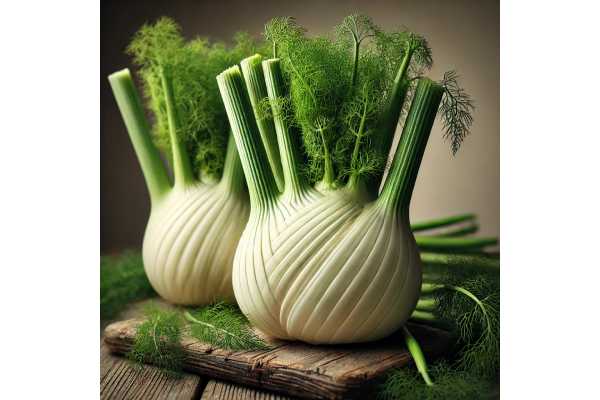
Fennel is one of those vegetables that quietly does a lot for your plate and your health at the same time. Its crisp, pale-green bulb, feathery fronds, and aromatic seeds all bring a gentle anise-like flavor that works in salads, soups, roasted dishes, herbal teas, and spice blends. As a vegetable, fennel is naturally low in calories yet provides useful amounts of fiber, potassium, vitamin C, and vitamin K, along with a range of antioxidant plant compounds. As a traditional herbal ingredient, fennel seeds and extracts have long been used for digestive comfort, menstrual symptoms, and infant colic, although modern evidence is still evolving. At the same time, questions around certain natural compounds in fennel have raised reasonable safety concerns about heavy or long-term use of concentrated preparations, especially in infants and young children. This article walks you carefully through fennel’s nutrition, benefits, risks, and practical ways to use it with confidence.
Top Highlights
- Raw fennel bulb is low in calories and carbohydrates while providing fiber, potassium, vitamin C, and vitamin K per 100 g serving.
- Fennel’s phytonutrients and essential oils may support digestion, menstrual comfort, and metabolic health, though human data are still developing.
- A practical serving for most adults is around 1 cup (80–100 g) raw or cooked fennel bulb, several times per week within a varied diet.
- People with allergies to celery, carrot, or related plants, or with hormone-sensitive conditions, should be cautious with fennel seeds and concentrated extracts.
- Infants and young children should not be given regular fennel seed teas or drops because of concerns about exposure to certain aromatic compounds and uncertain safety margins.
Table of Contents
- Fennel Basics and Culinary Uses
- Fennel Nutrition Profile per 100 Grams
- Science Based Health Benefits of Fennel
- Fennel Risks Allergies and Interactions
- Choosing Storing and Sustainable Fennel
- Cooking Fennel and Preserving Nutrients
- Fennel Portions Comparisons and FAQs
Fennel Basics and Culinary Uses
Fennel (Foeniculum vulgare) is a member of the Apiaceae family, which also includes celery, carrot, and parsley. The type most people see in supermarkets is Florence fennel, grown for its swollen, layered bulb at the base of the stalks. The entire plant is edible: bulb, stalks, feathery fronds, and seeds. The flavor is mildly sweet and reminiscent of licorice or anise, yet it softens and becomes more subtle with cooking.
As a vegetable, fennel bulb is highly versatile. Thinly sliced and served raw, it adds crunch and a refreshing, aromatic lift to salads, slaws, and crudité platters. When sautéed, braised, or roasted, it becomes tender and mellow, pairing well with citrus, olive oil, fish, poultry, lentils, and whole grains. The fronds can be used as a fresh herb, sprinkled over dishes much like dill, or blended into sauces and pestos to capture their perfume without adding heaviness.
Fennel seeds tell a related but distinct story. They concentrate some of the same aromatic compounds found in the bulb and are widely used as a spice in Indian, Middle Eastern, Mediterranean, and European cooking. You will find them in sausages, spice rubs, breads, liqueurs, and herbal teas. Traditional uses include supporting digestion after meals, freshening breath, and easing menstrual or menopausal complaints.
From a practical standpoint, fennel is an easy way to increase your vegetable variety. One bulb can be stretched across several meals: the core for roasting or braising, outer layers for salads, and fronds for garnish. It stores reasonably well in the refrigerator, which makes it a helpful “bridge” vegetable between weekly shops. Because it is low in calories and rich in flavor, fennel also works well in weight-conscious cooking, where you want volume and satisfaction without relying heavily on dense starches or added fats.
Fennel Nutrition Profile per 100 Grams
Most figures in this section refer to raw fennel bulb, per 100 g edible portion. Values and Daily Value (DV) percentages are approximate and can vary slightly by source and growing conditions, but they illustrate fennel’s overall nutritional pattern.
Macros and Electrolytes (per 100 g raw fennel bulb)
| Nutrient | Amount per 100 g | % DV* |
|---|---|---|
| Energy | 31 kcal | 2% |
| Water | 90.2 g | – |
| Protein | 1.2 g | 2% |
| Total fat | 0.2 g | <1% |
| Carbohydrates (total) | 7.3 g | 3% |
| Dietary fiber | 3.1 g | 11% |
| Sugars (total) | ~3.4–3.9 g | – |
| Sodium | 45–52 mg | 2% |
| Potassium | ~360–414 mg | 8–12% |
*DV based on a 2,000 kcal diet.
Fennel is therefore a low-energy, low-fat vegetable that still offers meaningful fiber and potassium. Its carbohydrate content is modest, and thanks to the fiber, its estimated glycemic index and glycemic load are low, making it suitable for most people, including many who need to manage blood glucose, when eaten in typical culinary portions.
Vitamins (per 100 g raw fennel bulb)
| Vitamin | Amount per 100 g | % DV |
|---|---|---|
| Vitamin C (ascorbic acid) | ~10–12 mg | 11–13% |
| Vitamin A (as retinol activity equivalents) | ~40–50 µg RAE | 4–6% |
| Vitamin K | ~55–63 µg | 46–52% |
| Folate (total) | ~23–27 µg | 6–7% |
| Vitamin E (alpha-tocopherol) | ~0.5 mg | 3% |
| Thiamin (B1) | 0.01–0.02 mg | 1–2% |
| Riboflavin (B2) | 0.03 mg | 2% |
| Niacin (B3) | ~0.6 mg | 4% |
| Vitamin B6 | 0.04 mg | 2% |
| Pantothenic acid (B5) | 0.2 mg | 4% |
Vitamin K is the standout here, supporting normal blood clotting and bone health. Vitamin C supports immune function, antioxidant defenses, and collagen formation, while folate contributes to normal cell division. Fennel does not provide vitamin B12 or vitamin D, so it cannot replace animal sources or fortified foods for those nutrients.
Minerals (per 100 g raw fennel bulb)
| Mineral | Amount per 100 g | % DV |
|---|---|---|
| Calcium | ~40–49 mg | 3–5% |
| Magnesium | 14–17 mg | 4% |
| Phosphorus | 43–50 mg | 3–7% |
| Iron | 0.6–0.7 mg | 3–9% |
| Zinc | 0.17–0.2 mg | 2% |
| Copper | ~0.06–0.1 mg | 6–11% |
| Manganese | ~0.17–0.2 mg | 7–9% |
| Selenium | ~0.6–1 µg | 1–2% |
While fennel is not a major source of any single mineral, it provides a gentle mix of several, including calcium and manganese, which complement its vitamin K in supporting bone-related pathways. Potassium content is relatively high for the calorie level, which suits blood-pressure-conscious eating patterns.
Phytonutrients and Other Components
Fennel contains a variety of aromatic compounds and polyphenols, particularly in the seeds and essential oil. Key components include anethole, fenchone, and other terpenes, as well as flavonoids and phenolic acids that show antioxidant and smooth-muscle-relaxing effects in experimental models. The bulb contains lower concentrations than the seeds but still contributes some of these molecules, together with carotenoids and chlorophyll.
Glycemic and Acid–Base Metrics
Per 100 g, fennel’s estimated glycemic load is low. Its potential renal acid load (PRAL) is slightly negative, meaning it has a mild alkalizing effect on acid–base balance when considered within the context of the whole diet.
Science Based Health Benefits of Fennel
Fennel’s health story combines long-standing traditional use with growing, but still limited, clinical research. Many physiological effects appear to come from its fiber, potassium, and vitamin content, together with essential oils and polyphenols found mainly in the seeds.
Digestive comfort and gas relief
Fennel seeds are widely used as a carminative, meaning they help reduce gas and bloating. Laboratory and small human studies suggest that fennel preparations can relax smooth muscle in the gut and may help food move more comfortably through the digestive tract. This is likely related to compounds such as anethole and fenchone, which influence gut motility and spasm.
Fennel bulb, while less concentrated than seeds, still contributes gentle fiber and aromatics that many people find soothing in meals. Using fennel in salads, soups, or as a side dish can be a simple culinary strategy to support digestive comfort, especially when it replaces heavier, high-fat sides.
Menstrual and menopausal symptoms
Several controlled trials have evaluated fennel extracts or oils for primary dysmenorrhea (painful periods) and premenstrual symptoms. Many of these trials report reduced pain intensity and improvement in associated symptoms compared with placebo or standard pain relievers, though study sizes are typically small. Early research also suggests potential benefits for menopausal symptom scores, particularly hot flashes and mood, but the evidence is not yet strong enough to draw firm conclusions about long-term use.
Because these studies use concentrated preparations (capsules, drops, or standardized teas), their results do not directly translate to occasional culinary use. They do, however, support the idea that fennel’s bioactive compounds can influence hormonal and smooth-muscle pathways, which may explain some of the traditional uses.
Digestive health and weight management
From a nutrition perspective, fennel bulb is a low-calorie, low-glycemic vegetable with a meaningful amount of fiber. Including foods like fennel in meals can help increase fiber intake, which supports bowel regularity, contributes to satiety, and can assist with healthy body weight over time when part of an overall high-fiber eating pattern.
The combination of volume, crunch, and mild sweetness makes fennel helpful in building filling salads and vegetable dishes that do not rely heavily on refined starches. For example, pairing sliced fennel with beans, whole grains, or fish creates meals that are both satisfying and relatively modest in energy density.
Cardiometabolic markers
Fennel’s potassium content supports blood-pressure-friendly patterns such as Mediterranean-style eating, especially when used alongside other vegetables, legumes, and whole grains. Its fiber and antioxidant polyphenols may help reduce oxidative stress and modestly support lipid and glucose metabolism, particularly when fennel substitutes for more refined or salty side dishes.
Bone and connective-tissue support
Fennel provides vitamin K, calcium, manganese, and vitamin C, all of which play roles in bone metabolism and connective tissue health. Regularly including vitamin-K-rich vegetables like fennel can support bone-friendly eating patterns, especially when combined with weight-bearing activity and adequate overall nutrient intake. Fennel alone will not determine bone health but contributes as part of the bigger dietary picture.
Overall, fennel looks most promising as:
- A gentle aid for digestive comfort and post-meal bloating.
- A complementary option for menstrual discomfort in adults when used under professional guidance.
- A nutrient-dense, low-energy vegetable that supports high-fiber, plant-forward eating patterns.
Fennel Risks Allergies and Interactions
For most healthy adults, eating fennel bulb as a vegetable in normal food amounts is considered low risk. However, certain groups and uses require more caution, especially with fennel seeds, essential oils, and medicinal preparations.
Allergy and cross-reactivity
Fennel belongs to the Apiaceae family, which includes celery, carrot, and some common pollens. People who are allergic to these plants may experience cross-reactions with fennel. Symptoms can include oral itching or tingling, hives, swelling, or, in rare cases, more severe reactions. Anyone with a history of plant-food allergy or pollen–food syndrome involving this family should treat fennel carefully and seek medical advice if they notice symptoms after eating it.
Skin sensitivity
Many Apiaceae plants contain compounds that can make the skin more sensitive to sunlight and cause rashes on contact. Available analyses suggest that fennel’s content of these compounds in the bulb is relatively low for ordinary food use, especially when cooked. Normal kitchen handling and cooking are therefore unlikely to cause problems, but people with very sensitive skin may prefer to rinse hands after handling large quantities of raw fennel.
Estragole, concentrates, and vulnerable groups
Estragole is an aromatic compound naturally present in fennel, especially in seeds and essential oil. High doses in animal studies have shown genotoxic and carcinogenic effects. Safety evaluations generally conclude that occasional culinary use of fennel as food is unlikely to pose a problem in adults. However, long-term or high-dose exposure from concentrated herbal teas, syrups, or oils may not have a wide safety margin for babies and small children.
Because of this, several expert groups advise against regular use of fennel seed teas and drops in infants or young children. Similar caution is recommended in pregnancy and breastfeeding when it comes to concentrated fennel preparations, because reliable long-term human safety data are limited. Culinary use of fennel bulb in normal portions is generally viewed as acceptable unless otherwise advised by a clinician.
Hormone-sensitive conditions
Fennel contains compounds with mild estrogen-like or hormone-modulating activity in experimental systems. While the clinical relevance at typical dietary intakes is not fully clear, people with hormone-sensitive conditions (such as certain breast, uterine, or ovarian cancers, or endometriosis) are often advised to be cautious with concentrated fennel supplements or medicinal teas and to discuss them with their specialist. Culinary use of fennel bulb in moderate amounts is usually acceptable unless a specific medical reason exists to avoid it.
Drug interactions and essential oils
Fennel extracts and essential oils can influence drug-metabolizing enzymes in laboratory systems. Although firm clinical interaction data are limited, there is a theoretical potential for fennel supplements or oils to affect the levels of certain medications. People taking multiple prescriptions, narrow-therapeutic-index drugs, or those with liver disease should avoid self-prescribing concentrated fennel products and instead seek individualized advice. Normal dietary use of fennel bulb or small amounts of seeds as a spice is very unlikely to cause significant drug interactions.
Choosing Storing and Sustainable Fennel
How to choose high-quality fennel bulbs
When selecting fennel bulbs at the market:
- Look for bulbs that are firm, heavy for their size, and free from soft spots.
- Prefer bulbs that are pale white to light green with tightly layered “sheets,” not split or cracked.
- Check that fronds are fresh, feathery, and bright green, with a clean, pleasant aroma.
- Avoid bulbs with very dry, rubbery stalks, dark bruises, or an off smell, as these signals often indicate age or poor storage.
Smaller to medium bulbs tend to be more tender and less fibrous, making them ideal for raw salads and quick cooking. Larger bulbs are still useful for slow braises, soups, and roasting, where longer cooking will soften the tougher fibers.
Storage and shelf life
At home:
- Remove any limp or browned stalks, leaving a short stem attached to the bulb.
- Store the bulb in the refrigerator, loosely wrapped in a breathable produce bag or cloth to limit moisture loss.
- Keep it in the crisper drawer where humidity is higher.
- Use within 5–7 days for best texture and flavor, though very fresh bulbs may last slightly longer.
Fronds can be trimmed and stored separately in a small container with a damp towel or in a glass of water in the refrigerator, then used as an herb within a few days. Fennel seeds keep well in airtight containers in a cool, dark place for many months while retaining their aroma.
Sustainability and environmental considerations
Fennel is typically grown as an annual crop in temperate and Mediterranean climates and can fit well into crop rotations and diversified farms. From a sustainability perspective:
- Favor locally grown fennel in season to reduce transport distance and support freshness.
- Consider organic or integrated-production options if you want to limit synthetic pesticide exposure.
- Use the whole plant whenever possible: bulb, stalks, and fronds. Stalks can flavor stocks and broths, while fronds double as an herb or garnish.
Fennel seeds are often imported from regions where they are a traditional crop. Buying from companies that share information about sourcing, labor practices, and residue testing can help align fennel seed use with broader environmental and ethical goals.
Cost and availability
In many regions, fennel is moderately priced and widely available during cooler months. Using fennel strategically—pairing it with beans, grains, and more common vegetables—can turn it into a flavor “booster” without dramatically raising meal costs.
Cooking Fennel and Preserving Nutrients
Fennel’s flavor and nutrition both respond to how you cut and cook it. A few techniques can help you maintain good texture while preserving vitamins and phytonutrients.
Basic preparation
- Trim off the stalks where they meet the bulb; reserve stalks and fronds.
- Slice a thin piece off the base to remove dried root material, keeping enough so the layers stay attached if you want wedges.
- Rinse thoroughly, separating any layers that look sandy.
- Cut as desired: thin slices for salads, thicker wedges for roasting or braising, or small cubes for soups and sautés.
The thinner the slice, the faster fennel will soften and the more strongly its aroma comes through in raw dishes.
Cooking methods and nutrient retention
- Raw: Keeping fennel raw preserves vitamin C and volatile compounds that may dissipate with heat. Very thin slices paired with citrus juice, olive oil, and a pinch of salt make a crisp salad that complements richer main dishes.
- Roasting: Roasting at moderate temperatures caramelizes fennel’s natural sugars, deepening sweetness and producing a tender, lightly browned texture. Some vitamin C is lost, but fiber and minerals remain, and the appealing flavor often encourages higher vegetable intake overall.
- Sautéing and braising: Gentle cooking with a small amount of fat and liquid softens fibers and suits people who find raw fennel too assertive. Covering the pan briefly and using minimal water limit nutrient loss into cooking juices, which are typically eaten as part of the dish.
- Steaming: Light steaming preserves more vitamin C and folate than prolonged boiling while still softening the bulb enough for purées or side dishes.
As with most vegetables, shorter cooking times, minimal water, and consuming the cooking liquid are simple strategies to retain water-soluble vitamins.
Using fronds and stalks
- Fronds can be chopped and added at the end of cooking, stirred into grain salads, or blended into sauces and dressings for aroma and color.
- Stalks can flavor stocks, broths, and poaching liquids for fish or chicken and then be discarded after they have released their flavor.
Using these parts increases nutrient density per dollar and reduces kitchen waste.
Fennel seeds and teas
Culinary use of fennel seeds—small amounts in spice mixes, breads, or sprinkled over dishes—is generally considered acceptable in adults. When people use fennel tea for digestive comfort:
- Adults often tolerate a cup after meals for short periods, unless they have a specific allergy or medical reason to avoid it.
- Children, pregnant people, and anyone on multiple medications should discuss regular use of medicinal-strength teas or extracts with a healthcare professional because of concerns about long-term concentrated exposure and potential interactions.
Fennel Portions Comparisons and FAQs
Typical portion sizes
For most adults, a practical serving of fennel bulb is:
- About 1 cup raw, thinly sliced (roughly 80–100 g), or
- About ½–1 cup cooked, depending on the recipe.
This serving provides around 25–35 kcal, 2–3 g of fiber, and a helpful dose of potassium, vitamin C, and vitamin K. Many people can comfortably include fennel two to four times per week as part of a varied vegetable intake, increasing or decreasing based on preference, tolerance, and overall diet.
How fennel compares with similar vegetables
- Versus celery: Both share crisp texture and low calories, but fennel usually has a stronger aroma and often more vitamin C and potassium per gram. Celery may be slightly higher in sodium.
- Versus leeks or onions: Fennel is typically lower in calories and carbohydrates than cooked onions and has a different aromatic profile. Onions and leeks offer more sulfur-containing compounds, while fennel provides more vitamin K and a different set of polyphenols.
- Versus fennel seeds: Seeds are much more concentrated in fiber, minerals, and volatile oils per gram and are used in much smaller quantities as a flavoring. Their pharmacological impact can be greater because of this concentration, especially when used as teas or extracts, even though the nutrient contribution from typical culinary sprinkles is modest.
Who may benefit most from including fennel?
- People seeking to increase overall vegetable variety and fiber intake.
- Those following Mediterranean-style, plant-forward, or heart-conscious eating patterns.
- Adults looking for gentle culinary strategies to support digestion and satiety.
- Individuals who enjoy aromatic, anise-like flavors and want to broaden their cooking repertoire.
Who should limit or avoid fennel?
- Anyone with a known allergy to fennel, celery, carrot, or related plants.
- Infants and young children, regarding fennel seed teas or concentrated drops, due to safety concerns about certain aromatic compounds in high or long-term doses.
- People with hormone-sensitive conditions or those taking multiple medications, when considering fennel supplements, oils, or long-term medicinal teas.
- Pregnant and breastfeeding individuals, specifically regarding high-dose fennel products, unless advised otherwise by their clinician. Culinary use of fennel bulb in moderate amounts is usually acceptable.
Quick practical tips
- Combine raw fennel with orange segments, olives, and olive oil for a simple salad.
- Roast fennel wedges with carrots and chickpeas as a side or warm salad base.
- Add chopped fennel bulb to tomato-based soups or fish stews for extra depth.
- Use fronds like a soft herb to finish dishes that need a fresh, aromatic note.
These simple ideas help you enjoy fennel’s flavor and nutritional value without needing complex recipes.
References
- Fennel nutrition: calories, carbs, GI, protein, fiber, fats 2025 (Data summary and nutrient profile).
- Fennel, bulb, raw: Glycemic Index (GI), Glycemic Load (GL) and Nutrition Facts 2023 (Glycemic and nutrient data).
- Fennel and Fennel Seeds: Nutrition and Benefits 2024 (Overview of nutrition, benefits, and safety).
- Foeniculum vulgare as Valuable Plant in Management of Female Reproductive System Disorders 2019 (Systematic review).
- Can Estragole in Fennel Seed Decoctions Really Be Considered a Danger for Human Health? 2012 (Safety assessment of estragole in fennel preparations).
Disclaimer
The information in this article is intended for general education and should not be used as a substitute for personalized medical advice, diagnosis, or treatment. Nutritional needs, food tolerances, and health risks vary from person to person, especially in the presence of medical conditions, pregnancy, breastfeeding, or medication use. Always discuss significant dietary changes, use of herbal preparations, or questions about food safety with a qualified healthcare professional who knows your individual medical history.
If you found this article helpful, you are warmly invited to share it with others on Facebook, X (formerly Twitter), or any platform you prefer. Thoughtful sharing helps more readers access balanced, evidence-informed nutrition guidance and supports the ongoing work required to produce high-quality content like this.