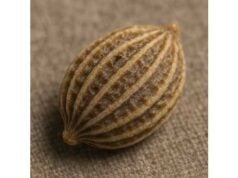
Fennel seeds—the aromatic dried fruits of Foeniculum vulgare—taste sweet, warm, and slightly licorice-like. They’re a staple in Indian, Middle Eastern, and Mediterranean kitchens: toasted in tempering oils, cracked into pickles, folded into sausages and breads, or chewed after meals as a breath-freshening mukhwas. Beyond flavor, fennel seeds pack striking nutrient density for a spice. Per 100 g they contain substantial fiber and minerals (especially calcium, iron, and magnesium), while their essential oil features anethole, fenchone, and estragole, compounds that drive the signature aroma and underpin traditional digestive uses. In day-to-day cooking, the amounts are small—but regular pinches can make wholesome meals taste great while nudging up fiber and micronutrients. This guide translates the science and kitchen wisdom into clear steps: how fennel seeds differ from other anise-like spices, what the per-100-g and per-teaspoon numbers look like, where evidence supports benefits, who should be cautious, and the best ways to buy, store, and cook them without losing their delicate top notes.
Key Takeaways
- Notable nutrients per 100 g: high fiber (~39 g), calcium (~1,200 mg), iron (~18 mg), magnesium (~380 mg), potassium (~1,700 mg).
- Typical culinary serving: ½–1 teaspoon (1–2 g) once or twice daily in meals or teas; very low glycemic load.
- Safety note: avoid concentrated essential oil and high-dose extracts in pregnancy or for infants; stick to culinary amounts.
- Limit or avoid if you have pollen-food allergy syndrome (birch/mugwort–celery–spice) or a confirmed Apiaceae spice allergy.
Table of Contents
- Fennel Seeds: Detailed Overview
- Fennel Seeds Nutrition Profile
- Evidence-Based Health Benefits
- Risks, Allergies and Interactions
- Selecting, Quality, Sustainability and Storage
- Preparation, Cooking and Nutrient Retention
- Portions, Comparisons and FAQs
Fennel Seeds: Detailed Overview
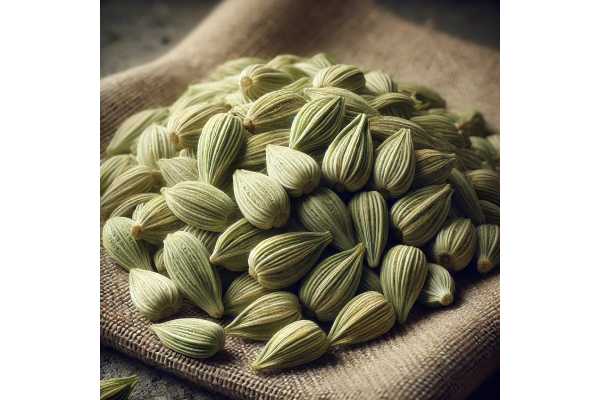
Fennel seeds are elongated, ribbed fruits from the flowering umbel of Foeniculum vulgare, a hardy Mediterranean herb in the Apiaceae family (with cumin, coriander, dill, caraway, anise, and celery). Two culinary types appear in spice shops: sweet fennel (milder, anethole-forward) and bitter fennel (more fenchone, a touch more menthol-bitter). Both are edible; the balance of aroma varies by cultivar, climate, and harvest timing.
Flavor chemistry and why technique matters. The essential oil is rich in anethole (sweet, licorice-like), fenchone (cooling, slightly bitter), estragole (sweet, herbal), and limonene (citrus). These volatiles are heat-sensitive. Short, gentle toasting unlocks aroma; long, high heat drives off anise-sweet top notes and exposes fenchone’s bitterness. That’s why fennel often appears in tempering (hot oil, very brief sizzle), dry toasting followed by grinding, or late additions to stews and sauces.
Culinary roles across cuisines.
- South Asia: whole seeds in tarka, panch phoron, pickles; candied fennel (mukhwas) after meals.
- Middle East/North Africa: in breads, lamb rubs, preserved lemon dressings.
- Mediterranean: with pork and sausage, tomato sauces, seafood, and roasted root vegetables.
- Baking and sweets: in biscotti, honey syrups, and spice cookies where a small pinch delivers a clean, perfumed finish.
Nutrition in context. Per 100 g, fennel seeds are mineral-dense, but real-world servings are tiny (1–2 g). Still, habitual use layers in trace calcium, iron, and magnesium while providing fiber and a negligible glycemic load. Just as important, fennel’s sweet-herbal note helps reduce reliance on added sugar and salt in certain dishes.
Bottom line: fennel seeds are a flavor amplifier with stealth nutrition. Buy whole for freshness, toast lightly, grind as needed, and balance with acid (lemon, vinegar) to keep dishes bright rather than candy-sweet.
Fennel Seeds Nutrition Profile
How to read these tables: All values are per 100 g of plain, dried fennel seeds; %DV uses common adult Daily Values for a 2,000-kcal diet. Typical kitchen portions are 1–2 g (½–1 tsp)—scale the numbers accordingly. Natural variation occurs by variety and origin.
Macros & Electrolytes (per 100 g)
| Nutrient | Amount | %DV |
|---|---|---|
| Energy | 345 kcal | — |
| Water | 8 g | — |
| Protein | 15.8 g | 32% |
| Total fat | 14.9 g | 19% |
| Saturated fat | 0.5 g | 3% |
| Monounsaturated fat | 9.9 g | — |
| Polyunsaturated fat | 1.7 g | — |
| Carbohydrate (available) | 52.3 g | 19% |
| Dietary fiber | 39.8 g | 142% |
| Total sugars | 0.0–1.0 g | — |
| Sodium | 88 mg | 4% |
| Potassium | 1,694 mg | 36% |
Carbohydrates (per 100 g)
| Component | Amount | Notes |
|---|---|---|
| Starch | ~50 g | Slowly digested; provides body in doughs and stews |
| Sugars | ~0–1 g | Naturally low |
| Dietary fiber | 39.8 g | Mostly insoluble; contributes to low net carbs |
Vitamins (per 100 g)
| Vitamin | Amount | %DV |
|---|---|---|
| Thiamin (B1) | 0.41 mg | 34% |
| Riboflavin (B2) | 0.35 mg | 27% |
| Niacin (B3) | 6.1 mg | 38% |
| Vitamin B6 | 0.47 mg | 28% |
| Folate (DFE) | 27 µg | 7% |
| Vitamin C | 21 mg | 23% |
| Vitamin E (alpha-tocopherol) | 2.1 mg | 14% |
| Vitamin A (RAE) | 7 µg | <1% |
| Vitamin K | — | — |
Minerals (per 100 g)
| Mineral | Amount | %DV |
|---|---|---|
| Calcium | 1,200 mg | 92% |
| Iron | 18.5 mg | 103% |
| Magnesium | 385 mg | 92% |
| Phosphorus | 487 mg | 39% |
| Potassium | 1,694 mg | 36% |
| Zinc | 3.7 mg | 34% |
| Copper | 1.1 mg | 122% |
| Manganese | 6.5 mg | 283% |
| Selenium | 12 µg | 22% |
Bioactives / Phytonutrients
- Essential oil: dominated by anethole (sweet, anise), with fenchone (cooling/bitter), estragole (herbal), and limonene (citrus).
- Phenolics & flavonoids: present in smaller amounts; composition varies with cultivar and storage.
- Aroma stability: volatiles are heat- and time-sensitive; whole seeds protect them better than pre-ground powders.
Allergens & Intolerance Markers
- Apiaceae family cross-reactivity (birch/mugwort–celery–spice syndrome) may trigger oral symptoms in sensitized individuals.
- FODMAPs: negligible at culinary doses.
Glycemic & Acid–Base Metrics
- Per 1 tsp (≈2 g): ~7 kcal, ~0.8 g carbohydrate with ~0.8 g fiber → ~0 g net carbs, effectively zero glycemic load.
- Slightly alkaline ash; culinary amounts have minimal impact on systemic acid–base balance.
Footnote: Values reflect unfortified seeds, not fennel bulb or fronds. Spice blends may contain salt or sugars—check labels if relevant.
Evidence-Based Health Benefits
1) Flavor that improves diet quality
The most dependable benefit of fennel seeds is culinary: small amounts transform legumes, vegetables, and lean proteins. When meals taste better, people tend to eat more fiber-rich, minimally processed foods and rely less on added sugar and sodium. Fennel’s sweetness and perfume make it ideal for tomato sauces, roasted carrots, and seafood—dishes where a little complexity goes a long way.
2) Fiber and mineral support in tiny doses
Per 100 g, fennel seeds are unusually rich in fiber, calcium, iron, and magnesium. While day-to-day servings are just pinches, regular use still adds incremental fiber and trace minerals—especially when the spice appears in breads, bean dishes, and slaws you cook often. Over a week, those increments accumulate.
3) Digestive comfort traditions with plausible mechanisms
Across cuisines, fennel seed infusions and post-meal chewing are used as carminatives (comfort after gas or heavy meals). Warming, aromatic spices can stimulate saliva and gastric secretions; the essential oil’s anethole and fenchone contribute to the characteristic soothing sensation. This is not a treatment for disease, but many people find culinary amounts helpful for perceived post-meal comfort.
4) Metabolic markers: emerging but mixed
Human studies of fennel typically use seed extracts or oils (not just culinary sprinkles) for several weeks. Some trials report small improvements in lipid profiles or insulin resistance indices, while others find minimal change. Differences in dose, extract composition, and background diet make results inconsistent. The practical reading is modest: enjoy fennel in a balanced diet; treat supplements as experimental unless recommended by a clinician.
5) Flavor-driven sodium reduction
You can often cut recipe salt by 25–50% by blooming ½–1 tsp fennel seeds in oil, then finishing with lemon or vinegar. The fragrant fat carries sweetness and lift, helping lower-sodium meals taste satisfying—a meaningful, behavior-level win for blood pressure.
6) Appetite and oral freshness
Chewing a pinch of fennel after meals freshens breath (anethole’s mint-adjacent character) and offers a lightly sweet finish, which can curb dessert impulses for some people. Candied fennel is common, but plain or lightly toasted seeds deliver the same aromatic payoff with less sugar.
Bottom line: fennel seeds are a culinary nutrition tool—they help you enjoy more plant-forward meals, add incremental fiber and minerals, and may support comfortable digestion for many. For targeted therapeutic effects, evidence is not strong enough to recommend extracts broadly.
Risks, Allergies and Interactions
Pollen–food allergy syndrome (PFAS)
Fennel belongs to Apiaceae. People sensitized to birch or mugwort pollens sometimes react to related foods (celery, carrot, certain spices) with mouth itching, lip tingling, or throat scratchiness—usually mild and improved by cooking. If you have PFAS or a known celery/coriander/caraway allergy, introduce fennel cautiously and consult an allergy-aware clinician.
Essential oil and extracts vs. culinary use
Fennel essential oil and high-dose extracts are not equivalent to the spice jar. Concentrated products can irritate skin/mucosa and may alter drug response or liver enzyme activity. Culinary amounts (½–1 tsp in food) are the default for most people; avoid self-directed essential oil use.
Pregnancy, infants, and lactation
Avoid concentrated oil/extracts in pregnancy and for infants due to limited safety data and the presence of estragole in fennel oil. Culinary quantities in adult food are generally considered compatible with pregnancy and breastfeeding; always discuss individual circumstances with your clinician. Do not give fennel essential oil to infants or young children; for teas or infusions, stick to culinary-strength seed steeps and confirm age-appropriate guidance with a pediatric professional.
Medication considerations
Because some studies explore glycemic and lipid effects of extracts, people on glucose-lowering or lipid-lowering medications should avoid fennel supplements without medical advice. Culinary spice amounts are unlikely to cause clinically relevant changes but remain mindful and monitor as advised.
Contaminants and hygiene
As with all dried spices, quality hinges on drying and storage. Buy from reputable suppliers, keep jars airtight, and avoid sprinkling directly over steaming pots (moisture accelerates spoilage).
When to limit or avoid
- Known Apiaceae spice allergy or PFAS reactions with celery/mugwort-related foods.
- Pregnancy, infants, or breastfeeding, if considering extracts or oils (culinary seed use is the safer default).
- Anyone planning high-dose herbal regimens; seek professional guidance first.
Selecting, Quality, Sustainability and Storage
Choosing well
- Whole vs. ground: Whole seeds retain aroma far longer; grind as needed. Ground fennel is convenient but stales quickly.
- Visual cues: Seeds should be plump, dry, and well-ridged, greenish-tan to brown without dark, oily patches. Excess dust in a bag signals breakage or age.
- Aroma test: Crush a seed—fresh fennel smells sweet-anise with a clean citrus lift. A flat or musty odor means it’s time to replace.
Sweet vs. bitter fennel
Sweet fennel tends to be anethole-forward, ideal for breads, sausages, and sweets. Bitter fennel leans into fenchone, great for savory rubs and pickles. Use your nose: pick the profile that suits your dish.
Label literacy
Pure fennel seeds should list only fennel. Some blends add salt, sugar, or anti-caking agents. If you depend on fennel for lower-sodium cooking, choose single-ingredient jars.
Sustainability
Spices travel, but they store well and reduce food waste by making leftovers desirable. Favor brands with traceable sourcing and fair labor practices. Buying whole seeds in modest amounts minimizes staling and waste.
Storage
- Whole seeds: airtight, cool, dark; best quality 12–18 months.
- Ground: best 3–6 months after opening; decant to small jars to limit air exposure.
- Freezing: optional; if used, let sealed containers return to room temperature before opening to avoid condensation.
Household safety
Clean grinders to avoid cross-flavor and allergen carryover. Label jars clearly—fennel, anise, and caraway look similar but taste different.
Preparation, Cooking and Nutrient Retention
Techniques that make fennel sing
- Bloom in fat: Heat 1 tbsp oil/ghee on medium; add ½–1 tsp fennel seeds for 20–40 seconds until fragrant. Add aromatics to halt browning.
- Dry-toast and grind: Skillet-toast 60–90 seconds, cool, then grind. Ideal for rubs, biscotti, and spice blends.
- Crack, don’t pulverize: For pickles and slaws, lightly crush with a rolling pin—bursts of sweetness without bitterness.
- Late additions: Stir ground fennel into sauces near the end to preserve bright, anise-sweet top notes.
Pairing map
- Vegetables: tomato, carrot, beet, cabbage, fennel bulb, zucchini, squash.
- Proteins: pork, sausage, chicken, oily fish (salmon, mackerel), tofu, chickpeas, lentils.
- Carbs: rye bread, pizza dough, polenta, couscous, roasted potatoes.
- Accents: lemon, orange zest, black pepper, coriander, chili, garlic, dill, mint.
Balancing sweetness
If fennel pushes a dish toward candy-sweet, add acid (lemon/vinegar), heat (black pepper/chili), or bitter (greens) to rebalance. A pinch of salt heightens perfume without making food salty.
Nutrient notes
Minerals and fiber are heat-stable; aroma is not. Short toasting and late additions conserve volatiles. Encasing fennel in doughs/batters preserves more aroma through baking.
Infusions (culinary strength)
Steep ½–1 tsp lightly crushed seeds in 240 ml just-off-boil water for 5–10 minutes; strain. This gentle tea is for flavor and post-meal comfort. Do not substitute essential oil.
Quick blends
- Roast-veg rub: 1 tsp ground fennel + 1 tsp coriander + ½ tsp chili flakes + 1 tsp olive oil per sheet pan.
- Sausage shortcut: 2 tsp ground fennel + 1 tsp garlic powder + black pepper + orange zest for 500 g ground pork or turkey.
- Seafood finish: Toasted, cracked fennel + lemon zest + parsley + olive oil spooned over grilled fish.
Common mistakes
Burning seeds (they darken fast), using stale pre-ground spice, or adding too early and boiling off aroma. Watch the clock; a few seconds separates fragrant from bitter.
Portions, Comparisons and FAQs
Practical portions
- ½ tsp (≈1 g): ~3–4 kcal, ~0.5 g carbohydrate, ~0.4 g fiber, trace minerals—mostly flavor.
- 1 tsp (≈2 g): ~7–8 kcal, ~0.8–1.0 g carbohydrate, ~0.8 g fiber; effectively zero glycemic load.
- Suggested frequency: ½–1 tsp once or twice daily as part of meals, adjusted to taste.
Fennel vs. similar spices
- Fennel vs. anise seed: both sweet and anise-like; anise is sharper and stronger—use ½ as much anise when substituting.
- Fennel vs. caraway: caraway is earthier and more bitter (rye bread signature); fennel is sweeter and citrus-brighter.
- Fennel vs. star anise: star anise is intense and woody; use sparingly or for long infusions (braises, broths).
- Whole vs. ground fennel: whole keeps 3–4× longer; ground disperses instantly but stales quickly—grind as needed.
FAQs
- Is fennel seed the same as fennel bulb or dill?
No. Bulb, fronds, and seeds come from related plant parts; flavor overlaps, nutrition differs. Dill is a different herb; its seeds taste more caraway-like. - Does fennel help with digestion?
Many people find culinary amounts soothing after meals. This is culinary comfort, not a therapy for GI disease. - Is fennel safe in pregnancy?
Culinary spice amounts are commonly used. Avoid essential oil and high-dose extracts unless a clinician advises otherwise. - Can kids have fennel?
Culinary amounts in family meals are typical. Do not give essential oil; discuss herbal teas for infants with a pediatric professional. - Gluten-free and vegan?
Yes, naturally gluten-free and plant-based; watch for cross-contact in shared grinders or blends.
Fast ideas to try
- Toss roasted carrots with cracked fennel, lemon, and olive oil.
- Stir ground fennel into tomato sauce with chili and garlic.
- Add to turkey sausage mix with orange zest and black pepper.
- Sprinkle over grilled salmon with parsley and capers.
Disclaimer
This article offers general education and is not a substitute for personalized medical advice, diagnosis, or treatment. If you have food allergies, are pregnant or breastfeeding, or take prescription medications, discuss significant dietary changes or herbal supplement use with a qualified healthcare professional. Culinary spice use is typically safe for most adults; concentrated extracts and essential oils warrant clinical guidance.
If this guide was helpful, please consider sharing it on Facebook, X (formerly Twitter), or any platform you prefer. Your support helps us continue creating practical, trustworthy nutrition resources.