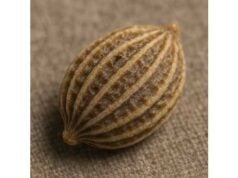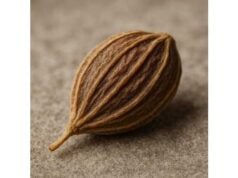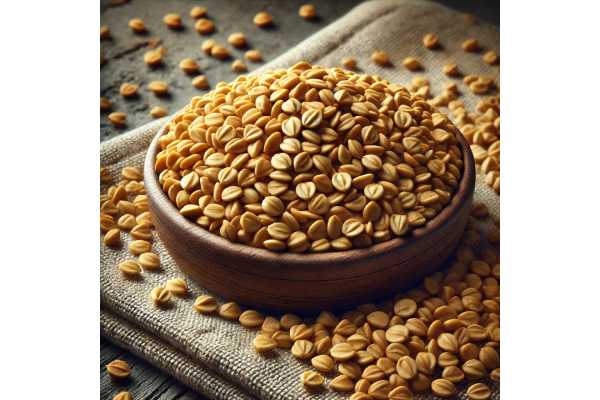
Fenugreek seeds—also called methi dana—are the small, golden-brown, angular seeds of Trigonella foenum-graecum. Their flavor is complex: maple-like sweetness from sotolon, bitter edges from saponins, and a warm nuttiness that deepens with toasting. Across South Asian, North African, and Middle Eastern kitchens, fenugreek anchors spice blends (sambhar masala, berbere), finishes dals and vegetable curries, perfumes flatbreads, and even shows up in pickles and infusions. Nutritionally, the seeds are rich in fiber and plant protein with concentrated minerals, plus distinct bioactives—4-hydroxyisoleucine, trigonelline, diosgenin-containing saponins, and mucilaginous galactomannans—that shape texture and ongoing research interest. In household use, servings are small, but frequent pinches can add up: a teaspoon folded into lentils, batters, or spice rubs nudges fiber upward while keeping glycemic load low. This guide explains what matters most for everyday cooks: realistic nutrition per 100 g and per teaspoon, evidence on benefits, who should be cautious, how to buy and store quality seeds, and kitchen techniques that deliver flavor without harsh bitterness.
Key Takeaways
- Fiber-dense spice with notable iron and magnesium per 100 g; typical 1–2 tsp (3–6 g) servings add flavor with minimal calories.
- Research on extracts suggests modest support for lipid and glycemic markers; culinary use should be viewed as supportive, not therapeutic.
- Safety: possible cross-reactivity for peanut/chickpea-allergic individuals; high-dose supplements may lower blood sugar or interact with medications.
- Suggested culinary use: ½–1 tsp ground or 1–2 tsp whole seeds in meals, several times weekly, adjusted to taste and tolerance.
- Limit or avoid supplements in pregnancy and while breastfeeding without clinical guidance; culinary amounts are the default.
Table of Contents
- Fenugreek Seeds: Detailed Overview
- Fenugreek Seeds Nutrition Profile
- Evidence-Based Benefits of Fenugreek
- Risks, Allergies and Interactions
- Selecting, Quality, Sustainability and Storage
- Preparation, Cooking and Nutrient Retention
- Portions, Comparisons and FAQs
Fenugreek Seeds: Detailed Overview
Fenugreek is a cool-season legume (Fabaceae) grown for its seeds and leaves. The seeds are small, wedge-shaped, and deeply grooved, turning golden-brown at maturity. Compared with most spices, fenugreek behaves like a culinary “thickener” as well as a seasoning: its galactomannan fiber swells in liquid, giving sauces and batters body and a subtly silky mouthfeel. Aroma develops from sotolon (the maple-like note also found in aged rum and some syrups), balanced by mild bitterness from steroidal saponins (diosgenin derivatives) and a toasty nuttiness from Maillard products formed during roasting.
Cooks manage this balance with three classic techniques. First, dry-toasting tames raw bitterness and deepens maple-nut character; 30–90 seconds in a warm pan turns the color a shade darker and unlocks fragrance. Second, blooming ground fenugreek briefly in fat dissolves aroma molecules and distributes them evenly. Third, soaking whole seeds in warm water or yogurt softens texture and leaches some bitter compounds before grinding or cooking. These moves let fenugreek hold its own with cumin, coriander, mustard seed, chili, and turmeric in curries; with paprika and garlic in North African stews; and with ginger or black pepper in spice rubs for vegetables, tofu, fish, and poultry.
Beyond flavor, the seeds bring practical advantages in home cooking. Their soluble fiber helps emulsify dressings and stabilize lentil soups; a pinch in batters improves browning and aroma; and a small amount in whole-grain breads supports moisture retention. Fenugreek also plays well with acid (tomato, tamarind, lemon), which brightens top notes and keeps bitterness in check, and with sweetness (caramelized onion, roasted carrot), which rounds the finish. If you love the aroma of kasuri methi (dried fenugreek leaves), seeds offer the deeper, caramelized counterpart that anchors the leaf’s high, green notes.
Nutritionally, fenugreek seeds deliver meaningful fiber and plant protein along with iron, magnesium, copper, and potassium when assessed per 100 g. Household servings are small, but frequent use adds incremental nutrients across the week. In traditional systems, fenugreek infusions or porridges appear as gentle digestive aids; modern research looks at lipid and glycemic endpoints, satiety, and lactation (for which evidence remains mixed). In the kitchen, treat fenugreek as a flavor-first, nutrition-supporting ingredient that makes healthy dishes something you want to eat again tomorrow.
Fenugreek Seeds Nutrition Profile
How to read these tables: Values are per 100 g of plain, dried fenugreek seeds (unfortified). % Daily Value (%DV) uses common adult reference DVs. Typical culinary portions are 3–6 g (about 1–2 tsp ground); see Section 7 for per-teaspoon estimates. Natural variation occurs by cultivar and origin.
Macros & Electrolytes (per 100 g)
| Nutrient | Amount | %DV |
|---|---|---|
| Energy | 323 kcal | — |
| Water | 8.8 g | — |
| Protein | 23.0 g | 46% |
| Total fat | 6.4 g | 8% |
| Saturated fat | 1.5 g | 8% |
| Carbohydrate (available) | 58.4 g | 21% |
| Dietary fiber | 24.6 g | 88% |
| Total sugars | ~0 g | — |
| Sodium | 67 mg | 3% |
| Potassium | 770 mg | 16% |
Carbohydrates (per 100 g)
| Component | Amount | Notes |
|---|---|---|
| Starch | ~33–35 g | Slowly digested; contributes to body in sauces/batters |
| Soluble fiber (galactomannan) | Significant | Thickens, helps emulsify |
| Insoluble fiber | Significant | Adds bulk; supports regularity |
| Estimated net carbs | ~34 g | Total carbs − fiber (approximate) |
Fats & Fatty Acids (per 100 g)
| Fatty Acid Class | Amount | Notes |
|---|---|---|
| Monounsaturated fat | ~1.2 g | Predominantly oleic acid |
| Polyunsaturated fat | ~2.5 g | Mainly linoleic acid (omega-6) |
| Saturated fat | ~1.5 g | Low overall |
| Cholesterol | 0 mg | Plant food |
Vitamins (per 100 g)
| Vitamin | Amount | %DV |
|---|---|---|
| Thiamin (B1) | 0.32 mg | 27% |
| Riboflavin (B2) | 0.37 mg | 28% |
| Niacin (B3) | 1.6 mg | 10% |
| Vitamin B6 | 0.6 mg | 35% |
| Folate (DFE) | 57 µg | 14% |
| Vitamin C | 3 mg | 3% |
| Vitamin A (RAE) | 3 µg | 0% |
| Vitamin E (alpha-tocopherol) | ~1.0 mg | 7% |
Minerals (per 100 g)
| Mineral | Amount | %DV |
|---|---|---|
| Calcium | 176 mg | 14% |
| Iron | 33.5 mg | 186% |
| Magnesium | 191 mg | 46% |
| Phosphorus | 296 mg | 24% |
| Potassium | 770 mg | 16% |
| Zinc | 2.5 mg | 23% |
| Copper | 1.11 mg | 123% |
| Manganese | 1.23 mg | 53% |
| Selenium | 6.3 µg | 11% |
Bioactives / Phytonutrients
- 4-Hydroxyisoleucine (4-HI): a unique amino acid studied for effects on insulin secretion and sensitivity.
- Trigonelline: an alkaloid also found in coffee; investigated for glucose metabolism support.
- Saponins (e.g., diosgenin glycosides): contribute bitterness and foam; extraction yields differ by method.
- Galactomannan mucilage: soluble fiber that swells in water; affects viscosity and satiety.
- Sotolon: key aroma compound conferring maple-like note; can be excreted in sweat/urine after high intakes.
Allergens & Intolerance Markers
- Fabaceae cross-reactivity: reported reactions in some people allergic to peanut or chickpea; see Section 4.
- FODMAPs: low per culinary serving; large intakes may cause gas due to fermentable fibers.
Anti-nutrients
- Phytates and saponins: can reduce palatability and modestly affect mineral absorption; soaking, sprouting, toasting, and cooking reduce these.
Glycemic & Acid–Base Metrics
- Per 1 tsp ground (≈3 g): ~10 kcal, ~0.7 g protein, ~0.2 g fat, ~1.7 g carbohydrate with ~0.7 g fiber → ~1 g net carbs, negligible glycemic load.
Footnote: Values are typical for raw, unfortified fenugreek seeds. Branded products and blends may add salt, sugars, or anti-caking agents; check labels if relevant.
Evidence-Based Benefits of Fenugreek
1) Flavor that improves diet quality
The most reliable “benefit” of any culinary spice is its power to make healthful foods taste great. Fenugreek’s maple-nut aroma and gentle thickening nudge people toward fiber-rich meals—lentils, chickpeas, whole grains, and vegetables—without extra sugar or sodium. That behavior-level effect supports better diet quality over time.
2) Fiber-driven fullness and digestive comfort
Fenugreek’s galactomannan raises viscosity in soups and sauces and, in mixed meals, may enhance satiety by slowing gastric emptying. Culinary amounts are small, but consistent use across the week subtly increases daily fiber and can help some people feel satisfied with fewer calories. Warm infusions (culinary-strength “methi tea”) are a customary post-meal practice; many find them soothing for gas or heaviness. This is culinary comfort, not a treatment for gastrointestinal disease.
3) Lipid profile: modest support with supplements
Human trials using seed powders or standardized extracts (often 2–10 g/day powder or ~500–1,000 mg/day capsule equivalents for 6–12 weeks) have reported reductions in total and LDL cholesterol in some study groups, with variable effects on HDL and triglycerides. Heterogeneity is high: different preparations, doses, and baseline diets produce mixed results. Practical takeaway: culinary use is compatible with heart-healthy patterns; supplementation may offer small additional improvements for some, but should be individualized.
4) Glycemic markers: mixed outcomes
Studies of fenugreek in adults with dysglycemia often measure fasting glucose, post-prandial glucose, HbA1c, and insulin sensitivity. Meta-analytic summaries suggest modest improvements in fasting glucose and insulin indices in certain protocols, but findings are inconsistent across all endpoints and not universal. In everyday cooking, fenugreek’s low glycemic load and ability to make legumes and whole grains more appealing are the most dependable assets.
5) Lactation: tradition vs. evidence
Fenugreek is widely used as a herbal galactagogue. Evidence is mixed, with small trials showing variable effects on milk volume and many confounders (hydration, feeding frequency, latch support). Safety considerations matter: strong fenugreek intake can impart a maple syrup odor to sweat and breast milk (due to sotolon), which can confuse evaluation for maple syrup urine disease (MSUD) in infants. For lactation support, professional guidance is recommended; culinary use is not the same as supplementation.
6) Appetite, weight, and satiety
Small studies exploring subjective appetite and energy intake report reduced hunger or intake with fenugreek fiber preparations, but dose forms (isolated fiber vs. whole seed) and meal contexts differ. As a kitchen rule, fenugreek belongs with beans, vegetables, and whole grains—foods consistently linked to healthy weight maintenance.
Bottom line
Culinary fenugreek helps you eat more plants you like. Supplementation shows cautious potential for lipid and glycemic markers, yet results vary by product and protocol. Focus on food first; consider supplements only with clinician input if you have specific targets.
Risks, Allergies and Interactions
Allergy and cross-reactivity (Fabaceae)
Fenugreek is a legume. Case reports describe reactions in individuals allergic to peanut, chickpea, or other legumes, likely due to cross-reactive proteins. Symptoms can range from oral itching to systemic reactions. People with known peanut or chickpea allergy should approach fenugreek cautiously, preferably with professional advice and initial exposures in cooked dishes (heat can reduce some protein allergenicity but does not guarantee safety).
Gastrointestinal effects
Because fenugreek is fiber-rich, large amounts—far beyond recipe norms—can cause gas, bloating, or loose stools. Introduce gradually, distribute intake across meals, and drink water with high-fiber dishes.
Glucose and blood pressure medications
Concentrated fenugreek powders/extracts may lower fasting glucose or potentiate insulin action in some contexts. If you use insulin, sulfonylureas, SGLT2 inhibitors, GLP-1 agonists, or have tightly managed diabetes, avoid self-supplementation without clinical oversight. Culinary amounts are generally compatible with medication regimens. Individuals on antihypertensives should monitor as usual; fenugreek is not a substitute for prescribed therapy.
Pregnancy and breastfeeding
Avoid high-dose supplements and essential oils in pregnancy due to uncertain safety and possible uterotonic effects reported historically. Culinary spice amounts are commonly used in many cultures. During breastfeeding, discuss any plan to use fenugreek as a galactagogue with a clinician or lactation specialist; be aware of the maple odor phenomenon in infants and milk, which can confound metabolic screening.
Drug interactions and bleeding risk
Fenugreek’s saponins and fiber may influence drug absorption when taken in supplement-strength doses close to medications. Separate timing of any supplement from critical drugs. Reports of increased bleeding risk are rare and not definitive; still, people on anticoagulants or antiplatelets should consult their clinician before taking fenugreek supplements. Culinary use is typically acceptable.
Contaminants and food safety
Raw sprouts of fenugreek seeds carry the same microbial risks as other sprouts. Vulnerable groups (pregnant people, older adults, the immunocompromised) should avoid raw sprouts or use thoroughly cooked preparations. For whole seeds, buy from reputable suppliers and store airtight to reduce spoilage.
Emergency symptoms
Seek urgent care for wheeze, throat tightness, faintness, or widespread hives after eating spices.
Selecting, Quality, Sustainability and Storage
How to choose
- Whole vs. ground: Whole seeds retain aroma and quality far longer; grind small batches as needed. Pre-ground fenugreek is convenient but turns stale and bitter sooner.
- Appearance: Look for uniform, golden-brown seeds with sharp edges and a clean, maple-nut scent when crushed. Avoid product with excess dust, debris, or a musty odor.
- Label clarity: Single-ingredient labels should list only fenugreek. Blends may add salt, sugars, or anti-caking agents—fine for convenience, but not for sodium-aware cooking.
Origin and types
You’ll see Indian and Ethiopian fenugreek commonly, with subtle differences in bitterness and aroma. Let your nose guide you: choose a batch that smells sweet-savory and fresh rather than flat or hay-like.
Sustainability
Fenugreek is hardy, drought-tolerant, and commonly rotated with cereals or pulses—attributes that support diversified, resource-savvy farming. As with any globally traded spice, traceability and fair labor standards matter. Buying whole seeds in modest amounts minimizes waste and maximizes flavor.
Storage
- Whole seeds: Airtight jars, cool and dark, best quality 12–18 months.
- Ground: Use within 3–6 months of opening; decant small working jars to limit air exposure.
- Freezing: Optional; if freezing, return sealed containers to room temperature before opening to prevent condensation and clumping.
Household quality checks
Crush a seed between your fingers: a vivid maple-nut aroma signals freshness. If the scent is faint or dusty, toast a teaspoon; if fragrance doesn’t bloom, replace the batch.
Cost-savvy shopping
Bulk bins can be economical, but turnover varies. Prefer sealed packages from suppliers who list harvest or lot numbers, or use high-turnover shops where aroma stays lively.
Preparation, Cooking and Nutrient Retention
Technique essentials
- Dry-toast whole seeds over medium heat for 30–90 seconds until one or two darken and the kitchen smells maple-nutty. This tames bitterness and deepens flavor.
- Bloom ground fenugreek in oil or ghee for 15–30 seconds to dissolve aroma molecules; add onions, garlic, tomato paste, or spices to halt further browning.
- Soak and grind: For chutneys, batters, or breads, soak seeds in warm water, yogurt, or buttermilk 15–30 minutes to soften, then grind—this yields a smoother texture and gentler taste.
- Layer flavors: Pair with cumin (earthy), coriander (citrusy), mustard seed (pungent), paprika/chili (smoky heat), ginger (bright), and tamarind or lemon (acid lift).
Applications and pairings
- Legumes: a pinch in lentils, chickpeas, or kidney beans provides gloss and savory depth—especially with tomato and garlic.
- Vegetables: excellent with okra, eggplant, cabbage, cauliflower, pumpkin, and potatoes; finish with lemon or fresh herbs.
- Breads and batters: add to dosa/idli batters for fermentation support and aroma; sprinkle into whole-grain breads for a maple-nut hint.
- Spice blends and rubs: sambhar powder, berbere, ras el hanout, and custom rubs for tofu, chicken, or salmon.
Bitterness control
Too much fenugreek tastes harsh. Keep heat moderate and times short. If you overshoot, rebalance with acid (tomato, vinegar, lemon), a little sweetness from caramelized onions or roasted carrots, or a bit of fat to coat bitter notes. Removing over-toasted seeds helps if the batch turned acrid.
Nutrient retention
Minerals and fiber are heat-stable; the main loss risk is aroma volatility. Dry-toast briefly and add ground fenugreek later in cooking to preserve top notes. In baked goods, enclosing ground fenugreek in dough preserves more aroma through the oven.
Culinary infusion (tea)
Lightly crush ½–1 tsp seeds per 250 ml just-off-boil water; steep 5–10 minutes and strain. This produces a gentle, maple-herbal cup. Do not substitute essential oils for seeds.
Quick blends to try
- Roast-veg blend: 1 tsp ground fenugreek + 1 tsp ground coriander + ½ tsp smoked paprika per sheet pan of vegetables.
- Tomato base: bloom ½ tsp ground fenugreek with cumin and garlic, then add tomato paste for curries or stews.
- Lemon-ginger finish: bloom ½ tsp crushed fenugreek with grated ginger; toss with lentils or sautéed greens and finish with lemon.
Common pitfalls
Burning seeds, using stale pre-ground spice, or adding too early and boiling off aroma. A few seconds determine success; watch closely and rely on your nose.
Portions, Comparisons and FAQs
Practical portions
- ½ tsp ground (≈1.5 g): ~5 kcal, ~0.35 g protein, ~0.1 g fat, ~0.9 g carbohydrate with ~0.35 g fiber; effectively zero glycemic load.
- 1 tsp ground (≈3 g): ~10 kcal, ~0.7 g protein, ~0.2 g fat, ~1.7 g carbohydrate with ~0.7 g fiber.
- Typical frequency: ½–1 tsp in a dish once or twice daily is a realistic, food-level pattern for many home cooks.
How fenugreek compares
- Fenugreek vs. cumin: fenugreek is maple-nutty and slightly bitter; cumin is earthy-savory. Use together for depth and lift.
- Fenugreek vs. coriander seed: coriander is citrusy-floral; fenugreek is caramel-bitter. Pairing softens each spice’s edges.
- Fenugreek vs. mustard seed: both are assertive; mustard brings pungency, fenugreek brings body and maple-nut sweetness.
- Whole vs. ground: whole seeds store 3–4× longer; ground fenugreek integrates quickly but stales fast—grind as needed.
FAQs
- Why does my sweat or kitchen smell like maple after cooking with fenugreek?
Sotolon from fenugreek can be excreted in sweat and urine, creating a maple-like odor—benign but noticeable after generous use. - Is fenugreek safe in pregnancy?
Culinary amounts are widely used. Avoid supplement-strength doses and essential oils unless advised by your clinician. - Does fenugreek lower blood sugar or cholesterol?
Some trials with supplements show modest improvements, but results vary. Culinary amounts should be viewed as supportive, not therapeutic. - I have a peanut or chickpea allergy—can I use fenugreek?
Cross-reactivity is reported. Seek personalized advice and proceed cautiously, ideally with cooked dishes first and medical guidance. - What about sprouting fenugreek seeds?
Sprouts are flavorful but carry the same microbial risks as other raw sprouts. Vulnerable groups should avoid raw sprouts or cook thoroughly.
Quick starts
- Bloom ½ tsp ground fenugreek with cumin and garlic, add tomato and finish with lemon for a fast lentil topper.
- Toast seeds and crush with coriander and chili; rub onto cauliflower before roasting.
- Stir a pinch into whole-grain bread dough with orange zest for a subtle maple-nut aroma.
References
- The effect of fenugreek (Trigonella foenum-graecum L.) supplementation on glycemic control and lipid profile: a systematic review and meta-analysis of randomized controlled trials 2021 (Systematic Review)
- A systematic review and meta-analysis of randomized controlled trials on fenugreek for the treatment of dyslipidemia and hyperglycemia 2020 (Systematic Review)
- Fenugreek – Drugs and Lactation Database (LactMed®) 2024 (Guideline)
- Nutrition Facts for Fenugreek Seed 2024
- Tracing seeds, in particular fenugreek (Trigonella foenum-graecum) seeds, in relation to the Shiga toxin-producing E. coli O104:H4 outbreaks in Germany and France 2011
Disclaimer
This article is for general education and is not a substitute for personalized medical advice, diagnosis, or treatment. If you have food allergies, are pregnant or breastfeeding, or take prescription medications—especially for blood sugar, blood pressure, or blood clotting—discuss any use of fenugreek supplements with a qualified clinician. Culinary amounts of fenugreek seeds are typically safe for most adults when used in balanced meals.
If this guide was helpful, please consider sharing it on Facebook, X (formerly Twitter), or any platform you prefer. Your support helps us continue creating clear, trustworthy nutrition resources.