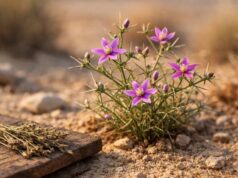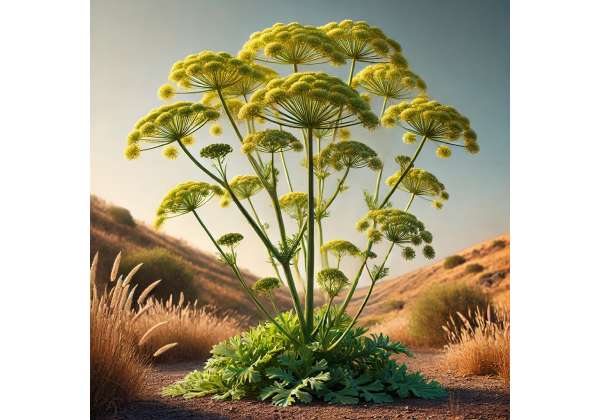
Ferula, more precisely Ferula communis, is a tall Mediterranean plant in the carrot family that is often called giant fennel. It has a long record in traditional medicine, but it is not a simple “safe herb” profile. What makes it medically interesting also makes it complicated: this species occurs in both poisonous and non-poisonous chemotypes, and those chemotypes do not behave the same way. Some preparations are linked to phytoestrogenic compounds such as ferutinin and related sesquiterpene esters, while toxic forms contain ferulenol and related coumarins associated with dangerous bleeding in animals.
That split defines the whole conversation around benefits, uses, and dosage. Research points to antioxidant, antimicrobial, antiproliferative, estrogen-like, and anti-inflammatory effects, but much of that work comes from cell studies, animal models, or highly controlled extracts. Human evidence exists, though it is narrow and product-specific rather than broad or traditional. For readers, the most useful way to understand ferula is as a botanically important, pharmacologically active, and safety-sensitive herb that deserves careful distinction between promising extracts and risky self-use.
Key Insights
- Ferula may offer antioxidant, antimicrobial, and phytoestrogen-like effects, but these depend heavily on the chemotype and extract used.
- A ferutinin-rich standardized extract at 100 mg/day for 90 days has been studied in postmenopausal women, but no general whole-herb dose is established.
- Poisonous chemotypes may contain ferulenol, a compound linked to anticoagulant-type bleeding risk.
- Do not treat wild or ornamental ferula as a casual home remedy, because chemistry and safety can vary sharply.
- Pregnant or breastfeeding people, children, and anyone using blood thinners or managing hormone-sensitive conditions should avoid self-use.
Table of Contents
- What is Ferula
- Key compounds and chemotypes
- Does Ferula have benefits
- How Ferula is used
- How much Ferula per day
- Safety, interactions, and avoidance
- What the evidence really shows
What is Ferula
Ferula communis is a robust perennial herb native mainly to the Mediterranean basin. It belongs to the Apiaceae family, which also includes parsley, carrot, angelica, and fennel. The common name “giant fennel” comes from its height and feathery foliage, but it is not the same plant as culinary fennel. It can grow well above head height, produces umbrella-like yellow flower clusters, and develops thick underground parts that have long attracted medicinal attention.
This species also sits inside a larger and often confusing genus. Some readers searching for ferula are actually thinking of other Ferula plants, especially resin-producing species used in traditional medicine or cuisine. That is why it helps to distinguish giant fennel from asafoetida and other resin-rich Ferula species, which are related botanically but not interchangeable in use or safety. In practical herbal medicine, species identity matters as much as family identity.
Ferula’s reputation comes from several different traditions layered on top of one another. Historical sources describe uses for dysentery, fever, skin infections, stomach complaints with diarrhea, cramps, and even snakebite. In some regions, non-poisonous forms were valued as hormonal or phytoestrogenic plants. In Morocco, traditional use has also included a hypoglycemic role. These uses are diverse, and that diversity is one reason the plant remained interesting to modern pharmacologists.
But this is also where caution enters. Ferula is not a gentle kitchen herb that moved smoothly into modern supplements. It is a plant with marked internal variation. Research has shown that Ferula communis includes at least two important chemotype patterns, one associated with toxic prenylated coumarins and another associated with daucane sesquiterpene esters that have a more nutraceutical profile. That means two plants that look similar in the field may not have the same risk-benefit profile in the body.
For the average reader, the best takeaway is simple. Ferula is a real medicinal plant with a genuine traditional record, but it is also a plant that requires more precision than most self-care herbs. It is worth learning about because of its chemistry, its phytoestrogenic interest, and its pharmacological potential. It is not the kind of herb that should be approached casually just because it appears in older herbal texts or modern supplement discussions.
Key compounds and chemotypes
Ferula’s medicinal story begins with one of the most important facts about the species: chemistry changes everything. The plant is often discussed as though it were one herb with one effect, but the research picture is more divided. Ferula communis contains two major chemotype patterns with very different biological meanings. One is considered poisonous and is dominated by prenylated coumarins such as ferulenol. The other is considered non-poisonous and is characterized more by daucane sesquiterpene esters, including ferutinin and related compounds such as lapiferin and teferin.
That split is not academic. It helps explain why the herb can appear both promising and dangerous in the same literature. The poisonous chemotype is linked to ferulenol, a coumarin derivative with strong anticoagulant-type activity. In animals, this is associated with hemorrhagic toxicity known as ferulosis. The non-poisonous chemotype, by contrast, is the one usually discussed for estrogen-like or phytohormonal effects. In other words, one chemical profile pushes the safety discussion toward bleeding risk, while the other pushes the research discussion toward menopause, bone, and cell-signaling effects.
Several compound groups matter most:
- Ferulenol and related prenylated coumarins are associated with anticoagulant, cytotoxic, and antimicrobial activity, but they also drive the most serious toxicity concerns.
- Ferutinin is the best-known phytoestrogenic constituent and is often described as the main bioactive marker of the non-poisonous chemotype.
- Other daucane esters appear to contribute to estrogen-like, cytotoxic, and apoptosis-related effects in preclinical work.
- Phenolic and flavonoid components, especially in newer leaf studies, add antioxidant interest and may help explain some extract-level activity.
The chemistry also helps explain why people confuse giant fennel with culinary fennel in the same plant family even though their pharmacology is very different. Fennel’s reputation rests largely on volatile oils such as anethole. Ferula’s reputation rests much more on sesquiterpene esters and coumarin-type compounds, especially ferutinin and ferulenol. Similar family, very different medicinal logic.
Another subtle point matters for safety. Whole-plant language can be misleading. A leaf aqueous extract, a fruit aqueous extract, and a ferutinin-standardized root-derived formulation are not the same thing. They may contain overlapping compounds, but they do not carry the same balance of risk and potential benefit. This is one reason many modern ferula studies focus on purified or chemically characterized extracts rather than simple folk-style preparations.
So when readers ask about “key ingredients,” the honest answer is not a short list. It is a warning that the key ingredients depend on the chemotype, the plant part, and whether toxic coumarins have been removed or minimized. With ferula, chemistry is not a background detail. It is the central fact that determines how the herb should be understood.
Does Ferula have benefits
Ferula does appear to have benefits, but they are not all equally reliable, and they do not all apply to the same preparation. That distinction is essential. Traditional medicine, laboratory pharmacology, animal studies, and limited human data each tell a different part of the story. When those layers are kept separate, the most plausible benefits become clearer.
The traditional record is broad. Historical and regional sources describe ferula for dysentery, fever, skin infections, stomachache with diarrhea, cramps, and hormonal applications. Moroccan practice has also included hypoglycemic use. These reports matter because they show longstanding human interest, but they do not prove effectiveness by modern clinical standards.
The preclinical evidence is more detailed. Across older and newer studies, Ferula communis extracts and isolated compounds have shown several recurring actions:
- Antimicrobial activity against selected organisms.
- Antiproliferative and cytotoxic effects in cultured tumor cells.
- Antioxidant activity in assay systems and extract studies.
- Anti-inflammatory and phytoestrogen-like effects, especially around ferutinin-containing preparations.
- Tissue-protective or symptom-modulating signals in experimental menopause-related models.
The most practically relevant human finding so far is narrow but worth noting. A randomized, double-blind, placebo-controlled trial evaluated a ferutinin-rich Ferula communis extract in 64 postmenopausal women for 90 days. In that setting, participants taking 100 mg daily reported improvements in several menopause-related discomfort domains, including sexual-function measures and symptoms such as hot flashes, sweating, irritability, poor sleep, and vaginal dryness. That is meaningful, but it should be read carefully. It does not prove that whole ferula, wild ferula, or any casual supplement will do the same thing.
This is where comparison helps. Readers exploring menopause-support herbs may get more immediate practical value from black cohosh in a more established menopause-support discussion, because the marketplace, safety conversation, and clinical framing are much more developed there. Ferula’s potential is real, but its evidence base is narrower and its safety profile is more conditional.
The best way to summarize benefits is to rank them by confidence. Most promising are standardized non-poisonous extracts for menopause-related support and experimental antioxidant or antimicrobial activity. More tentative are traditional digestive and hypoglycemic uses, because those claims remain weakly validated in humans. Least ready for self-care translation are cytotoxic and anticancer claims, which are based mainly on laboratory or mechanistic work.
So yes, ferula may help in specific, carefully prepared contexts. But its benefits are conditional, chemotype-dependent, and still far from the level that would justify broad home use.
How Ferula is used
How ferula is used depends on whether you are reading history, folk medicine, or modern research. In older sources, the plant was used in several fairly direct ways: rhizomes for local remedies, roasted flower buds for fever and dysentery, mashed fresh material for stomach complaints with diarrhea, seeds for cramps, and crushed plant mixed with oil for external application. These preparations reflect an era when plants were handled as whole materials rather than standardized extracts.
That historical pattern does not translate smoothly into modern self-care. Today, the most defensible ferula use is not wildcrafted whole-plant experimentation. It is chemically characterized use. Modern studies have examined aqueous fruit extracts, aqueous leaf extracts, and root acetone-water extracts, while clinical work has focused on a ferutinin-rich oral extract standardized around a defined composition. That is a much narrower and safer framework than saying “ferula tea” or “ferula tincture” in general.
In practical terms, modern use falls into three categories:
- Traditional local use, usually based on regional knowledge and fresh or dried plant material.
- Research use, involving defined extracts studied for antioxidant, estrogenic, or cytotoxic effects.
- Nutraceutical-style use, mainly involving non-poisonous, standardized preparations intended for controlled supplementation.
The key point is that these three categories should not be collapsed into one. A reader cannot assume that a traditional rhizome use equals a commercial standardized extract. Nor can a laboratory result from a purified preparation be turned into a home recipe. With ferula, the gap between folk use and safe modern use is especially wide.
This matters even more because ferula is often approached like a bitter digestive herb. Some of its traditional stomach-related uses can make it sound comparable to gentian and other classic bitter digestive plants. But gentian is discussed within a much more stable herbal framework. Ferula is not. Its chemistry is less forgiving, and the risk of using the wrong material is greater.
For most readers, the safest practical use guidance is selective and conservative. A clinician-guided standardized product may make sense in a narrow context, especially when the preparation is clearly derived from the non-poisonous chemotype and the ferulenol content is known to be low or removed. DIY use of wild, ornamental, or uncertain plant material does not make the same sense. Even if a traditional preparation exists, modern users rarely have the botanical, chemical, and toxicological certainty needed to reproduce it responsibly.
In short, ferula is best used as a precisely characterized extract, not as a casual kitchen or field herb.
How much Ferula per day
There is no established general daily dose for Ferula communis as a whole herb. That is the most important dosage fact. Anyone searching for a universal answer such as “how much ferula per day” will find that the research does not support one. Dose depends on the chemotype, the plant part, the extraction method, and whether the product is a non-poisonous standardized formulation or an undefined traditional material.
The clearest human dosing data come from one clinical study, not from broad traditional practice. In that trial, postmenopausal women received a 100 mg oral tablet daily for 90 days. The product was a ferutinin-rich extract standardized to 20% ferutinin. That is useful information, but it does not establish a default dose for the species. It establishes only that one defined product at one defined dose was studied in one defined group.
Animal studies add context, not consumer dosing rules. In a mouse toxicity study of aqueous fruit extract, acute oral doses were tested up to 4 g/kg, with an oral LD50 around 3.6 g/kg, and subacute daily dosing ranged from 125 to 500 mg/kg for 28 days. In a newer leaf study, mice received 200, 300, and 400 mg/kg in acute toxicity evaluation. These figures help researchers map toxicity and tolerability, but they are not instructions for herbal self-treatment.
A practical dosing framework looks like this:
- Whole herb: no validated daily oral dose.
- Traditional folk preparation: historically used, but not standardized enough for general recommendation.
- Standardized non-poisonous extract: one human study used 100 mg/day for 90 days.
- Animal extracts: useful for toxicology and mechanism, not for self-conversion into human doses.
Several variables make self-dosing especially unreliable:
- Ferula’s chemotype may be unknown.
- Ferulenol content may not be measured.
- Leaves, fruits, roots, and rhizomes are not chemically identical.
- Extract strength may vary sharply between water, alcohol, and mixed-solvent preparations.
- Intended use matters, since menopause-focused extracts are not the same as traditional digestive preparations.
This is one reason comparisons with better-characterized herbs can be misleading. People looking for liver or metabolic support, for example, are usually better served by milk thistle and other herbs with clearer extract standards rather than a plant with unresolved chemotype risk.
The most honest dosing conclusion is conservative: unless the product is standardized, professionally sourced, and clearly intended for a specific use, the safest unsupervised oral target is no routine use. Ferula is not the kind of herb that should be dosed by guesswork.
Safety, interactions, and avoidance
Safety is the defining issue with ferula. Many medicinal plants have side effects, but ferula has something more difficult: radically different safety profiles depending on chemotype. The poisonous chemotype is associated with ferulenol and related coumarins that can trigger serious anticoagulant-type effects. In animals, this has caused hemorrhagic illness known as ferulosis. That alone is enough to move ferula out of the category of casual home herbs.
For humans, the most relevant safety principle is not that every ferula product is dangerous. It is that undefined ferula material may not be safe enough to trust. A fruit extract studied under laboratory conditions is not the same as wild-harvested plant matter. A ferutinin-standardized formulation with low ferulenol is not the same as a crude extract. Safety depends on composition, and composition is not obvious from appearance.
Possible side effects and risks include:
- Gastrointestinal irritation from concentrated or poorly tolerated preparations.
- Easy bruising or bleeding if a product contains problematic coumarin content.
- Unpredictable hormonal effects with phytoestrogen-rich extracts.
- Drug interactions that have not been fully mapped but deserve caution.
The groups most likely to need avoidance are clear:
- Pregnant and breastfeeding people, because reproductive safety is not established and hormone-like activity is a concern.
- Children, because no pediatric framework exists.
- People using anticoagulants, antiplatelet drugs, or frequent NSAIDs, because coumarin-related bleeding risk is the most serious theoretical and experimental concern.
- People with hormone-sensitive conditions, including some breast, uterine, or ovarian disorders, because ferutinin-rich extracts show estrogen-like behavior.
- People with liver disease or complex chronic illness, because even promising extract data do not replace careful medical supervision.
This is where readers should think of ferula more like other hormone-active herbs that require context and caution than like a simple culinary botanical. Hormone-sensitive users should not treat “natural” as a synonym for risk-free.
Another safety issue is sourcing. Ornamental or wild plants are especially poor choices for self-use. Even if botanically correct, they may be harvested at the wrong stage, grown in contaminated settings, or chemically unlike the extract studied in published work. With ferula, identification alone is not enough. Chemical characterization is part of safety.
A final practical rule is worth stating plainly: ferula should never be used as a substitute for evidence-based care in bleeding disorders, severe gastrointestinal illness, infections, or menopausal symptoms that require medical assessment. It is a plant of interest, not a first-line self-treatment.
What the evidence really shows
The evidence on ferula is stronger than folklore alone, but weaker than most readers probably expect from a supplement-style herb profile. The best-supported facts are chemical and toxicological. We know that Ferula communis contains distinct bioactive compounds. We know that different chemotypes behave differently. We know that ferulenol-rich material can be hazardous, while ferutinin-rich material has been explored for more therapeutic purposes. Those are solid takeaways.
The next layer of evidence comes from cell and animal studies. These studies support antimicrobial, antioxidant, antiproliferative, anti-inflammatory, estrogen-like, and tissue-modulating effects. They also help explain mechanism. Ferutinin, for example, is repeatedly discussed as a phytoestrogenic sesquiterpene ester. Ferulenol, in contrast, is repeatedly discussed as a toxic coumarin with anticoagulant potential. This part of the literature is useful, but still far from enough to support broad consumer claims.
Human evidence exists, yet it remains narrow. The clinical trial in postmenopausal women is important because it shows that a standardized ferutinin-rich extract can be studied in a real population and may improve symptom burden over 90 days. At the same time, one product-specific study does not settle the broader question of whether ferula as a herb is safe, effective, or routinely useful. It tells us that a very specific preparation deserves more study.
The evidence can be ranked in a practical order:
- Strongest: chemistry, chemotype distinction, and the existence of both toxic and non-toxic pharmacological patterns.
- Moderate: preclinical evidence for antioxidant, estrogen-like, antimicrobial, and cytotoxic actions.
- Limited but meaningful: one controlled human study using a standardized extract for postmenopausal discomfort.
- Weak for everyday use: general claims about digestive, metabolic, anticancer, or whole-herb supplementation in ordinary users.
That ranking leads to a sober conclusion. Ferula is promising as a source of bioactive compounds and as a model for targeted extract development. It is not yet a broadly validated herbal remedy for self-prescribed use. The gap between “interesting compound source” and “reliable herb” is still large.
Readers who want the shortest honest verdict can phrase it this way: ferula is pharmacologically active enough to matter, but not standardized enough to trust casually. The science supports careful investigation, not enthusiasm without limits.
References
- Review of the traditional uses, phytochemistry, pharmacology and toxicology of giant fennel (Ferula communis L. subsp. communis) 2015 (Review)
- Ferula communis L. (Apiaceae) Root Acetone-Water Extract: Phytochemical Analysis, Cytotoxicity and In Vitro Evaluation of Estrogenic Properties 2022
- Assessment of the acute and subacute toxicity of the aqueous extract of Moroccan Ferula communis fruit in a mouse model 2023
- Evaluation of the Potential Beneficial Effects of Ferula communis L. Extract Supplementation in Postmenopausal Discomfort 2024 (Clinical Trial)
- Ferula communis leaf extract: antioxidant capacity, UHPLC–MS/MS analysis, and in vivo and in silico toxicity investigations 2025
Disclaimer
This article is for educational purposes only and is not medical advice. Ferula is a chemically variable plant with meaningful safety concerns, especially when the chemotype is unknown. It should not be used as a substitute for professional care for bleeding symptoms, hormone-related disorders, infections, severe digestive problems, or menopause management. Always consult a qualified healthcare professional before using ferula internally, especially if you are pregnant, breastfeeding, taking blood thinners, or living with a hormone-sensitive condition.
If this article helped you, please share it on Facebook, X, or your preferred platform so others can find careful, evidence-aware information.