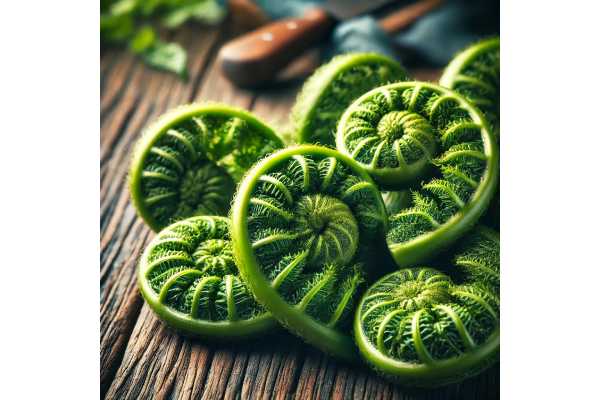
Fiddlehead ferns are one of the most seasonal, distinctive vegetables you can put on your plate. These tightly coiled young fronds, usually from ostrich ferns, offer a crisp texture and fresh, grassy flavor somewhere between asparagus and green beans. They are rich in vitamins, minerals, and antioxidants while remaining very low in calories, which makes them appealing to anyone looking to add more nutrient-dense greens to their meals.
Because fiddleheads are foraged or purchased fresh for only a few weeks in spring, they carry a sense of rarity and tradition in many regions. At the same time, they require more attention to food safety than many other vegetables, since they must be thoroughly cooked to avoid gastrointestinal illness. When handled and prepared correctly, fiddlehead ferns can be a safe, flavorful addition to sautés, grain bowls, omelets, and simple side dishes, while also contributing fiber, vitamin A, vitamin C, manganese, and other micronutrients.
Key Takeaways for Fiddlehead Fern
- Provides vitamin A, vitamin C, manganese, and fiber in a low calorie, low fat vegetable.
- Must always be well cooked; eating raw or undercooked fiddleheads has been linked to gastrointestinal illness.
- A practical portion is about 75–100 g cooked (roughly ½–1 cup), enjoyed up to several times per week during the short season.
- People with foodborne illness risk (pregnancy, older age, immune compromise) should be especially careful to follow cooking guidelines.
Table of Contents
- Fiddlehead Fern Background and Uses
- Fiddlehead Fern Nutrition per 100 Grams
- Documented Health Benefits of Fiddleheads
- Fiddlehead Risks Allergies and Food Safety
- Selecting Foraging and Storing Fiddleheads
- Cooking Fiddleheads and Nutrient Retention
- Portions Comparisons and Common Questions
Fiddlehead Fern Background and Uses
Fiddlehead ferns are the young, coiled shoots of certain fern species harvested in early spring before the fronds unfurl. In North America, the safest and most commonly eaten type comes from the ostrich fern (Matteuccia struthiopteris). These curly, green spirals are prized in regional cuisines from eastern Canada and New England to parts of Europe and Asia, where spring foraging traditions are still strong.
Visually, fiddleheads look like small green scrolls, often with a brown papery sheath that should be rubbed off before cooking. When properly prepared, their texture is pleasantly crisp-tender and their flavor is often described as a cross between asparagus, green beans, and broccoli stems, with a hint of nuttiness. This makes them versatile in many dishes where you might otherwise use other spring vegetables.
Culinary uses typically fall into a few categories:
- Simple sides: briefly boiled, then sautéed with olive oil or butter, garlic, lemon, and salt.
- Mixed vegetable dishes: combined with spring onions, peas, or asparagus in stir-fries, pastas, and grain salads.
- Egg dishes: folded into omelets, frittatas, or quiches for color and texture.
- Soups and stews: added at the end of cooking to keep some bite while contributing green freshness.
Because fiddleheads are seasonal and often foraged, they tend to be used in smaller portions as a highlight ingredient rather than a staple vegetable. Their short season also means they are rarely eaten year-round, which limits long term intake but encourages variety in springtime meals.
One essential point is that unlike many other vegetables, fiddleheads are not eaten raw. They need thorough cooking in boiling water or steam before any pan searing or roasting, both to soften the texture and to reduce the risk of foodborne illness. When that step is respected, fiddleheads can be enjoyed as a distinctive, nutrient dense sign that winter is ending and fresh local produce is returning.
Fiddlehead Fern Nutrition per 100 Grams
Fiddlehead ferns are relatively low in calories while providing a concentrated mix of vitamins, minerals, and antioxidants. Most available data come from raw ostrich fern fiddleheads per 100 g.
Macros and Electrolytes (per 100 g, raw)
| Nutrient | Amount per 100 g | Approx. %DV* |
|---|---|---|
| Energy | ~ 35 kcal | 2% |
| Protein | 4.5 g | 9% |
| Total fat | 0.4 g | 1% |
| Carbohydrate | 5.7 g | 2% |
| Dietary fiber | 3.0 g | 11% |
| Sugars | ~ 0.7 g | – |
| Sodium | 1–10 mg | <1% |
| Potassium | ~ 370 mg | 8% |
| Water | ~ 89 g | – |
*%DV based on general adult reference intakes.
This profile shows a low energy density food that still offers meaningful protein and fiber for a leafy vegetable. The moderate potassium content contributes to electrolyte balance and blood pressure management as part of an overall dietary pattern.
Vitamins (per 100 g, raw)
Values vary slightly across databases, but typical estimates include:
| Vitamin | Amount per 100 g | Approx. %DV |
|---|---|---|
| Vitamin A (as carotenoids) | ~ 180 µg RAE | 20% |
| Vitamin C | ~ 25–30 mg | 30–35% |
| Vitamin E | ~ 2.1 mg | 14% |
| Folate (Vitamin B9) | ~ 70 µg | 18% |
| Niacin (Vitamin B3) | ~ 3.1 mg | 19% |
| Riboflavin (Vitamin B2) | ~ 0.2 mg | 15% |
| Thiamin (Vitamin B1) | ~ 0.1 mg | 8% |
Vitamin C and vitamin A precursors support immune function, skin health, and antioxidant defenses, while folate and B vitamins play roles in energy metabolism and red blood cell formation.
Minerals and Trace Elements
| Mineral | Amount per 100 g | Approx. %DV |
|---|---|---|
| Manganese | ~ 0.5 mg | 22% |
| Iron | ~ 1.3 mg | 7% |
| Magnesium | ~ 34 mg | 8% |
| Phosphorus | ~ 101 mg | 8% |
| Calcium | ~ 32 mg | 2–3% |
| Zinc | ~ 0.7 mg | 6% |
Manganese stands out as a notable contributor, supporting antioxidant enzymes and connective tissue formation. Magnesium, phosphorus, and iron add to the mineral density, especially when fiddleheads are combined with other nutrient rich foods in a meal.
Bioactive Compounds
Laboratory analyses suggest that fiddleheads contain:
- Phenolic compounds and flavonoids with antioxidant activity
- Carotenoids contributing to vitamin A activity
- Chlorophylls and other plant pigments associated with cellular protection
These compounds may help counter oxidative stress, though evidence comes mainly from cell and animal models or small human studies and should not be interpreted as proof of specific disease prevention effects on their own.
Because fiddleheads are eaten in small, seasonal amounts, their main nutritional role is to add diversity, antioxidants, and fiber to an already balanced diet, not to serve as a sole source of any nutrient.
Documented Health Benefits of Fiddleheads
Research on fiddlehead ferns is more limited than that on common vegetables like broccoli or spinach, but their nutrient and phytochemical profile suggests several potential advantages when they are prepared safely and eaten as part of a varied diet.
1. Support for antioxidant defenses
Fiddleheads provide vitamin C, vitamin A precursors, vitamin E, and manganese, all of which participate in antioxidant systems that help manage oxidative stress. In laboratory studies, extracts from fiddleheads and related fern species show notable free-radical scavenging capacity and high total phenolic content.
While these studies do not prove direct clinical effects in humans, they do indicate that fiddleheads can contribute to the overall antioxidant capacity of meals, especially when combined with other colorful vegetables, fruits, herbs, and whole grains.
2. Fiber and metabolic health
A 100 g raw portion provides around 3 g of dietary fiber, including both soluble and insoluble fractions. That amount is comparable to or higher than many leafy greens. Adequate fiber intake supports:
- Regular bowel function and stool consistency
- Modest improvements in post-meal blood glucose when high fiber foods displace refined carbohydrates
- Microbiome diversity, since gut bacteria ferment certain fibers into beneficial short-chain fatty acids
For individuals working toward higher fiber intakes, using fiddleheads alongside legumes, whole grains, and other vegetables can help reach daily targets.
3. Micronutrients for immunity and energy
Vitamin C, vitamin A, and folate are all involved in immune function and tissue maintenance. Fiddleheads do not supply enough of any one nutrient to meet total needs, but they can:
- Add vitamin C to meals that are otherwise low in fruit
- Provide carotenoid-based vitamin A to support vision and skin health
- Contribute folate alongside other folate sources such as leafy greens and legumes
The B vitamins (especially niacin and riboflavin) play roles in cellular energy production, which makes fiddleheads a useful complement to protein and carbohydrate foods in meals.
4. Low energy density for weight management
Because fiddleheads are low in calories yet provide bulk, they fit well into eating patterns that aim to manage weight through higher-volume, lower-energy-density foods. Replacing some refined starches or fatty side dishes with cooked fiddleheads can reduce overall energy intake while preserving satisfaction and micronutrient intake.
It is important to recognize that these benefits depend on overall diet and lifestyle. Fiddleheads are best viewed as a seasonal, nutrient-dense accent that supports broader healthy eating patterns, rather than as a “superfood” with unique, isolated effects.
Fiddlehead Risks Allergies and Food Safety
Fiddlehead ferns require more careful handling and cooking than many other vegetables. Understanding the main risks helps you enjoy them safely.
1. Foodborne illness from undercooking
Outbreaks of gastrointestinal illness have been associated with eating raw or undercooked fiddleheads. Symptoms typically include nausea, vomiting, diarrhea, and abdominal cramps beginning within a day after eating.
Although the exact cause has not been fully identified, public health authorities advise treating fiddleheads similarly to other higher-risk vegetables:
- Always wash thoroughly in several changes of clean, cold water.
- Discard any brown papery husk, damaged coils, or slimy pieces.
- Boil or steam-cook before any further preparation.
Recommended cooking practices usually include boiling fiddleheads in plenty of water for about 10–15 minutes or steaming them for at least 10–12 minutes until fully tender, then draining and discarding the cooking water.
2. Species confusion and natural toxins
Not all ferns are safe to eat. Concerns have been raised particularly about bracken fern (Pteridium aquilinum), which contains a compound called ptaquiloside, considered potentially carcinogenic in animal studies. Ostrich fern fiddleheads—the primary edible species in markets—do not appear to share the same high levels of this compound, but proper identification still matters.
If you are not experienced in fern identification, it is safer to:
- Purchase fiddleheads from reputable sellers who specify ostrich fern
- Forage only with knowledgeable guides familiar with local species
3. Allergies and intolerances
True allergies to fiddlehead ferns are rarely documented, but any plant food can trigger reactions in susceptible individuals. Possible signs include:
- Itching or swelling in the mouth or throat
- Hives, rash, or facial swelling
- Breathing difficulty or wheezing
Anyone experiencing these symptoms after eating fiddleheads should seek prompt medical care and avoid further exposure until evaluated.
Some people may also experience digestive discomfort from the fiber content, especially if they are not used to eating high-fiber vegetables. Introducing small portions first and ensuring thorough cooking can minimize this issue.
4. Who should be especially cautious?
The following groups should be careful to follow cooking recommendations strictly and may wish to limit intake:
- Pregnant individuals
- Older adults
- People with weakened immune systems
- Anyone recovering from recent gastrointestinal illness
In these situations, the focus should be on fully cooked fiddleheads in moderate portions, as part of meals that also include well tolerated staples.
Selecting Foraging and Storing Fiddleheads
Because fiddlehead ferns are often wild harvested rather than commercially farmed, selection and storage practices have a big impact on both quality and safety.
Selecting high quality fiddleheads
When buying at markets or farm stands, look for:
- Species clarity: ideally labeled as ostrich fern fiddleheads; ask vendors how they identify them.
- Appearance: tightly coiled, bright green fronds, about 2–4 cm in diameter.
- Texture: firm, not limp; avoid any that feel slimy or overly soft.
- Surface: a small amount of brown papery skin is normal, but heavy browning, black spots, or mold are signs to skip.
A mild, fresh, “green” aroma is ideal; any sour or off smell suggests poor storage.
Considerations for foraging
If you forage fiddleheads:
- Learn to identify ostrich ferns reliably, including stem shape, groove, and habitat, using more than one trusted field guide or local expert.
- Harvest only a few fronds from each crown (commonly no more than three) so the plant can continue to grow.
- Avoid areas near roadsides, industrial sites, or polluted water, where soil or water contaminants might accumulate.
For beginners, pairing up with an experienced forager or taking a local class is strongly recommended.
Storage at home
Fiddleheads are highly perishable:
- Refrigeration: Store unwashed in a breathable container (paper bag or loosely covered container) in the refrigerator. Ideally, use within 1–2 days of harvest or purchase.
- Pre-washing: It is better to wash just before cooking. If pre-washed, dry thoroughly and keep refrigerated.
- Freezing: For longer storage, blanch fiddleheads in boiling water for about 2 minutes, cool quickly in ice water, drain, and freeze in a single layer before transferring to airtight containers. They should still be fully cooked before serving after thawing.
Because quality drops quickly, buying or harvesting only what you plan to eat within a couple of days is usually best.
Sustainability aspects
Harvesting fiddleheads can be sustainable when:
- Only part of each plant’s fronds are collected
- Sensitive habitats are respected
- Local regulations and guidelines are followed
Overharvesting, especially in popular areas, can weaken fern stands and harm local ecosystems. Purchasing from growers or foragers who follow sustainable practices helps preserve this springtime food for future seasons.
Cooking Fiddleheads and Nutrient Retention
Safe preparation of fiddlehead ferns involves two key steps: thorough moist-heat cooking to reduce illness risk, and optional secondary cooking for flavor and texture. The challenge is to balance safety with reasonable nutrient retention.
Essential cooking step: boil or steam
Before any other method:
- Rinse fiddleheads in several changes of cold water to remove dirt and papery husks.
- Trim any brown stem ends.
- Boil in plenty of water for about 10–15 minutes, or steam for 10–12 minutes, until they are fully tender. Discard the cooking water.
This step is non-negotiable for safety. Boiling or steaming does lead to some loss of water soluble nutrients such as vitamin C and some B vitamins, but it substantially reduces the risk of gastrointestinal illness.
Flavor finishing methods
Once pre-cooked, fiddleheads can be quickly finished in a variety of ways:
- Sautéing: Toss in a pan with olive oil or butter, garlic, and herbs for 2–3 minutes to add browning and flavor.
- Stir-frying: Add toward the end of a stir-fry with other vegetables, allowing them to heat through without prolonged exposure.
- Roasting: After boiling, pat dry, then roast at moderate heat with oil and seasonings for a slightly crisp edge.
- Grilling: Skewer pre-cooked fiddleheads and briefly grill for a smoky note.
Because they are already fully cooked, these finishing steps should be short—just long enough to develop flavor and color.
Strategies to preserve nutrients
To get the best nutritional value while still cooking safely:
- Use as little water as practical for the initial boiling, but still enough to allow active boiling and free movement.
- Avoid overcooking beyond recommended times; once tender, remove from heat.
- Serve promptly after reheating to minimize vitamin C loss from extended holding.
- Combine fiddleheads with vitamin C-rich ingredients like lemon juice, herbs, or other vegetables to support overall antioxidant intake at the meal level.
Some fat-soluble nutrients and carotenoids may become more available when eaten with a small amount of oil or fat, which is another reason a brief sauté in olive oil or butter can be useful from both a culinary and nutritional perspective.
Simple serving ideas
- Warm salad with fiddleheads, boiled new potatoes, eggs, and mustard vinaigrette
- Pasta with garlic, olive oil, fiddleheads, peas, and grated hard cheese
- Grain bowls with fiddleheads, beans or lentils, and roasted root vegetables
- Spring vegetable soup finished with a handful of cooked fiddleheads before serving
These approaches emphasize moderate portions, plenty of other vegetables, and balanced macronutrients.
Portions Comparisons and Common Questions
Portion size for fiddleheads should reflect both their nutrient density and their food safety considerations.
Practical serving sizes
A common cooked serving is:
- 75–100 g cooked fiddleheads, roughly equivalent to ½–1 cup, depending on how tightly they pack.
Within an overall healthy diet, such a portion could reasonably be eaten several times per week during the short season, provided they are prepared according to safety guidelines and individual tolerance is considered.
For people new to fiddleheads or with sensitive digestion, starting with a smaller portion (¼–½ cup cooked) and increasing as tolerated can be more comfortable.
How do fiddleheads compare to other vegetables?
- Compared with asparagus: Fiddleheads are similar in calories and fiber per 100 g, but typically higher in vitamin A, manganese, and certain B vitamins, while asparagus often provides more folate.
- Compared with spinach: Spinach is richer in iron and folate, but fiddleheads may offer more vitamin C per equal weight in their raw form.
- Compared with broccoli: Broccoli generally contains more vitamin C and some unique compounds such as glucosinolates, whereas fiddleheads contribute a different mix of phenolic antioxidants.
These comparisons highlight why variety is valuable: no single vegetable covers every micronutrient or phytochemical.
Frequently asked questions
Do fiddleheads need to be organic?
There is limited data on pesticide use for cultivated fiddleheads. When they are wild-harvested, pesticide exposure is minimal, but other environmental contaminants are possible depending on location. Washing thoroughly and sourcing from trusted suppliers are more critical than organic certification in many cases.
Can I eat fiddleheads raw in salads or pickles?
No. Raw or lightly marinated fiddleheads are not considered safe. They should be fully cooked in boiling water or steam before being used in any dish, including salads or pickled preparations.
Are canned or frozen fiddleheads safer?
Frozen fiddleheads that were blanched before freezing still need full cooking at home. Canning processes vary; any preserved product should come from a reputable producer with clear cooking guidance. Always follow the instructions on the package and, when in doubt, treat them as you would fresh ones and boil thoroughly before eating.
Are fiddleheads suitable for low carb or gluten free diets?
Yes. They are naturally gluten free and relatively low in carbohydrates, especially when eaten in typical serving sizes. The main considerations are safe cooking and individual digestive tolerance rather than macronutrient content.
Can children eat fiddleheads?
Children can eat fiddleheads as part of a varied diet once they are accustomed to vegetables, provided the ferns are fully cooked and offered in age-appropriate textures and portions. Because children are more sensitive to foodborne illness, strict hygiene and cooking practices are essential.
References
- FoodData Central: Fiddlehead ferns, raw (FDC ID: 169405) 2024 (Database)
- Fiddlehead ferns nutrition facts 2023 (Overview)
- Food safety tips for fiddleheads 2020 (Guidance)
- Ostrich Fern Poisoning — New York and Western Canada, 1994 1994 (Outbreak report)
- Bulletin #4198, Facts on Fiddleheads 2018 (Guidance)
Disclaimer
The information in this article is intended for general education about fiddlehead ferns, their nutrition, and typical safety considerations. It is not a substitute for personalized medical advice, diagnosis, or treatment. Individual needs and risks can differ based on medical history, medications, allergies, and overall diet. Always speak with a qualified health professional, such as a physician or registered dietitian, before making significant changes to your eating pattern, especially if you have existing health conditions, are pregnant or breastfeeding, or have concerns about foodborne illness or foraging safety.
If you found this article helpful, you are welcome to share it on Facebook, X (formerly Twitter), or any platform you prefer. Thoughtful sharing helps others access reliable information and supports the continued development of clear, evidence-informed nutrition content.