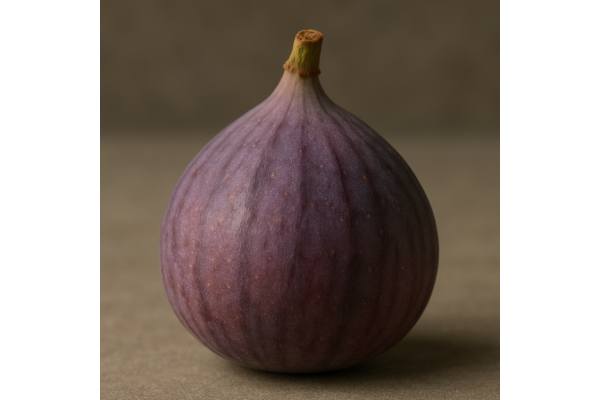
Fresh figs (Ficus carica) are soft, fragrant, and honeyed—one of the few fruits eaten at full botanical ripeness. Beneath their delicate skin, figs offer fiber, potassium, and small amounts of calcium and polyphenols, making them a smart addition to both savory and sweet dishes. You can enjoy figs fresh in salads, roasted with olive oil and herbs, or simmered into sauces. Dried figs are naturally sweeter and denser, concentrating fiber and minerals for portable snacking. Beyond flavor, figs contribute gentle digestive support and add variety to a plant-forward plate. This guide distills what matters most: how figs stack up nutritionally (per 100 g, fresh and dried), potential health benefits and limits, who should be cautious, and exactly how to select, store, and cook figs to preserve texture and nutrients. If you have ever wondered whether to leave the seeds in, how many to eat, or whether dried figs fit a blood-sugar plan, you will find clear answers below—grounded, practical, and ready for your next market run.
Fast Facts
- One serving is 2 medium fresh figs (~100–120 g) or 2–3 dried figs (~40–50 g), several times per week within fruit targets.
- Key benefits: fiber for regularity and potassium for heart-conscious eating; peel and seeds add polyphenols.
- Safety caveat: figs are high-FODMAP at typical portions and may provoke symptoms in sensitive IBS; dried figs are calorie-dense.
- Who should limit or avoid: those with confirmed fig or latex-related allergy, and people on low-oxalate diets as advised by a clinician.
Table of Contents
- Fig Basics: Detailed Overview
- Fig Nutrition Profile (per 100 g)
- Evidence-Based Health Benefits of Figs
- Risks, Allergies and Interactions
- Choosing Quality Figs, Sustainability and Storage
- Preparation, Cooking and Nutrient Retention
- Portions, Comparisons and FAQs
Fig Basics: Detailed Overview
Figs come from a unique inverted flower structure called a syconium. What looks like a fruit is a hollow pod lined with tiny blossoms that later become the crunchy seeds. That architecture explains the fig’s signature texture—soft, jammy flesh punctuated by delicate seeds—and why ripe figs feel richly sweet even when eaten plain. Common fresh varieties include Black Mission (deep purple to black, jammy), Brown Turkey (mild, copper-brown peel), Kadota (greenish-yellow, honeyed), Calimyrna (green skin with amber flesh, nutty), and Adriatic (light green, raspberry-red interior). Dried figs are often Mission or Calimyrna types further concentrated by dehydration.
From a cook’s perspective, figs behave differently than many fruits. Their cell structure collapses quickly under heat, so brief roasting or grilling intensifies flavor without turning them mushy. A light brush of oil helps browning; acid (lemon, balsamic, or pomegranate molasses) balances sweetness; and a pinch of salt amplifies aromatics. In savory dishes, figs pair naturally with sharp cheeses (feta, goat’s cheese), briny elements (olives, capers), bitter greens (arugula, radicchio), and toasted nuts (walnut, almond). In desserts, they shine with yogurt, honey, vanilla, warm spices, and citrus zest.
Nutritionally, fresh figs are modest in calories with about 2–3 g fiber per 100 g; dried figs pack more fiber and minerals per bite but also more sugars and energy. Potassium and calcium contribute to everyday electrolyte and bone needs, while polyphenols (notably flavonoids and phenolic acids) occur in both peel and seeds. The small edible seeds add texture and insoluble fiber, aiding stool bulk. Because figs ripen fully on the tree, their natural sugars are well developed by the time they reach your kitchen; portion awareness matters—especially with dried figs.
Finally, quality and safety hinge on handling. Figs bruise easily, so buy gently and store promptly. For dried figs, check labels: many are unsulfured and contain only figs; some may be dusted with a little rice flour to reduce sticking. Either way, proper storage preserves their fragrance and keeps textures supple rather than leathery. The pages ahead translate these facts into simple steps you can follow today.
Fig Nutrition Profile (per 100 g)
The tables below summarize typical values for fresh raw figs and dried figs. Natural variation occurs by cultivar and growing conditions. %DV uses standard adult Daily Values (e.g., Fiber 28 g; Potassium 4,700 mg; Calcium 1,300 mg; Iron 18 mg; Magnesium 420 mg; Vitamin C 90 mg; Vitamin K 120 µg; Vitamin E 15 mg; Vitamin B6 1.7 mg; Folate 400 µg; Vitamin A 900 µg RAE; Sodium 2,300 mg). Energy has no %DV.
Fresh Figs — Macros and Electrolytes (per 100 g)
| Nutrient | Amount | %DV |
|---|---|---|
| Energy | ~74 kcal | — |
| Water | ~79 g | — |
| Carbohydrate | ~19.2 g | — |
| Dietary Fiber | ~2.9 g | 10% |
| Total Sugars | ~16.3 g | — |
| Protein | ~0.8 g | 2% |
| Total Fat | ~0.3 g | 0% |
| Sodium | ~1 mg | 0% |
| Potassium | ~232 mg | 5% |
Fresh Figs — Vitamins (per 100 g)
| Vitamin | Amount | %DV |
|---|---|---|
| Vitamin C | ~2 mg | 2% |
| Vitamin K | ~4.7 µg | 4% |
| Vitamin B6 (Pyridoxine) | ~0.11 mg | 6% |
| Folate (DFE) | ~6 µg | 2% |
| Vitamin A (RAE) | ~7 µg | 1% |
| Vitamin E (Alpha-tocopherol) | ~0.1 mg | 1% |
| Niacin (B3) | ~0.4 mg | 3% |
| Thiamin (B1) | ~0.06 mg | 5% |
| Riboflavin (B2) | ~0.05 mg | 4% |
Fresh Figs — Minerals (per 100 g)
| Mineral | Amount | %DV |
|---|---|---|
| Calcium | ~35 mg | 3% |
| Iron | ~0.4 mg | 2% |
| Magnesium | ~17 mg | 4% |
| Phosphorus | ~14 mg | 1% |
| Zinc | ~0.15 mg | 1% |
| Copper | ~0.07 mg | 8% |
| Manganese | ~0.13 mg | 6% |
Dried Figs — Macros and Electrolytes (per 100 g)
| Nutrient | Amount | %DV |
|---|---|---|
| Energy | ~249 kcal | — |
| Carbohydrate | ~63.9 g | — |
| Dietary Fiber | ~9.8 g | 35% |
| Total Sugars | ~47.9 g | — |
| Protein | ~3.3 g | 7% |
| Total Fat | ~0.9 g | 1% |
| Sodium | ~10 mg | 0% |
| Potassium | ~680 mg | 14% |
Dried Figs — Vitamins and Minerals (per 100 g)
| Nutrient | Amount | %DV |
|---|---|---|
| Calcium | ~162 mg | 12% |
| Iron | ~2.0 mg | 11% |
| Magnesium | ~68 mg | 16% |
| Copper | ~0.29 mg | 32% |
| Manganese | ~0.51 mg | 22% |
| Vitamin K | ~15.6 µg | 13% |
| Vitamin B6 | ~0.11 mg | 6% |
Carbohydrates and Glycemic Notes
- Fresh figs are moderate in natural sugars with useful fiber; dried figs concentrate both.
- Dried figs have a low-to-moderate glycemic index when eaten in realistic portions, especially when replacing refined carbohydrates within a mixed meal.
- Pairing with protein, fat, or whole grains slows glucose rise and improves fullness.
Bioactives / Phytonutrients
- Polyphenols (flavonoids and phenolic acids) occur in skin and seeds; darker-skinned figs often show higher pigment content.
- Small organic acids (malic, citric) contribute brightness.
Allergens and Intolerance Markers
- True fig allergy is uncommon but documented and can involve cross-reactivity with latex or dust-mite proteins.
- FODMAPs: typical servings of fresh or dried figs can be high-FODMAP; smaller portions may be better tolerated for sensitive individuals.
Anti-nutrients and Notes
- Oxalates are present; dried figs contain predominantly insoluble oxalate. People on medically prescribed low-oxalate diets should follow clinician guidance.
- Additives: many dried figs are unsulfured; check labels for preservatives or sweeteners in flavored products.
Footnote: Values come from authoritative nutrient databases and peer-reviewed literature; packaged fig products (jam, bars, cookies) differ widely due to added sugars and fats.
Evidence-Based Health Benefits of Figs
Digestive regularity and comfort
Figs supply fiber in a tender, palatable matrix—the fruit’s tiny seeds and pectin-rich flesh add both insoluble and soluble fibers that support stool bulk and softness. In practice, people tend to eat figs with other foods (yogurt, oats, nuts), further improving texture and satiety. Dried figs are particularly helpful for those who struggle to meet daily fiber targets; two to three dried figs deliver roughly 3–5 g fiber, depending on size. If you are increasing fiber, step up slowly and drink water to limit gas or bloating.
Diet quality and nutrient density
Regular fig intake contributes potassium, magnesium, and small amounts of calcium and copper. Potassium supports normal fluid balance and complements sodium reduction strategies; magnesium plays roles in nerve and muscle function. In diet-quality research, including dried fruits like figs is associated with higher overall micronutrient intake and improved diet pattern scores, likely because they displace lower-nutrient snacks and increase fruit variety.
Polyphenols and oxidative balance
Figs contain flavonoids and phenolic acids located in the peel and seeds. These compounds act as antioxidants in assays and may modulate cell signaling pathways. While single-food effects are modest in humans, replacing refined sweets with figs can raise polyphenol diversity of the diet without adding artificial ingredients. Keeping the peel on preserves more of these pigments.
Glycemic management within meals
Despite their sweetness, figs can fit into carbohydrate-aware plans when portions are measured and when they replace refined sugars. Dried fruits in general show low-to-moderate glycemic indices and can blunt post-meal glucose rises when they displace equal carbohydrate from high-GI foods. Practical tip: top oatmeal or yogurt with chopped dried figs instead of sugary syrups; or pair two fresh figs with nuts as an afternoon snack.
Cardiometabolic considerations—balanced view
Figs provide fiber and potassium, both aligned with heart-conscious eating. However, isolated trials on dried figs and blood lipids have not demonstrated consistent cholesterol-lowering effects, and some studies report no benefit or small increases in total cholesterol when energy intake rises. The take-home: figs are best used to upgrade food choices (e.g., replacing candies or pastries) rather than as a stand-alone cardiometabolic “fix.”
Bowel regularity during special life stages
Traditional preparations (e.g., fig syrups or fig-walnut mixtures) are often used for constipation relief. In modern clinical settings, formulations containing fig have shown improvements in stool frequency and comfort in certain groups. Whole fruit remains the simplest starting point: combine two fresh figs or two small dried figs with a glass of water at breakfast and reassess tolerance.
Culinary leverage for weight management
Because figs are flavorful at small portions, they can satisfy a sweet craving while contributing fiber. Fresh figs add volume for few calories; dried figs should be portioned (by count or weight) to prevent “handful creep.” In desserts, using figs to sweeten yogurt or ricotta helps cut added sugars without sacrificing enjoyment.
Bottom line on benefits
Figs are a useful fruit—fiber-forward, mineral-supportive, and rich in polyphenols—when eaten mindfully. They support digestive regularity and can improve the quality of snacks and desserts. Their benefits emerge most clearly when figs replace refined sweets, are paired with protein and healthy fats, and are enjoyed as part of a varied, plant-forward pattern.
Risks, Allergies and Interactions
Allergy and cross-reactivity
Fig allergy is rare but real. Cases include immediate reactions after fresh fig ingestion with sensitization to fig proteins and cross-reactivity with dust-mite cysteine proteases or, less commonly, with latex-related allergens. Symptoms range from oral itching to hives or, rarely, systemic reactions. People with a history of latex-fruit syndrome or strong dust-mite allergy who have reacted to fig should seek evaluation from an allergist. Cooking may not fully prevent reactions.
FODMAPs and digestive sensitivity
Figs—fresh and dried—can be high in FODMAPs at common portions. In individuals with irritable bowel syndrome (IBS), too-large servings can trigger bloating or discomfort. Strategies include smaller portions (e.g., one small fresh fig), pairing with protein or fat, and spacing servings through the week. An experienced dietitian can help personalize thresholds.
Oxalates and kidney-stone risk
Dried figs contain measurable oxalates, predominantly in insoluble form. For most people, typical portions are reasonable within a balanced diet. Those with a history of calcium oxalate kidney stones or on medically prescribed low-oxalate plans should follow individualized guidance on amounts and hydration. Pairing calcium-containing foods (e.g., yogurt) with higher-oxalate foods at meals can reduce oxalate absorption.
Blood sugar and energy density
Dried figs are calorie-dense. While they can be part of a carbohydrate-conscious plan, portions matter. Individuals using carbohydrate counting should log dried figs by weight or count, and ideally substitute them for other sweets instead of adding them on top.
Drug and condition notes
- Warfarin and vitamin K: figs provide small to modest vitamin K (higher in dried than fresh). Consistency—not avoidance—is the goal if you use warfarin; coordinate with your care team.
- Oral allergy syndrome/pollen-related reactions: some people with birch or Ficus pollen sensitivities report oral itching with raw figs; cooking or peeling may reduce symptoms but should be approached cautiously under guidance.
- Infants and young children: offer soft, cut fresh figs (peel on) and avoid large sticky pieces of dried figs that could pose a choking risk. Always supervise.
Food safety and quality
Buy fresh figs that feel heavy, smell fragrant, and show no splits or oozing. Refrigerate promptly and use within 2–3 days. For dried figs, store airtight in a cool, dark place; refrigerate in warm climates to prevent quality loss. Discard any figs with off-odors, visible mold, or unusually sour taste.
Choosing Quality Figs, Sustainability and Storage
How to select the best figs
- Look and feel: choose plump, heavy figs with unbroken, velvety skin. A slight tear at the stem can be normal; avoid oozing or sour smell.
- Color cues: variety dictates color—from greenish-yellow Kadota to nearly black Mission—so focus on uniformity and bloom (a fine, natural “dust” on some figs) rather than a specific shade.
- Ripeness test: ripe figs should yield to gentle pressure. Very firm figs may soften somewhat at room temperature but will not develop much additional sweetness after harvest.
- For dried figs: pick soft, pliable fruits without hard crystals. A delicate white “sugar bloom” is usually crystallized natural sugars, not mold; break one open to confirm a clean, caramel-like aroma.
Sustainability pointers
- Seasonality first: buy fresh figs in-season locally when possible to reduce transport emissions and maximize flavor.
- Packaging matters: bulk dried figs reduce plastic; if prepackaged, choose recyclable materials.
- Food-waste savvy: figs are fragile—plan to use fresh purchases within a couple of days. Overripe figs make excellent quick jams, chutneys, or compotes.
Storage and handling
- Fresh figs: keep unwashed in a shallow container lined with paper towel; refrigerate up to 2–3 days. Wash just before eating.
- Ripening: slightly underripe figs can rest on the counter for a day; check twice daily.
- Dried figs: store in an airtight jar or bag in a cool pantry for up to several months; refrigerate for longer storage (6–12 months) to preserve moisture and prevent insect activity.
- Freezing: freeze halved fresh figs on a tray, then pack airtight for up to 6 months; thaw in the fridge for sauces, compotes, or baking.
Smart shopping for your goals
- Want lower sugar per bite? Choose fresh figs and build a snack with yogurt or nuts.
- Looking for more minerals and fiber? Two to three dried figs deliver.
- Prefer clean labels? Many dried figs are ingredients-only; scan for added sweeteners or flavorings and choose unsulfured if you are sensitive to sulfites.
Shelf-life troubleshooting
- Dry or tough dried figs: rehydrate briefly in hot water, citrus juice, or tea, then pat dry.
- Sour aroma: fermenting—discard.
- Sticky clumps: separate and dust lightly with a teaspoon of fine almond flour or oat flour before storing.
Preparation, Cooking and Nutrient Retention
Prep basics
Rinse fresh figs under cool water and pat dry. Keep the peel on—it holds aroma compounds and polyphenols. Trim the stem; leave whole, halve, or quarter depending on the recipe. For dried figs, snip the stem tip if firm, then chop or slice with a lightly oiled knife to prevent sticking.
Cooking methods that protect texture and flavor
- Quick roast (200–220°C): Halve fresh figs, brush cut sides with a thin film of olive oil, and roast 8–12 minutes until edges caramelize. This preserves structure, concentrates flavor, and minimizes nutrient loss.
- Grill or broil: Char lightly for smoky notes; finish with lemon juice for brightness.
- Skillet warm-up: Heat sliced figs briefly in a nonstick pan with a splash of water or citrus to loosen fibers for gentle digestion without added fat.
- Poach: Simmer in lightly sweetened tea, wine, or spiced water; reduce the liquid to a glaze. This enriches desserts while allowing controlled sugars.
- Hydrate dried figs smartly: Soak in hot water or brewed tea for 10 minutes, then drain and fold into salads or grains—softer texture, less stickiness, and better mixing.
Flavor building blocks
- Savory: prosciutto or tempeh, goat cheese or feta, arugula, walnuts, balsamic vinegar, thyme, black pepper.
- Sweet: yogurt or ricotta, honey (sparingly), orange zest, cinnamon, cardamom, vanilla.
- Acids and salts: lemon, verjus, pomegranate molasses, flaky salt—all keep sweetness in check.
Retention tips for nutrients and balance
- Keep skins on to retain polyphenols and fiber unless you have a specific sensitivity.
- Limit added sugars: figs are naturally sweet; use their sweetness to reduce syrups and table sugar in recipes.
- Control portions of dried figs: weigh or pre-portion to prevent accidental overconsumption.
- Pairing for glycemia: combine figs with protein or fat (e.g., yogurt, nuts) and whole grains to slow absorption.
- Workshop the “fig swap”: replace some dessert sugar with chopped figs; in baking, exchange 25–33% of sugar with finely chopped dried figs (reduced by weight) and add 1–2 tablespoons of liquid to the batter to account for fiber.
Three fast, balanced ideas
- Warm Fig and Lentil Salad: roasted figs, warm lentils, arugula, toasted walnuts, lemon-thyme vinaigrette.
- Breakfast Bowl: Greek yogurt, quartered fresh figs, pumpkin seeds, and a spoon of cooked steel-cut oats.
- Weeknight Pan Sauce: deglaze a chicken or mushroom pan with balsamic and stock, stir in chopped rehydrated dried figs, simmer to glossy, and finish with pepper.
Common pitfalls to avoid
- Overcooking fresh figs until stringy; stop when edges caramelize.
- Adding syrups out of habit; taste first—figs may be sweet enough.
- Deep poaching in heavy sugar syrups that overshadow fig flavor and derail nutrition goals.
Portions, Comparisons and FAQs
Portion guidance you can use
- Fresh: 2 medium figs (~100–120 g) as a fruit serving.
- Dried: 2–3 small dried figs (~40–50 g).
- Frequency: several times per week within overall fruit goals (e.g., ~1.5–2 cups fruit daily for many adults), adjusting for energy needs and blood-sugar targets.
- For weight management: pre-portion dried figs (small containers or counted pieces). Pair with protein to improve satiety.
How figs compare to similar choices (per ~100 g)
- Fresh fig vs fresh pear: both provide ~3 g fiber; figs are lower in vitamin C but offer small amounts of calcium and copper.
- Dried fig vs dates: both are sweet and energy-dense; dried figs usually provide more fiber and calcium, dates often more potassium per serving.
- Fresh fig vs grapes: figs deliver more fiber and a denser, jammy texture; grapes are juicier with higher vitamin C in some varieties.
- Dried fig vs prune: prunes often provide more sorbitol (a stool-softening polyol); figs provide more calcium and a different flavor profile.
Frequently asked questions
Are figs low carb or keto-friendly?
Not typically. Fresh figs have moderate sugars; dried figs are concentrated. If you follow strict keto, figs are best reserved for rare, small portions.
Do I need to peel fresh figs?
No. The peel is edible and contributes aroma compounds, fiber, and polyphenols. Rinse and eat.
Can figs help with constipation?
Figs supply fiber and water-binding pectin. Many people find them helpful when combined with fluids and an overall fiber-rich pattern. Start with one to two figs, assess comfort, and build up.
What about blood sugar?
Portion and pairing matter. Enjoy fresh figs with yogurt, cottage cheese, or nuts; for dried figs, count pieces and substitute them for other sweets rather than adding them.
Are dried figs sulfite-free?
Often yes, but read labels. Many are simply “figs.” If you are sulfite-sensitive, choose unsulfured options.
Can people with kidney stones eat figs?
Some can, in moderated portions within personalized plans. Dried figs contain oxalates; coordinate with your clinician and focus on hydration and dietary calcium balance.
References
- Phytochemical Composition and Health Benefits of Figs (Fresh and Dried): A Review of Literature from 2000 to 2022 2023 (Systematic Review).
- Dried Fruits: Bioactives, Effects on Gut Microbiota, and Possible Health Benefits—An Update 2023 (Systematic Review).
- Adverse reaction to Ficus Carica: reported case of a possible cross-reactivity with Der p1 2020 (Case Report).
- Oxalate in Foods: Extraction Conditions, Analytical Methods, Occurrence, and Health Implications 2023 (Review).
- USDA FoodData Central 2025.
Medical Disclaimer
The information in this article is educational and not a substitute for professional medical advice, diagnosis, or treatment. Always speak with your healthcare provider about your personal health needs, food allergies, and any changes to your diet—especially if you manage diabetes, kidney stones, IBS, or take prescription medications. Seek urgent care for symptoms of an allergic reaction after eating figs.
If this guide was helpful, please consider sharing it with friends or on Facebook or X. Your support helps us continue creating practical, evidence-informed nutrition resources.