Finocchio, better known in English as fennel, is one of those herbs that sits comfortably between kitchen and clinic. Its crisp bulb is a familiar vegetable, but its dried fruits, often called fennel seeds, have an older medicinal identity. Across Mediterranean, Middle Eastern, and South Asian traditions, fennel has long been used to ease gas, bloating, mild cramping, and heavy post-meal discomfort. It is also found in remedies for coughs, menstrual pain, and, historically, infant colic.
What makes Finocchio especially interesting is the gap between how gentle it feels and how active it can be. Its aroma-rich fruits contain compounds such as anethole, fenchone, and estragole, which help explain fennel’s carminative, antispasmodic, and expectorant reputation. Modern research supports some of these traditional uses, especially for digestive symptoms and menstrual cramps, but the evidence is not equally strong for every claim.
For most people, fennel works best when used simply: as a tea, a meal-time spice, or a short-term herbal support. The key is choosing the right form, using modest doses, and paying attention to safety.
Quick Overview
- Finocchio is most useful for mild bloating, trapped gas, and crampy post-meal discomfort.
- It may also help some people with menstrual pain and coughs linked to colds, though the evidence is more limited.
- A common tea range is 1.5 g crushed fennel fruit in 250 mL hot water, up to 3 times daily.
- Essential oil is much more concentrated than tea and deserves greater caution.
- Pregnant or breastfeeding people, children under 4, and anyone with an Apiaceae allergy should avoid unsupervised medicinal use.
Table of Contents
- What Is Finocchio
- Key Ingredients in Finocchio
- Does Finocchio Help Digestion
- Other Benefits and Uses
- How to Use Finocchio
- How Much Finocchio Per Day
- Safety and Research Limits
What Is Finocchio
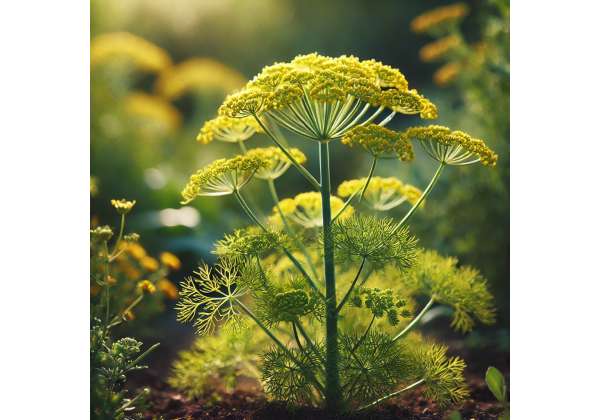
Finocchio is the Italian name for fennel, a fragrant plant in the Apiaceae family. Botanically, it is Foeniculum vulgare, a species with a long culinary and medicinal history. The plant has soft feathery leaves, yellow umbrella-like flowers, and aromatic fruits that are commonly called seeds. Those fruits are the part most often used in herbal medicine, while the bulb is mainly treated as food.
This distinction matters because many readers searching for fennel benefits are actually looking for the medicinal actions of the fruit, not the nutrition of the bulb. The bulb contributes fiber, vitamin C, and useful plant compounds, but traditional herbal use usually focuses on the dried fruits and sometimes the essential oil. In European herbal medicine, sweet fennel fruit is the more familiar medicinal form, while bitter fennel has a stronger essential-oil profile and somewhat different composition.
Fennel also has a naming problem worth clearing up early. It is related to other aromatic herbs in the same family, and its flavor is often compared with anise because both share a sweet, licorice-like aroma. But they are not identical. Their chemistry overlaps, yet their traditional use, intensity, and safety details are not fully interchangeable.
In practical terms, Finocchio is best understood in three ways:
- As a digestive herb that helps with gas, bloating, and mild cramping
- As a respiratory support herb used in some cold and cough preparations
- As a kitchen-medicine herb that works well in teas, spice blends, and after-meal routines
That combination explains why fennel remains popular. It is approachable, pleasant tasting, and versatile enough to belong in both a pantry and an herbal cabinet. At the same time, it is more pharmacologically active than its mild flavor suggests. The same essential oil that gives fennel its sweetness also carries its most important benefits and its main safety caveats.
Another useful distinction is between food use and medicinal use. Adding fennel bulb to a salad or using a pinch of fennel fruit in cooking is very different from drinking multiple cups of medicinal-strength tea or using concentrated oil. Most safety discussions become much more important once fennel is used as a remedy rather than as a flavoring.
So when people ask what Finocchio is, the most honest answer is this: it is both a vegetable and an herb, but the medicinal conversation centers on the aromatic fruit. That is the part linked most clearly to fennel tea, digestive remedies, and traditional therapeutic use.
Key Ingredients in Finocchio
The key ingredients in Finocchio are concentrated mainly in the fruit’s volatile oil. These aromatic compounds give fennel its distinctive sweet smell and explain much of its traditional use for digestion, spasm, and cough. The best known constituent is trans-anethole, which is often treated as fennel’s signature compound. It contributes the licorice-like aroma and appears to play a major role in smooth-muscle relaxation and carminative effects.
Other important constituents include:
- Fenchone
- Estragole
- Limonene
- Alpha-pinene and related terpenes
- Flavonoids
- Phenolic acids
- Fixed oils and fiber in the whole fruit
Together, these compounds make fennel more than a pleasant spice. They give it a multi-layered profile that helps explain why it has been used for flatulence, cramping, cough, and menstrual discomfort. Trans-anethole is the best studied, but it does not act alone. The fruit behaves more like a small chemical network than a single-compound herb.
One of the most useful ways to think about fennel is by separating whole-fruit use from essential-oil use. Whole crushed fruits provide essential oil in diluted form, along with fiber and non-volatile compounds. Essential oil, by contrast, is highly concentrated and behaves differently in the body. This is why fennel tea is generally far gentler than fennel oil capsules or drops.
A few compounds deserve special attention.
Trans-anethole is usually linked with:
- Carminative action
- Mild antispasmodic effects
- Expectorant support
- Some estrogen-like activity in experimental models
Fenchone is associated with:
- Bitter aromatic notes
- Digestive stimulation
- Variety-specific differences between sweet and bitter fennel
Estragole matters mostly for safety. It is a naturally occurring compound in fennel and other aromatic plants, and regulatory bodies have paid close attention to it because of toxicology concerns at higher exposure levels. That does not mean ordinary culinary fennel is unsafe. It does mean that concentrated products, prolonged use, and use in sensitive groups require more caution than many marketing pages admit.
Fennel also contains antioxidant polyphenols, though these are not usually the main reason people take it. In practice, its real strength comes from its aromatic digestive action, much like other classic spice-herbs such as caraway. Both work best when the goal is comfort rather than dramatic treatment.
The broad action profile of Finocchio therefore looks like this:
- It may relax smooth muscle in the gut.
- It may help trapped gas move more comfortably.
- It may loosen mucus or support easier expectoration.
- It may modestly influence menstrual cramping.
- It may show mild hormone-like activity in some contexts.
This is why fennel feels simple at first and more complex on closer look. Its chemistry supports genuine herbal use, but it also explains why the form, dose, and person using it matter. Whole fennel fruit tea is not the same as fennel essential oil, and safety decisions should reflect that difference.
Does Finocchio Help Digestion
Yes, Finocchio can help digestion, especially when the problem is gas, bloating, mild intestinal spasm, or a heavy feeling after meals. This is the area where fennel’s traditional use and modern evidence line up most clearly. Regulatory monographs in Europe recognize fennel fruit for the symptomatic treatment of mild spasmodic gastrointestinal complaints, including bloating and flatulence, and that is the most realistic place to set expectations.
What fennel seems to do best is reduce discomfort rather than solve the underlying cause of a chronic digestive disorder. If you eat quickly, overeat, consume a meal that reliably causes bloating, or tend to feel tight and gassy after food, fennel tea can be a useful first-line herbal option. The volatile oils appear to help relax intestinal smooth muscle and support more comfortable movement of gas through the gut.
This makes fennel especially relevant for:
- Mild post-meal bloating
- Gas with a feeling of pressure
- Crampy digestion
- Functional heaviness after rich meals
- Mild digestive spasm without alarm symptoms
It is less convincing for:
- Chronic inflammatory bowel disease
- Severe constipation
- Peptic ulcer disease
- Unexplained abdominal pain
- Reflux as a primary problem
That distinction matters. Fennel works best in the “everyday discomfort” zone. It is not a substitute for evaluation if symptoms are persistent, painful, or associated with weight loss, bleeding, fever, vomiting, or nighttime pain.
The form also affects the outcome. Crushed fennel fruit in hot water is usually the most practical digestive format because it releases enough volatile oil to be active without turning the dose into something extreme. Some people chew the fruits after meals, which can also help, though the effect is often milder than a warm infusion.
In routine self-care, fennel often fits into the same after-meal habit people build with peppermint. The difference is that peppermint tends to feel cooling and sharper, while fennel feels warmer, sweeter, and more spice-like. People who dislike mint or find it too cooling sometimes prefer fennel for that reason alone.
There is also a behavioral side to fennel’s usefulness. Warm tea after a meal slows eating, promotes gentler pacing, and encourages abdominal relaxation. That does not reduce fennel’s value. It strengthens it. The herb and the ritual often work together.
A realistic digestive benefit hierarchy looks like this:
Most plausible:
- Reduced gas pressure
- Less mild cramping
- Better post-meal comfort
Possible but less certain:
- Support for sluggish digestion
- Help with mild appetite loss through bitter-aromatic stimulation
- Secondary calming effect through warm tea use
Not established:
- Treatment of chronic gastrointestinal disease
- Reliable cure for IBS
- Major improvement in reflux or ulcers
So if your question is whether Finocchio helps digestion, the answer is yes, provided the goal is modest and specific. It is one of the better known kitchen herbs for mild digestive complaints, and its reputation here is stronger than many broader claims made for it online.
Other Benefits and Uses
Beyond digestion, Finocchio has several other traditional and researched uses, though the evidence is more uneven. The most discussed are menstrual comfort, cough support, menopausal symptoms, and infant colic. Each has some basis, but they do not all deserve the same level of confidence.
Menstrual cramps are one of fennel’s more promising non-digestive uses. Systematic reviews suggest fennel may reduce pain in primary dysmenorrhea, and some trials have found it comparable to standard pain relievers in selected groups. That does not mean it should replace every conventional option, but it does make fennel more than a folk remedy in this area. The likely explanation is a mix of antispasmodic and anti-inflammatory effects, together with possible modulation of uterine smooth muscle activity.
Menopausal symptom relief is more tentative. Some studies have suggested benefit for vasomotor and other menopausal symptoms, but the evidence remains limited and the trials are not equally strong. This is an area where fennel is better described as interesting than established. It may deserve attention in women who prefer botanical support, but it should not be oversold.
Fennel is also traditionally used as an expectorant in coughs associated with colds. Here the logic is plausible. Its aromatic oils may help loosen mucus and make coughing feel less dry or tight. The effect is usually gentle, not dramatic. In practical terms, fennel tea is more of a supportive cough herb than a primary respiratory treatment.
Infant colic is the most complicated use. Older trials and reviews suggest fennel preparations may reduce colic symptoms. However, modern safety guidance has become stricter because of estragole exposure and the limits of safety data in very young children. That means fennel should not be treated as a casual home remedy for infants simply because older studies look encouraging. Current medicinal guidance in Europe does not recommend fennel use in children under 4 without appropriate consideration of safety.
Other commonly mentioned uses include:
- Mild bad breath after meals
- Support for heavy-feeling digestion after fatty foods
- Use in mixed herbal teas for cough or bloating
- Culinary use to improve tolerance of legumes and rich dishes
If menstrual pain is the main reason for reaching for an herb, fennel may be worth comparing with ginger, which has a more familiar modern evidence trail for pain and nausea. The two are not identical, but they often appear in the same practical conversation.
A realistic summary of non-digestive uses would be:
Reasonably supported:
- Primary dysmenorrhea support
- Gentle expectorant use in colds
Promising but limited:
- Menopausal symptom support
- Selected mixed-herb respiratory use
Historically interesting but more safety-limited today:
- Infant colic preparations
That balanced view matters because fennel’s pleasant taste can make it seem safer and more universally appropriate than it really is. It has broad traditional use, but the best modern approach is selective: digestion first, menstrual pain second, cough support third, and extra caution anywhere infants, concentrated oil, or long-term use are involved.
How to Use Finocchio
Finocchio is easy to use well if you stay close to its gentlest traditional forms. For most people, that means whole or lightly crushed fruits used as tea, or modest culinary use in food. The more concentrated the preparation becomes, the more attention safety deserves.
The most common and practical ways to use it are:
- Herbal tea or infusion
- Chewed fruits after meals
- Culinary spice in soups, legumes, breads, and roasted vegetables
- Powdered fruit in capsules
- Standardized extracts
- Essential oil, usually only in specialized products
Tea is the simplest place to start. Crushing the fruits just before steeping helps release the essential oil. Covering the cup while steeping matters, because the most useful compounds are aromatic and can evaporate easily. This small detail is one reason fennel tea made with intact old fruits often feels weaker than expected.
A basic fennel tea method looks like this:
- Lightly crush the fruits.
- Add hot or just-boiled water.
- Cover and steep about 10 to 15 minutes.
- Strain and sip after meals or when needed.
Chewing a small amount of fennel fruit after meals is another traditional method. It is common in several food cultures and can be helpful for mild breath and digestive support. The effect is milder than tea, but it is convenient and food-like.
Culinary use is sometimes underestimated. If your goal is gentle digestive support, adding fennel fruit to beans, lentils, or rich dishes may be enough to reduce heaviness for some people. This works especially well when you want repeated low-level exposure rather than a “take this when you hurt” approach.
Fennel also blends well with other kitchen herbs. In after-dinner teas, it is often paired with softer herbs such as chamomile for a calmer, rounder flavor and a broader comfort effect. These pairings can make fennel easier to use consistently without pushing the dose too high.
Capsules and extracts are more variable. They can be convenient, but they also make it harder to know whether you are getting powdered fruit, essential oil, or a concentrated extract. Labels matter. A product that clearly states the amount of fennel fruit equivalent is easier to use responsibly than one that simply says “fennel blend.”
Essential oil deserves separate treatment. It is not interchangeable with tea. It is concentrated, richer in volatile constituents, and more likely to cause problems if taken internally without guidance. For routine digestive or cough support, whole fruit or tea is usually the better choice.
The safest practical approach is this:
- Use whole fruit for daily or short-term comfort.
- Use tea for bloating, mild cramping, or cough support.
- Use capsules only if the labeling is clear.
- Avoid improvising with essential oil by mouth.
That approach keeps Finocchio in the zone where its benefits are most useful and its risks are easier to manage.
How Much Finocchio Per Day
A common medicinal tea dose for Finocchio is 1.5 g of crushed fennel fruit in 250 mL of boiling water, taken up to 3 times daily. This is one of the clearest dosage frameworks available from European herbal monographs and gives a practical adult reference point for digestive complaints, cough associated with colds, and minor menstrual spasm.
That translates into a daily amount of about 4.5 g of fennel fruit when used at full tea strength. In everyday practice, many people use slightly less, especially when the goal is mild post-meal comfort rather than active symptom management.
A sensible dosing range looks like this:
- Light food-style use: 0.5 to 1 g chewed or added to food
- Tea for mild support: 1 to 1.5 g crushed fruit per cup
- Full traditional tea use: 1.5 g per 250 mL, 3 times daily
- Typical short-term maximum from traditional tea use: about 4.5 g per day
A few practical variables affect the real dose:
- Crushed fruits release more oil than whole fruits
- Freshly crushed material is usually stronger than old pre-ground powder
- Tea is different from capsules and very different from essential oil
- Bitter fennel and sweet fennel are not compositionally identical
Timing matters too. For digestion, fennel works best after meals or when bloating begins. For menstrual cramps, people often start during the day symptoms begin or slightly before expected onset, depending on how they use it. For cough support, it is usually taken in divided warm doses across the day rather than all at once.
Duration should stay modest. Traditional monographs generally frame fennel as a short-term herbal medicine, not something to be taken indefinitely at medicinal doses. For adults, a period of up to 1 to 2 weeks is a practical upper limit for self-directed medicinal-style use unless a clinician advises otherwise.
What about children? This is where many older home-remedy habits clash with newer safety thinking. Medicinal use in children under 4 is not generally recommended in current EMA guidance because of limited safety data and concern about estragole exposure. Older traditions and older colic trials do exist, but they do not erase that caution.
One common mistake is to assume “more tea equals more benefit.” With fennel, that is not always true. Once the digestive spasm and gas pressure ease, larger amounts may simply add unnecessary exposure rather than more relief. Another mistake is treating essential oil doses as if they were comparable to fruit tea. They are not.
A reasonable dosing mindset is therefore:
- Start low if you are sensitive.
- Use the fruit, not the oil, for ordinary self-care.
- Match the form to the goal.
- Use short-term, not indefinite, medicinal dosing.
- Stop if symptoms worsen or fail to improve.
This makes Finocchio a good example of how an herb can be both everyday and specific. It is not hard to use, but it does reward measured dosing more than casual excess.
Safety and Research Limits
Finocchio is generally well tolerated when used in food amounts or short-term tea doses, but it is not risk-free. Its pleasant flavor can make people forget that fennel contains active volatile compounds, including estragole, and that concentrated preparations deserve more caution than ordinary kitchen use.
The most common side effects are mild and usually include:
- Allergic skin reactions
- Itching or respiratory sensitivity in people prone to plant allergies
- Mild stomach irritation in sensitive users
- Occasional headache or dislike of the aroma at higher intakes
People with allergies to Apiaceae family plants should be especially careful. This includes those who react to celery, carrot, coriander, dill, or similar herbs. In such cases, even tea may not be a good fit.
Several groups should avoid unsupervised medicinal use:
- Pregnant people
- Breastfeeding people
- Children under 4
- People with hormone-sensitive conditions
- Anyone planning to use fennel essential oil internally
The pregnancy and lactation caution is important. Current European monographs do not recommend medicinal use during pregnancy or breastfeeding because safety has not been established and estragole exposure remains a concern. That does not mean one fennel-flavored meal is dangerous. It means medicinal-style use is not automatically appropriate in these groups.
Drug-interaction data are limited, which means caution should be proportional to dose and concentration. Whole fruit tea is less concerning than concentrated extract or oil, but reasonable care still makes sense with:
- Hormone-related medicines
- Multiple herbal products with estrogen-like activity
- Highly concentrated essential oils
- People taking many medications who want to add daily herbal products
Research limits matter just as much as safety limits. Fennel’s best-supported uses are digestive complaints and primary dysmenorrhea. The evidence for menopausal symptoms is promising but not definitive. The evidence for cough support is plausible and tradition-based more than trial-rich. Infant colic is the classic example of a claim that looks encouraging on paper but becomes more complicated when modern safety guidance is applied.
A fair evidence summary is this:
Most supported:
- Mild bloating and flatulence
- Mild gastrointestinal spasm
- Primary dysmenorrhea support
Plausible but more limited:
- Cough support in colds
- Menopausal symptom relief
Needs extra caution despite historical or trial interest:
- Infant colic
- Long-term concentrated use
- Essential oil by mouth
This is why fennel remains useful without being a cure-all. It is a genuinely helpful herb in the right lane, especially for digestive discomfort, but it should not be stretched into evidence-free promises. If your symptoms are chronic, severe, or unexplained, the answer is not simply more fennel.
The most practical conclusion is simple: Finocchio is a reliable short-term herb for common digestive complaints and possibly menstrual pain, but the form, dose, and person using it determine whether it stays gentle or becomes less appropriate than it first appears.
References
- Effect of fennel on primary dysmenorrhea: a systematic review and meta-analysis 2021 (Systematic Review)
- Fennel (Foeniculum vulgare Miller) for the management of menopausal women’s health: A systematic review and meta-analysis 2021 (Systematic Review)
- European Union herbal monograph on Foeniculum vulgare Miller subsp. vulgare var. dulce (Mill.) Batt. & Trab., fructus 2024 (Monograph)
- Final assessment report on Foeniculum vulgare Miller subsp. vulgare var. vulgare and Foeniculum vulgare Miller subsp. vulgare var. dulce (Mill.) Batt. & Trab., fructus – Revision 1 2024 (Assessment Report)
- Public statement on the use of herbal medicinal products containing estragole 2022 (Public Statement)
Disclaimer
This article is for educational purposes only and does not replace medical advice, diagnosis, or treatment. Finocchio can be helpful for mild digestive symptoms, but it is not a substitute for medical care when pain is severe, persistent, unexplained, or accompanied by fever, bleeding, weight loss, vomiting, or breathing trouble. Medicinal use during pregnancy, breastfeeding, early childhood, or alongside complex health conditions should be discussed with a qualified healthcare professional. Concentrated fennel oil should be treated with greater caution than food or tea.
If you found this guide useful, please share it on Facebook, X, or your preferred platform to help more readers find balanced, practical herbal information.