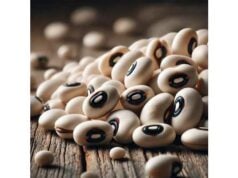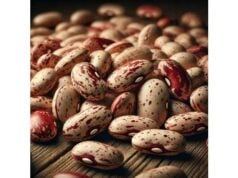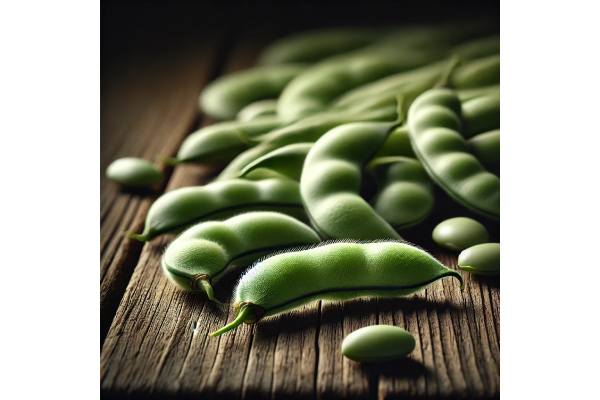
Flageolet beans are small, pale green beans prized in French cooking for their delicate, buttery texture and mild, nutty flavor. A type of common bean (Phaseolus vulgaris), they’re typically harvested young and dried, which helps them keep their signature color and hold their shape when simmered. Beyond their culinary charm, flageolets deliver notable nutrition: substantial fiber, plant protein, potassium, iron, and folate, with very little fat and a low glycemic impact. In the kitchen, they’re versatile—equally at home in cassoulet, herbed salads, and olive oil–dressed side dishes. If you’re seeking a budget-friendly, sustainable protein that supports heart and metabolic health, flageolets are an excellent fit. This guide covers what sets them apart, how their nutrients stack up, the strongest evidence for benefits, safety considerations (including lectins and digestive tolerance), how to shop and store them, and practical steps for cooking to maximize flavor and retain nutrients.
Quick Overview
- Provides ~9–10 g protein and ~6 g fiber per 100 g cooked, with iron, potassium, and folate that support heart and metabolic health.
- Low glycemic impact; pairing with grains or veggies builds a steady-energy meal.
- Safety: dried beans must be soaked and fully boiled; never slow-cook from dry due to lectins.
- Sensible intake: ½–1 cup cooked (90–180 g), 3–5 times weekly as part of varied meals.
- Limit or avoid: during IBS flares (FODMAP sensitivity), on potassium-restricted diets unless advised, or with confirmed legume allergy.
Table of Contents
- Flageolet beans: detailed overview
- Flageolet beans nutrition profile (per 100 g)
- Evidence-based health benefits
- Risks, allergies and interactions
- Selecting, quality, sustainability and storage
- Preparation, cooking and nutrient retention
- Portions, comparisons and FAQs
Flageolet beans: detailed overview
Flageolet beans are a heritage French variety of common bean, valued for their pale jade color and tender bite after cooking. They’re frequently called the “caviar of beans” in classic French cuisine, where they accompany roasted lamb or enrich slow-cooked stews like cassoulet. Unlike fully mature white beans (e.g., navy, cannellini), flageolets are usually harvested when the seeds are still immature and then gently dried, which preserves a delicate, vegetal sweetness and their distinctive hue.
Flavor and texture. Properly cooked flageolets are creamy yet retain their shape. Their mild taste pairs well with aromatics (garlic, shallot), woody herbs (thyme, rosemary), bay leaf, and the richness of good olive oil. Acidic elements—lemon zest, vinegar, tomatoes—brighten their earthiness without overpowering.
Where they fit nutritionally. Like other pulses, flageolets are a high-fiber, high-protein, low-fat staple. A typical 100 g cooked portion provides roughly 9–10 g protein and 6 g fiber with minimal saturated fat. That profile supports satiety, steady post-meal blood sugar, and cardiometabolic markers. They’re also rich in potassium and magnesium, important for blood pressure regulation and muscle function, and provide iron and folate—key for oxygen transport and cell growth.
Varieties and forms. You’ll see dried flageolets (most common), canned flageolets (fully cooked and convenient), and, rarely, fresh shelled flageolets in season. French labels may list them as flageolets verts. Dried beans often originate from France, but excellent versions are grown elsewhere.
Culinary uses. Beyond stews, flageolets shine in salads with vinaigrette, in purées for toasts, stirred into vegetable soups, or served warm with sautéed greens. Their subtle flavor makes them a gentle way to increase bean intake for people who find stronger legumes (like red kidney beans) too assertive.
Who benefits most. Home cooks seeking cost-effective protein; people aiming to increase fiber intake for gut regularity; those building Mediterranean-style or plant-forward patterns; and anyone who appreciates refined, simple flavors.
How they compare. Versus navy or cannellini beans, flageolets are similar nutritionally but a bit firmer when cooked al dente and more herb-friendly in flavor. Compared with lentils, they cook longer but deliver a creamier interior and slightly higher potassium per serving.
Key tip. Because lectins in raw or undercooked beans can cause acute GI symptoms, dried flageolets should be soaked and boiled thoroughly before eating (canned beans are already cooked and safe).
Flageolet beans nutrition profile (per 100 g)
The following values reflect cooked flageolet/white common beans without added salt. Actual values vary by crop and brand. % Daily Value (%DV) uses current U.S. reference DVs (adults and children ≥4 years).
Macros & electrolytes (per 100 g cooked)
| Nutrient | Amount | %DV |
|---|---|---|
| Energy | 139 kcal | — |
| Protein | 9.7 g | 19% |
| Total carbohydrate | 25.0 g | 9% |
| Dietary fiber | 6.3 g | 23% |
| Total sugars | 0.6 g | — |
| Starch | 18–19 g | — |
| Total fat | 0.35 g | 0% |
| Saturated fat | 0.1 g | 1% |
| Sodium | 3–10 mg | 0% |
| Potassium | ~560 mg | 12% |
Minerals (per 100 g cooked)
| Mineral | Amount | %DV |
|---|---|---|
| Iron | ~3.7 mg | 21% |
| Magnesium | ~63 mg | 15% |
| Phosphorus | ~113 mg | 9% |
| Zinc | ~1.4 mg | 13% |
| Copper | ~0.29 mg | 32% |
| Manganese | ~0.64 mg | 28% |
| Calcium | ~90 mg | 7% |
| Selenium | ~3 µg | 5% |
Vitamins (per 100 g cooked)
| Vitamin | Amount | %DV |
|---|---|---|
| Folate (DFE) | ~140 µg | 35% |
| Thiamin (B1) | ~0.18 mg | 15% |
| Vitamin B6 | ~0.07 mg | 4% |
| Niacin (B3) | ~0.4 mg | 3% |
| Vitamin K | ~4 µg | 3% |
| Vitamin C | 0 mg | 0% |
Protein & amino acids
- Total protein: ~9.7 g per 100 g cooked.
- Complementary proteins: combining flageolets with grains (e.g., farro, barley) provides a broader essential amino acid profile within the day.
Carbohydrates
- Net carbs: ~19 g (carbs minus fiber).
- Slowly digested starches and viscous fiber support lower post-meal glucose spikes.
Fats & fatty acids
- Very low total fat; small amounts are mainly polyunsaturated and monounsaturated.
Glycemic & acid–base metrics
- Glycemic index (cooked white/common beans): low (≈25–40, method-dependent).
- Glycemic load for 100 g: low (typically <10).
Anti-nutrients and tolerability markers (typical for legumes)
- Phytates: bind minerals; mitigated by soaking, boiling, and eating with vitamin C sources (e.g., lemon, tomatoes).
- Galacto-oligosaccharides (GOS): fermentable carbohydrates that may cause gas; reduced by soaking, rinsing, and pressure cooking.
Footnote: Values represent typical cooked white/common beans data; flageolets are a culinary variety with a similar nutrient profile. Canned products may differ (often higher in sodium unless rinsed).
Evidence-based health benefits
1) Heart-protective dietary pattern. Regular legume intake is linked with a modest reduction in cardiovascular and coronary heart disease risk, particularly as intake approaches several hundred grams per week within an overall healthy pattern. Mechanisms include improved LDL-cholesterol, blood pressure support through potassium and magnesium, better weight management via fiber-driven satiety, and substitution of saturated fat–rich foods with a low-saturated-fat protein.
2) Glycemic control and steady energy. Beans have a low glycemic index and provide substantial fiber and slowly digested starch. In randomized trials, pulses improve post-meal glucose responses and, over weeks to months, small but meaningful changes in fasting glucose and longer-term glycemic indicators in people with and without type 2 diabetes when incorporated consistently. For everyday meals, pairing flageolets with vegetables, olive oil, and whole grains spreads carbohydrate absorption and supports stable energy.
3) Digestive and metabolic benefits of fiber. About 6 g fiber per 100 g cooked (11–13 g per cup) helps promote regularity, increases fullness after meals, and supports a healthier gut environment. Over time, higher fiber patterns are associated with improved cardiometabolic markers—partly through short-chain fatty acids produced by colonic fermentation of fiber.
4) Iron, folate, and plant protein for diverse needs. Flageolets offer plant-based iron and folate. While non-heme iron is absorbed less efficiently than heme iron, adding vitamin-C-rich vegetables (tomatoes, peppers, citrus) increases absorption. Plant protein supports muscle maintenance when total intake is adequate. For omnivores and vegetarians alike, swapping beans for some red or processed meats improves the overall nutrient profile of the diet.
5) Weight-friendly satiety. The protein-fiber combination, low energy density, and low fat content make flageolets helpful in calorie-controlled plans. People often find that bean-based meals are satisfying at lower calorie counts, reducing the need for snacks between meals.
6) Blood pressure support. Potassium (~560 mg per 100 g) and magnesium help counter sodium’s effects on blood pressure. Incorporating flageolets alongside leafy greens, nuts, and whole grains aligns naturally with DASH-style eating.
7) Sustainability synergy. Choosing flageolets and other pulses lowers dietary greenhouse gas emissions versus animal protein choices, while delivering high nutrient density per unit cost. This makes flageolets a rare win-win: good for personal health and favorable for the planet when used to replace higher-impact proteins.
Practical application ideas
- Replace half the meat in stews with flageolets; the texture holds up, and the broth becomes richer without added fat.
- Build grain-bean bowls: flageolets + farro + roasted vegetables + lemon-herb vinaigrette.
- Use as a mashed spread with garlic and olive oil on whole-grain toast for a fiber-rich breakfast or snack.
Risks, allergies and interactions
Lectins and proper cooking. Like other common beans, raw or undercooked flageolets contain lectins—most notably phytohaemagglutinin in certain bean types—that can cause acute gastrointestinal illness (nausea, vomiting, diarrhea) if not adequately heated. The solution is simple: soak dried beans and boil them thoroughly (details below). Canned beans are pre-cooked and safe to eat after rinsing.
Gas, bloating, and FODMAPs. Flageolets contain galacto-oligosaccharides (GOS), fermentable carbohydrates that can produce gas in people unaccustomed to beans or with IBS. Tolerance often improves with gradual introduction (e.g., ¼–½ cup cooked portions), thorough soaking and rinsing of dried beans, choosing canned beans and rinsing them well, and pressure cooking. If you follow a strict low-FODMAP diet, start with small portions and consult a dietitian for individualized limits.
Allergies and cross-sensitization. IgE-mediated allergy to non-peanut legumes is uncommon but documented. Cross-sensitization between legumes can occur; however, clinical cross-reactivity (actual symptoms across multiple legumes) is less frequent than positive tests suggest. Anyone with known legume allergy (e.g., peanut, soy, lentil) should seek medical advice before introducing a new legume and consider supervised food challenges if indicated.
Potassium considerations in CKD. Beans are naturally higher in potassium. Many people with chronic kidney disease do not need to avoid beans entirely, but those with hyperkalemia or on potassium-restricted plans should discuss appropriate portions and preparation (e.g., soaking and draining) with their renal dietitian.
Drug and nutrient notes.
- Warfarin: Flageolets are not high in vitamin K, but people on warfarin should keep overall vitamin K intake consistent and follow clinician guidance.
- Iron absorption: Non-heme iron absorption improves when beans are paired with vitamin-C-rich foods and reduced when eaten with large amounts of tea/coffee at the same meal.
Food safety reminders. Do not cook dried beans from raw in a slow cooker; temperatures may not remain high enough to inactivate lectins. Always bring soaked beans to a vigorous boil before reducing to a simmer until fully tender.
Selecting, quality, sustainability and storage
How to choose flageolets
- Dried: Look for uniform, pale green beans with intact skins and minimal split seeds. Prefer recent harvests from reputable producers; extremely old beans take longer to cook and may remain tough.
- Canned: Choose low-sodium or no-salt-added. Check that beans are intact in the canning liquid (not mushy), and rinse before use to reduce sodium and some GOS.
- Fresh (seasonal): If you find fresh shelled flageolets, they’ll cook quickly and taste delicate—treat like fresh shelling beans.
Quality cues
- Aroma: Dried beans should smell neutral to mildly earthy—avoid musty odors.
- Color: Flageolets should be pale jade to light green; a beige or yellow cast can signal older stock (still usable but expect longer cooking).
- Cook test: After soaking, beans should hydrate evenly with few “floaters” (discard floaters and debris).
Sustainability snapshot
- Low impact protein: Pulses generally have among the lowest greenhouse gas emissions per 50 g of protein and help fix nitrogen, reducing fertilizer needs. Replacing some animal protein with beans substantially lowers a diet’s carbon footprint while improving fiber and micronutrient density.
- Shelf-stable: Dried beans store for a year or more, reducing waste. Canned beans have long shelf lives and provide a reliable pantry staple.
Storage and shelf life
- Dried: Keep in an airtight container, cool and dark. Use within 12–18 months for best texture. Very old beans may require longer cooking or pressure cooking.
- Cooked: Refrigerate in their cooking liquid up to 4–5 days. Freeze in flat portions (with some liquid) up to 3 months; thaw gently to preserve texture.
- Canned leftovers: Transfer to a glass container with liquid, refrigerate up to 3–4 days.
Smart shopping tips
- Buy in bulk from fast-moving bins to ensure turnover.
- If importing French flageolets, check for PDO/PGI or reputable regional growers; domestic producers often provide excellent quality at lower cost.
- Keep a rotation: use older beans first, and label jars with purchase dates.
Preparation, cooking and nutrient retention
Goal: Fully tender beans with creamy interiors, intact skins, and maximum flavor—while minimizing digestive discomfort and preserving key nutrients.
1) Soak (for dried flageolets)
- Overnight soak (preferred): Rinse beans; cover with 3–4× water and soak 8–12 hours. This hydrates seeds evenly and reduces GOS that can cause gas.
- Quick soak: Bring beans and water to a boil for 2 minutes, cover, rest 1 hour, then drain and proceed.
2) Salt and aromatics
- Contrary to old myths, salting early (e.g., 1–2% brine by weight for soaking, or salting the cooking water) can improve texture and reduce cooking time by facilitating pectin solubilization in the seed coat. Add bay leaf, garlic, onion, and herbs for depth.
3) Boil thoroughly
- Drain soaking water. Add fresh water to cover by 5–8 cm. Bring to a vigorous boil for at least 10 minutes to inactivate lectins, then reduce to a gentle simmer.
- Simmer 45–90 minutes until just tender, depending on age of beans and altitude. Start checking at 45 minutes; a fully cooked bean should mash easily with a spoon but remain intact.
4) Pressure cooker/Instant Pot
- After soaking and rinsing, cook on high pressure 6–12 minutes (beans vary), natural release 10–15 minutes. Pressure cooking shortens time and can further reduce GOS compared with conventional simmering.
5) Acid and calcium timing
- Tomatoes, vinegar, wine, and calcium-rich ingredients (e.g., hard water, some broths) can slow softening if added too early. For creamy beans, add acids in the last 15–20 minutes; adjust salt before serving.
6) Rinsing and sodium
- For canned flageolets, a 15–30-second rinse under running water can wash off surface sodium and some fermentable sugars. Expect ~30–40% sodium reduction depending on brand and rinse time.
7) Flavor finishers
- Off the heat, stir in extra-virgin olive oil, lemon zest, chopped parsley, or tarragon. Reserve some cooking liquid to loosen purées and to moisten chilled salads.
8) Nutrient retention pointers
- Water-soluble vitamins (notably folate) are sensitive to heat and leaching. To retain more, cook just to tenderness, keep the pot covered, and use the cooking liquid in soups or sauces.
- Soaking reduces certain anti-nutrients (phytates, lectins) but can also leach some B-vitamins; a balanced approach—soak, rinse, then cook gently and repurpose broth—optimizes both digestibility and nutrition.
- Avoid prolonged holding on a hot plate: overcooking leads to split skins and mushy texture.
Troubleshooting
- Beans won’t soften: Age, hard water (high calcium/magnesium), or acidic ingredients added too early are typical causes. Try filtered water, add a pinch of baking soda to the pot (⅛ tsp per 500 g beans), and cook longer.
- Too firm after pressure cooking: Return to pressure for 2–3 minutes and natural release.
- Gas/bloating: Smaller portions, consistent intake (adaptation), thorough soaking/rinsing, and pressure cooking usually help.
Portions, comparisons and FAQs
Recommended serving and frequency
- Serving: ½ cup cooked (≈90–100 g) is a practical portion; athletes or higher-calorie needs may opt for 1 cup (≈180–200 g).
- Frequency: 3–5 bean servings weekly fits well in Mediterranean-style or plant-forward patterns; daily intake is also appropriate for many people.
How flageolets compare to similar foods (per ~100 g cooked)
- Flageolets vs. cannellini: Similar protein and fiber; flageolets tend to be slightly firmer with a more herb-friendly, green-nutty flavor.
- Flageolets vs. lentils: Lentils cook faster and are slightly lower in potassium per 100 g; flageolets offer creamier texture and a more neutral flavor, useful for elegant side dishes.
- Flageolets vs. chickpeas: Chickpeas are denser and higher in total carbohydrate per 100 g; flageolets are softer and better for delicate salads or purées without heaviness.
Meal-building examples
- Warm herb salad: Flageolets + blanched green beans + cherry tomatoes + shallot + lemon-mustard vinaigrette.
- Cassoulet-inspired bowl: Flageolets + roasted carrots + garlicky greens + toasted breadcrumbs and parsley.
- Protein-forward lunch: Flageolet purée on whole-grain toast with sardines or roasted mushrooms, capers, and arugula.
FAQs
Are flageolets low glycemic?
Yes. Like other pulses, cooked flageolets have a low glycemic index (typically in the 25–40 range, depending on testing method and meal composition), and a low glycemic load for a 100 g portion.
Do I need to soak canned flageolets?
No. Canned beans are fully cooked and safe. Rinsing reduces sodium and some surface carbohydrates that can cause gas.
Can I cook dried flageolets in a slow cooker?
Not from raw. Always soak and bring to a full boil on the stovetop first. After fully boiling, you can transfer to a slow cooker to finish if desired.
Are flageolets gluten-free?
Naturally, yes. As with all packaged foods, check labels for cross-contamination if you have celiac disease.
Who should be cautious?
Those with confirmed legume allergy; people advised to limit potassium (per renal team); and individuals with IBS during symptomatic periods (start with smaller portions and use pressure cooking).
How can I boost iron absorption from flageolets?
Add a vitamin-C source (lemon, tomatoes, bell peppers) and avoid strong tea/coffee at the same meal.
References
- Intake of legumes and cardiovascular disease (2023)
- Pulse consumption improves indices of glycemic control in adults with and without type 2 diabetes: a systematic review and meta-analysis of acute and long-term randomized controlled trials (2021) (Systematic Review)
- Natural Toxins in Food (2024) (Guidance)
- Pulse crops: Nutrient density, affordability, and environmental impact (2024) (Review)
- Beans, white, mature seeds, cooked, boiled, without salt, 1 cup (Year not stated; Data reference)
Disclaimer
This guide is for general education and is not a substitute for personalized medical advice, diagnosis, or treatment. Nutrition and safety needs vary by individual health status and medications. If you have chronic conditions (e.g., kidney disease), food allergies, or take anticoagulants or other prescription drugs, consult your healthcare provider or a registered dietitian before making significant dietary changes.
If you found this article useful, please consider sharing it on Facebook, X, or your preferred platform to support our work. Thank you.