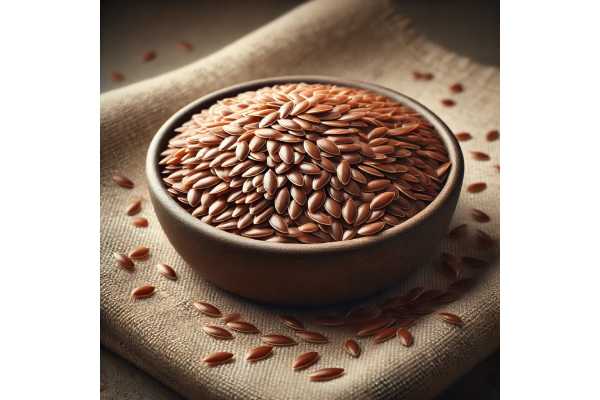
Flaxseeds—also called linseeds—package a rare trio: plant omega-3 (alpha-linolenic acid, ALA), lignans (notably SDG), and gel-forming fiber. Together they bring nutty flavor, gentle thickening, and real kitchen utility, from smoothies and yogurt to breads and veggie patties. Ground flaxseed is the form most people will benefit from; the hard seed coat helps whole seeds stay intact through digestion, while milling unlocks ALA and lignans. Per 100 grams, flaxseeds are fiber-dense and mineral-rich (magnesium, phosphorus, copper), with moderate protein and low net carbs. Typical servings are small—1 to 2 tablespoons—yet day-to-day use can steadily raise fiber and omega-3 intake without changing your plate much. Research on supplements and larger dietary doses suggests modest improvements in cholesterol and blood pressure, with the strongest everyday payoff being regularity and better diet quality. This guide explains what flaxseeds do well, who should be cautious, how to buy and store them, and the best ways to cook so you keep the nutrition you came for.
At a Glance
- Adds viscous fiber and ALA omega-3; may modestly support cholesterol and blood pressure in higher-intake studies.
- Safety: drink water with ground flax; avoid raw sprouts if immunocompromised; separate supplements from medications.
- Typical serving: 1–2 tablespoons ground (7–14 g) daily or most days of the week mixed into meals.
- People who should limit or seek advice: those with bowel narrowing, swallowing disorders, or on anticoagulants/antiplatelets.
Table of Contents
- Flaxseeds: Detailed Overview
- Flaxseeds Nutrition Profile
- Flaxseed Health Benefits
- Risks, Allergies and Interactions
- Selecting, Quality, Sustainability and Storage
- Preparation, Cooking and Nutrient Retention
- Portions, Comparisons and FAQs
Flaxseeds: Detailed Overview
Flax (Linum usitatissimum) is one of the world’s oldest domesticated crops. The same plant that gives us linen fiber also yields small, glossy seeds—usually brown or golden—with a clean, nutty flavor and a soft, maple-cocoa aroma when freshly ground. Two things set flaxseeds apart in everyday cooking:
- Gel-forming soluble fiber. Add ground flax to liquid and it hydrates into a silky, spoon-thick gel. In batters, burgers, and smoothies, this “flax gel” binds and emulsifies, adding body without eggs or gums. In the gut, that viscosity slows digestion a bit and adds bulk to stools—useful for regularity.
- Alpha-linolenic acid (ALA). Flax is the richest common food source of ALA, an essential omega-3 fatty acid. Your body converts a small fraction to the longer-chain omega-3s EPA and DHA, but ALA also has direct roles in cell membranes and inflammatory signaling. Even if you eat fish, flax offers a convenient plant-based way to tilt your day’s fat profile toward omega-3.
A third asset gets less attention: lignans, especially secoisolariciresinol diglucoside (SDG). These phytonutrients are metabolized by gut microbes to “enterolignans,” which may have antioxidant and weak estrogen-modulating effects. Culinary use won’t mimic a supplement trial, but because flaxseed is easy to eat consistently, small daily amounts can raise circulating enterolignan levels over time.
Culinary personality. Ground flax is mellow and adaptable. Stir it into oatmeal or yogurt, buzz into smoothies, or fold into pancakes, muffins, and bread doughs. For savory dishes, it’s a natural binder for vegetable fritters, bean burgers, meatballs, or salmon cakes; it also lends gentle crunch when mixed with seeds over salads or roasted vegetables. Whole seeds add pleasant texture to multi-grain breads and crackers, though most of their ALA passes through undigested unless the seeds are milled or well-chewed.
Whole, ground, or oil?
- Whole seeds store best and bring crunch but minimal bioavailability.
- Ground (milled) flaxseed offers the full package—fiber, lignans, and accessible ALA—and is the default for nutrition.
- Flaxseed oil concentrates ALA but lacks fiber and lignans; it’s best for cold uses (drizzles, dips) and should not be heated hard.
Everyday expectations. Think “food first.” Using 1–2 tablespoons ground flax on most days is a realistic, sustainable pattern that can contribute to regularity and support heart-smart eating. Larger doses used in research (often several tablespoons daily) may nudge blood lipids or blood pressure downward, but individual responses vary and depend on the rest of your diet.
Flaxseeds Nutrition Profile
All values below are per 100 g, plain, unfortified flaxseeds. % Daily Value (%DV) uses common adult DVs. Household portions are much smaller (see Section 7 for per-teaspoon and per-tablespoon estimates). Natural variation occurs by variety and processing; ground flax retains nutrients but is more bioavailable.
Macros & Electrolytes (per 100 g)
| Nutrient | Amount | %DV |
|---|---|---|
| Energy | 534 kcal | — |
| Water | ~7 g | — |
| Protein | 18.3 g | 37% |
| Total fat | 42.2 g | 54% |
| Saturated fat | 3.7 g | 18% |
| Carbohydrate (total) | 28.9 g | 11% |
| Dietary fiber | 27.3 g | 98% |
| Total sugars | 1.6 g | — |
| Net carbs (approx.) | 1.6 g | — |
| Sodium | 30 mg | 1% |
| Potassium | 813 mg | 17% |
Fats & Fatty Acids (per 100 g)
| Fatty Acid Class | Amount | Notes |
|---|---|---|
| Alpha-linolenic acid (ALA, omega-3) | ~22 g | Major plant omega-3 |
| Linoleic acid (LA, omega-6) | ~6 g | Essential omega-6 |
| Monounsaturated fat (mostly oleic) | ~7.5 g | — |
| Saturated fat | 3.7 g | Low overall |
| Cholesterol | 0 mg | Plant food |
Protein & Amino Acids
- Protein quality is moderate; pair flax with legumes, dairy, or grains for a fuller amino acid profile in vegetarian meals.
- Small peptides from flax proteins have been studied for blood pressure and antioxidant activity (most relevant in higher intakes).
Vitamins (per 100 g)
| Vitamin | Amount | %DV |
|---|---|---|
| Thiamin (B1) | 1.64 mg | 137% |
| Riboflavin (B2) | 0.16 mg | 12% |
| Niacin (B3) | 3.1 mg | 19% |
| Vitamin B6 | 0.47 mg | 28% |
| Folate (DFE) | 87 µg | 22% |
| Vitamin C | 0.6 mg | 1% |
| Vitamin A (RAE) | ~0 µg | 0% |
| Vitamin E (alpha-tocopherol) | ~0.3–0.5 mg | 2–3% |
Minerals (per 100 g)
| Mineral | Amount | %DV |
|---|---|---|
| Calcium | 255 mg | 20% |
| Iron | 5.7 mg | 32% |
| Magnesium | 392 mg | 93% |
| Phosphorus | 642 mg | 51% |
| Potassium | 813 mg | 17% |
| Zinc | 4.3 mg | 39% |
| Copper | 1.2 mg | 136% |
| Manganese | ~2.5 mg | 109% |
| Selenium | ~25 µg | 45% |
Bioactives / Phytonutrients
- Lignans (SDG): typically ~200–700 mg per 100 g (variety-dependent).
- Phenolics: diverse small antioxidants accompany the lignans.
- Mucilage (soluble fiber): forms viscous gels that thicken foods and soften stools.
Allergens & Intolerance Markers
- True flaxseed allergy is uncommon but reported; cross-reactivity with other seeds is possible.
- The gel-forming fiber is fermentable; large, sudden intakes can cause gas and bloating—titrate gradually and hydrate well.
Glycemic & Acid–Base Metrics
- Net carbs are very low because fiber dominates; typical spoon-sized portions have negligible glycemic load.
- PRAL is near neutral to slightly alkaline; effect on blood pH is physiologically minimal but suitable for balanced diets.
Footnote: Data reflect unfortified seeds; flavored blends, bars, or “keto” mixes may add sugar or sugar alcohols—check labels if relevant.
Flaxseed Health Benefits
Food-level advantages you will feel day to day
- Regularity and comfort. Ground flax’s viscous soluble fiber absorbs water and increases stool bulk, helping relieve mild constipation for many people. Pairing flax with fluids and vegetables enhances this effect.
- Meal satisfaction. Adding a tablespoon to breakfast or a blended soup can improve texture and fullness, making it easier to feel satisfied with fewer calories.
Cardiometabolic markers in research settings
- Cholesterol and triglycerides. Randomized trials and meta-analyses of flaxseed powders and mixed preparations often show modest reductions in total cholesterol and LDL-cholesterol, with small decreases in triglycerides. Effects tend to be more consistent in people with higher baseline lipids, with powdered or ground forms outperforming oil alone in many analyses.
- Blood pressure. Syntheses of controlled trials report small but significant reductions in systolic and diastolic pressures, especially with interventions lasting 12 weeks or longer. These changes are on the order of a few mmHg—clinically modest but meaningful when combined with diet and lifestyle.
Why ground flax performs well
- ALA omega-3 helps shift the dietary omega-6:omega-3 balance, supports membrane function, and participates in anti-inflammatory signaling.
- Lignans (SDG) are metabolized by gut microbes to enterolignans linked with antioxidant activity and mild estrogen-receptor modulation.
- Soluble fiber reduces bile acid reabsorption and slows carbohydrate absorption, mechanisms that can nudge cholesterol and glycemic patterns in favorable directions.
Body weight and appetite
- Flaxseed additions to meals may curb appetite in the short term via viscosity and delayed gastric emptying; weight outcomes differ across studies and depend heavily on the surrounding diet and total calories. As a kitchen strategy, flax is best seen as a texture upgrade that supports adherence to balanced eating rather than a stand-alone weight solution.
Women’s health and lignans
- Enterolignans from flax circulate at higher levels when people regularly eat ground flaxseed. Research explores relationships with breast health, menopausal symptoms, and hormone metabolism. While findings vary by population and protocol, a food-first intake (e.g., 1–2 tablespoons daily) is widely considered a reasonable way to obtain lignans as part of an overall pattern rich in plants.
Digestive and gut microbiome context
- The fermentable fraction of flax fiber feeds gut microbes that produce short-chain fatty acids (SCFAs). SCFAs participate in gut barrier maintenance and immune signaling. People sensitive to rapid fiber increases should scale up gradually to avoid gas or cramping.
Practical takeaway
- Flax is a small, repeatable habit. Expect reliable benefits for regularity and a gentle assist with cardiometabolic markers when used consistently within a healthy pattern. Use ground flax most often; consider oil as an ALA booster for cold dishes.
Risks, Allergies and Interactions
Choking and obstruction risk
Because flax absorbs water, people with strictures, narrowing of the esophagus or bowel, or swallowing disorders should avoid dry spoonfuls and instead mix ground flax with moist foods and drink water alongside. If you have a history of bowel obstruction or active inflammatory bowel flares, get personalized guidance before increasing intake.
Allergy
True flaxseed allergy is uncommon but documented. Symptoms can include oral itching, hives, wheeze, or anaphylaxis. Cross-reactivity with other seeds may occur. If you have known seed allergies (sesame, mustard, sunflower), introduce flax cautiously under medical advice.
Medication timing and absorption
Flax’s viscous fiber can slow the absorption of some oral medications when taken together in supplement-level doses. As a precaution, separate any flax supplement by at least 2 hours from critical meds. Culinary amounts mixed into meals are rarely an issue.
Anticoagulants, antiplatelets, and bleeding risk
Flaxseed and flaxseed oil have mild antiplatelet effects in some contexts. If you use warfarin, direct oral anticoagulants, or antiplatelets, keep your clinician informed before starting flax supplements. Culinary amounts are generally compatible but should be consistent; any unexplained bruising or bleeding warrants medical review.
Blood sugar and blood pressure medications
If you intensify flax intake alongside other diet changes and notice lower readings, share that trend with your clinician; flax may slightly augment lipid and blood pressure therapies in some people. Do not adjust medications on your own.
Cyanogenic glycosides and raw sprouts
Flax contains small amounts of cyanogenic glycosides that can release traces of hydrogen cyanide when metabolized. Normal culinary amounts of ground flax are considered safe; heating and routine metabolism further reduce potential exposure. Raw flax sprouts, like other raw sprouts, may carry microbial risk; people who are pregnant, older, or immunocompromised should avoid raw sprouts and choose fully cooked forms.
Pregnancy and lactation
Food-level use (sprinkled into meals) is commonly practiced. Because lignans are phytoestrogens and concentrated oils lack fiber, avoid high-dose supplements unless your clinician agrees they fit your situation. Culinary amounts are typically acceptable.
When to seek urgent care
Any severe allergic signs (wheeze, throat tightness, faintness, widespread hives) after eating flax require emergency attention.
Selecting, Quality, Sustainability and Storage
Whole vs. ground vs. oil: choosing the right form
- Whole seeds: best shelf life; add crunch and visual appeal in breads and crackers. Nutrients—especially ALA and lignans—are less accessible unless milled or thoroughly chewed.
- Ground (milled) flaxseed: the everyday workhorse. Buy fresh-milled or grind small batches at home. Delivers fiber, lignans, and accessible ALA in one spoon.
- Flaxseed oil: a concentrated ALA source for cold dishes. It lacks fiber and lignans and oxidizes readily. Keep it refrigerated, use within weeks of opening, and avoid high-heat cooking.
What to look for on the label
- Single ingredient (“ground flaxseed” or “milled flaxseed”).
- Harvest or lot numbers and a best-by date.
- Cold-milled or stabilized processes can slow oxidation.
- If you choose blends (e.g., with chia or grains), check added sugars and sodium.
Sustainability snapshot
Flax is cool-season and relatively drought-tolerant. It can fit well in crop rotations that support soil health. Buying from suppliers with transparent sourcing, fair labor, and minimal packaging waste deepens the sustainability profile. Because flax is calorie-dense, use what you buy; smaller bags turned over frequently beat large bags that go stale.
Storage best practices
- Whole seeds: airtight, dark, up to 12–18 months at cool room temp. For longer storage, refrigerate or freeze in sealed containers.
- Ground flax: airtight and refrigerated after opening; best within 3–4 months. If you mill at home, grind weekly amounts.
- Flaxseed oil: buy small bottles, keep refrigerated, limit light exposure, and finish within the timeframe on label (often 6–8 weeks after opening).
Freshness checks
- Smell test: fresh flax smells nutty; rancid product smells like old paint, putty, or fishy cardboard.
- Taste test: bitterness or a drying, stale aftertaste signals oxidation—discard and replace.
- Color and clumping: moisture or heat exposure causes caking and dull color; shift to a new bag.
Smart shopping
- Prefer suppliers with high turnover (bulk bins are fine if turnover is brisk).
- For frequent use, consider whole seeds + a coffee grinder dedicated to spices and seeds—maximum freshness, minimal waste.
Preparation, Cooking and Nutrient Retention
Grind for nutrition
Flax’s seed coat is tough. To access ALA and lignans, use ground flaxseed. If you enjoy whole seeds, treat them as a texture add-in and assume limited omega-3 absorption. For best flavor and nutrition, grind small batches and refrigerate promptly.
Hydration and binding
Combine 1 tablespoon ground flax + 2.5–3 tablespoons water, rest 5–10 minutes: you get the classic “flax egg” that binds pancakes, muffins, veggie burgers, or meatballs. The gel stabilizes emulsions and improves moisture retention in baked goods.
Heat and ALA
- Baking: ALA is fairly stable at typical baking temperatures when enclosed in dough or batter; expect some loss, but practical retention is good if you don’t overbake.
- Stovetop: Stir ground flax into finished soups, stews, or sauces near the end to preserve aroma and minimize oxidation.
- Oil: Flaxseed oil is best unheated—drizzle on cooked grains, roasted vegetables, or mix into dips and dressings.
Flavor pairings
- Breakfast: oatmeal, overnight oats, yogurt parfaits, smoothies with berries, banana, cocoa, or espresso.
- Savory: toss with breadcrumbs for a high-fiber coating; blend into hummus; mix into meatloaf or salmon cakes for moist texture.
- Baking: swap ¼–⅓ of flour in quick breads or muffins with ground flax for a nutty lift; add to granola or energy bites.
Techniques to keep bitterness at bay
- Use fresh ground flax; rancidity drives bitterness.
- Balance with acid (citrus, yogurt), sweetness (fruit, caramelized onions), or spices (cinnamon, cardamom, ginger, cocoa).
- In breads, pair with toasted nuts or seeds to amplify pleasant nuttiness.
Sample blends you can try tonight
- Smoothie support: 1 tbsp ground flax + frozen berries + kefir or soy milk; blend until thick and creamy.
- Crunchy topper: mix ground flax with toasted sesame, pumpkin seeds, and a pinch of salt; sprinkle over salads or roasted vegetables.
- Hearty binder: combine ground flax with oats, parsley, cumin, and grated onion to bind chickpea patties.
Common pitfalls
- Adding dry flax to a low-moisture dish without extra liquid; remedy by increasing fluids.
- Relying on whole seeds for omega-3; grind instead.
- Using old oil; always refrigerate and buy small bottles.
Portions, Comparisons and FAQs
Practical portions (ground flaxseed)
- 1 teaspoon (~3 g): ~15 kcal; ~1.3 g fat; ~0.6 g protein; ~0.6 g carbohydrate with ~0.5 g fiber; ALA ~0.6–0.7 g.
- 1 tablespoon (~7 g): ~37 kcal; ~3 g fat; ~1.3 g protein; ~1.5 g carbohydrate with ~1.2–1.5 g fiber; ALA ~1.5–1.7 g.
- 2 tablespoons (~14 g): ~75 kcal; ~6 g fat; ~2.6 g protein; ~3 g carbohydrate with ~3 g fiber; ALA ~3–3.4 g.
How often?
Many people do well with 1–2 tablespoons daily or most days, split across meals. Increase slowly if you’re new to higher-fiber eating and always pair with fluids.
Flax vs. chia vs. walnuts
- Flax vs. chia: Both provide ALA and fiber. Flax is richer in lignans; chia forms thicker gels and has slightly higher fiber by weight.
- Flax vs. walnuts: Walnuts supply ALA plus protein and minerals with crunch; flax adds lignans and more viscous fiber. They can complement each other.
- Flax vs. flax oil: Oil gives a quick ALA boost but no fiber or lignans. For cholesterol, regular ground flax usually has the better overall profile.
Whole seeds in the bathroom…
Seeing intact seeds in stool means you’re not accessing much nutrition from whole flax. Switch to ground or chew very thoroughly.
Can I cook with flaxseed oil?
Use it cold. For heat, choose extra-virgin olive or avocado oil and add flax oil at the table.
Does flax affect hormones?
Flax lignans are weak phytoestrogens; in food-level intakes they appear safe for most people and are being studied for potential benefits in specific women’s health contexts. If you use hormone therapies or have hormone-sensitive conditions, coordinate with your clinician.
Constipation tips with flax
Start with 1 teaspoon daily, drink a full glass of water, and increase every few days to 1–2 tablespoons as tolerated. Combine with cooked vegetables, prunes, and walking for best results.
Blood thinning worries
Food-level flax is rarely a problem, but if you’re on warfarin or other anticoagulants, avoid sudden large changes in intake and keep your care team informed—especially if you plan to use flax supplements.
References
- Nutrition Facts for Flax Seeds 2024
- Effect of flaxseed supplementation on lipid profile: An updated systematic review and dose-response meta-analysis of sixty-two randomized controlled trials 2019 (Systematic Review)
- Effects of flaxseed supplements on blood pressure: A systematic review and meta-analysis of controlled clinical trial 2016 (Systematic Review)
- Dietary Flaxseed as a Strategy for Improving Human Health 2019 (Systematic Review)
- Dietary flaxseed: Cardiometabolic benefits and its role in promoting healthy aging 2025 (Systematic Review)
Disclaimer
This guide is educational and is not a substitute for personalized medical advice, diagnosis, or treatment. If you have swallowing difficulties, bowel narrowing, seed allergies, hormone-sensitive conditions, or take anticoagulants, antiplatelets, or critical daily medications, talk with your healthcare professional before using flax supplements or making large, rapid changes to intake. Culinary amounts of ground flaxseed mixed into meals are generally safe for most adults.
If you found this useful, please consider sharing it on Facebook, X (formerly Twitter), or any platform you prefer. Your support helps us keep producing clear, balanced nutrition content.