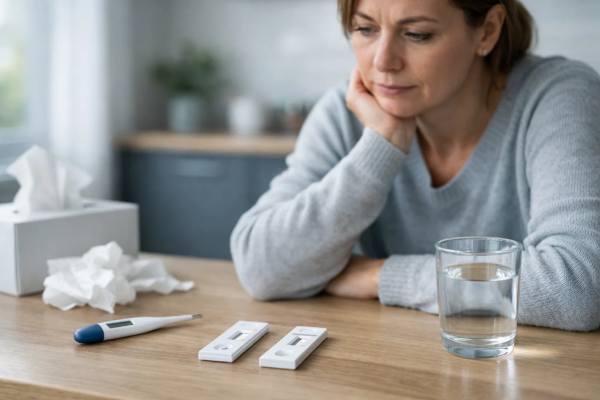
It’s possible to catch influenza and COVID-19 in the same season—and, in some cases, at the same time. Because these infections share many symptoms, co-infection can be easy to miss, especially if you assume one positive test “explains everything.” The good news is that most people can recover at home with supportive care, careful monitoring, and smart precautions to protect others. The bigger benefit of understanding co-infection is timing: antiviral treatments for flu and COVID work best when started early, and your choices about testing, rest, and isolation are clearer when you know what to look for. This guide explains what co-infection really means, how symptoms tend to present, when and how to test, and what to do next—step by step—so you can recover safely and reduce the risk of complications.
Essential Insights
- Flu and COVID can occur together, and a positive test for one does not automatically rule out the other.
- Symptoms overlap heavily, so testing is often the only reliable way to tell what you have.
- Early treatment matters most for people at higher risk, so do not delay contacting a clinician if you qualify for antivirals.
- If you exercise caution with rest, hydration, and isolation, you can often avoid a prolonged recovery and reduce spread to others.
Table of Contents
- Can flu and COVID happen together
- How symptoms differ and overlap
- When you should test for both
- Treatment steps and medication cautions
- Protecting others and preventing spread
- Red flags and recovery expectations
Can flu and COVID happen together
Yes—flu and COVID-19 can infect you at the same time. This is called co-infection, meaning two different viruses are active in your body during the same illness window. It is also possible to have back-to-back infections (for example, you start recovering from flu and then develop COVID symptoms a few days later). From a practical standpoint, both situations can feel similar: symptoms last longer than expected, fatigue feels heavier, or the course of illness is harder to predict.
Co-infection is more likely when both viruses are circulating widely and your exposure risk is high—think crowded indoor spaces, close household contact, child care and school environments, travel, or frontline jobs. Your immune system can fight more than one virus, but it does not create an instant “shield” just because you already caught one. In fact, being sick can temporarily disrupt sleep, appetite, and hydration, which may lower your resilience and make a second infection easier to pick up.
A key point many people miss: a positive test for one virus does not exclude the other. If you test positive for COVID but you also have classic flu features (sudden high fever and intense body aches), it may still be worth testing for influenza—especially if treatment decisions depend on it. The reverse is also true: a positive flu test does not automatically mean you do not have COVID.
Why does co-infection matter? For some people, it can raise the chance of complications such as dehydration, lower respiratory involvement, or secondary bacterial infections. It can also complicate the “return to normal” timeline; pushing too hard too early can turn a short illness into a longer slump. The goal is not to panic—it is to recognize that you might need earlier testing, more careful monitoring, and a more conservative recovery plan than you would with a single, mild infection.
How symptoms differ and overlap
Flu and COVID share so many symptoms that you often cannot tell them apart by feel alone. Both can cause fever, chills, cough, sore throat, congestion, fatigue, headache, and body aches. Some people also get stomach symptoms such as nausea or diarrhea. Because of this overlap, “I know what I have” is less reliable than most of us want it to be—especially early in illness.
That said, patterns can offer clues:
Typical flu pattern
Flu often comes on fast. Many people can name the hour they started feeling sick. Common features include:
- Sudden fever or chills
- Pronounced muscle aches and “hit by a truck” fatigue
- Headache and a dry cough
- Appetite drop and general weakness
Typical COVID pattern
COVID can start abruptly, but it also commonly begins more gradually. Some people start with a sore throat, congestion, or mild fatigue, then worsen over 24 to 72 hours. Taste or smell changes can occur, but they are not universal and are less useful as a “signature” than many people assume.
What co-infection can feel like
Co-infection does not create a unique symptom that screams “both.” Instead, it tends to show up as:
- A heavier overall symptom burden (more intense fatigue, worse aches, more persistent fever)
- Symptoms that do not follow your usual pattern for a cold or a single flu-like illness
- A second wave of worsening after you thought you were turning a corner
One practical trap is symptom-masking. Fever reducers and multi-symptom cold medicines can make you feel temporarily functional while your body is still under strain. If you return to work, intense exercise, alcohol, or late nights too quickly, you may feel a rebound of fatigue or cough that is hard to shake.
Use symptoms to guide urgency, not diagnosis. If your illness is mild and improving day by day, supportive care may be enough. But if you are high risk, symptoms are escalating, or you need to make early treatment decisions, testing is the safer and more accurate path.
When you should test for both
If flu and COVID are both circulating in your community, testing for both can be a smart move—especially because treatment windows differ and early decisions matter most for people at higher risk. The simplest rule is this: test if the result will change what you do next.
Situations where testing for both is especially useful
- You are 65 or older, pregnant, immunocompromised, or have chronic heart, lung, kidney, liver, or metabolic disease
- You have symptoms that are moderate to severe (high fever, significant weakness, chest tightness, or worsening cough)
- You live with, care for, or will soon be around someone medically vulnerable
- You need a clear plan for work, school, caregiving, or travel
- Your clinician may consider antivirals, and timing is tight
Timing matters
Flu symptoms commonly begin about 1 to 4 days after exposure. COVID symptoms often begin about 2 to 5 days after exposure, sometimes longer. Because early illness can fool tests—especially rapid antigen tests—it helps to use a staged approach.
A practical testing plan many people can follow:
- Test as soon as you have clear symptoms. If you have access to a combined flu and COVID rapid test or a clinic-based test that checks both, that can reduce guesswork.
- If your initial COVID antigen test is negative but symptoms persist, retest after 24 to 48 hours. Early false negatives happen.
- If you test positive for one virus and you are high risk or very symptomatic, consider testing for the other as well, particularly if your clinician is deciding on treatment.
If tests are unavailable or results are unclear
Sometimes you cannot get the ideal test quickly. In that case, let risk and severity guide you. If you are high risk and within the early treatment window, contact a clinician promptly even if you are still waiting for confirmation. It is better to discuss options early than to miss the period when antiviral treatment is most effective.
Testing is not only about labels. It helps you decide how strictly to isolate, whether to protect vulnerable contacts more aggressively, and whether your recovery should be more conservative. When symptoms and seasons overlap, testing gives you clarity—and clarity reduces mistakes.
Treatment steps and medication cautions
If you might have flu, COVID, or both, your plan usually has two layers: supportive care for everyone and targeted treatment for people who qualify. The earlier you act, the more likely you are to shorten illness and avoid complications.
Supportive care that makes a real difference
These steps are not “just comfort.” They help your immune system work effectively:
- Prioritize fluids: small, frequent sips if you do not feel like drinking
- Aim for simple calories and protein, even if appetite is low
- Rest aggressively for the first 24 to 72 hours; this is when symptoms often peak
- Use humidity, warm drinks, saline rinses, and throat soothing measures to reduce irritation
- Keep sleep consistent; fragmented sleep can worsen fatigue and cough
When antivirals may be considered
- Flu antivirals work best when started early—often within 48 hours of symptom onset for maximum benefit in uncomplicated cases. They may still be recommended later for severe illness or high-risk patients.
- COVID antivirals (when appropriate) also work best early, typically within the first several days of symptoms, and are most often reserved for those at higher risk of progression.
If you suspect co-infection and you qualify for treatment, contact a clinician quickly. People sometimes wait to “see if it passes,” then discover they missed the window when medication would have helped most.
Can you take flu and COVID treatments together
In some cases, yes, but this is not a do-it-yourself decision. COVID antiviral regimens can have meaningful interactions with common medications (including certain heart medicines, seizure medications, immune suppressants, and others). Your clinician or pharmacist needs to review your medication list, kidney and liver status, and pregnancy status before recommending a plan.
OTC medicine mistakes to avoid
Co-infection discussions often focus on prescription drugs, but many real-world problems come from OTC stacking:
- Do not combine multiple multi-symptom products that contain overlapping ingredients
- Track acetaminophen-containing products carefully to avoid exceeding daily limits
- Be cautious with decongestants if you have high blood pressure, heart rhythm issues, or significant anxiety
- Avoid sedating antihistamines if you are already short of breath or if they make you unsteady
If symptoms are severe, worsening, or you are high risk, treat the first day of illness like a decision day: clarify your testing plan, contact care early if needed, and choose a medication approach that is simple and trackable.
Protecting others and preventing spread
When flu and COVID circulate at the same time, one of the most responsible moves you can make is to reduce spread—because you may not know which virus you have (or whether you have both) until testing catches up. The basics are familiar, but the details matter.
Stay home when you are most contagious
Both flu and COVID can spread before you feel fully sick, and both spread efficiently in indoor spaces. If you have fever, significant cough, or a new wave of symptoms, treat that as a strong signal to stay home and reduce contact. As a practical rule, avoid returning to normal close-contact routines until:
- Your fever has been gone for at least 24 hours without fever-reducing medication, and
- Your overall symptoms are clearly improving (not merely fluctuating)
Household precautions that actually help
If you live with others, especially older adults or people with chronic conditions:
- Use a separate room if possible and improve ventilation
- Avoid shared cups, utensils, and towels during the acute phase
- Clean high-touch surfaces routinely (doorknobs, faucets, phone screens)
- Consider masking during close contact, especially if someone in the home is high risk
Do not rely on “I feel well enough” as your guide
A common mistake is resuming normal activity because you feel temporarily better after medication. That can lead to two problems: you expose others while still contagious, and you extend your own recovery by doing too much too soon.
Prevention going forward
Co-infections are most likely when both viruses are circulating and your exposure is repeated. The strongest prevention strategy is layered:
- Stay up to date on recommended flu and COVID vaccines for your age and risk category
- Improve indoor air when possible (ventilation and avoiding crowded spaces when sick waves are high)
- Use hand hygiene and avoid close contact when you or others are acutely ill
- Have a plan for testing and early care if you are high risk
Reducing spread is not only altruistic—it also reduces your chance of picking up a second infection while your immune system is already busy.
Red flags and recovery expectations
Most people recover from flu, COVID, or even a mild co-infection without emergency care, but you should know what “not normal” looks like. The goal is to catch complications early, not to tough it out.
Seek urgent care for these red flags
- Trouble breathing, worsening shortness of breath, or persistent wheezing
- Chest pain, pressure, or a feeling of heaviness that is new
- Confusion, fainting, severe weakness, or inability to stay awake
- Signs of dehydration: very little urination, dizziness when standing, inability to keep fluids down
- Lips or face turning bluish or gray, or any rapidly worsening symptoms
- In children: fast breathing, bluish color, dehydration, or unusual lethargy
If you use a home pulse oximeter and readings are persistently low or trending downward alongside worsening symptoms, that is another reason to seek prompt medical evaluation.
What recovery often looks like
- Flu: symptoms often peak over the first 2 to 3 days and improve over about a week, though cough and fatigue can linger longer.
- COVID: many people improve within 1 to 2 weeks, but fatigue, cough, and reduced exercise tolerance can last longer in some cases.
Co-infection can stretch the recovery curve. A useful mindset is to plan for a “two-step” recovery: the acute phase (fever, aches, heavy fatigue) and the rebuild phase (lingering cough, low stamina). During the rebuild phase, gentle movement and light activity can help—if they do not trigger a symptom rebound later in the day.
Watch for a secondary infection pattern
Sometimes people feel better and then worsen again with a new fever, new chest symptoms, or thickening mucus and facial pain. That “better then worse” pattern deserves medical attention because it can suggest complications such as pneumonia or bacterial sinus involvement.
When to check in even if it is not an emergency
Consider contacting a clinician if:
- Symptoms are not improving after about a week, or they are worsening
- You have persistent fever, severe sore throat, or significant shortness of breath
- You are high risk and unsure whether you qualify for antivirals
- You have lingering symptoms that disrupt daily life beyond several weeks
A careful recovery plan—rest first, then gradual return—often prevents prolonged fatigue and helps you regain normal stamina without setbacks.
References
- Similarities and Differences between Flu and COVID-19 | Influenza (Flu) | CDC 2024 (Guidance)
- Clinical Guidance for Hospitalized and Non-Hospitalized Patients When SARS-CoV-2 and Influenza Viruses are Co-Circulating | Influenza (Flu) | CDC 2024 (Guidance)
- Clinical Guidance for Outpatients With Acute Respiratory Illness at Higher Risk of Severe COVID-19 and/or Influenza | Influenza (Flu) | CDC 2025 (Guidance)
- Influenza Antiviral Medications: Summary for Clinicians | Influenza (Flu) | CDC 2026 (Clinical Guidance)
- Co-infection of SARS‐CoV‐2 and influenza A/B among patients with COVID-19: a systematic review and meta-analysis – PMC 2025 (Systematic Review and Meta-Analysis)
Disclaimer
This article is for educational purposes only and does not provide medical advice. Flu and COVID symptoms can overlap with other illnesses, and individual risk varies based on age, pregnancy status, immune function, chronic conditions, and current medications. If you are at higher risk of severe disease, or if you develop worsening breathing symptoms, chest pain, confusion, severe weakness, dehydration, or any rapidly worsening condition, seek medical care promptly. Always follow the guidance of your clinician and pharmacist, especially when considering prescription antivirals or managing multiple medications.
If you found this article helpful, please consider sharing it on Facebook, X (formerly Twitter), or any platform you prefer.