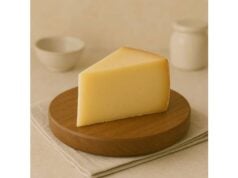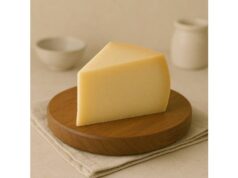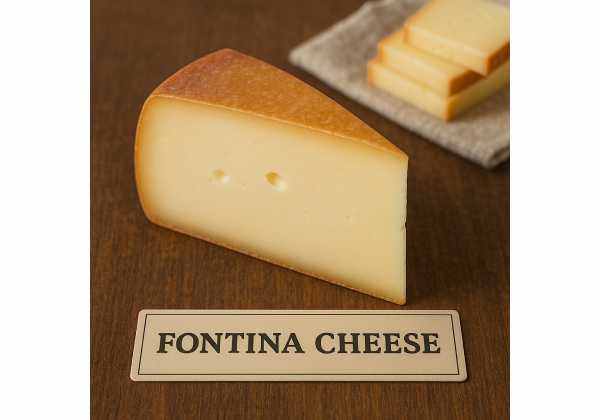
Fontina cheese—born in Italy’s Alpine Valle d’Aosta and now crafted worldwide—delivers a mellow, nutty depth that melts like a dream. Cooks rely on it for luxurious sauces, silky fondues, and grilled sandwiches that hold together without greasiness. Nutritionally, Fontina is a concentrated source of complete dairy protein, bioavailable calcium, and vitamin B12, with very little carbohydrate. It does, however, carry meaningful sodium and saturated fat, so portions matter. Aged Fontina is typically low in lactose, which helps many people with lactose intolerance enjoy it in moderation. Traditional Fontina DOP is made from raw cow’s milk and aged in caves, developing an earthy aroma and thin, natural rind; widely available “Fontina-style” cheeses are often pasteurized and slightly milder. This guide explains what Fontina offers, how to use it well, who may need to limit or avoid it, and how to buy and store it for peak flavor and safety.
Fast Facts
- Provides about 26 g protein and ~43% Daily Value calcium per 100 g; very low in carbohydrates.
- High in saturated fat and sodium; balance portions and pair with vegetables and whole grains.
- Typical serving is 30 g (1 oz), enjoyed a few times per week as part of a varied diet.
- Avoid raw-milk Fontina during pregnancy and if you take monoamine oxidase inhibitors; people with milk allergy should not consume.
Table of Contents
- What Makes Fontina Unique
- Fontina Nutrition Profile (per 100 g)
- Health Benefits of Fontina
- Risks, Allergies and Interactions
- Buying, Quality, Sustainability and Storage
- Cooking Fontina and Nutrient Retention
- Portions, Comparisons and FAQs
What Makes Fontina Unique
Fontina is a semi-soft to semi-firm cow’s milk cheese with excellent meltability and a clean, nutty flavor that deepens as it ages. The benchmark style—Fontina Valdostana DOP—originates in Italy’s Aosta Valley. It is traditionally made from raw milk and cave-aged. The paste is pale straw-yellow with a supple, slightly elastic texture and occasional tiny holes; the aroma suggests hazelnut, fresh cream, and a whisper of earth from the washed rind. As it matures, aromas grow bolder and the paste becomes drier and more sliceable.
Outside Italy, “Fontina-style” cheeses are produced in Denmark, Sweden, and the United States, usually with pasteurized milk and a thinner, red-waxed or natural rind. These versions tend to be milder and a touch saltier, which many cooks prefer for everyday melting. Both styles share a signature trait: Fontina melts evenly without splitting into pools of oil, making it a star for grilled cheese, escalopes alla Valdostana, polenta, risotto, and baked vegetables. It also grates finely for finishing soups and eggs and slices well for sandwiches or cheese boards.
From a nutrition standpoint, Fontina is a concentrated dairy: water is removed during cheesemaking, so protein, minerals, and fat become denser by weight compared with milk. The carbohydrate content is very low because lactose is fermented by starter cultures and further reduced as the cheese ages. Many aged Fontina cheeses contain trace lactose, making them easier to tolerate for people with lactose intolerance; however, tolerance is individual.
Salt is an integral part of cheesemaking—it controls moisture and microbes and shapes the rind—so Fontina carries moderate to high sodium per 100 g. It is also high in saturated fat, a characteristic shared by most full-fat cheeses. These features call for portion control and balanced pairing (think vegetables, legumes, and whole grains). Because traditional Fontina DOP is made from raw milk and is a washed-rind, semi-soft cheese, it is generally not recommended during pregnancy unless thoroughly cooked until steaming hot. Pasteurized Fontina-style cheeses are widely available and are the safer choice for people who should avoid raw-milk cheeses.
Finally, Fontina is almost always made with animal rennet. If you follow a vegetarian diet that excludes animal rennet, look for labels that specify “vegetarian rennet,” “microbial rennet,” or “suitable for vegetarians.”
Fontina Nutrition Profile (per 100 g)
Below are typical nutrient values for “cheese, fontina” per 100 g, with % Daily Value (%DV) where labeling standards define one. Actual values vary by producer, milk source, and age.
Macros and Electrolytes
| Nutrient | Amount per 100 g | %DV |
|---|---|---|
| Energy (kcal) | 393 | — |
| Water (g) | 38.6 | — |
| Protein (g) | 26.1 | 52% |
| Total Fat (g) | 31.4 | 40% |
| Saturated Fat (g) | 19.6 | 98% |
| Carbohydrate (g) | 1.6 | 1% |
| Total Sugars (g) | 1.6 | — |
| Added Sugars (g) | 0 | 0% |
| Cholesterol (mg) | 118 | 39% |
| Sodium (mg) | 811 | 35% |
| Potassium (mg) | 65 | 1% |
Fats and Fatty Acids
| Fatty Acid | Amount per 100 g |
|---|---|
| Monounsaturated Fat (g) | 8.8 |
| Polyunsaturated Fat (g) | 1.7 |
| Omega-3 (g) | 0.80 |
| Omega-6 (g) | 0.88 |
| Palmitic acid 16:0 (g) | 8.6 |
| Stearic acid 18:0 (g) | 2.7 |
| Oleic acid 18:1 (g) | 7.2 |
Vitamins
| Vitamin | Amount per 100 g | %DV |
|---|---|---|
| Vitamin A (µg RAE) | 265 | 29% |
| Riboflavin (B2) (mg) | 0.21 | 16% |
| Vitamin B12 (µg) | 1.71 | 71% |
| Vitamin D (µg) | 0.61 | 3% |
| Vitamin K (µg) | 2.6 | 2% |
Minerals
| Mineral | Amount per 100 g | %DV |
|---|---|---|
| Calcium (mg) | 558 | 43% |
| Phosphorus (mg) | 351 | 28% |
| Zinc (mg) | 3.5 | 32% |
| Selenium (µg) | 14.6 | 27% |
Allergens and Intolerance Markers
- Milk proteins: contains casein and whey—common allergens.
- Lactose: typically very low in aged Fontina; individual tolerance varies.
- Biogenic amines: aged cheeses can contain tyramine and histamine, relevant for people with sensitivities or those on specific medications (see safety section).
Glycemic and Acid–Base Metrics
- Glycemic impact: negligible due to minimal carbohydrate.
- Acid load (PRAL): cheese is acid-forming; balance meals with potassium-rich vegetables and legumes.
Additives and Fortification
- Fontina is not typically fortified. Some producers coat rinds or use food-grade antimicrobials on the surface; always discard rinds that are not intended to be eaten and check labels if you avoid particular additives.
Notes: %DV values use current adult Daily Values (2,000 kcal diet). Nutrient content reflects unfortified Fontina; rind is usually not consumed.
Health Benefits of Fontina
Supports bones and teeth. Fontina provides a dense package of calcium (about 43% DV per 100 g), phosphorus (about 28% DV), and complete protein. Calcium and phosphorus are the primary mineral building blocks of bone, while dietary protein supports bone matrix and muscle strength that protects against falls. Because cheese delivers calcium in a high-bioavailability matrix, modest portions can meaningfully contribute to daily needs.
Delivers high-quality protein. With around 26 g protein per 100 g, Fontina supplies all essential amino acids. In practical terms, a standard 30 g (1 oz) serving offers roughly 7–8 g protein, comparable to an egg. This makes Fontina useful for boosting the protein content of vegetable-forward meals like roasted broccoli, whole-grain salads, or bean soups without adding much carbohydrate.
Provides vitamin B12 and vitamin A. Fontina is a reliable source of vitamin B12, important for red blood cell formation and neurological function, and vitamin A (as retinol), which supports vision and immune health. People who eat little or no meat often lean on dairy for B12; Fontina can help fill that gap alongside milk, yogurt, and other cheeses.
Low in lactose compared with milk. During cheesemaking, most lactose drains with the whey, and remaining lactose is fermented during aging. Many aged Fontina cheeses contain only trace amounts of lactose, which improves tolerability for some individuals with lactose intolerance. Sensitivity varies, so start with small portions and assess your response.
Culinary benefits that encourage overall diet quality. Fontina’s exceptional meltability lets you build satisfying meals around vegetables and whole grains. A few ideas:
- Toss roasted cauliflower and farro with sautéed leeks and a small amount of melted Fontina for a hearty side.
- Layer thin slices over grilled vegetables on whole-grain toast to turn a light lunch into a balanced meal.
- Use modest amounts in a béchamel to coat steamed greens, then top with crunchy whole-grain breadcrumbs—small quantities go a long way for flavor and texture.
Practical takeaway: Fontina is nutrient-dense but energy-dense. Emphasize small portions used strategically to enhance meals rich in plants and legumes. In this role, Fontina contributes protein, calcium, and B12 without dominating the plate.
Risks, Allergies and Interactions
Milk allergy. Fontina contains casein and whey proteins. Individuals with confirmed cow’s milk allergy should avoid Fontina and all dairy unless medically supervised reintroduction is appropriate.
Lactose intolerance. Aged Fontina is usually low in lactose, but individual tolerance differs. Begin with 10–15 g (⅓–½ oz) and increase slowly. Eating cheese with a meal (rather than alone) may further reduce symptoms.
Sodium and blood pressure. Fontina typically provides ~800 mg sodium per 100 g (about 230 mg per 30 g serving). If you monitor blood pressure or aim to reduce sodium intake, keep portions modest and pair Fontina with low-sodium foods—unsalted vegetables, fresh fruit, and whole grains. Using grated cheese over a dish instead of mixing large amounts into sauces can cut sodium without sacrificing flavor.
Saturated fat and cholesterol. Fontina is high in saturated fat (close to a full day’s DV per 100 g). For heart-conscious eating, prioritize small servings and balance the rest of the meal with fiber-rich plants and unsaturated fats (olive oil, nuts, fish). Choosing Fontina as a flavor accent rather than the main ingredient helps align with general dietary guidance.
Raw-milk safety and pregnancy. Traditional Fontina DOP is made from raw milk and is a washed-rind, semi-soft cheese. People at higher risk for severe foodborne illness—pregnant individuals, older adults, and those with weakened immunity—should avoid raw-milk cheeses or only consume them thoroughly cooked until steaming hot. Pasteurized Fontina-style cheeses are safer options. Always check the label for “pasteurized.”
Medication interactions: tyramine with MAO inhibitors. Aged cheeses can contain tyramine, which may trigger dangerous blood pressure spikes in people taking monoamine oxidase inhibitor (MAOI) medications or linezolid. If you take these medicines, a tyramine-restricted diet is usually required; cheese, including Fontina, is commonly limited or avoided unless your clinician advises otherwise.
Histamine sensitivity and migraines. Many aged cheeses accumulate histamine during fermentation. If you are sensitive to histamine or prone to food-triggered headaches, note your personal response to Fontina and adjust intake accordingly.
Food handling and storage risks. Keep cheese refrigerated and minimize time in the temperature “danger zone.” Once cut, Fontina should be wrapped properly and consumed within the suggested window (see storage section). Discard cheese that smells strongly of ammonia, feels slimy, or shows unusual discoloration beyond the natural rind characteristics.
Vegetarian considerations. Fontina is often made with animal rennet. Those who avoid animal rennet should seek products labeled with vegetarian or microbial rennet.
Buying, Quality, Sustainability and Storage
How to choose. Decide first between Fontina DOP (more savory, earthy, and often raw-milk) and Fontina-style (usually pasteurized, milder, and widely available). On the label, look for:
- Milk source and pasteurization: pasteurized vs raw.
- Country or denomination: “Fontina Valdostana DOP” for the original; other countries will list their origin.
- Age: younger cheeses taste milder and melt more smoothly; longer-aged wheels are firmer and more aromatic.
- Rennet type: animal or microbial.
- Storage guidance and use-by date.
What quality looks, smells, and feels like. Choose wedges with a clean, elastic paste and even color from edge to center. Aromas should be nutty, buttery, and gently earthy from the washed rind—not acrid or strongly ammonia-like. A little surface tackiness on a natural rind is normal, but the cut face should not be wet or slimy. Avoid pieces with deep cracks, excessive dryness, or broad discoloration.
Sustainability cues. Dairy’s environmental impact varies widely. If sustainability matters to you, consider:
- Regional sourcing to shorten transport.
- Pasture-based or certified animal welfare practices listed by the producer.
- Minimal packaging or recyclable wraps.
- Buying only what you can use within a week or two to reduce food waste.
How to store Fontina correctly.
- Wrap for breathability: Use cheese paper or parchment, then a loose outer layer of foil or reusable wrap. Avoid tight plastic wrap on the cut face; it traps moisture and odors.
- Temperature: Store at 1–4°C (34–39°F) in the vegetable drawer or a dedicated cheese box for steadier humidity.
- Rotation: Rewrap every few days to refresh the surface and prevent off-aromas.
- Serving prep: Bring to room temperature for 30–45 minutes before eating for fuller aroma; for grating, chill briefly to firm texture.
- Shelf life once cut: Typically 5–10 days for a wedge properly wrapped; longer if the piece is larger and the cut face is small. Always defer to sensory cues and the use-by date.
- Mold management: Natural rinds on Fontina DOP may look mottled or orange-brown—this is expected on the rind surface. If unwanted fuzzy mold appears on the cut face of semi-soft cheese, the safest choice is to discard rather than trim.
Travel and picnic tips. Keep Fontina cold in an insulated bag with ice packs; move it to a refrigerator within two hours (one hour if ambient temperature is above 32°C/90°F).
Cooking Fontina and Nutrient Retention
Why Fontina melts so well. Fontina’s moisture, fat-to-protein ratio, and pH create a smooth melt with minimal oil separation. Compared with very hard or very aged cheeses, it needs less heat to flow, so you can achieve a velvety texture without overcooking.
Heat smart to avoid oiling-off.
- Grate or thinly slice for even melting.
- Use gentle heat and remove from the burner once melted—aim for 55–70°C (130–160°F) in sauces.
- Stabilize with starch (a teaspoon of flour or cornstarch per cup of sauce) or a small amount of acid (dry white wine, lemon) to keep proteins dispersed, especially in fondue or cream sauces.
- Add last. Fold Fontina into hot dishes off-heat (risotto, polenta) to control texture.
- Avoid boiling. High heat tightens proteins and squeezes out fat, causing graininess.
Techniques and pairings.
- Fonduta/fondue: Combine Fontina with milk or light cream; thicken gently with egg yolk or a starch slurry. Serve with blanched vegetables, whole-grain bread cubes, and mushrooms.
- Grilled sandwiches: Pair with roasted peppers, sautéed spinach, or mushrooms. Spread a thin mustard layer or add herbs for brightness.
- Baked vegetables and grains: Stir grated Fontina into hot farro or fold into baked cauliflower to create a creamy crust without heavy cream.
- Egg dishes: Melt over frittatas or omelets to add richness in small amounts.
- Sauces: A basic béchamel + Fontina becomes a versatile, freeze-friendly cheese sauce for vegetables and pasta.
Nutrient retention notes.
- Protein and minerals (calcium, phosphorus) are stable to typical cooking temperatures.
- Fat-soluble vitamins (A, D) withstand brief, moderate heat with minimal loss during melting.
- Draining losses occur if melted cheese exudes oil; cooking gently and incorporating cheese into starch-thickened sauces helps keep nutrients in the dish rather than left on the pan.
- Portion control matters more than nutrient loss: cooking method affects texture and palatability far more than nutrition in cheese.
Lighten the load without losing flavor. Use 30–45 g (1–1.5 oz) per person as a finishing accent rather than a primary protein. Balance plates with vegetables, legumes, and whole grains, and choose unsalted nuts or olive oil as accompanying fats.
Portions, Comparisons and FAQs
Recommended portion and frequency. A practical portion is 30 g (1 oz)—about two thin slices or a small handful of shreds. For most healthy adults, enjoying Fontina a few times per week in this amount fits well into a balanced diet. If you are managing blood pressure, LDL cholesterol, or total calorie intake, consider smaller portions (15–20 g) as a flavor accent.
How Fontina compares to other cheeses.
- Versus fresh mozzarella: Fontina has more protein and calcium per gram but also more sodium and saturated fat. Mozzarella is milder and moister; Fontina melts more evenly in sauces.
- Versus cheddar: Nutritionally similar in protein and fat; sodium varies by brand. Fontina tends to melt more smoothly and tastes less sharp.
- Versus Gruyère or Emmental: These Alpine cheeses are typically firmer and nuttier, with slightly higher salt in many brands; all are excellent melters, though Fontina often requires the least heat to achieve a creamy texture.
- Versus Parmesan: Parmesan is harder, saltier by weight, and used in smaller amounts because of intense flavor.
Can people with lactose intolerance eat Fontina? Many can in small portions, especially aged varieties, because residual lactose is very low. Start with 10–15 g and assess your comfort.
Is Fontina safe during pregnancy? Choose pasteurized Fontina-style cheeses. If a recipe calls for traditional Fontina DOP (raw milk), serve it thoroughly cooked until steaming. Avoid eating raw-milk Fontina cold.
Does Fontina contain vitamin K2? Some aged cheeses contain menaquinones (vitamin K2), but amounts vary widely and are not always listed. Fontina likely contributes small amounts, though exact values depend on microbial cultures and aging conditions.
Is Fontina vegetarian? Often no, because it is commonly made with animal rennet. Seek labels that explicitly state vegetarian or microbial rennet if you avoid animal-derived enzymes.
What about sodium reduction? To keep sodium in check, use Fontina as a finishing cheese, combine with unsalted ingredients, and season with herbs, lemon, garlic, or pepper rather than salt. Consider mixing Fontina with naturally low-sodium vegetables to stretch flavor.
Quick pairing ideas (portion-aware).
- Roast broccoli, lemon zest, and 20 g grated Fontina.
- Whole-grain toast with sautéed mushrooms, thyme, and 25 g Fontina under the broiler.
- Warm farro salad with cherry tomatoes, basil, and 20 g shredded Fontina folded in at the end.
References
- Nutrition Facts for Fontina Cheese 2024 (Data reference)
- Calcium – Health Professional Fact Sheet 2025 (Fact Sheet)
- Sodium reduction 2025 (Fact Sheet)
- Preventing Listeria Infection | Listeria Infection | CDC 2025 (Guidance)
- MAOI (Monoamine Oxidase Inhibitors) Diet Sheet 2022 (Patient Guidance)
Disclaimer
This article is for general information and education. It does not replace personalized medical advice, diagnosis, or treatment. Nutrition and safety needs vary by individual health status, medications, pregnancy, and allergies. Always consult a qualified healthcare professional or registered dietitian about your specific situation and before making major dietary changes.
If you found this guide useful, please consider sharing it on Facebook, X, or your preferred platform. Your support helps us continue creating clear, reliable nutrition articles.