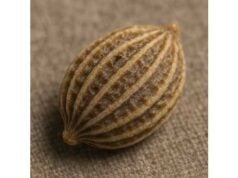
Fox nuts—also called makhana or gorgon nuts—are the popped, crunchy kernels of Euryale ferox, an aquatic plant native to South and East Asia. They look like pale popcorn, but their composition is closer to a cereal-pulse hybrid: mostly complex carbohydrates with modest protein, very little sugar, and a clean, neutral taste that takes on spices beautifully. In India, they are roasted for tea-time snacks, simmered into creamy kheer, or ground into flour for fasting-friendly breads. Today, fox nuts are gaining global attention as a gluten-free, plant-based snack with a naturally low glycemic impact and a short, familiar ingredient list. Depending on how they are processed (dry-roasted versus oil-roasted), their fat content can vary; either way they remain lighter than most tree nuts. Below, you will find an evidence-led guide to nutrition, potential benefits and risks, smart shopping and storage, and practical cooking tips to help you use fox nuts well.
Top Highlights
- Provides complex carbs with modest protein and a low estimated glycemic impact when roasted properly.
- Naturally gluten-free; versatile for snacks, curries, desserts, and flours in home cooking.
- Typical serving: 30 g (about 1 cup popped) up to a few times per week within overall calorie needs.
- Possible caveat: oil-roasted products can carry more fat and acrylamide than dry-roasted versions.
- People with severe seed/nut allergies, advanced kidney disease, or on strict potassium limits should use caution.
Table of Contents
- Fox nuts overview
- Fox nuts nutrition profile
- Fox nuts health benefits
- Risks, allergies and interactions
- Selecting quality and storage
- Preparation and nutrient retention
- Portions, comparisons and FAQs
Fox nuts overview
Fox nuts come from the seeds of Euryale ferox, a prickly water lily that thrives in still, shallow ponds across Bihar (India), parts of China, and other Asian wetlands. The fresh seeds are hardened, roasted, and popped to release a white kernel—light, crisp, and pleasantly chewy. You might see them labeled as makhana, phool makhana, gorgon nut, or simply “popped lotus seeds” in international markets.
From a culinary point of view, fox nuts are incredibly adaptable. Their mild flavor acts as a canvas for spice blends: a quick toast with ghee or oil and additions like cumin, chili, turmeric, pepper, or chaat masala turns them into a protein-anchored snack. They also slip into savory dishes—think stir-fries, pulao, or curry gravies—where they absorb sauces while keeping a distinct bite. In sweets, they toast to a nutty aroma and add body to puddings (kheer or payasam) and to barfi-like confections. Ground into flour, fox nuts blend with grain or pulse flours to make flatbreads, pancakes, or laddoos.
Nutritionally, fox nuts are primarily complex carbohydrates with a modest portion of protein and minimal intrinsic fat. Their fat can rise when roasting is done in oil—a traditional method in some supply chains—so package labels and ingredient lists matter. Because the kernels are naturally low in sugars and sodium and free of gluten, they fit well into patterns such as vegetarian, dairy-free, and celiac-friendly diets. Another practical advantage is their shelf stability; properly dried and stored, they keep their crunch for months.
Quality varies by cultivar and processing: uniform size, even puffing, and clean, pale color typically signal careful handling. A faint toasty aroma without rancid or musty notes indicates freshness. As global interest has expanded, more brands now offer seasoned, air-popped, or minimally oiled options, making it easier to choose according to taste and nutrition priorities.
Fox nuts nutrition profile
Below is a snapshot for ready-to-eat fox nuts produced by traditional oil-roasting and popping (the style most commonly standardized for trade). Values are per 100 g of finished product. Percent Daily Values (%DV) use adult reference intakes.
Macros & Electrolytes (per 100 g)
| Nutrient | Amount | %DV |
|---|---|---|
| Energy | 360–390 kcal | — |
| Carbohydrates | ~75 g | 27% |
| Dietary fiber | ~2.5 g | 9% |
| Total fat | ~13 g | 17% |
| Saturated fat | ~1–2 g | 5–10% |
| Protein | ~7 g | 14% |
| Sodium | typically low (varies with seasoning) | — |
| Potassium | varies by source and processing | — |
Notes on variability
- Processing changes the profile. Dry-roasted or hot-air–roasted fox nuts typically contain far less fat (often under 1 g/100 g) and slightly higher available carbohydrate and protein, while oil-roasted versions land near the figures above.
- Sodium and sugars largely reflect added salt and flavoring; plain, unseasoned kernels are naturally low in both.
- Amino acid quality is solid for a cereal-like food; fox nuts show a favorable essential amino acid index compared with several snack grains.
Fats & Fatty Acids (per 100 g, oil-roasted styles)
| Component | Amount |
|---|---|
| Total fat | ~13 g |
| Saturated | ~1–2 g |
| Unsaturated (mono + poly) | majority of remaining fat (depends on roasting oil) |
Vitamins & Minerals (typical trends)
Specific micronutrient values vary widely by pond, season, and processing. Fox nuts commonly provide phosphorus and magnesium in meaningful amounts; iron and zinc are present in smaller quantities. When roasted with added oil, fat-soluble vitamin content reflects the oil used more than the kernel itself. Because ranges span several-fold across studies, check brand-level nutrition panels for precise data.
Glycemic & Functional Metrics
When properly roasted, fox nuts have demonstrated a low glycemic index in human testing, supporting steady post-meal glucose responses in the context of balanced meals. Texture (crispness) and hydration state during storage can influence perceived satiety and crunch without materially changing macronutrient density.
Footnote on standards and additives
Commercial products may follow specifications that include moisture, microbiological criteria, and strict limits for process contaminants (e.g., acrylamide) and heavy metals (e.g., lead, arsenic). Seasoned varieties can add sodium, sugars, or flavor enhancers; plain versions generally do not require additives.
Fox nuts health benefits
Steadier glucose response for snackers. Human testing of roasted fox nuts has reported a low glycemic index profile. In practice, that means a serving can satisfy crunch cravings without the steep post-snack glucose spikes often seen with refined chips or sweets. Pairing fox nuts with a protein (e.g., roasted chickpeas) or healthy fat (e.g., a few peanuts) further moderates glycemia and improves satiety.
Good replacement for ultra-processed snacks. Fox nuts offer a simple ingredient list, typically “popped seeds + spice,” which makes them an attractive swap for highly processed, oil-laden snacks. Dry-roasted or air-popped options, in particular, can cut saturated fat and sodium compared with many packaged crackers or chips while still delivering a familiar, satisfying crunch.
Support for nutrient balance on plant-forward diets. Though not a protein powerhouse, fox nuts contribute complementary amino acids and magnesium and phosphorus alongside complex carbohydrates—useful in vegetarian and vegan patterns where variety matters. Fold them into mixed meals: toss into salads or grain bowls, or cook into curries where legumes or soy provide the primary protein.
Polyphenols and antioxidant activity. Roasting conditions can increase extractable phenolics and flavonoids in fox nuts, which in lab assays translates to stronger antioxidant capacity. While lab measures are not clinical endpoints, foods with higher polyphenol density often associate with better cardiometabolic markers when they replace lower-quality calories in the diet.
Texture-driven portion control. The airy, crisp structure of popped kernels provides high volume for relatively modest calories (especially in air-popped styles). That volume helps a fixed portion feel more generous, supporting mindful snacking compared with denser nuts and confectionery.
Digestive comfort for many. Fox nuts are naturally gluten-free and low in simple sugars. In modest amounts, they are generally well tolerated, although total fiber is moderate. People with sensitive digestion often do well with small portions of dry-roasted, lightly seasoned kernels.
Culinary flexibility encourages adherence. Because fox nuts take on flavors easily—from black pepper and lime to peri-peri or smoky paprika—they fit diverse palates. Flexible foods that are easy to enjoy repeatedly tend to stick in real-world routines, a subtle but important “benefit” for sustaining healthy patterns.
Risks, allergies and interactions
Allergy potential. Fox nuts are seeds, not tree nuts. True allergies appear uncommon, but any seed can provoke reactions in sensitive individuals. If you have a history of severe seed or nut allergy, approach new fox-nut brands cautiously: start with a tiny amount under supervision and avoid products made in facilities processing peanuts or tree nuts unless clearly segregated.
Sodium and added ingredients. Seasoned products may contain added salt, sugars, or flavor enhancers. People monitoring blood pressure or heart failure should choose unsalted or lightly salted versions and check labels. Those limiting sugars should skip sweet-glazed styles.
Oil-roasted vs. dry-roasted. Traditional oil-roasting raises fat content and can introduce process contaminants (e.g., acrylamide) if heat is excessive or prolonged. Quality-controlled producers use temperatures and times designed to minimize these compounds and meet strict maximum levels for contaminants and heavy metals. If you prefer to limit added oils and potential roasting byproducts, choose air-popped/dry-roasted kernels.
Heavy metals and water quality. Because fox nuts are pond-grown, source water and post-harvest handling matter. Reputable suppliers test lots against safety specifications (for lead, arsenic, cadmium, and others). Buying from brands that share testing or follow recognized standards is prudent, especially for frequent consumers, small children, and pregnant people.
Kidney and mineral restrictions. Some mineral values—especially phosphorus—can be meaningful per 100 g servings. Individuals with advanced kidney disease or those on phosphorus/potassium-restricted diets should confirm serving sizes with their clinician or dietitian, and prefer lightly seasoned, dry-roasted styles.
Medication considerations. There are no well-documented direct drug interactions. However, for those on sodium-sensitive antihypertensives, salty flavors can work against blood pressure goals; for those managing blood glucose, fox nuts can be a helpful low-GI snack if portions are kept reasonable and timing is consistent.
Choking risk. Like popcorn, fox nuts are light but can be a choking hazard for toddlers or older adults with dysphagia. Offer only in age-appropriate forms (e.g., lightly crushed and moistened in yogurt or kheer for young children) and supervise eating.
Selecting quality and storage
What to look for at purchase
- Color & shape: Evenly puffed, pale to off-white kernels with minimal scorching.
- Aroma: Fresh, toasty, and neutral; avoid rancid, musty, or “stale oil” smells.
- Ingredient list: Prefer plain or dry-roasted if you want lower fat and sodium; for seasoned varieties, look for short, recognizable ingredients.
- Sourcing transparency: Brands that state testing for contaminants, specify roasting methods, and list country/region of origin give you more to go on.
Sustainability notes
- Wetland stewardship: Makhana cultivation has supported livelihoods and traditional pond systems for centuries. Sustainable operations manage water quality, avoid contaminated inputs, and maintain biodiversity in ponds.
- Processing footprint: Dry-roasting and air-popping typically use less oil and simplify waste streams; bulk packaging reduces plastic use per serving.
- Fair trade & local economies: In regions like North Bihar, sourcing from cooperatives can support artisanal processors and promote safer working conditions.
Storage to preserve crunch
- Moisture control: Kernels pick up humidity quickly. Store in an airtight jar with a desiccant sachet if possible.
- Light & heat: Keep cool and dark to protect flavor; avoid window sills and stove-side cabinets.
- Shelf life: Plain, dry-roasted fox nuts can stay crisp for 2–4 months unopened and 3–4 weeks once opened, if kept airtight.
- Reviving staleness: A 2–3 minute low-heat dry-toast in a skillet or 3–5 minutes in a warm oven (120–140 °C) restores crunch. Allow to cool fully before sealing.
Label tips
- Per 100 g vs per serving: Compare across brands using the per-100 g line on the nutrition label.
- Watch the sodium line: Seasoned mixes vary widely. Aim for ≤120 mg sodium per 30 g serving if you are limiting salt.
- Oil type matters: If oil-roasted, look for high-oleic or refined, heat-stable oils and minimal saturated fat.
Preparation and nutrient retention
Dry-roasted everyday snack (base method)
- Warm a wide skillet over medium heat. Add 2 cups plain fox nuts.
- Dry-toast, stirring, for 6–8 minutes until crisp and lightly golden.
- Push to one side; in the bare spot, bloom 1 tsp oil or ghee (optional) with ¼ tsp turmeric and ½ tsp cumin powder for 10–15 seconds.
- Toss to coat, finish with black pepper and a squeeze of lime. Salt to taste.
Spice variations
- Smoky chili-lime: Chili powder + smoked paprika + lime zest.
- Pepper-cashew mix: Dry-roast ¼ cup broken cashews first, then add fox nuts and finish with black pepper.
- Peri-peri or za’atar: Toss with your favorite blend; add oil sparingly for adhesion.
Curries and soups
- Briefly toast and add near the end of cooking to preserve texture.
- For creamy gravies, simmer 5–7 minutes to let kernels soften and absorb flavors.
- In soups, use fox nuts like croutons: add at serving for crunch.
Desserts & baking
- Lightly caramelize fox nuts with jaggery or honey and sesame for a brittle-like chikki.
- Grind to a coarse flour and fold into pancakes or laddoos for body and toasty notes.
Nutrient-retention tips
- Prefer dry-heat methods to minimize added fat and acrylamide risk; moderate heat (≤150–160 °C) and shorter times protect flavor compounds and limit charring.
- Season after toasting to avoid burning spices and to control sodium.
- Pair for balance: Combine with legumes (chana, edamame) for more complete protein and with vitamin C–rich ingredients (lemon, bell pepper) to enhance iron absorption from the meal.
- Batching: Toast only what you will eat in 3–4 days; repeated reheating can dull flavor and texture.
Portions, comparisons and FAQs
Recommended portion
- A practical snack serving is 30 g (about 1 loosely filled cup of popped kernels). For main meals (e.g., in curry), portions of 20–30 g per person add texture without pushing calories too high. Frequency can be several times per week, adjusted to your energy needs.
How do fox nuts compare with other snacks?
- Versus popcorn: Similar airy texture; fox nuts are denser per cup and bring more protein with less hull residue. Popcorn can be higher in fiber per cup due to volume; both are healthy when air-popped and lightly seasoned.
- Versus tree nuts: Almonds and cashews deliver more protein and healthy fats but also more calories per 30 g. Dry-roasted fox nuts are lighter and can be better for volume-oriented snacking.
- Versus chips or crackers: Fox nuts (plain, dry-roasted) typically have less sodium and saturated fat and a cleaner ingredient list.
Are fox nuts good for people with diabetes?
Yes—when portion-controlled and preferably dry-roasted/air-popped, they align with low-GI snacking. Combine with a protein (e.g., roasted chana) and fiber-rich vegetables for steadier glucose curves.
Are they safe for children?
Offer age-appropriate textures: lightly crushed for toddlers and always under supervision. Choose unsalted versions for young children.
Can I eat them on gluten-free or fasting diets?
Fox nuts are naturally gluten-free and widely used in Indian fasting recipes. Check labels for potential cross-contact if you are celiac.
Why do some nutrition labels show higher fat?
That typically signals oil-roasting. If you prefer leaner snacks, look for air-popped/dry-roasted on the label. Nutrition can vary by brand and batch, so compare the per-100 g panel.
Any concerns about contaminants?
Quality-controlled products must meet strict limits for heavy metals and process contaminants. Choosing reputable brands and avoiding heavily scorched kernels keeps risk low.
References
- Euryale ferox, a prominent superfood: Nutritional, pharmaceutical, and its economical importance 2022 (Systematic Review)
- Roasted fox nuts (Euryale Ferox L.) contain higher concentration of phenolics, flavonoids, minerals and antioxidants, and exhibit lower Glycemic Index (GI) in human subjects 2022 (Human Study)
- COMMISSION IMPLEMENTING REGULATION (EU) 2023/652 of 20 March 2023 authorising the placing on the market of roasted and popped kernels from the seeds of Euryale ferox Salisb. (makhana) as a traditional food from a third country under Regulation (EU) 2015/2283 of the European Parliament and of the Council and amending Commission Implementing Regulation (EU) 2017/2470 2023 (Guideline)
- Profiling and Discrimination of Euryale Ferox Seeds from Different Processing Methods Using Liquid Chromatography High-Resolution Mass Spectrometry Combined with Molecular Networking and Statistical Analysis 2025 (Research)
Disclaimer
This article provides general nutrition and food safety information about fox nuts for educational purposes. It does not replace personalized advice from your physician or a registered dietitian. If you have food allergies, kidney disease, diabetes, or other medical conditions—or if you are pregnant or breastfeeding—consult your healthcare professional before making significant dietary changes or introducing new packaged foods.
If you found this guide helpful, please consider sharing it with friends or on Facebook, X (formerly Twitter), or any platform you prefer. Your support helps us continue creating clear, practical nutrition resources.