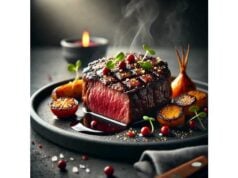
Lean, mild, and surprisingly versatile, frog legs offer high-quality protein with very little fat and virtually no carbohydrates. Their delicate flavor works in both classic French and Southeast Asian dishes, and their texture sits somewhere between chicken and firm white fish. Beyond the kitchen, frog legs can contribute meaningful amounts of minerals like potassium, phosphorus, and selenium, plus B vitamins that support energy metabolism. With any wild or farmed aquatic food, however, proper sourcing, handling, and thorough cooking matter. This guide brings together the essentials: what frog legs are, how their nutrition compares per 100 g, practical health benefits and limitations, evidence-based safety notes, and step-by-step preparation ideas that retain nutrients while maximizing flavor. You will also find advice on choosing quality products, freezing and thawing safely, and realistic portions for different goals. Whether you are trying frog legs for the first time or refining a favorite recipe, use this overview to enjoy them confidently and responsibly.
Nutrition Snapshot
- High-protein, very lean choice: ≈16.4 g protein and ~73 kcal per 100 g raw.
- Safety: cook thoroughly and avoid raw or undercooked frog meat to prevent parasitic and bacterial illness.
- Typical serving: 120–150 g cooked (about 6–8 medium legs), once weekly or occasionally within a varied diet.
- Limit or avoid if immunocompromised, pregnant, or advised to restrict foods with possible heavy-metal contamination.
Table of Contents
- Frog Legs: Detailed Overview
- Frog Legs Nutrition Profile (per 100 g)
- Evidence-Based Benefits of Frog Legs
- Risks, Allergies and Interactions
- Choosing Quality, Sustainability and Storage
- Cooking Frog Legs and Nutrient Retention
- Portions, Comparisons and FAQs
Frog Legs: Detailed Overview
Frog legs are the hind limbs of edible frog species, most commonly from farmed bullfrogs and marsh frogs. In Western kitchens they show up in bistro-style sautés with butter, garlic, and herbs; in Southeast Asian cuisines they are stir-fried, grilled, or simmered in aromatic broths. Well-cooked frog legs flake easily from the bone, with a clean, mildly sweet flavor that absorbs marinades and sauces without dominating them.
From a nutrition standpoint, frog legs behave like a very lean animal protein: high in complete protein, low in total fat, and free of carbohydrates. Their mineral profile often features potassium and phosphorus, with modest iron and zinc. B vitamins, especially riboflavin (B2), thiamin (B1), and niacin (B3), appear in useful amounts, and there is typically a small but relevant contribution of vitamin B12 and selenium. As with fish and shellfish, composition varies by species, age, habitat, feed, and whether the product is wild or farmed. Cooking method also matters: shallow frying or battering increases fat and energy, while steaming or poaching keeps values close to raw baselines.
Sourcing ranges from regional farms to imported frozen packs. Reputable suppliers handle rigorous hygiene and temperature control; labels may list the species, country of origin, harvest or pack date, and whether the product is farmed. For buyers who care about biodiversity or animal welfare, it is reasonable to ask sellers about species selection, farming conditions, and capture methods. Because amphibians can act as environmental sentinels, some consumers prefer farmed products with documented controls over water quality and feed.
Culinarily, frog legs are adaptable. Treat them like tender chicken wings for timing, but like a white fish for seasoning and gentle heat. They shine with lemon, garlic, parsley, and chili; they also pair with ginger, lemongrass, coconut milk, or peppercorn sauces. A quick marinade (30–60 minutes) enhances moisture, while over-marinating in acid can make the surface mushy. To keep textures delicate, avoid prolonged high heat after doneness is reached.
Finally, food safety is a non-negotiable for amphibian meats. Handle raw legs on a dedicated board, keep them chilled, and cook completely. This is especially important for vulnerable groups (pregnant individuals, young children, older adults, and those with compromised immunity), who should avoid undercooked preparations entirely.
Frog Legs Nutrition Profile (per 100 g)
Reference form: raw frog legs (edible portion). Values per 100 g; sensible rounding shown. % Daily Value (%DV) uses current adult DVs where available.
Macros & Electrolytes (per 100 g)
| Nutrient | Amount | %DV |
|---|---|---|
| Energy | 73 kcal | — |
| Protein | 16.4 g | 33% |
| Total Fat | 0.3 g | 0% |
| Saturated Fat | 0.08 g | 0% |
| Carbohydrates | 0.0 g | 0% |
| Sodium | 58 mg | 3% |
| Potassium | 285 mg | 6% |
| Water | ~82 g | — |
Fats & Fatty Acids (per 100 g)
| Fatty Acids | Amount |
|---|---|
| Monounsaturated fatty acids (MUFA) | 0.05 g |
| Polyunsaturated fatty acids (PUFA) | 0.10 g |
| Trans fat | 0 g |
| Cholesterol* | ~50 mg |
*No %DV established for cholesterol on the current label.
Protein & Amino Acids
| Component | Amount / Note |
|---|---|
| Protein (complete) | 16.4 g per 100 g |
| Amino acids | Supplies all essential amino acids (profile comparable to other lean meats) |
Vitamins (per 100 g)
| Vitamin | Amount | %DV |
|---|---|---|
| Thiamin (B1) | 0.14 mg | 12% |
| Riboflavin (B2) | 0.25 mg | 19% |
| Niacin (B3) | 1.2 mg | 8% |
| Vitamin B6 | 0.12 mg | 7% |
| Vitamin B12 | 0.40 µg | 17% |
| Vitamin E | 1.0 mg | 7% |
| Vitamin A (RAE) | 15 µg | 2% |
| Choline (AI) | ~65 mg | — (AI) |
Minerals (per 100 g)
| Mineral | Amount | %DV |
|---|---|---|
| Phosphorus | 147 mg | 12% |
| Potassium | 285 mg | 6% |
| Iron | 1.5 mg | 8% |
| Zinc | 1.0 mg | 9% |
| Selenium | 14.1 µg | 26% |
| Calcium | 18 mg | 1% |
| Copper | 0.25 mg | 28% |
Glycemic & Acid–Base Metrics
- Carbohydrates: 0 g; sugars: 0 g; starch: 0 g; glycemic load: 0.
- Potential renal acid load (PRAL): ~2.4 (acid-forming, typical for meats).
Allergens & Intolerance Markers
- No standardized “major allergen” labeling category; rare primary allergy to amphibian proteins is possible.
- Cross-contact may occur in restaurants that also prepare fish or shellfish; check procedures if you have seafood allergies.
Contaminants/Residues (context)
- As with many aquatic foods, trace metals (e.g., arsenic, cadmium, lead) can be present; levels vary by species, feed, water, and geography.
- Proper sourcing and adherence to regulatory limits reduce risk; trimming surface tissues does not remove dissolved metals within muscle.
Additives & Fortification
- Plain frog legs are not fortified. Sodium can increase substantially with brines, marinades, or breading mixes.
Notes on cooking effects
- Steaming or poaching keeps fat low; shallow-frying or battering increases fat and calories.
- Minerals remain relatively stable; some B vitamins are heat-sensitive—short cooking with moisture helps retention.
Evidence-Based Benefits of Frog Legs
Lean, complete protein to support repair and satiety
Per 100 g raw, frog legs provide about 16.4 g of complete protein—with all essential amino acids—at only ~73 kcal. This makes them useful when you want protein density without much fat. In real meals, a typical cooked portion of 120–150 g can supply roughly 20–25 g protein, a level associated with preserving lean mass, supporting recovery after activity, and improving post-meal fullness. Because the protein is highly digestible, frog legs can substitute for chicken or fish in many recipes while keeping calories lower.
Supportive amounts of key micronutrients
Frog legs contribute potassium (≈285 mg/100 g) and phosphorus (≈147 mg/100 g), both important for fluid balance, muscle contractions, and bone health. They also offer selenium (≈14 µg/100 g), which participates in antioxidant defense enzymes, and modest quantities of iron and zinc that complement plant-based sources. While the vitamin content is not as high as in organ meats or oily fish, frog legs add useful B vitamins—thiamin, riboflavin, niacin, and a small but relevant amount of vitamin B12—that assist energy metabolism and nervous-system function.
Versatility that aligns with healthier patterns
Because the flavor is mild, you can pair frog legs with vegetable-forward sides and whole grains without relying on heavy sauces. Techniques like steaming, poaching, and oven-baking with aromatics retain moisture with minimal added fat. Even in pan-seared or stir-fried dishes, a teaspoon of oil per serving often suffices—especially when pans are preheated and legs are patted dry. This flexibility helps you meet saturated-fat targets without giving up satisfying, savory meals.
Low carbohydrate, gluten-free by default
Unbreaded frog legs contain zero carbohydrates and are naturally gluten-free, fitting into lower-carb or gluten-free meal plans when prepared without flour or batter. For those managing blood sugar, the lack of starch or sugar means negligible glycemic impact; balance the plate with fibrous vegetables and whole grains as needed.
A practical “rotation” protein
If you rotate proteins to broaden nutrient coverage and reduce exposure to any single contaminant source, frog legs provide a change of pace from chicken, turkey, and fish. Occasional inclusion—once weekly or a few times per month—adds variety, which can improve dietary adherence and enjoyment.
How to apply these benefits
- Aim for a cooked portion of about 120–150 g (6–8 medium legs).
- Choose moist-heat or quick sauté methods; finish with acid (lemon, vinegar) and herbs rather than heavy cream.
- Pair with high-potassium vegetables (spinach, broccoli), citrus, or ginger-garlic sauces to keep the plate light and aromatic.
Risks, Allergies and Interactions
Undercooked or raw consumption
Eating raw or undercooked frog meat can transmit parasites (notably Spirometra larvae causing sparganosis, and, less commonly, nematodes such as Gnathostoma) as well as bacteria. Avoid raw preparations and ensure complete cooking. At home, apply conservative doneness targets used for mixed-species meats: an internal temperature of 74 °C/165 °F measured at the thickest point, or follow local guidance such as holding the geometric center at 70 °C for 2 minutes. Discard any legs with off odors or excessive slime.
Cross-contamination
Handle frog legs like poultry or fish: use separate boards and knives, keep raw juices contained, and wash hands and surfaces immediately after contact. Store below ready-to-eat foods to prevent drips, and refrigerate promptly at ≤4 °C/40 °F.
Contaminants and sourcing
Studies in some exporting regions have reported detectable amounts of arsenic and other metals in farmed bullfrog legs. While values typically remain within regulatory limits for occasional consumption, children, pregnant individuals, and those who eat amphibian products frequently should favor trusted suppliers, diversify protein choices through the week, and avoid raw or unverified sources. If purchasing wild-caught frog legs, ensure they come from clean waters and legal, sustainable harvests.
Allergic reactions
Primary allergy to amphibian muscle proteins is rare but possible. Cross-contact with shellfish and fish is a practical consideration in restaurants where fryers and prep areas are shared. If you have severe seafood allergies, ask about dedicated equipment and preparation spaces; when in doubt, choose steamed or baked options prepared on clean pans.
Foodborne illness risks for specific groups
Pregnant individuals, older adults, young children, and people with weakened immune systems should avoid undercooked frog legs and chilled, ready-to-eat products made with them. For anyone recovering from gastrointestinal illness, reintroduce delicate proteins like frog legs in simple, low-fat preparations and hold leftovers no longer than 3–4 days.
Medication and condition notes
- Gout/hyperuricemia: Frog legs are an animal protein and add purines; keep portions modest and distribute protein across meals.
- Sodium-sensitive hypertension: Breaded, brined, or pre-seasoned products can be high in sodium; select plain, unseasoned legs and salt at the table if needed.
- Food-safety during travel: In endemic regions, avoid roadside or informal vendors offering raw or lightly cooked frog dishes.
Choosing Quality, Sustainability and Storage
What to look for at purchase
- Appearance and smell: Flesh should be moist, pearly to pale pink, and free of bruising or drying. A clean, neutral aroma is essential; any sour or fishy smell is a red flag.
- Packaging: Vacuum-sealed or well-wrapped frozen packs reduce freezer burn. Look for intact seals, no excessive ice crystals, and clear “frozen on” or “best by” dates.
- Labeling: Prefer products that list species, country of origin, whether the product is farmed, and the producer or importer. Transparent labeling signals better supply-chain control.
- Sourcing questions to ask: How are water quality and feed monitored? What veterinary oversight is in place? Are antibiotics used prophylactically or only when necessary? Responsible farms should be able to answer quickly.
Sustainability considerations
- Species and habitat: Overharvesting wild frogs can harm local ecosystems. Where available, choose farmed species with documented husbandry and water stewardship.
- By-catch and biodiversity: Verify that harvest methods or farming do not impact protected species. Certifications are uncommon for amphibians; reputation and traceability matter.
- Transport and waste: Frozen supply chains reduce spoilage. Buying only what you will use and storing correctly lowers waste and environmental impact.
Smart storage and handling
- Refrigeration: Keep fresh legs at ≤4 °C/40 °F and use within 1–2 days. Store on a plate or tray to capture drips.
- Freezing: For best quality, freeze at −18 °C/0 °F in air-tight packaging; use within 6–9 months. Press out excess air to prevent ice crystals.
- Thawing: Thaw overnight in the refrigerator. For faster thawing, submerge sealed packs in cold water and change the water every 30 minutes; cook immediately after. Avoid room-temperature thawing.
- Leftovers: Cool quickly in shallow containers and refrigerate within 2 hours; reheat to steaming hot throughout.
Budget and planning
- Buying larger frozen packs can lower cost per serving. Thaw only what you need for a meal, and refreeze cooked leftovers in small containers for quick protein add-ins to soups or grain bowls. Using bones and trimmings for stock adds value and reduces waste.
Cooking Frog Legs and Nutrient Retention
Prep basics
- Rinse and dry: Pat legs dry thoroughly to encourage browning and reduce splatter.
- Trim carefully: Remove any surface membranes or dark bruised spots; leave a thin layer of connective tissue so the meat stays attached during cooking.
- Season simply: Salt just before cooking or up to 30 minutes in advance. Add aromatics like garlic, parsley, lemon zest, ginger, or white pepper.
- Optional brine: A light 2% salt brine (20 g salt per liter of cold water) for 30–60 minutes can improve moisture; rinse and dry well afterward.
Core methods
- Pan-sear and butter-baste
- Heat a film of oil in a heavy skillet over medium-high. Sear legs 2–3 minutes per side until lightly browned. Lower heat, add a small knob of butter, garlic, and herbs; baste for 30–60 seconds. Check internal temperature; finish in a 175 °C/350 °F oven if needed. This method keeps fat modest while building flavor.
- Oven-bake with aromatics
- Toss legs with olive oil, lemon slices, smashed garlic, and parsley stems. Arrange on a rack over a tray and bake at 200 °C/400 °F for 12–15 minutes, turning once. Rest 3 minutes before serving. Baking minimizes active time and avoids deep-frying.
- Poach or steam for delicacy
- For soups or light entrées, simmer legs gently in seasoned broth 6–8 minutes or steam in a covered basket 8–10 minutes. These moist-heat techniques preserve B vitamins better than prolonged high-heat frying and keep added fat near zero.
- Stir-fry with ginger and scallions
- Marinate briefly with rice wine, soy (or low-sodium tamari), and ginger. Stir-fry in a hot wok in small batches, 1–2 minutes per side, then finish with aromatics. Rapid cooking limits nutrient loss and avoids greasiness.
- Crispy oven “fry”
- For a breaded style without deep oil, dredge in seasoned flour or a gluten-free crumb, mist lightly with oil, and bake on a preheated sheet. Flip once for even crisping. Expect a higher sodium load if using seasoned mixes.
Keeping nutrition high and risk low
- Temperature: Use a thermometer and target a safe internal temperature (e.g., 74 °C/165 °F). Avoid pink, translucent flesh.
- Moisture management: Overcooking dries the small muscle fibers. Pull from heat just after the safe threshold, then rest briefly.
- Fat control: Because raw legs are extremely lean, small amounts of oil or butter go a long way. Measure added fats; drain on a rack rather than paper to keep crusts crisp.
- Sodium awareness: Commercial marinades and breadings can double sodium; make your own spice blends to control salt.
- Food pairing: Balance richness with acidity (lemon, vinegar, tomato) and fiber (greens, crucifers, beans, whole grains).
Flavor ideas that work hard
- Mediterranean: lemon–garlic–parsley with capers.
- Southeast Asian: lemongrass, galangal, chilies, and lime leaves in a light coconut broth.
- Bistro: white wine reduction with shallots and a touch of Dijon, finished with parsley.
Portions, Comparisons and FAQs
Practical portion sizes
- Standard cooked serving: 120–150 g (about 6–8 medium legs), providing ~20–25 g protein.
- Athletic or higher-energy needs: 180–200 g cooked paired with plentiful vegetables and whole grains.
- Frequency: Once weekly or occasionally works well within a varied protein rotation that includes fish, legumes, poultry, eggs, and plant proteins.
How frog legs compare per ≈100 g (raw or cooked lean equivalents)
- Frog legs (raw): ~73 kcal, 16.4 g protein, 0.3 g fat, potassium ~285 mg, phosphorus ~147 mg.
- Chicken breast (cooked, skinless): ~165 kcal, 31 g protein, 3.6 g fat; higher protein but higher calories.
- Cod (cooked): ~105 kcal, 22 g protein, ~1 g fat; similar leanness with more volume per serving.
- Shrimp (cooked): ~99 kcal, 24 g protein, ~0.3 g fat; shellfish allergens may limit use for some people.
- Turkey breast (cooked): ~135–150 kcal, 29 g protein, 1–2 g fat; very lean but a different texture and flavor.
Budget and availability
- Frozen packs are typically more economical and reduce waste. When buying fresh, plan to cook within 24–48 hours. Using bones for stock or broth stretches value and adds gelatin for soups.
Frequently asked questions
Are frog legs “white meat” or “fish”?
Neither—amphibian meat is its own category. Culinary behavior resembles tender poultry with the mildness of white fish.
Can I grill them?
Yes. Skewer pairs, brush lightly with oil, and grill over medium heat 2–3 minutes per side. Grill marks add flavor; finish over indirect heat to reach safe doneness without drying out.
Do they contain omega-3s?
Not in meaningful amounts compared with fatty fish. If you are targeting omega-3 intake, plan fish (e.g., salmon, sardines) elsewhere in the week.
What about bones?
Bones are small and easy to navigate at the table. For soups, poach whole legs and remove bones after cooking to avoid breakage.
Can children eat frog legs?
Yes—once fully cooked and appropriately deboned. Serve small, tender pieces and watch for choking hazards. As always, maintain strict food safety.
Do they fit weight-management goals?
They can. Keep cooking methods lean, measure added fats, and fill the plate with vegetables and whole grains for volume and fiber.
References
- FoodData Central 2025 (Database)
- Cook to a Safe Minimum Internal Temperature 2024 (Guideline)
- Comparison of the Nutritional Composition of Bullfrog Meat from Different Parts of the Animal 2021 (Study)
- First Report on the Presence of Toxic Metals and Metalloids in East Asian Bullfrog (Hoplobatrachus rugulosus) Legs 2022 (Study)
- Sparganum in frog meat: A warning for the occurrence of human sparganosis 2019 (Case Report)
Disclaimer
This guide is for general education. It is not a substitute for professional medical advice, diagnosis, or treatment. Always speak with your healthcare provider or a registered dietitian about your specific health needs, allergies, and medications. Follow local food safety regulations, cook amphibian meats thoroughly, and purchase from reputable suppliers.
If you found this article helpful, please consider sharing it on Facebook, X (formerly Twitter), or another platform you enjoy. Your support helps us continue creating accurate, practical nutrition content. Thank you.