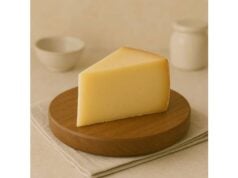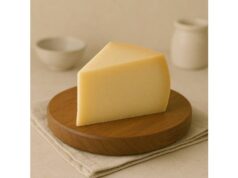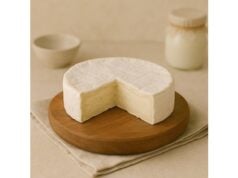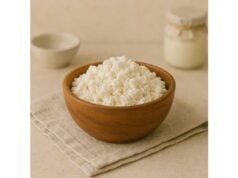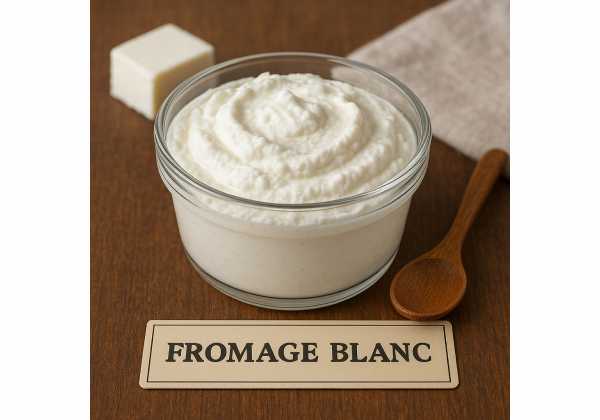
Fresh, lightly tangy, and endlessly adaptable, fromage blanc is France’s silky answer to “soft fresh cheese.” It sits somewhere between yogurt and cream cheese: spoonable when young and beaten, spreadable when drained, and always mild enough to welcome sweet or savory flavors. Cooks love it for breakfast bowls, creamy dips, cheesecakes, and sauces that feel luxurious but not heavy. Nutrition-wise, plain fromage blanc delivers solid protein with relatively few calories, very little salt, and—depending on fat level—minimal saturated fat. Its gentle acidity and fresh dairy aroma pair beautifully with fruit, herbs, smoked fish, or roasted vegetables. Unlike aged cheeses, fromage blanc is typically made from pasteurized milk and eaten fresh, so it retains a clean, milky taste and a soft, moist texture. Whether you buy it as 0% fat, 3.2% “matière grasse,” or a richer 8% version, it’s a versatile staple that can lighten desserts, enrich sauces, and add satisfying creaminess to plant-forward meals.
At a Glance
- Offers ~7–10 g protein per 100 g with modest calories; sodium is naturally low in plain varieties.
- Typical serving is 125 g (½ cup) two to four times weekly, adjusted to goals and total diet.
- Main caveats: milk allergy, lactose sensitivity, and added sugars in flavored products.
- Avoid if you have a confirmed cow’s milk allergy; choose pasteurized versions in pregnancy.
Table of Contents
- Fromage Blanc: Detailed Overview
- Fromage Blanc Nutrition Profile
- Evidence-Based Benefits of Fromage Blanc
- Risks, Allergies and Interactions
- Selecting Quality, Sustainability and Storage
- Preparation, Cooking and Nutrient Retention
- Portions, Comparisons and FAQs
Fromage Blanc: Detailed Overview
Fromage blanc (literally “white cheese”) is a fresh, unripened cow’s milk cheese with a soft, creamy body and a mild, lactic tang. It’s made by adding starter cultures to milk, allowing gentle acidification and coagulation, then draining the curd to the desired texture. Unlike aged cheeses, it isn’t pressed for long or matured; it’s sold and eaten fresh. You will find several styles:
- 0% fat (fat-free/“0% MG”): made from skim milk; very light, spoonable, and tangier.
- Standard (≈3–4% fat): often labeled “3.2% MG” in European markets; creamy, balanced, and versatile for sweet or savory uses.
- Whole-milk (≈8% fat): richer mouthfeel, smoother sauces and spreads, and fuller flavor with a still-fresh profile.
Producers may sell it beaten (homogeneous and silky) or unbeaten (slightly curdy), and some pack it in perforated tubs that continue to drain (a style similar to faisselle). Because fromage blanc is fresh and relatively moist, it tastes clean and dairy-sweet; acidity is mild compared with yogurt, and the texture ranges from pudding-like to spreadable, depending on drainage.
Fromage blanc is often confused with fromage frais, quark, and skyr. All are fresh cultured dairy, yet they differ subtly:
- Fromage frais and fromage blanc are frequently used interchangeably in retail; both are lactic-set fresh cheeses.
- Quark (common in Central and Northern Europe) is a curd cheese that’s typically strained more than yogurt; its texture and nutrition resemble standard fromage blanc.
- Skyr is technically a strained yogurt from Iceland using different cultures and often higher protein per 100 g.
Culinary range is broad. Use fromage blanc where you might use Greek yogurt, ricotta, or cream cheese—especially when you want creaminess with a lighter feel:
- Spoon over fruit with nuts and honey.
- Blend into herb sauces (chives, dill, lemon) for vegetables or fish.
- Swap into cheesecakes or tarts for a fresher, less heavy custard.
- Whisk with mustard and herbs to create a quick dressing for grain bowls.
- Fold into warm pureed soups off the heat to add body without splitting.
Because it’s fresh and mild, fromage blanc is a flavor carrier: it takes on herbs, spices, citrus, garlic, or vanilla without competing. For best results, avoid boiling; add it at the end of cooking or temper with a little starch or acid to keep it smooth (details in the cooking section).
Fromage Blanc Nutrition Profile
Nutrient values vary with fat level and drainage. The tables below show representative plain products per 100 g. Values are rounded to typical label precision; actual packages may differ slightly.
Macros and Electrolytes — Low-Fat Fromage Blanc (0–3% fat)
| Nutrient | Amount per 100 g | %DV |
|---|---|---|
| Energy (kcal) | 47–75 | — |
| Protein (g) | 7.0–8.0 | 14–16% |
| Total Fat (g) | 0.0–3.2 | 0–4% |
| Saturated Fat (g) | 0.0–2.1 | 0–11% |
| Carbohydrate (g) | 3.5–4.5 | 1–2% |
| Total Sugars (g) | 3.5–4.5 | — |
| Sodium (mg) | 30–60 | 1–3% |
| Potassium (mg) | 130–180 | 3–4% |
| Water (g) | 85–88 | — |
Macros and Electrolytes — Whole-Milk Fromage Blanc (~8% fat)
| Nutrient | Amount per 100 g | %DV |
|---|---|---|
| Energy (kcal) | 105–120 | — |
| Protein (g) | 6.5–7.5 | 13–15% |
| Total Fat (g) | 7.5–8.5 | 10–11% |
| Saturated Fat (g) | 5.0–5.8 | 25–29% |
| Carbohydrate (g) | 3.8–4.3 | 1–2% |
| Total Sugars (g) | 3.8–4.3 | — |
| Sodium (mg) | 30–60 | 1–3% |
| Potassium (mg) | 130–180 | 3–4% |
Vitamins (typical ranges, plain, unfortified)
| Vitamin | Low-Fat per 100 g | %DV | Whole-Milk per 100 g | %DV |
|---|---|---|---|---|
| Vitamin B12 (µg) | 0.3–0.5 | 13–21% | 0.4–0.6 | 17–25% |
| Riboflavin (B2) (mg) | 0.15–0.22 | 12–17% | 0.16–0.24 | 12–18% |
| Vitamin A (µg RAE) | 5–20 | 1–2% | 25–40 | 3–4% |
| Vitamin D (µg) | 0–0.2 | 0–1% | 0–0.3 | 0–2% |
| Vitamin K (µg) | 0–2 | 0–2% | 0–3 | 0–2% |
Minerals (typical ranges, plain, unfortified)
| Mineral | Low-Fat per 100 g | %DV | Whole-Milk per 100 g | %DV |
|---|---|---|---|---|
| Calcium (mg) | 100–130 | 8–10% | 100–130 | 8–10% |
| Phosphorus (mg) | 90–130 | 7–10% | 90–130 | 7–10% |
| Zinc (mg) | 0.4–0.7 | 4–6% | 0.5–0.8 | 5–7% |
| Selenium (µg) | 4–8 | 7–15% | 4–8 | 7–15% |
| Iodine (µg) | 10–20 | — | 10–20 | — |
Carbohydrates and Lactose
- Fromage blanc’s carbohydrate is primarily lactose. Plain versions typically provide ~3.5–4.5 g sugars/100 g. Flavored cups can exceed 10–15 g sugars/100 g depending on added sugar.
Protein and Amino Acids
- Protein is mostly casein, which digests slowly and supports satiety. A 125 g serving (½ cup) commonly yields 9–11 g protein.
Fats and Fatty Acids
- Fat depends on style. Whole-milk versions provide ~8 g fat/100 g (about 5–6 g saturated). Low-fat versions provide little to no fat.
Allergens & Intolerance Markers
- Contains milk proteins (casein and whey) and lactose.
- Naturally gluten-free unless cross-contaminated by add-ins.
Additives & Fortification
- Plain fromage blanc is usually unfortified; flavored varieties may include sugar, thickeners (e.g., pectin, starch), and flavorings.
Notes on %DV: Protein DV = 50 g; Calcium DV = 1300 mg; Phosphorus DV = 1250 mg; Sodium DV = 2300 mg; Potassium DV = 4700 mg; Vitamin B12 DV = 2.4 µg; Riboflavin DV = 1.3 mg; Vitamin A DV = 900 µg RAE; Vitamin D DV = 20 µg. Ranges reflect differences in fat level, brand, and drainage.
Evidence-Based Benefits of Fromage Blanc
Convenient protein with a gentle flavor. In a 125 g (½ cup) portion, plain fromage blanc typically provides ~9–11 g protein with modest calories, which helps you hit protein targets without resorting to heavily processed foods. Because the protein is predominantly casein, it digests more slowly than whey, offering steady amino acid delivery that can support satiety between meals and recovery after activity when combined with carbohydrates.
Food-matrix advantage for minerals. Dairy’s natural matrix—casein, milk fat (when present), and lactose—can enhance calcium absorption compared with isolated supplements. While fromage blanc contains less calcium per gram than hard cheeses, regular servings contribute meaningfully to daily calcium, phosphorus, and iodine. Using fromage blanc in snacks and meals is a practical way to distribute calcium intake across the day, which supports net absorption.
Lower sodium than aged cheeses. Fresh lactic-set cheeses are generally low in sodium, often ≤60 mg/100 g for plain varieties. If you’re balancing blood pressure or total sodium intake, fromage blanc can replace saltier cheeses in spreads and sauces while keeping mouthfeel creamy.
Portion-flexible energy. The fat level you pick lets you tune calories and texture. Low-fat (0–3%) versions fit light breakfasts, smoothies, and high-volume snacks; whole-milk (~8%) versions bring silkiness to sauces and desserts where a little richness goes a long way. That flexibility supports adherence to different goals, whether weight management, performance nutrition, or simply crafting satisfying meals.
Culinary versatility that boosts plant intake. Because it blends without assertive flavor, fromage blanc makes vegetables and whole grains more appealing: spoon over roasted carrots with dukkah, whisk into tahini-lemon dressing for grain bowls, or swirl into chilled cucumber soup. When dairy’s creaminess nudges extra servings of plants onto the plate, overall diet quality—and fiber, potassium, and phytonutrient intake—improves.
Digestive comfort for many. For individuals who don’t tolerate the sourness of yogurt or the richness of cream cheese, fromage blanc’s mild acidity and customizable fat level are easier on the palate. People with lactose intolerance sometimes tolerate small portions of fresh cheeses when eaten with other foods; starting with 60–125 g and assessing personal response is a sensible approach.
Practical use cases
- Breakfast: ½ cup fromage blanc + berries + 1 tbsp chopped nuts = ~10 g protein with fiber and healthy fats.
- Post-workout snack: ½ cup fromage blanc + banana + 1 tsp honey + pinch of salt (or peanut butter if higher energy is needed).
- Weeknight sauce: Whisk ¼ cup fromage blanc into pan juices off the heat with lemon and herbs for a glossy, light pan sauce.
Bottom line: fromage blanc is a nutrient-aware, culinary workhorse—a protein source with low sodium and adjustable fat that can make plant-heavy meals feel complete.
Risks, Allergies and Interactions
Milk allergy (IgE-mediated). Fromage blanc contains casein and whey proteins. Individuals with confirmed cow’s milk allergy should avoid it unless a clinician directs a supervised challenge or desensitization plan. Symptoms can include hives, wheezing, vomiting, and anaphylaxis.
Lactose intolerance. Fromage blanc retains more lactose than most aged cheeses because it’s fresh. If you’re sensitive, start with 2–4 tablespoons (30–60 g) and take notes. Consuming it with a mixed meal, pairing with lactase enzyme, or choosing lower-sugar, plain styles can help.
Pregnancy and food safety. Choose pasteurized fromage blanc and observe the cold chain from store to home. While fromage blanc is typically pasteurized and lower-risk than raw, soft cheeses, it’s still a moist, ready-to-eat dairy product. Avoid temperature abuse, keep it refrigerated, and discard if it smells off, tastes unusually sharp or yeasty, or shows separation and gas formation.
Medication interactions: tyramine with MAOIs. Aged cheeses are classic high-tyramine foods that interact with monoamine oxidase inhibitor (MAOI) medications. Fresh cheeses such as plain fromage blanc are generally lower in tyramine than aged cheese; however, because tyramine content can rise if storage is prolonged or hygiene is poor, people on MAOIs should consult their prescriber and often avoid or strictly limit all cheeses on a tyramine-restricted diet.
Saturated fat and blood lipids. Whole-milk fromage blanc (~8% fat) contains ~5–6 g saturated fat/100 g. If you’re managing LDL-cholesterol, emphasize low-fat or 0% versions, and use whole-milk styles in small amounts for texture rather than as a primary protein.
Added sugars in flavored cups. Many fruit-on-the-bottom or dessert products add 8–15 g sugar/100 g. For glycemic and dental health, choose plain and sweeten lightly with fruit or a measured drizzle of honey.
Histamine sensitivity and migraines. Aged cheeses are the typical culprits. Fresh cheeses like fromage blanc usually contain lower histamine, but sensitive individuals may still react to biogenic amines or to additives in flavored varieties. Track personal triggers and choose fresh, plain versions consumed soon after opening.
Sodium. Plain fromage blanc is naturally low in sodium. That said, savory dips can become high-sodium if combined with processed seasoning mixes. Build flavors with herbs, citrus, garlic, and spices before reaching for salt.
Food handling reminders
- Refrigerate at 1–4°C (34–39°F).
- Keep sealed; use clean utensils.
- Once opened, consume within 3–5 days (or by “use by” date, whichever comes first).
Selecting Quality, Sustainability and Storage
How to read labels
- Milk treatment: Most retail fromage blanc is pasteurized; verify on the label.
- Fat level: Look for 0%, 3–4%, or ~8%. Pick according to texture and nutrition goals.
- Plain vs flavored: Plain allows full control over sweetness and sodium. Flavored versions vary widely in added sugar and thickeners.
- Cultures: Some producers list specific starter cultures; these influence tang and texture.
- Drainage: Phrases like “faisselle,” “nature,” “gourmand,” or “beaten” hint at texture—from lightly grainy and draining to creamy and homogenized.
What quality looks and tastes like
- Appearance: Uniform white to ivory; free from discoloration or whey pooling that smells sour or yeasty.
- Aroma: Fresh, milky, gently tangy—no sharp ammonia or barnyard notes.
- Texture: Silky and cohesive when beaten; delicate curds when unblended. Grittiness or sliminess suggests poor handling or age.
Smart shopping and sustainability
- Right-sizing: Buy tubs you’ll finish in 3–5 days once opened.
- Packaging: Favor recyclable tubs and minimal secondary packaging.
- Local and seasonal pairing: Combine fromage blanc with local fruit, herbs, and vegetables to reduce the footprint of mix-ins.
- Dairy sourcing: If animal welfare and environmental practices matter to you, look for producer statements on pasture access, feed, and energy use.
Storage best practices
- Refrigeration: Store at 1–4°C (34–39°F) on a stable shelf. Avoid the door where temperatures fluctuate.
- Seal it tight: After each use, level the surface, press parchment or beeswax wrap directly onto the cheese to limit air exposure, then close the lid.
- Avoid cross-contamination: Use clean spoons; don’t double-dip.
- Freezing? Possible but not ideal. Fromage blanc tends to separate after thawing; if you must, freeze in small portions and plan to use in cooked dishes (sauces, baked goods).
- Off cues: Discard if you notice gas bubbles, sour/yeasty odor, or separation beyond a thin whey layer. When in doubt, throw it out.
Shelf life guidelines
- Unopened: follow use-by date; many tubs last 2–4 weeks under proper refrigeration.
- Opened: enjoy within 3–5 days for best quality and safety.
Preparation, Cooking and Nutrient Retention
Fresh cultured cheeses can split if overheated. A few simple techniques keep fromage blanc silky and stable.
Rules for smooth sauces
- Temper gently. Bring fromage blanc close to room temperature before adding to a hot dish. Cold dairy shocked into boiling liquid is prone to curdling.
- Add off the heat. Stir into soups, stews, or pan sauces after removing from direct heat; residual warmth is enough to loosen it.
- Stabilize with starch or acid. A teaspoon of cornstarch or flour per cup of liquid, or a mild acid like lemon juice or white wine, helps keep proteins dispersed and prevents separation—especially important for 0% fat styles.
- Whisk, don’t boil. Vigorous boiling tightens proteins; aim for a gentle steam or barely-there simmer.
- Pick fat level by task. Whole-milk fromage blanc makes glossier, more heat-tolerant sauces; low-fat versions excel in cold dips, dressings, and desserts.
Savory ideas
- Herbed green sauce: Blend fromage blanc with herbs, lemon, capers, and a splash of olive oil; spoon over grilled fish or asparagus.
- Roasted vegetable dressing: Whisk with tahini, garlic, and warm water for a pourable dressing over roasted carrots, cauliflower, or grain bowls.
- Baked potato topper: Mix with chives and black pepper for a tangy alternative to sour cream.
Sweet ideas
- No-bake cheesecake: Combine fromage blanc, a touch of sugar, lemon zest, and gelatin or agar; set in a crumb base for a feather-light finish.
- Fruit parfait: Layer with berries, toasted oats, and a drizzle of honey; the protein steadies a fruit-forward breakfast.
- Citrus cream: Whisk with orange zest and vanilla; dollop on poached pears.
Nutrient retention notes
- Protein and minerals are heat-stable under typical culinary conditions.
- Water-soluble vitamins (notably riboflavin and B12) remain robust in cold applications and tolerate gentle heating; prolonged high heat can reduce measured B-vitamin content primarily through dilution or whey separation rather than chemical destruction.
- Fat-soluble vitamins (A, D) are present in small amounts; minimize oiling-off by avoiding high heat.
- If a sauce breaks: Whisk in a teaspoon of starch slurry or a splash of warm milk and re-emulsify over very low heat.
Food-service scaling tips
- Add fromage blanc at service to keep sauces glossy.
- For hot lines, hold a stabilized sauce at 60–65°C (140–149°F) and refresh with small additions of fresh fromage blanc off the heat.
Portions, Comparisons and FAQs
How much should I eat?
A practical starting portion is 125 g (½ cup). Most healthy adults can enjoy fromage blanc two to four times per week within an energy-appropriate diet. If you’re aiming for higher protein, pair it with eggs, legumes, or grains; if you’re moderating saturated fat, prefer 0–3% versions for everyday use and save whole-milk for recipes where texture matters most.
How does fromage blanc compare to similar foods?
- Greek yogurt (plain, 2%): Similar protein (~9–10 g/100 g) and calcium; yogurt is typically a bit tangier and may be higher in sodium depending on brand.
- Quark: Overlaps strongly; many quarks run 8–12 g protein/100 g with low fat. Fromage blanc is usually slightly looser unless well strained.
- Ricotta (whole milk): Higher calories and fat per 100 g; slightly lower protein density. Ricotta’s grainier curd suits baked pastas, while fromage blanc is smoother and better for cold applications.
- Cream cheese: Much higher fat and calories; protein is lower. Use fromage blanc to lighten traditional cream-cheese recipes.
- Skyr: Typically the highest protein among these (often 10–11 g/100 g or more), with a denser texture.
Can people with lactose intolerance eat it?
Sometimes—in small, meal-context portions. Try 30–60 g first, choose plain, and consider lactase tablets if needed. If symptoms persist, opt for aged cheeses (usually lower in lactose) or lactose-free cultured dairy.
Is fromage blanc vegetarian?
Most fresh lactic-set versions do not require animal rennet; they’re coagulated primarily by cultures and acidity. Always check the label, as some producers use rennet or microbial coagulants to tweak texture.
Weight management tips
- Use 0–3% versions for daily snacks and breakfasts.
- Sweeten with fruit instead of sugar; add nuts or seeds for staying power.
- In baking, swap part of the cream cheese, sour cream, or heavy cream for fromage blanc to reduce calories and saturated fat while keeping moisture.
Quick meal templates
- Savory bowl: ½ cup fromage blanc + warm lentils + roasted vegetables + lemon-herb dressing.
- Sweet bowl: ½ cup fromage blanc + sliced stone fruit + toasted pistachios + cinnamon.
- Spread: Fromage blanc + chopped herbs + lemon zest + cracked pepper on whole-grain toast.
Shelf-stable alternatives?
No. Fromage blanc is refrigerated and perishable. If you need a shelf-stable option, consider evaporated milk or UHT dairy for different use cases, but the texture and taste won’t match.
References
- Calcium – Health Professional Fact Sheet 2025 (Fact Sheet)
- Preventing Listeria Infection | Listeria Infection | CDC 2025 (Guidance)
- MAOI (Monoamine Oxidase Inhibitors) Diet Sheet 2022 (Patient Guidance)
- Sodium reduction 2025 (Fact Sheet)
- Calcium Absorption from Food Products: Food Matrix Effects 2021 (Systematic Review)
Disclaimer
This guide is educational and does not replace personalized medical advice, diagnosis, or treatment. Dairy tolerance, nutrient needs, and safety considerations vary by individual health status, medications, pregnancy, and allergies. Consult a qualified healthcare professional or registered dietitian for guidance tailored to you.
If this article helped, we’d appreciate your support—please consider sharing it on Facebook, X (formerly Twitter), or any platform you prefer to help others find reliable, practical nutrition information.