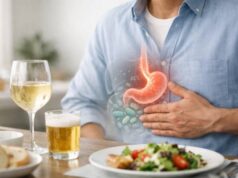
Fructose malabsorption is a common, often overlooked reason for post-meal bloating, gas, and unpredictable bowel habits. It happens when the small intestine cannot absorb all the fructose you eat, leaving extra sugar to pull water into the gut and feed bacteria in the colon. The result can feel dramatic—especially after fruit juice, honey, “healthy” smoothies, or foods sweetened with high-fructose syrups. The encouraging part is that symptoms are usually manageable once you understand two ideas: dose matters and food combinations matter. Many people do not need to avoid fructose entirely; they need a clearer personal threshold, better portioning, and a short plan for reintroducing foods without guesswork. This guide explains the most typical symptoms, how breath testing works (and why it can be confusing), and practical diet strategies and meal ideas that help you feel better without over-restricting long term.
Top Highlights
- Targeted fructose reduction often improves bloating, gas, and loose stools within 1–2 weeks when fructose is a true trigger.
- Breath testing can support the diagnosis, but results are most useful when paired with symptom patterns and a structured diet trial.
- Unintentional weight loss, blood in stool, fever, severe pain, or persistent diarrhea needs medical evaluation rather than diet-only management.
- A 2–4 week “lower-fructose” phase followed by stepwise reintroduction helps identify your personal tolerance and expands your diet safely.
Table of Contents
- Fructose Malabsorption in Plain Terms
- Symptoms and Symptom Patterns
- Why Fructose Causes Gas and Diarrhea
- Breath Tests and Other Diagnosis Tools
- Diet Basics That Usually Help
- Food Lists and Simple Meal Ideas
- When to Get Checked and What Else It Could Be
Fructose Malabsorption in Plain Terms
Fructose is a natural sugar found in fruit and honey, and it is also used in many sweetened foods and drinks. In fructose malabsorption, your small intestine absorbs some fructose but not all of it—especially when the dose is large or the food choice is a poor match for your personal absorption capacity. The unabsorbed fructose moves into the colon, where it can draw in water and become “fuel” for bacteria, increasing gas and irritation.
A few clarifications prevent a lot of confusion:
- It is not an allergy. There is no immune reaction like you would see with a true food allergy.
- It is not the same as hereditary fructose intolerance. Hereditary fructose intolerance is a rare genetic condition that typically causes severe illness when fructose is consumed, often starting in infancy or early childhood. Fructose malabsorption is far more common and usually shows up as digestive symptoms.
- It is often dose-dependent. Many people tolerate small servings of certain fruits but react to juice, smoothies, dried fruit, or sweetened snacks where the fructose dose rises quickly.
- It overlaps with IBS and other gut sensitivity patterns. Some people have malabsorption (fructose truly isn’t absorbed well), others have normal absorption but high sensitivity to the gut stretching and fermentation that fructose can cause. In practice, the management can look similar.
People also use different names: “dietary fructose intolerance,” “intestinal fructose intolerance,” and “fructose malabsorption” are commonly used to describe the same general problem. The best term is “malabsorption” because it emphasizes the mechanism—imperfect absorption—without implying a dangerous intolerance.
If you take one concept from this section, let it be this: fructose malabsorption is rarely about a single food you must never eat again. It is more often about the total fructose load in a sitting and how quickly it reaches your gut.
Symptoms and Symptom Patterns
Fructose-related symptoms typically cluster around fermentation and fluid shifts in the gut. The most common complaints are not subtle: a meal that seems normal at the table can lead to a swollen abdomen, cramping, and urgent bathroom trips later.
Common symptoms
Many people experience a mix of:
- bloating or visible distension
- excess gas and frequent flatulence
- abdominal discomfort or cramping
- loose stools or diarrhea (sometimes with urgency)
- a sense of incomplete bowel movements
- nausea, especially after very sweet drinks or large fruit servings
Some people also report fatigue or “heavy” feelings after meals. That is not specific to fructose, but it can happen when symptoms disrupt sleep, hydration, or appetite.
Timing patterns that raise suspicion
Timing is a practical clue. Symptoms often begin within a few hours of fructose intake, but the exact timing varies with the meal. A few common patterns:
- Juice and sweet drinks: faster onset because the fructose dose arrives quickly and is not buffered by chewing or fiber.
- Smoothies and bowls: can look “healthy” but often combine multiple fruits plus sweetened yogurt, honey, or syrups—creating a high fructose load in one sitting.
- Desserts and sweetened snacks: can trigger symptoms later the same day, especially if they also include sugar alcohols or large amounts of fat.
- Fruit plus stress: symptoms tend to be worse when stress is high, sleep is poor, or you are constipated—because the gut becomes more reactive.
Stool clues that matter
Fructose malabsorption often causes loose stools or diarrhea, sometimes with a sour or stronger odor from fermentation. However, stool appearance alone does not confirm fructose as the cause. If you notice any of the following, widen the evaluation:
- persistent watery stool beyond 10–14 days
- blood, black stools, or fever
- greasy, pale, floating stool with weight loss (suggests malabsorption beyond fructose)
Why symptoms vary between people
Two people can eat the same fruit and have different outcomes because tolerance is influenced by:
- the amount eaten
- whether the fructose comes as whole food or liquid
- other foods eaten at the same time
- baseline gut sensitivity and bowel habits
- the current state of the gut microbiome after illness, antibiotics, or travel
When symptoms feel unpredictable, a short, structured approach often restores predictability quickly—especially if fructose is truly one of the main triggers.
Why Fructose Causes Gas and Diarrhea
Fructose can cause symptoms through two main pathways: water movement and fermentation. Understanding these helps you choose smarter fixes than blanket restriction.
1) Fructose can pull water into the intestine
When fructose is not fully absorbed in the small intestine, it stays in the gut where it increases the “osmotic” pull—meaning it draws water into the bowel. More water in the intestine can lead to:
- looser stool
- urgency
- cramping related to rapid distension
This effect is often strongest with liquids (juice, soda, sweetened drinks) because the sugar arrives quickly and in a concentrated form.
2) Unabsorbed fructose feeds bacterial fermentation
Once fructose reaches the colon, bacteria ferment it. Fermentation produces gas and other byproducts that can increase:
- bloating and pressure
- audible gut sounds
- flatulence
- abdominal pain in sensitive individuals
Some people also produce more methane rather than hydrogen during fermentation. Methane is often linked with slower transit and constipation in certain patterns, which can create a confusing situation: fructose may trigger bloating and pain without obvious diarrhea.
Why certain foods are more problematic
Fructose is not evenly “packaged” in foods. Practical factors include:
- Fructose dose: Larger servings are more likely to exceed absorption capacity.
- Liquid form: Juice and sweetened drinks deliver a high dose quickly.
- Other fermentable carbs: If your meal also includes other fermentable carbohydrates, the overall gas load rises.
- Sorbitol and similar sweeteners: Some fruits and many “sugar-free” products contain polyols that are also poorly absorbed and can amplify symptoms.
- Individual gut conditions: A gut that is already irritated, inflamed, or experiencing abnormal bacterial patterns can react more intensely.
Why “just add glucose” is not a dependable fix
You may hear that fructose absorption improves when fructose is eaten alongside glucose. That idea comes from basic absorption physiology, and it may help some people in some contexts. In real life, it is not a reliable strategy for symptom prevention. If you try it, treat it as an experiment, not a guarantee—and do not use it to justify large fructose doses.
The most dependable approach is simpler: reduce the largest fructose loads first, stabilize symptoms, then rebuild tolerance with measured reintroductions.
Breath Tests and Other Diagnosis Tools
Diagnosis usually involves a combination of symptom pattern recognition, dietary response, and—when appropriate—breath testing. The main test used in many clinics is a hydrogen and methane breath test after a fructose drink.
How fructose breath testing works
Breath tests rely on a basic fact: human cells do not produce hydrogen or methane gas in meaningful amounts. These gases come from gut bacteria. If fructose is not absorbed well and reaches bacteria, gas production rises and shows up in exhaled breath.
A typical test process includes:
- fasting before the test
- avoiding certain foods and behaviors that raise baseline gas (such as very high-fiber foods shortly before testing)
- ingesting a measured fructose solution
- providing breath samples at regular intervals (often every 15–30 minutes) for several hours
- tracking hydrogen and sometimes methane levels, plus any symptoms that occur during the test
Many protocols define a positive result by a rise in breath hydrogen above baseline. Methane interpretation can add nuance, especially for constipation-predominant patterns.
Preparation matters more than most people realize
Breath testing is sensitive to recent antibiotics, certain laxatives, and other factors that shift the microbiome or gut transit. Poor preparation can produce confusing results, such as high baseline hydrogen that makes interpretation difficult. Your testing center typically provides a detailed preparation checklist; following it closely improves accuracy.
Limitations and “false positives”
Breath testing is helpful, but it is not perfect. A positive result can occur even when fructose is not the primary driver if:
- small intestinal bacterial patterns cause early fermentation
- transit is very rapid
- baseline breath gases are elevated
- symptoms during the test do not match the patient’s real-world symptom pattern
For this reason, many clinicians treat the breath test as supportive evidence rather than a stand-alone diagnosis. Symptoms during the test can provide important context: a number on a graph matters less if the test does not reproduce your typical symptoms.
An alternative: a structured diet trial
A well-designed elimination and reintroduction trial can be as informative as breath testing for many people. A practical version is:
- Reduce high-fructose loads for 2–4 weeks.
- Track symptoms, stool, and abdominal distension.
- Reintroduce one fructose-rich food at a time in measured portions across 3 days.
- Identify the threshold that triggers symptoms.
If symptoms do not improve during the reduction phase, fructose may not be the main issue, and broader evaluation becomes more important.
Diet Basics That Usually Help
Diet strategies work best when they are targeted and time-limited at first. The goal is to reduce symptom-provoking fructose exposure while keeping nutrition adequate, then reintroduce foods to find your personal tolerance.
Step 1: Remove the highest-fructose “spikes” first
The biggest symptom drivers are often concentrated sources:
- fruit juice and juice blends
- smoothies with multiple fruits
- honey and agave
- foods sweetened with high-fructose syrups or fruit concentrates
- dried fruit (dense fructose load)
Removing these for a short window often provides the clearest signal. Many people notice less bloating and less urgency within 7–14 days if fructose is a major trigger.
Step 2: Keep fruit, but change the format and dose
You do not need to avoid fruit automatically. More useful rules are:
- choose whole fruit more often than juice
- limit fruit to one serving at a time while you are learning your threshold
- avoid stacking fruit with other sweeteners (honey, syrups) in the same snack
- pair fruit with a meal or a protein snack if you notice better tolerance that way
Ripeness can matter for some people, and individual tolerance varies. Treat fruit as a reintroduction category, not a permanent “yes” or “no.”
Step 3: Consider the low-FODMAP connection carefully
Fructose is one member of the FODMAP family. Many people who react to fructose also react to other fermentable carbohydrates, but not always. A common mistake is jumping into a full low-FODMAP plan without structure, which can become unnecessarily restrictive.
A practical approach is “fructose-first”:
- focus on obvious fructose excess sources first
- if symptoms persist, consider whether other fermentable carbs are also involved
- if you expand to a low-FODMAP approach, plan a reintroduction phase so the diet does not stay overly restrictive
Step 4: Support regularity and gut comfort
Constipation and inconsistent eating patterns can amplify bloating. Even if diarrhea is your main symptom, aim for:
- steady meals (avoid long fasts followed by very large meals)
- adequate hydration
- a moderate fiber intake that is introduced gradually, especially if you have been eating low fiber
Supplements and enzymes: where they may fit
Some people try an enzyme supplement that converts fructose into other sugars before it reaches the colon. Evidence is not as strong as for dietary changes, and products vary widely. If you experiment, introduce one new supplement at a time, track symptoms, and avoid using supplements as a reason to consume large fructose loads.
The most sustainable outcome is not “zero fructose.” It is a diet that feels normal again because you know your threshold and have a plan for the foods you enjoy.
Food Lists and Simple Meal Ideas
Food lists are useful as starting points, but they should not become lifelong rules. The same food can be tolerated in a small portion and trigger symptoms in a large one. Use the lists below to guide a 2–4 week learning phase, then personalize.
Often problematic during the learning phase
These items commonly trigger symptoms because they deliver a high fructose load or combine fructose with other poorly absorbed sugars:
- apple and pear products (especially juice)
- mango and watermelon
- honey, agave, and fruit concentrates
- dried fruit (dates, raisins, apricots)
- sweetened drinks and “health” beverages with fruit syrups
- desserts and snacks sweetened with high-fructose syrups
- “sugar-free” products that contain polyols (often worsen symptoms even if fructose is reduced)
Often easier to start with
Many people tolerate these better in moderate portions:
- citrus fruits (like oranges)
- berries
- kiwifruit
- ripe bananas
- pineapple in modest servings
- starchy bases: rice, potatoes, oats, quinoa
- proteins: eggs, poultry, fish, tofu, tempeh
- vegetables that are not heavily sweetened by nature: carrots, zucchini, spinach, tomatoes (as part of meals)
If you are also sensitive to other fermentable carbohydrates, you may need additional adjustments. Start with fructose, then expand only if needed.
Simple meal templates
Use repeatable structures rather than complicated recipes:
- Breakfast: oatmeal made with water or lactose-free milk, topped with berries; eggs on toast with a side of citrus
- Lunch: rice bowl with chicken or tofu, cucumber, tomato, and olive oil; potato soup with a side of sourdough-style bread
- Dinner: baked fish with potatoes and sautéed zucchini; stir-fry with rice, ginger, and a simple soy-based sauce (avoid sweetened sauces at first)
- Snacks: a handful of nuts with a kiwi; yogurt alternative with chia; crackers with cheese or hummus in a small portion if tolerated
Label-reading tips that prevent surprises
When symptoms are active, scan ingredient lists for:
- high-fructose syrups and fruit concentrates
- honey and agave
- “natural sweeteners” in large amounts
- sugar alcohols (often the hidden cause of gas and loose stool)
Also watch portion size. A small amount of a sweetener in a sauce may be fine, while a large serving of a sweetened snack may be enough to trigger symptoms.
Eating out and travel strategies
- choose meals built around protein, rice or potatoes, and non-sweet sauces
- skip juice and sweet cocktails; choose water or unsweetened beverages
- treat dessert as a planned test, not an automatic add-on
- carry a “safe snack” so hunger does not push you toward high-fructose convenience foods
Once symptoms calm, the real progress comes from reintroduction: you learn what you can bring back—and in what portion—so your diet widens again.
When to Get Checked and What Else It Could Be
Fructose malabsorption is common, but it should not become a catch-all explanation for ongoing digestive symptoms. If symptoms persist, recur frequently, or include warning signs, evaluation matters.
Red flags that should prompt medical care
Seek medical evaluation promptly if you have:
- blood in stool or black, tar-like stools
- fever, severe or worsening abdominal pain, or persistent vomiting
- signs of dehydration (dizziness, confusion, very dark urine, fainting)
- unintentional weight loss or persistent poor appetite
- diarrhea that persists beyond 10–14 days or repeatedly wakes you at night
- a new, persistent change in bowel habits, especially after age 50
Conditions that can mimic fructose malabsorption
Several issues can look similar because they share symptoms like bloating and diarrhea:
- lactose intolerance or other carbohydrate intolerances
- irritable bowel patterns driven by gut-brain sensitivity
- celiac disease or other small-intestine injury that reduces absorption
- infections (including travel-related infections)
- bile acid diarrhea
- small intestinal bacterial overgrowth patterns that distort breath testing and symptoms
- inflammatory bowel diseases, especially when urgency, blood, or nighttime symptoms are present
You do not need to self-diagnose these. The point is to avoid assuming fructose is the only answer if the pattern does not improve with a structured approach.
Hereditary fructose intolerance deserves special mention
Hereditary fructose intolerance is rare but serious. It usually appears early in life and can cause severe reactions to fructose, sucrose, or sorbitol. People may develop strong aversion to sweets and fruit because symptoms are so unpleasant. If you suspect this based on childhood history or severe systemic reactions, do not attempt repeated fructose challenges without medical guidance.
How to prepare for a productive appointment
Bring a brief, practical summary:
- when symptoms started and how often they occur
- your most common triggers (especially juices, honey, sweetened foods)
- stool pattern (diarrhea, constipation, or mixed) and any red flags
- what changed with a 2–4 week fructose reduction trial
- relevant context: antibiotics, travel, major stress, new medications
This information helps clinicians decide whether breath testing is appropriate, whether broader testing is needed, and how to design a diet plan that improves symptoms without risking nutritional gaps.
If you treat fructose malabsorption as a structured problem—with a clear trial, careful reintroduction, and attention to red flags—you are far more likely to get lasting relief and a diet that feels normal again.
References
- Fructose malabsorption: causes, diagnosis and treatment 2022 (Review). ([PubMed][1])
- European guideline on indications, performance, and clinical impact of hydrogen and methane breath tests in adult and pediatric patients: European Association for Gastroenterology, Endoscopy and Nutrition, European Society of Neurogastroenterology and Motility, and European Society for Paediatric Gastroenterology Hepatology and Nutrition consensus 2022 (Guideline). ([PMC][2])
- Understanding Our Tests: Hydrogen-Methane Breath Testing to Diagnose Small Intestinal Bacterial Overgrowth 2023 (Review). ([PMC][3])
- Fructose malabsorption and fructan malabsorption are associated in patients with irritable bowel syndrome 2024 (Clinical Study). ([PMC][4])
Disclaimer
This article is for educational purposes only and does not provide medical advice, diagnosis, or treatment. Digestive symptoms such as bloating, gas, and diarrhea can have many causes, and what is appropriate varies based on your medical history, medications, and overall risk factors. Seek prompt medical evaluation if you have severe or persistent symptoms, signs of dehydration, fever, blood in stool, black stools, significant abdominal pain, unexplained weight loss, or symptoms that worsen rather than improve. If you have a condition that affects dietary restrictions (such as diabetes, kidney disease, or a history of eating disorders), discuss diet changes with a qualified healthcare professional.
If you found this helpful, consider sharing it on Facebook, X (formerly Twitter), or any platform you prefer.