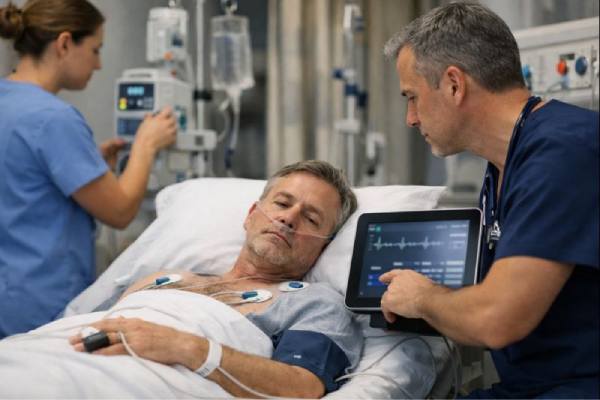
Fulminant myocarditis is a rare but life-threatening form of heart muscle inflammation that escalates fast—sometimes over hours to a few days. A person may start with “flu-like” symptoms and then suddenly develop severe weakness, chest pressure, fainting, or breathlessness that does not feel like ordinary fatigue. The heart can become too weak or too unstable to pump enough blood to the body, which is why urgent hospital care is essential.
Many people recover well when fulminant myocarditis is recognized early and treated in a center prepared to support the circulation while the heart heals. The difficult part is that it can resemble other emergencies, including heart attack or severe infection. This article explains what fulminant myocarditis is, why it happens, how to spot danger signs, what tests doctors use, and what treatment and long-term planning typically involve.
Table of Contents
- What fulminant myocarditis is and why it turns critical
- Causes and risk factors that make cases fulminant
- Symptoms, complications, and when to call emergency services
- How it is diagnosed quickly and confirmed
- Treatment in the ICU: medications, devices, and what to expect
- Recovery, management, prevention, and follow-up after discharge
What fulminant myocarditis is and why it turns critical
Myocarditis means inflammation of the heart muscle. In fulminant myocarditis, the inflammation is intense and spreads quickly enough to cause sudden heart failure, dangerous rhythm problems, or cardiogenic shock (when the heart cannot supply the body’s organs with adequate blood flow). Unlike milder myocarditis—where people may have chest pain but stable vital signs—fulminant cases can progress from “feels sick” to “needs life support” in a short window.
The heart fails in two main ways. First, inflamed muscle cells cannot contract or relax normally. Pumping strength may drop, but even when the squeeze looks only moderately reduced, the heart can become stiff and unable to fill properly. That raises pressures backward into the lungs and can cause severe breathlessness. Second, inflammation disrupts electrical pathways, triggering rapid ventricular rhythms, complete heart block, or a storm of unstable beats. Either pathway can be fatal without rapid intervention.
Fulminant myocarditis is best understood as a clinical pattern, not a single disease. Different subtypes can look similar at the bedside, yet require different targeted therapies. For example, a viral-triggered lymphocytic myocarditis may be managed mainly with supportive care while the immune reaction settles, whereas giant cell myocarditis or eosinophilic myocarditis often requires urgent immunosuppression. Immune checkpoint inhibitor myocarditis (a cancer-therapy complication) can also behave fulminantly and usually needs immediate high-dose steroids.
A practical feature of fulminant myocarditis is the “support-to-recovery” concept. In the acute phase, clinicians may use medications and mechanical circulatory support to maintain blood flow and oxygen delivery while the heart muscle has time to recover. In many survivors, heart function improves substantially over weeks to months. Still, recovery is not guaranteed, and some people require longer-term devices or even transplant evaluation.
Because timing matters, fulminant myocarditis is less about perfect early labeling and more about recognizing the danger pattern—rapid deterioration, shock signs, and arrhythmias—and moving quickly to a capable center.
Causes and risk factors that make cases fulminant
Fulminant myocarditis can be triggered by infections, immune reactions, medications, and systemic inflammatory diseases. Often, the trigger is common but the severe response is not—meaning many people may catch the same virus, yet only a small number develop fulminant heart inflammation.
Common causes
- Viral infections: Many viruses can trigger myocarditis. The most typical story includes fever, sore throat, diarrhea, or muscle aches followed by chest pain, breathlessness, or collapse.
- Immune-mediated myocarditis: The immune system can mistakenly attack heart tissue. This includes autoimmune disease–related myocarditis and specific histologic types such as giant cell myocarditis.
- Eosinophilic myocarditis: Often linked to drug reactions, allergic syndromes, parasitic infections, or hypereosinophilic disorders. It can deteriorate quickly and may respond to steroids when identified early.
- Immune checkpoint inhibitor myocarditis: A rare but serious complication of certain cancer immunotherapies. It may occur early after treatment begins and can involve the heart’s electrical system.
- Bacterial and other infectious causes: Less common in many regions, but important when clinical clues point to them.
Why some cases become fulminant
Fulminant presentations are more likely when inflammation is widespread, rapidly progressive, or coupled with electrical instability. Several factors raise the stakes:
- High inflammatory burden: A strong immune response can cause edema (swelling) in the heart muscle, impairing both contraction and relaxation.
- Specific myocarditis subtypes: Giant cell and eosinophilic myocarditis are notorious for aggressive courses if untreated.
- Delay in recognition: Waiting days with worsening breathlessness, fainting, or low blood pressure increases the risk of organ injury before advanced support is started.
- Coexisting triggers: Dehydration, severe infection, or uncontrolled arrhythmias can push a borderline situation into shock.
- Underlying vulnerability: Some people have genetic or immune predispositions that are not obvious before the event.
It is important to avoid false reassurance based on age or fitness. Fulminant myocarditis often affects younger adults, including those with no known heart disease. At the same time, older adults and people with chronic illness can be affected and may have less physiologic reserve, which can make deterioration faster.
One practical takeaway: the cause is not always clear on day one, but clinicians can still act decisively—support circulation, treat life-threatening rhythms, and pursue early testing that helps identify treatable immune-mediated forms.
Symptoms, complications, and when to call emergency services
Fulminant myocarditis often begins like a routine viral illness, then changes character. The turning point is usually the appearance of heart-related symptoms that worsen rapidly or feel out of proportion to a typical cold or flu.
Symptoms that should raise concern
- Chest pain or pressure, especially if persistent or paired with sweating or nausea
- Severe shortness of breath, breathlessness at rest, or needing to sit upright to breathe
- Fainting or near-fainting, especially during palpitations or exertion
- Fast or irregular heartbeat that does not settle, or a “thumping” sensation with dizziness
- Marked fatigue and weakness that appears suddenly and limits basic activities
- Cold, clammy skin, confusion, or inability to stay awake—possible shock signs
- Swelling of legs or belly can occur, but fulminant cases may present before obvious swelling develops
Because symptoms can overlap with heart attack, pneumonia, panic, and sepsis, the safest approach is to treat severe symptoms as an emergency until proven otherwise.
Complications clinicians worry about
- Cardiogenic shock: Low blood pressure and poor organ perfusion may lead to kidney injury, liver injury, or altered mental status.
- Malignant arrhythmias: Ventricular tachycardia, ventricular fibrillation, or electrical storm can cause sudden collapse.
- Severe conduction disease: Complete heart block may cause profound bradycardia and fainting.
- Acute heart failure and pulmonary edema: Fluid backs up into the lungs, causing rapid breathing and low oxygen.
- Blood clots: A weak or inflamed heart can form clots, increasing stroke risk.
- Need for mechanical support: Some patients require devices to stabilize circulation while the heart recovers.
When to call emergency services
Call emergency services immediately for:
- Breathlessness at rest, blue/gray lips, confusion, or inability to speak full sentences
- Fainting, repeated near-fainting, or seizure-like collapse
- Chest pressure with sweating, nausea, or severe weakness
- Sustained rapid heartbeat with dizziness or chest discomfort
- Signs of shock: cold skin, very low urine output, extreme drowsiness
If you suspect fulminant myocarditis, do not drive yourself. The most effective care begins before arrival—oxygen, rhythm monitoring, and rapid transport to a hospital that can provide intensive support if needed.
How it is diagnosed quickly and confirmed
In the emergency setting, the first priority is stability: oxygen, blood pressure, and rhythm control. Diagnosis happens in parallel, with an emphasis on ruling out look-alike conditions such as heart attack and severe infection.
Initial evaluation and fast tests
Clinicians typically use:
- Electrocardiogram (ECG): Can show ST-segment changes, conduction blocks, or dangerous rhythms. Findings may mimic heart attack, which is why further testing is crucial.
- Blood tests:
- Cardiac injury markers (often elevated)
- Inflammation markers and infection screening
- Kidney and liver function to assess organ perfusion
- Chest imaging: Helps evaluate fluid in the lungs and alternative causes of breathlessness.
- Echocardiogram: A bedside ultrasound that assesses pumping function, chamber size, valve function, and fluid around the heart. Fulminant cases may show reduced function, thickened walls from edema, or signs of high filling pressures.
Ruling out heart attack
Because myocarditis can mimic acute coronary syndrome, many patients undergo coronary evaluation—often angiography or CT coronary angiography—especially when chest pain and ECG changes are prominent. A clear coronary evaluation helps avoid missing a treatable blockage.
Confirming myocarditis and defining the subtype
Two tools help answer the “what type is this?” question:
- Cardiac MRI: Provides tissue-level information that supports myocarditis and can estimate inflammation and injury patterns. However, MRI may be infeasible in unstable patients and should not delay urgent care.
- Endomyocardial biopsy: In fulminant cases, biopsy can be pivotal because it can identify specific subtypes (such as giant cell or eosinophilic myocarditis) where immediate targeted therapy changes outcomes. Biopsy is especially valuable when shock, severe arrhythmias, or rapidly progressive heart failure is present, or when clinicians suspect an immune-mediated mechanism.
Why diagnosis is a process, not a single test
Fulminant myocarditis is often diagnosed through a “stack” of evidence: clinical course, imaging, biomarkers, rhythm findings, and—when needed—biopsy. A normal early echocardiogram or a non-diagnostic MRI does not automatically exclude myocarditis if the patient is deteriorating. In that setting, escalation decisions are driven by physiology: oxygenation, perfusion, and rhythm stability.
A good diagnostic pathway does two things at once: it protects the patient immediately and it narrows the cause quickly enough to guide therapy that is time-sensitive.
Treatment in the ICU: medications, devices, and what to expect
Treatment for fulminant myocarditis is built around one central goal: maintain circulation and prevent fatal arrhythmias while the heart inflammation is treated and the muscle has time to recover. Most patients require intensive care because conditions can change hour to hour.
Immediate stabilization
Common early steps include:
- Oxygen and ventilatory support if breathing is labored or oxygen levels drop
- Careful fluid strategy: Some patients need cautious fluids for perfusion; others worsen with fluids and require diuresis. Decisions are guided by ultrasound, pressures, and organ perfusion.
- Vasoactive medications:
- Inotropes to support heart contraction when output is low
- Vasopressors to maintain blood pressure when shock is present
- Rhythm management: Antiarrhythmics, temporary pacing for severe heart block, and rapid defibrillation capability when ventricular arrhythmias occur.
Mechanical circulatory support
If medications cannot maintain adequate perfusion, temporary mechanical support may be lifesaving. Options vary by hospital capability and patient needs:
- VA-ECMO can provide full cardiopulmonary support and is often used when shock is severe or oxygenation is compromised.
- Percutaneous ventricular assist devices may be used to unload the left ventricle and improve systemic circulation in selected patients.
- Intra-aortic balloon pump may be considered in certain hemodynamic profiles, though it is usually less powerful than newer devices.
These devices function as bridges: bridge-to-recovery (most desired), bridge-to-decision (time to define subtype and plan), or bridge-to-transplant/long-term support when recovery does not occur quickly enough.
Targeted therapies when an immune-driven subtype is likely
Supportive care is essential, but some fulminant forms need disease-specific treatment urgently:
- High-dose corticosteroids are commonly used when clinicians strongly suspect immune-mediated myocarditis (such as giant cell, eosinophilic, sarcoid-related, or immune checkpoint inhibitor myocarditis). In some scenarios, steroids may be started before biopsy when delay would be dangerous.
- Additional immunosuppressive agents may be added based on subtype and specialist guidance.
- Antimicrobials are used when a specific infectious cause is suspected or confirmed.
What improvement can look like
Some patients stabilize quickly once support is initiated; others require days to weeks of device support. A promising sign is improving blood pressure with fewer medications, better urine output, falling lactate, and improving echocardiogram function. Even when recovery is substantial, clinicians typically plan careful rhythm monitoring and follow-up because the heart remains vulnerable during healing.
Recovery, management, prevention, and follow-up after discharge
Surviving fulminant myocarditis is often the start of a structured recovery phase. Many people regain strong heart function, but the timeline can be uneven, and the safest plan assumes you are still at higher risk for rhythm problems and recurrence in the early months.
What follow-up usually includes
Most discharge plans involve:
- Cardiology follow-up within weeks, sooner if residual dysfunction or arrhythmias occurred
- Repeat imaging (often echocardiography, sometimes cardiac MRI) to document recovery and guide medication decisions
- Rhythm surveillance if you had palpitations, fainting, heart block, or ventricular arrhythmias
- Lab monitoring for kidney function and electrolytes, especially if you are on diuretics or heart failure medications
If biopsy identified a specific subtype, follow-up may include immunology, oncology, or rheumatology input, and a longer taper of immunosuppression in selected cases.
Medications during recovery
Treatment often looks like heart failure care, tailored to your blood pressure and function:
- Medications that reduce cardiac workload and support remodeling may be used even if you are improving, then adjusted over time.
- If atrial fibrillation or ventricular arrhythmias occurred, you may need antiarrhythmic therapy, anticoagulation evaluation, or electrophysiology follow-up.
- If an immune checkpoint inhibitor triggered myocarditis, cancer therapy plans require careful reassessment with your oncology team.
Activity, sports, and return to work
A common mistake is returning to high-intensity exercise too early. Even when symptoms improve, the heart can remain electrically irritable. Many clinicians recommend a graded return to activity with clear checkpoints:
- Rest from strenuous exercise during the acute and early recovery period.
- Resume light activity when stable and cleared, focusing on walking and daily function.
- Consider formal rehab or supervised progression if you had shock or prolonged ICU care.
Your clearance should be based on symptoms, heart function, rhythm evaluation, and inflammation resolution—not on motivation.
Prevention and early warning signs
You cannot always prevent myocarditis triggers, but you can reduce risk of delayed recognition:
- Seek care promptly for chest pain, fainting, or breathlessness after a recent infection.
- Avoid starting new vigorous training during or right after an acute viral illness.
- Take medications exactly as prescribed, and do not stop steroids or immunosuppressants abruptly unless instructed.
Urgent re-evaluation is warranted if you develop new fainting, sustained palpitations, worsening breathlessness, or chest pressure—especially in the first several months. The goal is simple: protect the heart while it finishes healing, and catch late complications before they become emergencies.
References
- 2024 ACC Expert Consensus Decision Pathway on Strategies and Criteria for the Diagnosis and Management of Myocarditis: A Report of the American College of Cardiology Solution Set Oversight Committee – PubMed 2025 (Guideline)
- Recognition and Initial Management of Fulminant Myocarditis: A Scientific Statement From the American Heart Association – PubMed 2020 (Scientific Statement)
- Diagnosis and management of patients with fulminant myocarditis – PMC 2025 (Review)
- Fulminant myocarditis in adults: a narrative review – PMC 2022 (Review)
- Advances in myocarditis management in the light of the latest research and recent guidelines of the European Society of Cardiology – PMC 2024 (Review)
Disclaimer
This article is for educational purposes only and does not provide medical advice, diagnosis, or treatment. Fulminant myocarditis is a medical emergency that can cause cardiogenic shock and dangerous heart rhythms. If you or someone else has severe shortness of breath, chest pressure, fainting, confusion, blue/gray lips, or a sustained rapid heartbeat with dizziness, call emergency services immediately. For individualized decisions—such as whether you need biopsy, immunosuppressive therapy, mechanical circulatory support, or exercise restrictions—please consult a licensed clinician who can evaluate your symptoms, vital signs, heart testing, and overall health.
If you found this article helpful, please share it on Facebook, X (formerly Twitter), or any platform you prefer, and follow us on social media. Your support by sharing helps our team continue producing high-quality, trustworthy health content.