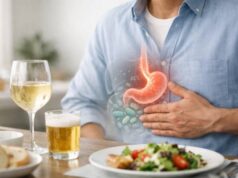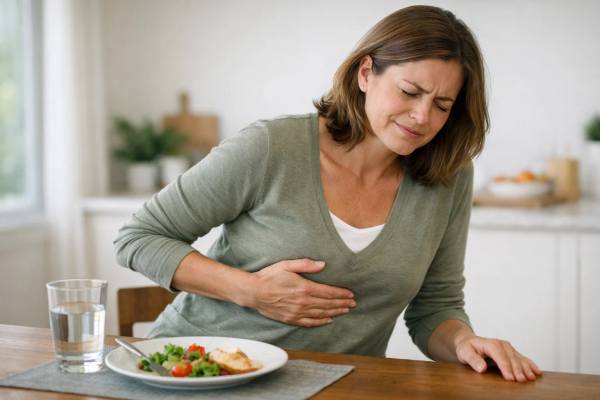
A “gallbladder attack” is a common name for pain that happens when bile flow is blocked—most often by a gallstone. The experience can be intense and surprisingly specific: a deep ache or squeezing pressure in the upper abdomen that builds quickly, peaks, and may radiate to the right shoulder blade. Knowing the typical pattern matters because it helps you respond calmly, avoid ineffective home remedies, and recognize when symptoms may signal a complication that needs urgent care.
This guide explains what gallbladder pain usually feels like, why attacks often follow meals, and how clinicians tell uncomplicated biliary colic apart from problems like acute cholecystitis, cholangitis, or pancreatitis. You will also learn what to do during an attack, what not to do, and how to reduce the chance of recurrence while you arrange appropriate follow-up.
Quick Overview
- Recognizing the classic pain pattern can help you seek timely care and reduce repeat attacks.
- Eating smaller, lower-fat meals often lowers the chance of triggering symptoms while you wait for evaluation.
- Fever, jaundice, or pain lasting longer than 6 hours can signal complications and should not be managed at home.
- If attacks recur, definitive treatment often involves planned removal of the gallbladder rather than repeated emergency visits.
Table of Contents
- What a gallbladder attack feels like
- Why attacks happen and what triggers them
- When gallbladder symptoms are an emergency
- What to do during an attack
- How doctors diagnose the cause
- Preventing repeat attacks and treating the problem
What a gallbladder attack feels like
Most “gallbladder attacks” are episodes of biliary colic—pain caused by a gallstone temporarily blocking the cystic duct as the gallbladder contracts. The pain is real, strong, and often more predictable than people expect.
Typical pain location and quality
Common descriptions include:
- Location: right upper abdomen under the ribs, or the upper middle abdomen (epigastric area).
- Quality: deep ache, tight pressure, or squeezing pain rather than sharp surface pain.
- Radiation: pain that spreads to the right shoulder or right shoulder blade (classic), and sometimes into the back.
- Behavior: people often feel restless and unable to find a comfortable position, which differs from some other abdominal conditions where staying still feels better.
Timing and duration
A classic attack often:
- Starts suddenly and builds over 15–60 minutes
- Peaks, then slowly eases
- Lasts 30 minutes to a few hours (many episodes fall in the 1–4 hour range)
A key clue is what happens after it resolves: biliary colic can disappear completely, leaving you tired but otherwise “back to normal” until the next trigger.
Associated symptoms
These frequently ride alongside the pain:
- Nausea, sometimes vomiting
- Sweating and a pale, clammy feeling
- A bloated, overfull sensation after a meal
- Burping or reflux-like discomfort (not the primary problem, but it can coexist)
What it can be confused with
Gallbladder pain can resemble heartburn, a stomach ulcer flare, pancreatitis, kidney stone pain, or even cardiac problems—especially if pain is high in the abdomen. A practical distinction is pattern:
- Heartburn or reflux: burning rising behind the breastbone, often relieved by antacids and posture changes.
- Gallbladder attack: deeper upper abdominal pressure, often after eating, commonly radiating to the right shoulder blade, not reliably relieved by antacids.
Because overlap is possible, the safest approach is to treat new, severe, or unusual pain as medically important—particularly if you also feel faint, short of breath, or have chest pressure.
Why attacks happen and what triggers them
To understand why attacks often follow meals, it helps to know what the gallbladder does. The gallbladder stores bile and releases it when you eat—especially when you eat fat. If a stone blocks the cystic duct during contraction, pressure builds, and pain follows.
The most common cause: gallstones
Gallstones form when bile components (often cholesterol, sometimes pigment) crystallize. Many people have gallstones for years without symptoms. Pain usually begins only when stones start obstructing flow.
Some people also develop biliary sludge—thickened bile that can behave like tiny stones. Sludge can trigger similar symptoms and sometimes progresses to stones.
Common triggers
Attacks often cluster around situations that strongly stimulate gallbladder contraction or disrupt regular digestion:
- High-fat meals: fried foods, rich sauces, large portions of cheese, heavy desserts
- Large meals after not eating: skipping meals all day, then eating a big dinner
- Late-night meals: especially if you lie down soon afterward
- Alcohol plus a heavy meal: not a direct cause, but a common amplifier of nausea and upper abdominal discomfort
- Rapid weight loss: can change bile composition and increase gallstone formation risk (including after very low-calorie diets)
Not every episode is tied to one “bad” food. Many people do best identifying the pattern: portion size, fat load, and meal timing often matter more than a single ingredient.
Who is at higher risk
Gallstones and gallbladder attacks are more common with:
- Family history of gallstones
- Pregnancy and the postpartum period
- Higher body weight and metabolic syndrome
- Rapid weight loss or weight cycling
- Certain blood disorders and liver conditions (less common but important)
Risk factors do not confirm the diagnosis, but they raise suspicion when symptoms match.
When it is not stones
Less commonly, gallbladder inflammation can occur without stones (acalculous cholecystitis), usually in people who are already seriously ill. For most otherwise healthy people having intermittent attacks, stones or sludge remain the leading explanation.
When gallbladder symptoms are an emergency
A self-limited gallbladder attack is uncomfortable but not always dangerous. The concern is complications—when the obstruction does not resolve or infection and inflammation develop. Knowing the warning signs helps you avoid waiting too long.
Red flags that suggest complications
Seek urgent medical care if any of the following occur:
- Pain lasting longer than 6 hours, especially if it is steadily worsening
- Fever or chills, or feeling acutely unwell and weak
- Yellowing of the eyes or skin (jaundice)
- Dark urine or pale, clay-colored stools
- Repeated vomiting that prevents keeping down fluids
- Confusion, fainting, very fast heartbeat, or low blood pressure symptoms
These signs can point to conditions such as:
- Acute cholecystitis: persistent blockage and gallbladder inflammation, often requiring antibiotics and usually surgery.
- Cholangitis: infection in the bile ducts, often associated with fever and jaundice; this can become life-threatening without prompt treatment.
- Gallstone pancreatitis: inflammation of the pancreas triggered by a stone passing into the bile duct region; pain is often severe in the upper abdomen and may radiate straight through to the back.
When symptoms might not be gallbladder-related
Do not assume it is “just gallstones” if pain is new or atypical. Urgent evaluation is also appropriate when:
- You have chest pressure, shortness of breath, sweating, or pain spreading into the arm or jaw
- Pain is accompanied by severe belly rigidity, inability to stand upright, or signs of dehydration
- You are pregnant, immunocompromised, or have significant chronic disease and symptoms are escalating
A practical decision rule
If you have classic biliary colic symptoms that improve within a few hours, you still need follow-up—but it may not be an emergency in that moment. If pain does not improve, or if systemic symptoms appear (fever, jaundice, faintness), treat it as urgent. The cost of “overreacting” is usually a medical visit; the cost of missing a complication can be far higher.
What to do during an attack
During an active attack, your goals are to reduce stimulation of the gallbladder, manage pain safely, prevent dehydration, and watch for signs that you need urgent care.
Step-by-step actions that are usually reasonable
- Stop eating. Food—especially fat—can stimulate gallbladder contraction and worsen pain.
- Sip fluids if you can. Small sips of water or an oral rehydration drink can help if nausea is mild. If you cannot keep fluids down, that is a reason to seek care.
- Stay upright or slightly reclined. Many people feel worse lying flat, especially if nausea or reflux overlap is present.
- Use heat carefully. A warm pack on the upper abdomen can relax muscle tension and reduce the “guarding” that builds around pain. Keep the temperature moderate to avoid burns.
- Consider an over-the-counter pain option if safe for you. Some people do well with an anti-inflammatory medicine; others need acetaminophen. The safest choice depends on your medical history, kidney function, stomach ulcer risk, bleeding risk, pregnancy status, and other medications.
What not to do
Avoid strategies that delay care or increase risk:
- Do not force food “to settle the stomach.” This often backfires with gallbladder pain.
- Do not use alcohol to “take the edge off.” It can worsen dehydration and nausea.
- Do not rely on herbal cleanses, flushes, or extreme laxatives. These can cause vomiting, electrolyte problems, or false reassurance.
- Do not ignore fever, jaundice, or prolonged pain. These are not typical for simple biliary colic.
When to call for help during the episode
If pain is severe enough that you cannot speak normally, you are short of breath from pain, you feel faint, or you cannot keep fluids down, it is appropriate to seek urgent evaluation even before you hit a time threshold.
What to do after it passes
If the pain resolves, treat that as a window to plan:
- Eat small, low-fat meals for the next day or two.
- Schedule follow-up promptly, especially if this is not your first episode.
- Write down details while you remember: time of onset, meal context, duration, where pain traveled, and whether you had fever or vomiting. This information is often more valuable than a vague “stomach pain” description.
How doctors diagnose the cause
Diagnosis is usually straightforward when symptoms match and imaging confirms gallstones. The more important clinical task is deciding whether the situation is uncomplicated biliary colic or a complication that needs urgent intervention.
What clinicians focus on first
A clinician will usually ask about:
- Exact pain location, radiation pattern, and duration
- Relationship to meals (especially high-fat meals)
- Number of episodes and whether they are becoming more frequent
- Fever, jaundice, dark urine, light stools
- Persistent vomiting, dehydration, or inability to eat
- Medical history and medications that might change risk
A physical exam often checks for right upper abdominal tenderness and signs of systemic illness.
Common tests in urgent care or the emergency department
Typical initial evaluation may include:
- Blood tests: to look for infection markers and to assess liver and bile duct involvement.
- Pancreas enzyme testing: when symptoms could fit pancreatitis.
- Ultrasound: usually the first imaging test; it can show gallstones, gallbladder wall thickening, fluid around the gallbladder, and bile duct dilation.
An ultrasound can also identify a “Murphy sign” during the scan—tenderness that increases when the probe presses over the gallbladder—which can support inflammation.
When additional imaging is used
If ultrasound findings are unclear or the suspected problem is beyond the gallbladder, clinicians may use:
- A functional scan to evaluate gallbladder obstruction
- MRI-based imaging to assess the bile ducts and look for common bile duct stones
- CT scanning in selected cases, especially when alternative diagnoses are considered
Why normal tests can still leave questions
Not every episode is caught in the act. If a stone blocks briefly and then moves, blood work can normalize and imaging may show stones without inflammation. That scenario still matters: recurrent biliary colic often leads to repeat attacks and can progress to complications. Diagnosis is not only about “what is happening today,” but also about preventing the next escalation.
Preventing repeat attacks and treating the problem
Short-term prevention focuses on reducing triggers while you arrange evaluation. Long-term prevention usually means addressing the underlying cause—most commonly gallstones.
Short-term strategies that often reduce recurrence
While waiting for imaging or a surgical consult, many people benefit from:
- Smaller meals, more often rather than large meals
- Lower-fat choices (not fat-free, but avoiding heavy, fried, and creamy foods)
- Consistent meal timing to avoid fasting all day and overeating later
- Adequate hydration and fiber-rich foods that support regular digestion
These changes do not dissolve stones, but they may reduce gallbladder stimulation enough to lower attack frequency.
Definitive treatment options
Treatment depends on what you have and how you present:
- Recurrent biliary colic: planned surgical removal of the gallbladder is often recommended because attacks tend to recur and can become complicated.
- Acute cholecystitis: management may include antibiotics and typically surgery, often during the same hospital stay, depending on severity and clinical stability.
- Bile duct stones: treatment may require a procedure to clear the duct in addition to gallbladder management.
- High surgical risk situations: some patients require temporary drainage strategies to stabilize inflammation before definitive care.
The key idea is that repeated “watch and wait” after multiple attacks often leads to more pain, more emergency visits, and higher complication risk.
What to expect after gallbladder removal
Many people worry they will never digest normally again. Most adjust well. Common early experiences include:
- Temporary loose stools or urgency, especially after fatty meals
- A period of learning what portion size and fat amount feel best
- Gradual improvement over weeks as eating patterns stabilize
If diarrhea persists, clinicians can evaluate treatable causes, including bile acid-related diarrhea.
A practical next-step plan
If you suspect gallbladder attacks:
- Arrange evaluation rather than relying on repeated home management.
- Keep meals smaller and lower in fat until you know what you are dealing with.
- Know your emergency thresholds: fever, jaundice, prolonged pain, or persistent vomiting should override “I’ll wait it out.”
- If attacks are recurrent, discuss definitive treatment options early—before complications force an urgent decision.
References
- The Diagnosis and Treatment of Acute Cholecystitis: A Comprehensive Narrative Review for a Practical Approach – PMC 2024 (Review)
- Evidence-based clinical practice guidelines for cholelithiasis 2021 – PMC 2023 (Guideline)
- Comparison of the safety profile, conversion rate and hospitalization duration between early and delayed laparoscopic cholecystectomy for acute cholecystitis: a systematic review and meta-analysis – PMC 2023 (Systematic Review)
- 2024 Clinical Practice Guideline Update by the Infectious Diseases Society of America on Complicated Intraabdominal Infections: Diagnostic Imaging of Suspected Acute Cholecystitis and Acute Cholangitis in Adults, Children, and Pregnant People – PubMed 2024 (Guideline)
Disclaimer
This article is for educational purposes and does not provide medical advice, diagnosis, or treatment. Upper abdominal pain can have many causes, some of which are urgent. Seek prompt medical care if you have severe or worsening pain, fever or chills, yellowing of the skin or eyes, black or bloody stools, persistent vomiting, dehydration, fainting, chest pressure, shortness of breath, or rapid unexplained weight loss. If you are pregnant, immunocompromised, or have significant chronic medical conditions, contact a qualified clinician early when symptoms begin.
If you found this helpful, consider sharing it on Facebook, X (formerly Twitter), or any platform you prefer.