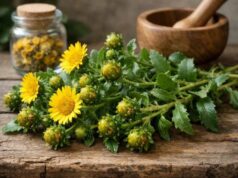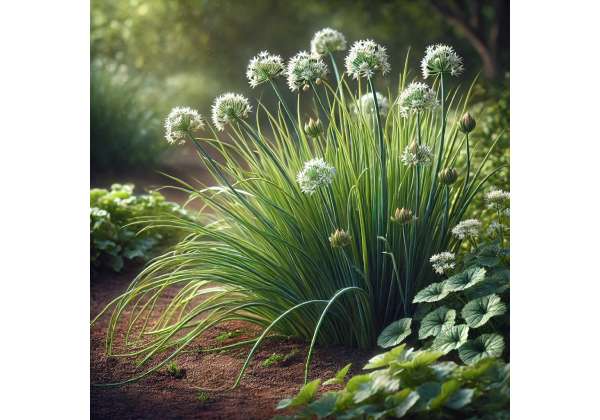
Garlic chives, also called Chinese chives, Asian chives, or Allium tuberosum, sit in an interesting space between food and herb. They are used daily in many kitchens for their mild garlic flavor, yet they also carry a long record of traditional medicinal use, especially in East Asia. The leaves, flowering stalks, flowers, and seeds have all been used in different ways, which makes this plant more versatile than its delicate look suggests.
From a health perspective, garlic chives matter because they combine familiar allium sulfur compounds with flavonoids, phenolics, vitamins, and minerals. That profile helps explain why they are often discussed for antioxidant support, antimicrobial activity, metabolic health, and digestion. At the same time, the strongest evidence still supports garlic chives more as a nutrient-rich medicinal food than as a proven clinical treatment.
That distinction is important. Garlic chives can be a smart addition to a health-focused diet, but they are not a substitute for medical care. The most helpful way to approach them is with realistic expectations, practical use, and a clear view of what research actually shows.
Quick Overview
- Garlic chives provide sulfur compounds, flavonoids, vitamin C, and carotenoid pigments that support antioxidant and culinary value.
- Their most realistic benefits are as a nutrient-dense allium vegetable with possible antimicrobial and anti-inflammatory activity.
- A practical food-use range is about 5 to 15 g of fresh leaves per serving, adjusted to taste and digestive tolerance.
- Large amounts or concentrated extracts may trigger stomach upset or increase caution around anticoagulant and antiplatelet use.
- People with allium allergy, strong reflux, or fructan sensitivity may need to avoid or limit them.
Table of Contents
- What Are Garlic Chives
- Key Compounds and Nutrients
- What Can They Really Help With
- How to Use Garlic Chives
- How Much Per Day
- Side Effects and Who Should Avoid Them
- What the Research Actually Says
What Are Garlic Chives
Garlic chives are a perennial allium with flat green leaves, white star-shaped flowers, and a gentle garlic-onion aroma. Unlike common chives, which have hollow leaves and a more onion-like taste, garlic chives have broader, flatter blades and a flavor that leans more toward mild garlic. They belong to the same wider plant group as onion, leek, scallion, and garlic, which helps explain why their chemistry and potential health effects overlap with those better-known relatives.
In everyday cooking, the leaves are the part most often used. They can be chopped into dumplings, soups, stir-fries, omelets, pancakes, noodles, and savory dipping sauces. The flower stalks and flowers are also edible. In traditional practice, though, the seeds have received special attention and have been used differently from the green tops. That distinction matters because many of the stronger traditional claims around libido, vitality, or reproductive support come from seed use, not from ordinary culinary servings of the leaves.
This is one reason garlic chives can be misunderstood. Someone may see a claim about traditional seed extracts and assume the same effect comes from scattering chopped leaves over dinner. That is rarely how medicinal plants work. Different plant parts often have different compound profiles and different levels of activity.
Garlic chives are best thought of as a medicinal food. That means they have genuine nutritional and phytochemical value, but they are still used most safely and consistently as part of a regular diet. This is different from a standardized herbal extract designed for a defined therapeutic purpose.
A few naming points help avoid confusion:
- Garlic chives usually refers to Allium tuberosum.
- Chinese chives and Asian chives are common alternate names.
- They are not the same as common chives, though the plants are related.
- Their flavor is milder than garlic cloves and greener than scallions.
In a broader allium context, garlic chives fit well alongside leeks and other mild allium vegetables for people who want flavor without the intensity of raw garlic. That culinary role is also part of their health value, since foods people enjoy regularly tend to contribute more than remedies they rarely use.
The most useful mindset is simple: garlic chives are a nutrient-rich herb-vegetable with traditional medicinal associations, promising lab research, and limited human clinical evidence. That makes them worth using, but not overpromising.
Key Compounds and Nutrients
The health interest around garlic chives comes from their mix of organosulfur compounds, flavonoids, phenolic compounds, vitamins, minerals, pigments, and aromatic volatiles. No single ingredient explains everything. Like many edible herbs, garlic chives work more as a chemical pattern than as a one-compound plant.
The sulfur compounds are especially important because they give the plant its characteristic allium smell and much of its biological interest. Garlic chives contain sulfur-containing flavor precursors and thiosulfinates, but their profile is not identical to garlic. In fact, one useful nuance is that Allium tuberosum appears to have a milder odor chemistry and a somewhat different dominant sulfur pattern than Allium sativum. That means it may share some allium benefits without acting like “garlic in leaf form.”
Important compound groups include:
- Organosulfur compounds that contribute to aroma, plant defense, and possible antimicrobial or anti-inflammatory effects.
- Flavonoids, including kaempferol derivatives, that add antioxidant activity.
- Phenolic compounds that support total antioxidant capacity.
- Carotenoids and chlorophylls that contribute color and may support oxidative balance.
- Vitamin C and vitamin E in modest to useful amounts depending on cultivation and freshness.
- Minerals such as potassium, calcium, magnesium, iron, zinc, and sulfur-containing compounds linked with allium metabolism.
The plant part matters. Leaves are the main culinary source. Inflorescences and flowering stalks may differ in polyphenol and pigment content, and seed extracts may contain a different functional profile altogether. Freshness matters too. Like many herbs, garlic chives lose some volatile strength and sensory appeal with storage, drying, and overheating.
Nutritionally, garlic chives are not a calorie-dense food, but that is part of their appeal. They can add flavor, color, and small but meaningful amounts of protective phytochemicals without much energy load. In practical terms, they behave less like a supplement and more like a concentrated garnish vegetable.
One helpful way to think about them is by comparison. Garlic is richer and harsher. Onion is sweeter and bulkier. Common chives are more delicate and onion-like. Garlic chives sit in the middle: green, fresh, sulfur-rich, and versatile. People who enjoy broader allium nutrition often rotate them with onions for everyday sulfur compounds and flavonoids rather than relying on one plant alone.
This chemistry also explains why garlic chives have been studied for antioxidant, antimicrobial, anti-inflammatory, metabolic, and even cell-signaling effects. But chemistry does not automatically equal clinical benefit. A rich compound profile makes a plant interesting. It does not make every traditional claim proven.
That is why the most defensible statement is this: garlic chives contain a valuable mix of bioactive compounds that support their use as a healthful food and justify further research, especially around antioxidant and inflammatory pathways.
What Can They Really Help With
When people search for garlic chive benefits, they usually want a clean answer: what does this plant actually do? The most grounded answer is that garlic chives may support health in several small but meaningful ways, especially when used regularly as food. The evidence is strongest for broad biological potential and weakest for specific, clinically proven human outcomes.
The most realistic areas of benefit are:
- Diet quality support: garlic chives can make nutrient-dense meals more flavorful, which helps people eat more vegetables and fewer heavily processed seasonings.
- Antioxidant support: their polyphenols, pigments, and sulfur compounds may help limit oxidative stress.
- Inflammatory balance: lab and animal findings suggest allium compounds may affect inflammatory signaling.
- Microbial defense potential: sulfur-rich allium plants often show antibacterial and antifungal activity in experimental settings.
- Metabolic support: traditional use and preclinical research suggest possible effects on blood lipids, glucose handling, and liver protection, though this remains far from settled in humans.
There is also a long traditional association between garlic chive seeds and male sexual function. That is worth mentioning because it is part of the plant’s medicinal history, but it should be framed carefully. The existing support is mostly traditional practice and animal research, not modern human clinical confirmation. So it belongs in the category of historical use and early evidence, not established treatment.
Digestive use is another practical area. Garlic chives can stimulate appetite and brighten bland food, and many people tolerate them well in moderate amounts. But they can also aggravate bloating in people who are sensitive to fermentable carbohydrates or allium vegetables. In other words, they are not automatically soothing just because they are a herb.
For cardiovascular and metabolic health, garlic chives are better viewed as part of the allium family pattern than as a standalone, proven cardiometabolic remedy. A plate built around vegetables, legumes, whole grains, and herbs like garlic chives is likely helpful. A large medicinal claim for garlic chives alone is harder to defend.
This is similar to how people use ginger in practical wellness routines: the value often lies in steady dietary use, not in expecting one herb to fix a complex condition.
A realistic reader takeaway looks like this:
- Garlic chives can contribute useful phytochemicals and flavor.
- They may support antioxidant and anti-inflammatory balance.
- They may have broader medicinal potential than most kitchen herbs.
- They should not be sold as a proven treatment for diabetes, cancer, infertility, or sexual dysfunction.
That balance matters. Garlic chives are promising, but their best current role is as a smart, health-supportive culinary herb with some intriguing traditional and preclinical signals behind it.
How to Use Garlic Chives
Garlic chives are easiest to use when you treat them as both seasoning and vegetable. Their leaves are tender enough to be eaten raw, but they also hold up well in quick cooking. The flavor is freshest when added near the end of cooking rather than simmered for a long time.
The leaves are the standard choice for everyday use. They work well in:
- dumpling fillings,
- egg dishes,
- soups and broths,
- stir-fries,
- grain bowls,
- noodle dishes,
- savory pancakes,
- soft cheese spreads,
- and herb sauces.
If you want the cleanest flavor, chop them just before serving. If you want a mellower taste, fold them into warm food at the end. Long cooking dulls both their aroma and their bright green character.
The flowers are edible too. They can be scattered over salads, soups, or rice dishes as a garnish. Flower stalks are firmer and can be sliced for stir-fries. This makes garlic chives a useful zero-waste herb if you grow them at home.
Traditional medicinal use is broader than culinary use. In some traditions, the seeds are dried and used for formulas aimed at vitality, warming, or reproductive support. That is a very different use case from sprinkling fresh leaves over lunch. For most readers, seed-based medicinal self-treatment is not the best starting point because the dosing is less standardized and the evidence in humans is weak.
A few practical preparation ideas work well:
- Fresh finishing herb: add 1 to 3 tablespoons chopped leaves to cooked dishes just before serving.
- Quick sauté: cook briefly in oil with mushrooms, tofu, eggs, or greens.
- Stuffing herb: mix with cabbage, egg, tofu, or ground meat for dumplings and savory pastries.
- Herb paste: blend with oil, sesame, ginger, or coriander for a punchy condiment.
For readers who enjoy aromatic digestive herbs, garlic chives pair especially well with fennel in savory dishes that need both lift and warmth. That combination is culinary rather than medicinal, but it can improve how a meal feels and tastes.
A common mistake is overusing them raw. Because they are milder than garlic, people sometimes add a very large handful and then find the dish sharp, grassy, or irritating to the stomach. Start smaller than you think you need, then increase.
Another mistake is treating them as a supplement substitute. Garlic chives are most useful in regular meals, not in extreme amounts. Their strength lies in frequency, freshness, and compatibility with real food. That makes them a practical herb for long-term health habits, even if it also means their effects are usually modest rather than dramatic.
How Much Per Day
There is no well-established clinical dosage for garlic chives in the way there is for a standardized botanical extract. That is the first point to get clear. Most people use Allium tuberosum as food, and food use is the safest and most realistic basis for dosage guidance.
For fresh leaves, a practical culinary range is:
- 5 to 15 g fresh leaves per serving, roughly 2 to 6 tablespoons chopped,
- used once daily or several times per week depending on taste and tolerance.
That amount gives enough flavor and phytochemical exposure to matter nutritionally without pushing into an unnecessarily heavy allium load for most people. Some dishes, especially dumplings or stir-fries, may use more per portion, but there is rarely a need to do so for health reasons.
For cooked applications, slightly larger amounts can work because heat softens the intensity. For raw use, smaller portions are often better. The same bunch can feel very different depending on whether it is used as garnish, filling, or main green.
Dried garlic chives are less common in therapeutic use, and they are harder to dose meaningfully because drying changes aroma and concentration. If using a dried culinary product, it is best to follow taste and product guidance rather than assume it acts like a standardized herb.
The seed is where many traditional medicinal claims gather, but this is also where self-dosing gets less reliable. Animal studies have used concentrated seed extracts at amounts that do not translate neatly into everyday human use. That means it is not wise to copy those numbers and improvise your own regimen.
A helpful way to think about dosage is by use case:
- For flavor and dietary benefit: 5 to 10 g fresh is often enough.
- For a herb-forward dish: 10 to 15 g fresh per serving is common.
- For concentrated extracts or seed products: there is no clear, evidence-based self-care dose for routine general use.
Timing matters less than with sedative or stimulant herbs. Garlic chives are usually taken with meals. People with sensitive digestion may prefer them cooked and eaten earlier in the day rather than in large raw portions at night.
Since they are part of the allium family, total intake also matters. If a meal already includes garlic, onion, shallots, or leeks, the cumulative digestive burden may be higher than expected. Readers who like rotating culinary herbs may prefer combining smaller amounts of garlic chives with coriander for lighter aromatic balance rather than relying on a very large allium serving.
The best dosage principle here is moderation. Garlic chives are most useful when they are eaten regularly, tolerated well, and integrated into meals, not taken in exaggerated amounts in search of a medicinal shortcut.
Side Effects and Who Should Avoid Them
Garlic chives are generally safe as a food, but safety becomes more nuanced when intake is high, digestion is sensitive, or concentrated extracts are involved. The plant’s allium chemistry is part of its value, yet that same chemistry can also create side effects in some people.
Possible side effects include:
- stomach upset,
- gas or bloating,
- reflux or throat irritation,
- loose stools when eaten in large amounts,
- and rare allergic reactions in people sensitive to allium plants.
These problems are more likely with large raw servings than with small cooked portions. Cooking often softens the plant’s pungency and makes it easier to tolerate. That is why people with delicate digestion often do better with chopped garlic chives folded into warm foods rather than eaten as a raw garnish in large amounts.
People with irritable bowel symptoms may also react because allium vegetables can contain fermentable carbohydrates that worsen bloating. In that setting, garlic chives are not automatically off-limits, but portion size matters.
Interaction concerns are mostly theoretical at food levels and more relevant with extracts or very heavy intake. Because allium plants contain sulfur compounds associated with effects on platelet function in the wider family, extra caution is reasonable for people who:
- take anticoagulants or antiplatelet drugs,
- bruise easily,
- have a bleeding disorder,
- or are preparing for surgery.
This does not mean ordinary garnish amounts are dangerous. It means medicinal dosing and food dosing should not be treated as the same thing.
Who may need to avoid or limit garlic chives:
- people with known garlic, onion, or allium allergy,
- people with strong reflux or severe bloating after allium foods,
- those using concentrated extract products without professional guidance,
- and anyone seeking treatment for sexual dysfunction or metabolic disease through self-medication instead of proper evaluation.
Pregnancy and breastfeeding deserve a balanced view. Culinary amounts are generally treated like normal food use. Concentrated seed extracts or medicinal products are different, because safety data are not strong enough to recommend them casually.
For most readers, the safest path is simple: use garlic chives as food first. If they agree with you, keep them in the rotation. If they trigger digestive discomfort, reduce the amount, cook them, or choose a gentler herb. This is similar to how some people alternate pungent alliums with milder digestive herbs such as mint depending on tolerance and the meal itself.
A good general rule is this: food use is low risk for most people, but concentrated or medicinal use deserves more caution than the plant’s kitchen-friendly image might suggest.
What the Research Actually Says
The research on garlic chives is promising, but it is not mature enough to support strong therapeutic claims. That is the central truth readers deserve. Most of the interesting findings come from phytochemical analysis, cell studies, animal work, and broader allium-family reviews rather than from large human trials focused on Allium tuberosum itself.
What the evidence supports reasonably well is this:
- garlic chives contain multiple bioactive compounds,
- different plant parts have different antioxidant and sulfur profiles,
- the plant shows antimicrobial, antioxidant, anti-inflammatory, and metabolic potential in preclinical settings,
- and its chemistry justifies interest as a functional food.
What the evidence does not support well yet:
- a standardized medicinal dose for adults,
- proven clinical treatment claims for diabetes, cholesterol disorders, infertility, or erectile dysfunction,
- or strong conclusions from human randomized trials.
This is where many herbal articles go wrong. They borrow benefits shown in garlic or onions and transfer them too confidently to garlic chives. That is tempting because allium plants do share important chemistry. But species differences matter. Garlic chives are related to garlic, not identical to it.
The human evidence gap is especially important around traditional reproductive uses. A seed extract has shown interesting effects in animal research, but animal findings are not enough to justify routine human use for sexual function. The same caution applies to claims about cancer prevention or major cardiometabolic benefit. There is biological plausibility, but not enough direct clinical proof.
A better interpretation is that garlic chives have three evidence layers:
- Strong plausibility from chemistry and allium-family knowledge.
- Moderate support from laboratory and animal research.
- Weak direct human clinical confirmation.
That places garlic chives in a useful but limited category: better supported than folklore alone, but far less proven than popular supplement marketing sometimes implies.
This also explains why garlic chives are best used as part of a pattern. A diet rich in varied herbs, alliums, legumes, colorful vegetables, and minimally processed foods is where plants like this likely matter most. Their benefit is cumulative and contextual, not magic.
For a reader making practical decisions, the conclusion is straightforward. Garlic chives are worth eating regularly if you enjoy them and tolerate them well. They may add modest health value through their nutrients and phytochemicals. But at the present stage of evidence, they should be framed as a beneficial culinary herb with medicinal promise, not as a clinically validated remedy.
References
- Harnessing the nutraceutical and therapeutic potential of Allium spp.: current insights and future directions – PMC 2024 (Review)
- Allium vegetables: Traditional uses, phytoconstituents, and beneficial effects in inflammation and cancer – PubMed 2022 (Review)
- Biosynthesis and Metabolism of Garlic Odor Compounds in Cultivated Chinese Chives (Allium tuberosum) and Wild Chinese Chives (Allium hookeri) – PMC 2022 (Research Article)
- Cultivation viability of Allium tuberosum L. in the Western Ghats: insights into crop dynamics, yield and quality – PMC 2024 (Research Article)
- Phytochemicals in Chinese Chive (Allium tuberosum) Induce the Skeletal Muscle Cell Proliferation via PI3K/Akt/mTOR and Smad Pathways in C2C12 Cells – PubMed 2021 (Preclinical Study)
Disclaimer
This article is for educational purposes only and is not a diagnosis, treatment plan, or substitute for professional medical advice. Garlic chives are usually safe as food, but medicinal extracts, seed preparations, or unusually large intakes may not be appropriate for everyone. People with allium allergy, digestive disorders, bleeding risk, or ongoing medical treatment should speak with a qualified clinician before using garlic chives therapeutically.
If this article helped you, please share it on Facebook, X, or any platform your readers use to discover reliable herbal health information.