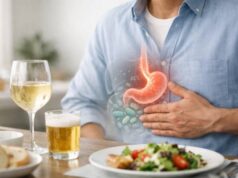
Gas is a normal byproduct of eating and digestion—but when it builds up, shifts through the gut too slowly, or stretches the abdomen at the wrong time of day, it can feel uncomfortable, distracting, and even painful. Bloating is especially frustrating because it does not always match what you ate or how “healthy” your diet looks on paper. A salad can bloat you more than pasta; a busy week can matter as much as a gassy meal. The good news is that most gas and bloating has a pattern you can learn and improve. In many cases, relief comes from small, targeted changes: how you eat, which carbohydrates ferment for you, and whether your bowels are moving regularly. This guide breaks down the most common causes, the best remedies to try first, and the red flags that deserve medical attention.
Essential Insights
- Track timing and patterns for 7 days; most bloating has repeatable triggers and predictable windows.
- Reduce swallowed air (fast eating, carbonated drinks, gum) to ease pressure within 3–7 days.
- Persistent bloating with weight loss, bleeding, fever, vomiting, or new severe pain needs prompt medical evaluation.
- For frequent symptoms, test one change at a time for 10–14 days to find your highest-impact lever.
Table of Contents
- What gas and bloating really mean
- Diet and habits that trap air
- Fermentation, FODMAPs, and food triggers
- Motility, constipation, and gut sensitivity
- When bloating signals something serious
- Best remedies you can try now
- Prevention plan for fewer flare-ups
What gas and bloating really mean
Gas and bloating are often used as one complaint, but they are not the same thing. Gas refers to air in the digestive tract that may lead to belching, flatulence, bubbling sensations, or crampy pressure. Bloating is usually the feeling of fullness, tightness, or swelling—sometimes with pain, sometimes just discomfort. Abdominal distension is the visible increase in belly size (your waistband feels tighter, your abdomen looks more rounded). You can have bloating without much gas, and you can have a lot of gas without visible distension.
Why it feels worse than it “should”
Two people can have similar amounts of intestinal gas yet experience very different symptoms. That is because discomfort depends on more than volume. Sensitivity of the gut wall, how quickly the intestines move, where gas pools, and how the abdominal muscles respond all influence how bloated you feel. A small amount of gas trapped behind slow-moving stool can feel bigger than a large amount that moves along smoothly.
A simple way to identify your pattern
Before you change your diet, learn your baseline. For one week, jot down four quick data points each day:
- A 0–10 bloating score (morning, afternoon, evening)
- Meal timing and the largest meal of the day
- Bowel movements (time and stool consistency)
- A stress and sleep note (even a short phrase)
Patterns appear fast. Many people notice one of these “bloating signatures”:
- After meals within 30–90 minutes: more likely swallowed air, carbonation, or rapid stomach emptying changes
- Late afternoon or evening distension: often linked to fermentable carbohydrates, constipation, or pelvic floor issues
- Worse around certain days of the month: hormonal shifts can affect motility and sensitivity
- Worse during travel or intense workweeks: routine changes, dehydration, and stress physiology matter
Normal versus not normal
Occasional gas and a mildly fuller abdomen after a larger meal are common. What is not normal is a sudden, persistent change—especially if symptoms wake you at night, progressively worsen week after week, or come with red-flag symptoms (covered later). Most everyday bloating is uncomfortable but not dangerous, and it often improves with systematic troubleshooting instead of “cutting everything out.”
Diet and habits that trap air
A surprisingly large share of “gas” is not created by food at all—it is swallowed air. This happens quietly throughout the day and increases when you eat quickly, drink carbonated beverages, or breathe through your mouth. Once swallowed, air can be released upward (belching) or travel into the intestines and exit later as gas.
Common air-trapping habits
If your bloating spikes soon after meals or you belch frequently, these triggers are worth testing:
- Eating fast, talking a lot while chewing, or taking large bites
- Drinking through straws, sports bottles with valves, or “chugging” liquids
- Chewing gum or sucking on hard candies (even sugar-free)
- Smoking or vaping (air swallowing plus gut effects)
- Carbonated water, soda, beer, sparkling kombucha, and fizzy “healthy” drinks
- Mouth breathing from nasal congestion, allergies, or sleep apnea patterns
Even “clean” ingredients can be deceptive if the behavior around them adds air. A bubbly probiotic drink taken quickly on an empty stomach can cause more pressure than a regular meal eaten slowly.
How to test whether swallowed air is your main driver
Run a 7-day air-reduction experiment without changing your whole diet:
- Keep drinks still (no carbonation), and avoid straws.
- Remove gum and hard candies completely.
- Slow meals: aim for a 15–20 minute meal pace and put utensils down between bites.
- Keep meals moderate in size, especially dinner.
If you see improvement within a week—less belching, less immediate tightness—you have found a high-impact lever.
Meal size, fat, and timing
Large meals stretch the stomach and can make anyone feel bloated. Higher-fat meals tend to slow stomach emptying, which can prolong fullness and amplify pressure sensations. This does not mean “fat is bad,” but it suggests strategy:
- If dinner bloats you, try shifting more calories earlier in the day for 10–14 days.
- Consider smaller, balanced dinners rather than a single heavy late meal.
- Give yourself a 2–3 hour buffer between dinner and lying down when possible.
Small behavior shifts can reduce the amount of air entering the system and make the gas you naturally produce feel far less dramatic.
Fermentation, FODMAPs, and food triggers
Beyond swallowed air, most intestinal gas comes from fermentation—the process where gut microbes break down carbohydrates that your small intestine does not fully absorb. Fermentation is not inherently bad; it is part of normal digestion. The problem is dose, timing, and personal tolerance. Some carbohydrates ferment quickly and produce more gas, especially if they reach the colon in larger amounts.
What FODMAPs are and why they matter
FODMAPs are a group of short-chain carbohydrates that are more likely to cause symptoms in sensitive people. They can draw water into the gut and ferment rapidly, increasing gas and pressure. FODMAP sensitivity is common in people with recurrent bloating, irritable bowel syndrome, or a gut that reacts strongly to stretching.
High-FODMAP foods are not “bad foods.” Many are nutritious. The goal is to identify which ones affect you and in what portion size.
Frequent trigger categories
If bloating peaks later in the day (or 2–6 hours after meals), look closely at these common culprits:
- Onion and garlic (including powders and “natural flavors” in sauces)
- Wheat-based products (not only bread—also many packaged snacks)
- Beans and lentils (especially larger portions or rushed preparation)
- Certain fruits like apples, pears, mango, watermelon
- Dairy for those with lactose intolerance (milk, soft ice cream, some yogurts)
- Sugar alcohols in “sugar-free” gum, mints, protein bars, and cough drops (often ending in -ol)
Also watch “stealth fibers” added to foods for texture or protein-bar appeal, such as inulin or chicory root fiber. They are helpful for some people and intensely gassy for others.
A practical approach that avoids unnecessary restriction
Instead of cutting everything at once, try a two-step method:
- Step 1 (10–14 days): remove one high-likelihood trigger category (for example, onion and garlic, or sugar alcohols).
- Step 2 (3 days): reintroduce it in a normal portion and watch for the return of symptoms.
If symptoms clearly rise and fall with that test, you have a useful answer. If your symptoms are frequent and severe, a structured low-FODMAP plan can be helpful, but it should be temporary and personalized—usually a short elimination phase followed by careful reintroduction to expand your diet again.
Motility, constipation, and gut sensitivity
When people say “I feel bloated,” the hidden driver is often motility—how efficiently the gut moves food, fluid, and gas forward. Slower transit allows more time for fermentation and makes gas harder to clear. Even mild constipation can create a bottleneck where gas accumulates behind stool.
Constipation can exist without obvious straining
Some people think constipation only means infrequent bowel movements. In reality, you can go daily and still be constipated if the stool is hard, incomplete, or requires effort. Clues that constipation is contributing to bloating include:
- Feeling significantly better after a bowel movement
- Needing multiple trips to feel “fully emptied”
- Alternating constipation and looser stools
- Bloating that steadily builds through the day
A useful target for many adults is stool consistency that is soft, formed, and easy to pass most days. If your routine is unpredictable, the gut is more likely to trap gas.
Gut sensitivity and the gut-brain axis
Some people experience bloating because the gut is more sensitive to normal stretching. Stress, poor sleep, and anxiety do not “cause” symptoms in a simplistic way, but they can amplify gut signaling and alter motility. That is why symptoms often flare during deadlines, travel, or periods of poor sleep—even if meals look the same.
Pelvic floor coordination and abdominal mechanics
Not all distension is “extra gas.” In some cases, the abdominal wall and diaphragm respond to gut sensations in a way that makes the belly protrude more. Pelvic floor tension can also make it harder to pass stool and gas efficiently. These issues are easy to miss because they do not show up on standard lab tests, yet they can strongly shape symptoms.
If you suspect this pattern—persistent distension, incomplete evacuation, symptoms that do not match food triggers—pelvic floor physical therapy and targeted breathing techniques are often more relevant than more diet restriction.
Everyday habits that support motility
Small changes can have outsized effects:
- A 10–20 minute walk after meals to stimulate gut movement
- Adequate fluid intake, especially with higher fiber
- Gradual fiber increases (sudden jumps often worsen gas)
- A consistent morning routine, including time to use the bathroom without rushing
When motility improves, gas tends to become less noticeable—not necessarily because you produce less, but because your system clears it more smoothly.
When bloating signals something serious
Most bloating is functional—meaning the gut is irritated or reactive but not structurally dangerous. Still, some symptom patterns deserve medical evaluation sooner rather than later. Think of this section as a safety net: it helps you recognize when self-care is not enough.
Red flags that should not be ignored
Seek urgent or prompt medical care if bloating is accompanied by any of the following:
- Severe, worsening abdominal pain or pain with a rigid abdomen
- Persistent vomiting, inability to keep fluids down, or signs of dehydration
- Blood in the stool, black stools, or vomiting blood
- Fever, chills, or significant tenderness with movement
- Unexplained weight loss, persistent loss of appetite, or early fullness that is new
- New, persistent bloating after age 50, especially if it progresses over weeks
- New anemia, fatigue that feels out of proportion, or nighttime symptoms that wake you
These symptoms can overlap with infections, inflammatory bowel disease, ulcers, gallbladder or pancreas problems, bowel obstruction, and other conditions that require professional evaluation.
Medication and supplement side effects
Bloating can also be a medication effect rather than a dietary problem. Common offenders include:
- Iron supplements (often constipating and gas-producing)
- Metformin and some diabetes medications
- Opioids (slow motility and increase constipation-related distension)
- Some antidepressants (effects vary by type and dose)
- Sugar alcohols and high-dose fiber supplements started suddenly
If symptoms began soon after starting or changing a medication or supplement, bring that timeline to your clinician. A small adjustment can sometimes reduce symptoms more than any diet change.
What a thoughtful evaluation often includes
A clinician typically starts with your history, an exam, and targeted tests based on symptoms—rather than a long list of scans. Depending on your situation, they may consider blood work, stool tests, screening for celiac disease, evaluation for constipation and pelvic floor dysfunction, or breath testing in select cases. The goal is to rule out serious disease, then focus on the most likely functional drivers without over-testing.
Best remedies you can try now
When you feel bloated, the fastest relief usually comes from helping gas move and reducing the “pressure loop” between gut sensation and muscle tension. Below are practical options, organized by how quickly they tend to help.
Same-day relief strategies
These are low-risk approaches that often reduce discomfort within hours:
- Walk for 10–20 minutes after meals to encourage motility and gas clearance.
- Use heat (a warm shower or heating pad) to relax abdominal muscles.
- Try gentle positions that encourage gas movement, such as knees-to-chest or a supported child’s pose.
- Sip warm liquids (like peppermint or ginger tea) if they agree with you; warmth can soothe spasm-like discomfort.
- Avoid additional triggers for the rest of the day (carbonation, gum, large late meals) to prevent stacking symptoms.
If you regularly feel “trapped gas,” posture and abdominal wall tension matter. Many people unconsciously brace their abdomen when uncomfortable, which can worsen the sensation. Slow, relaxed breathing—especially belly expansion on inhale—can reduce that bracing.
Short-course fixes that reveal your best lever
If symptoms are frequent, use a 10–14 day window to test one intervention at a time. Good first-line options include:
- Air reduction plan: remove carbonation, gum, straws; slow meal pace.
- Lactose trial: if dairy is a suspect, choose lactose-free options for two weeks.
- Targeted FODMAP reduction: remove one high-likelihood trigger category (often onion and garlic or sugar alcohols).
- Constipation support: aim for softer, easier stools by gradually increasing soluble fiber, fluids, and movement.
The key is isolation. If you change six things at once, you will not know what worked—and you may end up with an overly restricted diet that is hard to maintain.
When products may help and when they may not
Over-the-counter options can be useful for some people, but results vary. Products aimed at reducing gas bubbles or relaxing gut spasm may relieve symptoms short term, while others can worsen bloating if they add fermentable ingredients. If you choose to try a supplement or medication, keep it simple:
- Choose one product at a time.
- Use it as directed on the label.
- Stop if symptoms worsen, and discuss ongoing use with a clinician—especially if you are pregnant, immunocompromised, or managing chronic illness.
Relief is often a combination: a small diet tweak, better bowel regularity, and a calmer abdominal response.
Prevention plan for fewer flare-ups
The most sustainable way to prevent bloating is to build a routine that lowers your baseline pressure, then use targeted adjustments when symptoms spike. Think of it as maintaining a stable “digestive rhythm,” not chasing perfection.
A realistic four-week prevention framework
You can run this as a personal experiment, keeping your meals generally familiar:
- Week 1: reduce air and meal overload
- Slow meal pace, remove gum and carbonation, and keep dinner moderate.
- Week 2: support motility
- Add a daily post-meal walk and establish a consistent bathroom window.
- Increase fiber gradually if needed, not in a sudden jump.
- Week 3: identify your top food trigger
- Test one category (onion and garlic, wheat-heavy snacks, sugar alcohols, or dairy).
- Week 4: stabilize stress and sleep inputs
- Aim for consistent sleep timing and a brief daily downshift routine (even 5–10 minutes).
This sequence works because it addresses the most common drivers first, while keeping the process measurable.
Smart rules that prevent flare stacking
Bloating often becomes severe when several factors pile up on the same day: rushed meals, carbonated drinks, constipation, poor sleep, and a high-fermentation dinner. A few “if-then” rules can prevent that:
- If you are traveling, prioritize still water and a walking break after meals.
- If you have not had a comfortable bowel movement in 24–48 hours, focus on motility support before adding more fiber-rich “health foods.”
- If dinner is social or late, keep the portion moderate and choose simpler carbs you tolerate well.
- If symptoms spike with stress, use breathing or relaxation before and after meals to reduce abdominal bracing.
When to ask for expert help
If you have tried careful, single-variable experiments and still struggle, it is worth involving a clinician or registered dietitian—especially if constipation is persistent, symptoms are severe, or your diet has become overly restricted. The goal is not to avoid food; it is to restore comfort and confidence while keeping nutrition strong.
With a structured approach, most people find that bloating becomes less frequent, less intense, and easier to predict—often without extreme diets or complicated protocols.
References
- AGA Clinical Practice Update on Evaluation and Management of Belching, Abdominal Bloating, and Distention: Expert Review 2023 (Guideline)
- ACG Clinical Guideline: Management of Irritable Bowel Syndrome 2021 (Guideline)
- Efficacy of a low FODMAP diet in irritable bowel syndrome: systematic review and network meta-analysis 2022 (Systematic Review)
- Efficacy of Probiotics in Irritable Bowel Syndrome: Systematic Review and Meta-analysis 2023 (Systematic Review)
- American Gastroenterological Association-American College of Gastroenterology Clinical Practice Guideline: Pharmacological Management of Chronic Idiopathic Constipation 2023 (Guideline)
Disclaimer
This article is for educational purposes and is not a substitute for medical advice, diagnosis, or treatment. Gas and bloating are common, but persistent or worsening symptoms—especially when accompanied by weight loss, bleeding, fever, vomiting, anemia, severe pain, or new symptoms later in life—should be evaluated by a qualified healthcare professional. Do not start, stop, or change medications or supplements based on this information without discussing it with your clinician, particularly if you are pregnant, breastfeeding, immunocompromised, or managing chronic medical conditions.
If you found this guide helpful, consider sharing it on Facebook, X (formerly Twitter), or any platform you prefer so others can benefit too.