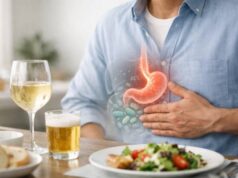
Gastritis means inflammation or irritation of the stomach lining. For some people it arrives suddenly—burning pain, nausea, and a stomach that feels “raw” after coffee or pain relievers. For others it builds quietly over months, showing up as early fullness, queasiness, or vague upper-abdominal discomfort that comes and goes. The encouraging part is that many cases improve once the trigger is removed and the stomach’s protective barrier is supported while it repairs. The less encouraging part is that “gastritis” is sometimes used as a catch-all label for several different problems, and the best fix depends on the real cause—such as an infection, medication irritation, bile reflux, or autoimmune inflammation. This article will help you recognize the most telling symptoms, understand what typically drives gastritis, know when testing matters, and choose practical steps that can meaningfully support healing.
Key Insights
- Removing the main irritant (often NSAIDs, alcohol, or an infection) is usually more important than any single “safe food.”
- Many people feel better within days, but true lining repair often takes 2–8 weeks depending on the cause and severity.
- Black stools, vomiting blood, fainting, or severe worsening pain require urgent medical evaluation.
- If symptoms persist beyond 2–3 weeks or keep returning, testing for common causes can prevent months of trial-and-error.
Table of Contents
- How gastritis feels and what it is not
- Common causes and hidden triggers
- When to get tested and what doctors check
- Treatments that actually help heal
- Diet and habits that support the stomach barrier
- Recovery timeline and preventing relapse
How gastritis feels and what it is not
Gastritis is inflammation of the stomach’s inner lining (the mucosa). That lining has a tough job: it must handle acid and digestive enzymes while protecting the tissue underneath. When the protective layer is disrupted—by infection, medications, alcohol, bile, or immune activity—the stomach can become more sensitive to things you previously tolerated.
Common symptoms vary widely, and not everyone has “classic” burning pain. Many people describe a cluster of upper-abdominal sensations that shift throughout the day:
- Burning, gnawing, or aching pain in the upper middle abdomen (epigastric area)
- Nausea, queasiness, or reduced appetite
- Early satiety (feeling full quickly)
- Upper abdominal bloating or pressure after meals
- Belching more than usual
- A sour taste, mild reflux, or a “hot” feeling after coffee or spicy foods
- In some cases, vomiting—especially with acute irritation
Why symptoms can be confusing
Symptoms alone cannot reliably prove gastritis because the stomach shares nerves with nearby organs. Gastritis can mimic acid reflux, functional dyspepsia, gallbladder pain, or even stress-related nausea. Some people have gastritis on endoscopy with few symptoms, while others have strong symptoms with minimal visible irritation. That mismatch is why patterns and risk factors matter.
Gastritis versus other common conditions
It helps to separate “stomach lining inflammation” from other look-alikes:
- Acid reflux (GERD): burning behind the breastbone, regurgitation, throat symptoms, worse when lying down. Gastritis pain is usually centered higher in the abdomen, though overlap is common.
- Peptic ulcer: a deeper break in the lining. Ulcer pain can be more persistent, can wake you at night, and has a higher bleeding risk.
- Food poisoning or viral illness: prominent diarrhea, fever, and sudden onset after exposure. Gastritis can cause nausea and vomiting, but diarrhea is not a defining feature.
- Gallbladder issues: pain more toward the right upper abdomen, often after fatty meals, sometimes radiating to the back or shoulder.
A useful self-check is the timing: gastritis often flares within 30–90 minutes of eating or drinking irritants (alcohol, coffee, NSAIDs), while some other problems have different rhythms. Still, persistent symptoms deserve evaluation rather than guessing.
Common causes and hidden triggers
Gastritis is not one disease with one solution. It is a response pattern—irritation or inflammation—caused by different triggers. Identifying the most likely cause is the fastest path to relief.
Very common causes
1) Medication-related irritation (especially NSAIDs)
Nonsteroidal anti-inflammatory drugs (NSAIDs) such as ibuprofen, naproxen, and aspirin can weaken the stomach’s protective barrier. Risk rises with higher doses, frequent use, age over 60, prior ulcers, and combining NSAIDs with steroids, blood thinners, or heavy alcohol use.
2) Infection-related gastritis
A stomach infection can inflame the lining and increase ulcer risk. The most well-known is a bacterial infection that can persist for years if untreated. Travel history, household exposure, and living conditions can influence risk, but anyone can be affected.
3) Alcohol and chemical irritation
Alcohol can directly irritate the mucosa. So can frequent vomiting, certain supplements taken on an empty stomach, and high-dose caffeine in sensitive people. “Detox” products and very acidic shots (such as concentrated citrus or vinegar) can be problematic if the lining is already irritated.
Less obvious but important causes
- Bile reflux: bile moving upward into the stomach, often after gallbladder surgery or certain motility patterns, can cause burning and inflammation that does not respond as well to simple antacids.
- Autoimmune gastritis: immune-driven damage to acid-producing areas of the stomach. It can be associated with low vitamin B12, iron deficiency, and other autoimmune conditions.
- Severe physiological stress: critical illness, major burns, or trauma can contribute to erosive gastritis and bleeding risk (this is different from everyday stress, although daily stress can amplify symptoms).
- Other inflammatory conditions: Crohn’s disease can involve the stomach; radiation and some infections can also play a role in specific contexts.
A trigger checklist that often gets missed
If symptoms appeared “out of nowhere,” look for changes in the prior 2–6 weeks:
- New pain reliever use, even “just a few days”
- Low-dose aspirin started for prevention without stomach protection
- Alcohol intake increased (even modestly) during a stressful period
- New iron, potassium, zinc, or “fat burner” supplements
- More coffee or energy drinks, especially before food
- Unintentional fasting patterns (skipping meals, late-night eating, then coffee on an empty stomach)
The most common mistake is focusing only on foods while missing the medication or supplement that is repeatedly injuring the lining.
When to get tested and what doctors check
Many mild cases improve with short-term changes, but ongoing symptoms should not be managed indefinitely by guesswork. Testing can clarify the cause, reduce unnecessary restriction, and catch problems like bleeding or ulcers early.
Alarm symptoms that need urgent care
Seek urgent evaluation if you have any of the following:
- Vomiting blood or material that looks like coffee grounds
- Black, tarry stools or visible blood in stool
- Fainting, dizziness, marked weakness, or signs of dehydration
- Severe, worsening abdominal pain (especially with a hard, tender abdomen)
- Persistent vomiting or inability to keep fluids down
- Fever with significant abdominal tenderness
- Unexplained weight loss, new difficulty swallowing, or symptoms that wake you from sleep repeatedly
These symptoms can signal bleeding, ulcer complications, or other conditions that require prompt treatment.
When to schedule a medical visit
Consider an appointment if:
- Symptoms last more than 2–3 weeks despite basic measures
- Symptoms keep returning in cycles
- You rely on acid reducers most days to function
- You are over 60 with new or changing symptoms
- You have anemia, low iron, or low vitamin B12
- You use NSAIDs, aspirin, steroids, or blood thinners regularly
Common tests and what they are for
Clinicians typically start with targeted testing rather than “everything at once.” Depending on your history and symptoms, evaluation may include:
- Testing for common stomach infection: usually via breath or stool testing (blood antibody tests may be less useful for determining active infection).
- Blood tests: to check for anemia, inflammation, and nutrient deficiencies when relevant.
- Stool tests: if bleeding is suspected or to evaluate other causes of symptoms.
- Upper endoscopy: a camera exam that can directly inspect the lining, check for ulcers, and take biopsies. Endoscopy is more likely when there are alarm symptoms, persistent symptoms, or concern for complications.
How to prepare for a more accurate evaluation
Bring a clear timeline and a medication list. Include:
- All pain relievers (even “as needed”) and aspirin dose
- Supplements (iron, zinc, potassium, herbal blends)
- Alcohol and caffeine patterns
- The exact words you use to describe the pain (burning, stabbing, pressure)
- Whether symptoms improve with eating, worsen after eating, or respond to acid reducers
This detail helps clinicians distinguish gastritis-like symptoms from reflux, ulcer patterns, gallbladder issues, and functional dyspepsia. Better history often means fewer unnecessary tests.
Treatments that actually help heal
“Healing the stomach lining” is a practical goal, but it works best when you think in two steps: remove the cause and give the lining time and conditions to repair. Treatments that only numb symptoms can be useful short-term, but true improvement usually requires addressing the driver.
Step one: remove or reduce the injury
The most effective interventions are often straightforward:
- Stop or reduce NSAIDs when possible and discuss alternatives with your clinician.
- Avoid alcohol during healing, even small amounts, if it clearly triggers burning.
- Pause supplements that commonly irritate the stomach (especially on an empty stomach) until symptoms settle.
- If a bacterial infection is present, targeted eradication treatment is usually the turning point.
If you cannot stop an NSAID or aspirin due to medical necessity, do not decide alone. High-risk situations often require a clinician-guided plan to protect the stomach.
Step two: short-term acid reduction and mucosal support
Reducing acidity can give the lining a calmer environment to repair. Common options include:
- Antacids: fast, short-lived relief for burning. Useful for occasional symptoms.
- H2 blockers: longer relief than antacids, often helpful for nighttime symptoms or mild-to-moderate irritation.
- Proton pump inhibitors (PPIs): stronger acid reduction, often used for more significant symptoms, erosive irritation, or ulcer risk.
These medications are not “better” in all cases; they are tools matched to severity and risk. The goal is usually short-term use at the lowest effective dose, followed by reassessment rather than indefinite self-treatment.
When infection treatment changes the plan
If testing confirms a persistent stomach infection, treatment typically involves a combination regimen prescribed by a clinician. The “healing” you feel may begin within 1–2 weeks, but symptom patterns can fluctuate while the gut readjusts. Confirming eradication after treatment is important because persistent infection can prolong inflammation and raise ulcer risk.
What about protective coating agents?
Some therapies focus less on acid and more on shielding irritated tissue. Coating agents may reduce pain after meals and support comfort while the lining repairs. They are not always necessary, but they can be useful when symptoms are meal-triggered or when the mucosa is very sensitive.
Common pitfalls that slow recovery
- Continuing the same irritant “just occasionally” (for example, weekend NSAIDs or nightly alcohol)
- Taking strong supplements on an empty stomach because appetite is low
- Eating one large meal late in the day because you have avoided food all morning
- Staying on acid suppression long-term without reviewing the need and diagnosis
A good plan has a stop date or re-check point: typically 2–8 weeks depending on the suspected cause, severity, and your response.
Diet and habits that support the stomach barrier
Diet can meaningfully reduce symptoms, but it rarely “cures” gastritis on its own if the underlying cause continues. The most helpful approach is not a rigid list of forbidden foods—it is a temporary, gentle strategy that reduces irritation and supports consistent intake while the lining recovers.
Principles that work better than strict rules
- Choose low-irritant foods during flare days
When the stomach is inflamed, even normal acidity can feel intense. Many people tolerate these better:
- Oatmeal, rice, potatoes, and other plain starches
- Eggs, tofu, fish, and lean poultry
- Yogurt or kefir only if you personally tolerate dairy (not a universal fit)
- Bananas, melons, cooked applesauce-like textures
- Soups, broths, and softer cooked vegetables
- Use meal size and timing as your first lever
A large meal stretches the stomach and can worsen pain. Aim for smaller portions every 3–4 hours during active symptoms. If mornings are rough, start with a small, bland snack before coffee or medications. - Reduce common irritants, but personalize
The “usual suspects” include alcohol, coffee, very spicy foods, fried foods, and acidic drinks. However, reactions vary. The goal is to avoid what reliably triggers symptoms while you heal—not to ban entire food groups forever.
Smart hydration and medication habits
- Take pills with a full glass of water unless instructed otherwise. Dry swallowing can irritate the esophagus and stomach.
- Avoid taking irritating supplements (iron, zinc, potassium) on an empty stomach unless your clinician specifically advises it.
- If you need pain relief, discuss stomach-friendlier options with your clinician rather than rotating NSAIDs.
Habits that quietly protect the mucosa
- Stop smoking or vaping if applicable. Nicotine can impair healing and increases ulcer risk.
- Avoid lying down right after eating, especially if you also have reflux symptoms.
- Ease back into fiber slowly if your diet has become very low in plant foods. Sudden high-fiber jumps can increase nausea and pressure.
A simple “flare day” template
- Breakfast: oatmeal or toast with egg
- Midday: rice or potatoes with lean protein and cooked vegetables
- Afternoon: banana, yogurt (if tolerated), or a small sandwich
- Dinner: soup plus a small starch and protein
- Beverages: still water, diluted herbal tea if tolerated; pause alcohol entirely during healing
Once symptoms are calmer for several days, expand variety gradually. The goal is a steady return to a normal, nutritious diet—because overly restrictive eating can lead to fatigue, weight loss, and slower recovery.
Recovery timeline and preventing relapse
Healing depends on type of gastritis, severity, and whether the cause has been removed. Many people feel partial relief quickly, but lasting recovery often happens in phases.
What improvement often looks like
- Days 1–7: burning and nausea become less intense; appetite may return gradually. Symptoms often fluctuate—good mornings followed by a rough evening—especially if meal timing is irregular.
- Weeks 2–4: fewer flare episodes, better tolerance of a wider diet, less need for “rescue” antacids.
- Weeks 4–8: more stable digestion and fewer food-triggered reactions, assuming the driver has been addressed.
If symptoms are not trending better by the end of week 2—or if they improve and then snap back repeatedly—revisit the cause (ongoing NSAID use, alcohol, infection not treated, or another diagnosis).
Why gastritis returns
Relapse usually happens for one of four reasons:
- The irritant was never fully removed (for example, “only on weekends” NSAIDs).
- The underlying infection persists or was not confirmed as cleared.
- The stomach is exposed to repeated triggers during recovery (alcohol, concentrated caffeine, very large late meals).
- A different condition is driving symptoms (reflux, ulcer disease, bile reflux, functional dyspepsia, gallbladder disease).
A prevention plan that is realistic
Use these prevention pillars rather than fear-based food rules:
- Medication awareness: avoid routine NSAID use when possible; if you must use it, use the lowest effective dose for the shortest time and discuss protection if you are high risk.
- Alcohol strategy: if alcohol is a trigger, keep it out of the healing window and reintroduce cautiously later, if at all.
- Meal rhythm: avoid long fasting followed by one heavy meal. Consistent, moderate meals reduce stomach strain.
- Stress buffering: daily stress does not “cause” gastritis by itself, but it can amplify nausea, appetite changes, and pain sensitivity. A short post-meal walk and a 5-minute downshift routine can make symptoms feel less loud.
When follow-up matters
Follow-up is especially important if you had bleeding, significant anemia, persistent vomiting, unexplained weight loss, or ongoing symptoms that require frequent medication. It is also important if you have risk factors for chronic inflammation (autoimmune conditions, family history of stomach cancer, or long-standing symptoms).
A strong recovery plan is not just “what you take.” It is a clear diagnosis when needed, a time-limited healing strategy, and a prevention approach you can realistically maintain.
References
- ACG Clinical Guideline: Treatment of Helicobacter pylori Infection 2024 (Guideline)
- Management of Helicobacter pylori infection: the Maastricht VI/Florence consensus report 2022 (Guideline)
- RE.GA.IN.: the Real-world Gastritis Initiative-updating the updates 2024 (Consensus)
- AGA Clinical Practice Update on the Diagnosis and Management of Atrophic Gastritis: Expert Review 2021 (Guideline)
Disclaimer
This information is for educational purposes and does not replace individualized medical advice, diagnosis, or treatment. Stomach pain and nausea can have many causes, and “gastritis” is only one possibility. Seek urgent care for vomiting blood, black stools, fainting, severe or worsening abdominal pain, persistent vomiting, or symptoms with fever. If you are pregnant, older than 60 with new symptoms, take blood thinners or frequent NSAIDs, or have anemia or unexplained weight loss, consult a qualified clinician promptly. Do not start, stop, or change prescription medications based on this article without medical guidance.
If this article helped you, please consider sharing it on Facebook, X (formerly Twitter), or any platform you prefer.