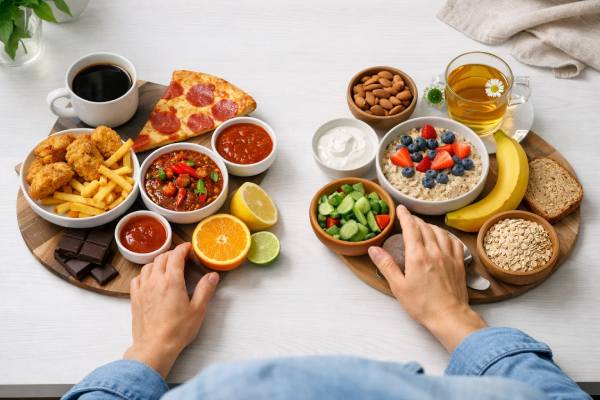
“Trigger foods” for GERD are often discussed as if the same items bother everyone. In reality, reflux symptoms usually come from a mix of food chemistry, meal size, timing, and pressure in the abdomen. A tomato sauce may sting one person because it is acidic; a creamy pasta may trigger another because fat slows stomach emptying and increases the chance of reflux; and a perfectly “safe” meal can still cause symptoms if it is large and eaten late. The benefit of understanding triggers is not creating a restrictive diet—it is learning which levers matter most for you so you can eat with confidence and fewer flare-ups. In this article, you will learn the most common GERD trigger categories, why they cause problems, and how to swap them for options that protect sleep and comfort without sacrificing flavor or nutrition.
Quick Summary
- Meal size and late-night eating often drive reflux more than any single ingredient.
- High-fat meals, alcohol, and coffee are common triggers, but tolerance varies widely.
- Chest pain that is severe or new, vomiting blood, black stools, or trouble swallowing needs urgent medical evaluation.
- A practical approach is a 14-day trigger trial with one change at a time and a 3-hour buffer before bed.
Table of Contents
- Why trigger foods trigger GERD
- Top food and drink culprits
- Better swaps that still taste good
- How to find your personal triggers
- Meal timing and portion strategies
- Special situations: coffee, spice, and eating out
- When triggers are not the whole story
Why trigger foods trigger GERD
GERD happens when stomach contents reflux into the esophagus often enough to cause symptoms or irritation. Food can influence reflux in several ways, and understanding the mechanism helps you choose smarter swaps. The most common drivers are lower esophageal sphincter behavior, stomach emptying speed, acid sensitivity, and abdominal pressure.
Mechanism one: relaxing the lower esophageal sphincter
The lower esophageal sphincter is a pressure valve between the esophagus and stomach. Some foods and substances can reduce its tone in certain people, making reflux episodes easier. This is one reason classic triggers like alcohol and mint appear on many lists. The key detail is variability: a food may relax the valve in one person and not in another.
Mechanism two: slowing stomach emptying
Fat-rich meals tend to linger longer in the stomach. A fuller stomach increases the chance of reflux, especially when you bend over or lie down. This is why a greasy meal can be far more triggering than a mildly acidic one for many people. It also explains why reflux is often worse after restaurant meals, creamy sauces, and fried foods.
Mechanism three: acid and irritation sensitivity
Acidic foods do not necessarily “cause” reflux, but they can make reflux symptoms feel sharper by irritating sensitive tissue. Tomato products, citrus, vinegar-heavy foods, and carbonated drinks can amplify the burn when reflux happens.
Mechanism four: volume and pressure
A large meal is a trigger regardless of ingredients. The stomach stretches, pressure rises, and reflux episodes become more likely. Add late-night eating, and gravity can no longer help keep stomach contents down. For many people, this meal-size and timing effect matters more than the exact food.
If you remember only one principle: treat trigger foods as a starting hypothesis, not a life sentence. The most effective plan usually prioritizes portion and timing first, then refines ingredient triggers.
Top food and drink culprits
Trigger lists are useful when they are organized by category and mechanism. Below are the most common culprits, along with the reason they tend to cause trouble. You do not need to avoid all of them. Consider them a menu of suspects for a structured trial.
High-fat meals
High-fat meals are among the most reliable reflux triggers because they slow stomach emptying and often come in large portions. Common examples include:
- Fried foods (fries, fried chicken, battered items)
- Creamy sauces and rich pastas
- Pizza with heavy cheese and fatty toppings
- Fatty cuts of meat and large burgers
- Pastries, doughnuts, and rich desserts
Even “healthy fats” can be problematic in large amounts during a flare. The issue is often dose and timing, not the fat source itself.
Alcohol
Alcohol can increase reflux episodes and make the esophagus more sensitive. It also tends to be consumed in social settings with late meals, richer foods, and reclining afterward. Wine, beer, and spirits can all be triggers depending on quantity and context.
Coffee and concentrated caffeine
Coffee is a common trigger, but its effect varies. For some, coffee increases reflux sensations; for others, it is tolerated if taken after food and not late in the day. Energy drinks and concentrated caffeine can be more problematic because of dose and acidity.
Acidic foods and drinks
These often worsen burning sensations when reflux occurs:
- Tomato sauce, salsa, and ketchup
- Citrus fruits and juices
- Vinegar-heavy dressings and pickled foods
- Carbonated drinks, including sparkling water in some people
Acidic foods may not increase reflux frequency, but they can increase symptom intensity.
Mint and chocolate
Mint products and chocolate are classic triggers because they can relax the lower esophageal sphincter in some individuals. Peppermint tea, mint candies, and chocolate desserts are common examples.
Spicy foods
Spice does not cause reflux, but it can irritate sensitive tissue and amplify burning. The dose matters. Many people can tolerate mild spice, but large amounts of chili, hot sauces, or spicy fried foods can be rough during flares.
A useful way to use this list is to identify your top two suspects, then test them in a consistent, time-limited way rather than eliminating everything at once.
Better swaps that still taste good
The goal of “better swaps” is not bland food. It is reducing reflux likelihood while preserving satisfaction and nutritional balance. In practice, the best swaps target fat load, meal size, and acidity while keeping flavor through herbs, cooking technique, and texture.
Swap high-fat meals with lower-fat comfort versions
- Instead of fried chicken, try baked or air-fried chicken with a light coating and herbs.
- Instead of creamy Alfredo, try a lighter pasta sauce based on olive oil in small amounts, broth, or blended vegetables.
- Instead of a double cheeseburger, try a smaller portion with lean protein and a side of cooked vegetables.
- Instead of deep-fried snacks, choose baked potatoes, rice bowls, or toast-based meals with lean toppings.
A key trick is reducing hidden fat in sauces and toppings, which often carry more fat than the main food.
Make tomato-based meals gentler
Tomato sauce can be both acidic and commonly paired with fat. If you love it, try reducing the combined burden:
- Use a smaller amount of sauce and add more pasta or cooked vegetables
- Choose lean proteins and reduce heavy cheese layers
- Avoid eating tomato-heavy meals late at night
- If you are sensitive, rotate to non-tomato sauces for a few weeks during a flare
Smarter beverage swaps
- If coffee triggers symptoms, test half-caffeinated coffee, smaller servings, or coffee after breakfast instead of on an empty stomach.
- Replace late-day caffeine with herbal tea that does not contain mint if mint worsens reflux for you.
- If carbonation triggers symptoms, switch to still water during flares and re-test later.
Chocolate and dessert swaps
If chocolate is a trigger, the easiest workaround is portion and timing:
- Keep dessert small and earlier in the evening
- Choose lower-fat desserts, fruit-based options, or a small portion of a tolerated sweet
- Avoid dessert plus alcohol late at night, a combination that often stacks triggers
Flavor without burn
During sensitive periods, use flavor tools that are often easier on the esophagus:
- Fresh herbs, mild spices, garlic-infused oil in small amounts, and gentle seasoning blends
- Roasting, grilling, and browning for flavor without heavy fat
- Creaminess from small amounts of yogurt alternatives or blended cooked vegetables rather than heavy cream
Swaps work best when they feel like real food, not punishment. The more your plan preserves satisfaction, the more consistent you can be, and consistency is often what lowers symptoms.
How to find your personal triggers
GERD trigger identification works best as a structured experiment. Randomly avoiding foods for months can lead to unnecessary restriction and confusion. A better approach is to stabilize the foundation, then test one variable at a time.
Step 1: stabilize the reflux baseline
For 14 days, keep these consistent:
- Dinner earlier and smaller than usual
- No eating within 3 hours of bed
- Similar meal timing each day
- Avoid the single biggest obvious trigger you already suspect
This creates a baseline so you can interpret changes. If you change five things at once, you will not know what helped.
Step 2: pick one category to test
Choose one category that is realistic and commonly triggering:
- Alcohol
- Coffee or concentrated caffeine
- High-fat meals
- Tomato-based meals
- Carbonated drinks
- Mint products
- Spicy foods
Avoid it for 10–14 days, then reintroduce it in a controlled way. A clear pattern is more valuable than a vague impression.
Step 3: grade your response with simple markers
Track:
- Nighttime symptoms and sleep disruption
- Need for rescue antacids
- Regurgitation or sour taste episodes
- Symptom intensity on a 0–10 scale
Many people discover that triggers are dose-dependent. For example, they can tolerate coffee with breakfast but not coffee on an empty stomach, or they can tolerate a small amount of chocolate but not a rich dessert late at night.
Step 4: build a “trigger budget”
A practical way to live with GERD is to think in budgets rather than bans. You might tolerate one trigger at a time but not a stack, such as pizza plus alcohol plus late bedtime. Your personal plan can aim to:
- Keep triggers earlier in the day
- Keep portions smaller
- Avoid stacking triggers on the same evening
This approach preserves enjoyment and reduces flares more reliably than strict avoidance.
Meal timing and portion strategies
Meal timing and portion size are often the highest-impact “trigger” variables, yet they rarely receive the same attention as food lists. In many people, changing timing and volume reduces reflux more than eliminating a long set of ingredients.
The three-hour bedtime buffer
Finishing meals at least 3 hours before lying down is one of the most consistently helpful strategies. It reduces reflux events by allowing the stomach to empty partially before you lose gravity’s help. If you struggle with hunger at night, consider moving a snack earlier or shifting more calories to breakfast and lunch.
Smaller meals, fewer spikes
Large meals increase stomach pressure and reflux tendency. A simple portion strategy:
- Make dinner the smallest meal of the day when nighttime symptoms are prominent
- Split one large meal into two smaller eating times 2–3 hours apart
- Avoid “catch-up eating” late in the day after skipping meals
If you are used to large dinners, this change can feel dramatic at first, but many people notice improvement within a week.
Post-meal posture and movement
- Stay upright after eating for at least 60–90 minutes.
- Avoid bending, heavy lifting, and tight waist pressure after meals.
- A short walk after meals can reduce reflux sensations for some people.
Constipation and bloating as reflux amplifiers
If you tend toward constipation, treating it can reduce reflux indirectly by lowering abdominal pressure. Useful steps include steady hydration, daily movement, and gradual fiber increases rather than large sudden additions. If fiber worsens bloating, adjust the dose rather than forcing it.
Timing and portion changes are also easier to sustain than extreme ingredient restriction, which is why they are often the most valuable “trigger” strategy in real life.
Special situations: coffee, spice, and eating out
Some triggers are not just foods—they are rituals, social moments, and comfort habits. Coffee and eating out are classic examples. The goal is to keep your life intact while reducing symptom volatility.
Coffee without the regret
If coffee is a trigger, you do not necessarily need to quit permanently. Try a stepwise approach:
- Drink coffee after breakfast instead of before food
- Reduce serving size rather than switching to decaf immediately
- Avoid coffee after mid-afternoon if nighttime reflux is an issue
- Test half-caffeinated coffee for 2 weeks and track symptoms
If coffee is not a trigger, do not eliminate it out of fear. Treat it like a test result, not a moral decision.
Spice: dose and context matter
Spicy food often amplifies burning, especially when combined with fat and late meals. If you love spice:
- Keep spice moderate during sensitive periods
- Avoid pairing very spicy meals with alcohol and late bedtime
- Use flavor from herbs, ginger, mild heat, and gentle seasoning blends
Eating out with less reflux risk
Restaurants tend to combine high fat, large portions, and late timing. A protective strategy:
- Order smaller portions or split an entrée
- Choose grilled, baked, or broth-based options
- Ask for sauces on the side
- Skip the “trigger stack” combination of alcohol plus dessert plus late meal
- Prioritize earlier dining when symptoms are nighttime-heavy
Travel and social events
When routine is disrupted, use simple anchors: earlier dinner when possible, smaller portions, and a bedtime buffer. If you cannot control the menu, control the timing and volume. That approach often reduces flare severity even when trigger foods are unavoidable.
When triggers are not the whole story
Sometimes people follow an ideal trigger-food plan and still feel miserable. This does not mean you failed. It often means reflux is being driven by other factors, symptoms are coming from another condition, or the main problem is sensitivity rather than classic acid reflux.
When reflux persists despite careful eating
Reflux can continue because of:
- Frequent reflux events unrelated to specific foods
- Non-acid reflux that still irritates the throat
- A hiatal hernia or mechanical factors that promote reflux
- Abdominal pressure from constipation or significant bloating
- Medication effects that worsen reflux
Symptoms that deserve evaluation
Seek medical evaluation if you have:
- Trouble swallowing or food sticking
- Persistent vomiting
- Unintentional weight loss
- Anemia or black stools
- Chest pain that is severe, new, or associated with breathlessness or fainting
- Symptoms that persist beyond 8–12 weeks despite a structured plan
A realistic success definition
For many people, success is not “never reflux again.” It is fewer nighttime awakenings, less need for rescue medication, fewer flares after meals, and the ability to eat a varied diet with confidence. A structured trigger approach helps you get there by making your diet more predictable and less restrictive over time.
References
- ACG Clinical Guideline for the Diagnosis and Management of Gastroesophageal Reflux Disease 2022 (Guideline)
- AGA Clinical Practice Update on the Diagnosis and Management of Extraesophageal Gastroesophageal Reflux Disease: Expert Review 2023 (Guideline)
- Systematic review: lifestyle interventions for gastro-oesophageal reflux disease 2022 (Systematic Review)
- Dietary and Lifestyle Changes for Gastroesophageal Reflux Disease: A Systematic Review 2020 (Systematic Review)
Disclaimer
This article is for educational purposes only and does not provide medical advice, diagnosis, or treatment. GERD symptoms can overlap with conditions affecting the heart, lungs, stomach, and esophagus. Seek urgent medical care for severe or new chest pain, shortness of breath, fainting, vomiting blood, black stools, persistent vomiting with dehydration, or progressive difficulty swallowing. If symptoms persist despite consistent diet and lifestyle changes, consult a qualified healthcare professional for individualized evaluation and guidance. Do not start, stop, or change prescription medications based on this article without medical supervision.
If you found this article useful, please consider sharing it on Facebook, X (formerly Twitter), or any platform you prefer.